Best Filters for Shrimp Tanks (2026): Complete Guide
Last updated: February 2026 | 15 min read
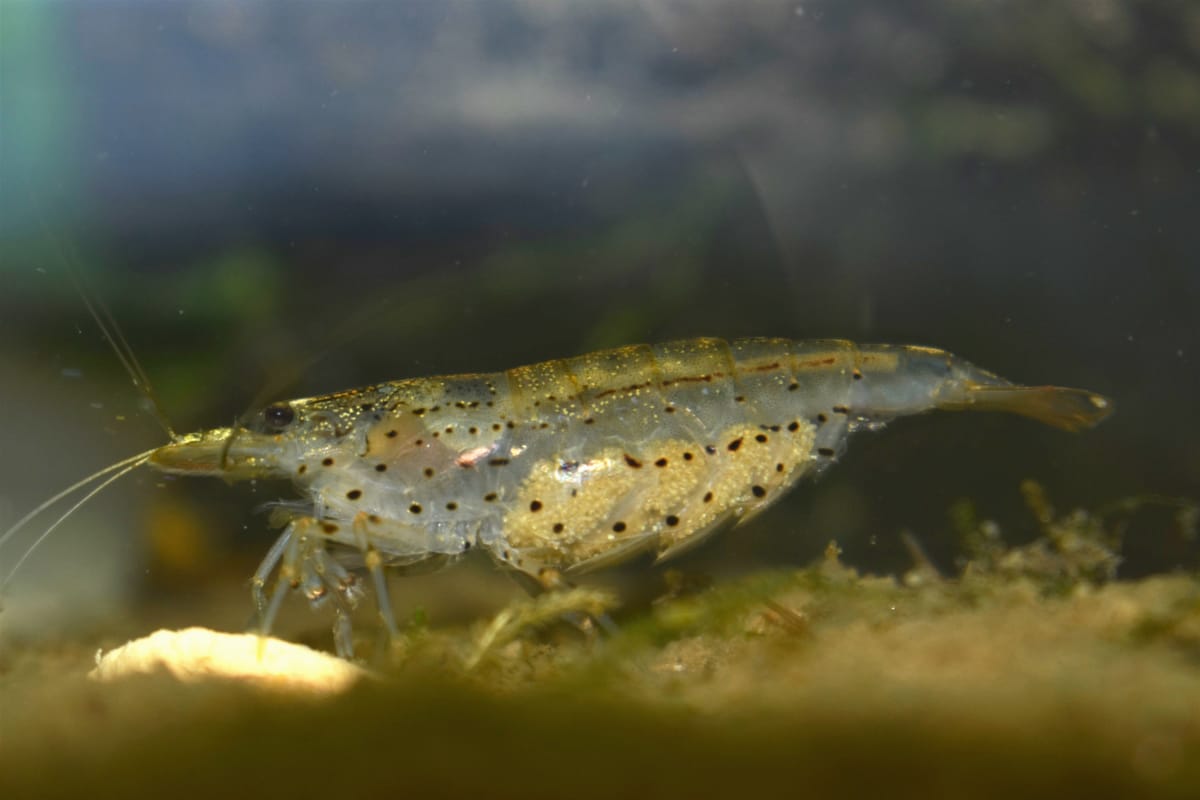
Last updated: February 2026 | 15 min read
Choosing the right filter for your shrimp tank is one of the most critical decisions you'll make. Get it wrong, and you'll wake up to find your precious shrimplets sucked into the impeller. Get it right, and your filter becomes a 24/7 grazing station that your shrimp will love.
Here, we break down every filter type, share real recommendations from the r/shrimptank community, and help you choose the perfect filtration for your setup.
Quick Picks: Best Shrimp Tank Filters at a Glance
| Filter | Type | Best For | Price Range |
|---|---|---|---|
| Hikari Bacto-Surge | Sponge | Overall best | $$ |
| Aquarium Co-Op Sponge | Sponge | Premium quality | $$ |
| AquaClear 20/30 + Pre-filter | HOB | Planted tanks | $$$ |
| Seachem Tidal 35 | HOB | Self-priming convenience | $$$ |
| Aquaneat Double Sponge | Sponge | Budget pick | $ |
Why Filtration Matters for Shrimp
Before diving into specific filters, let's understand why shrimp tanks need special consideration:
◆The Shrimplet Problem
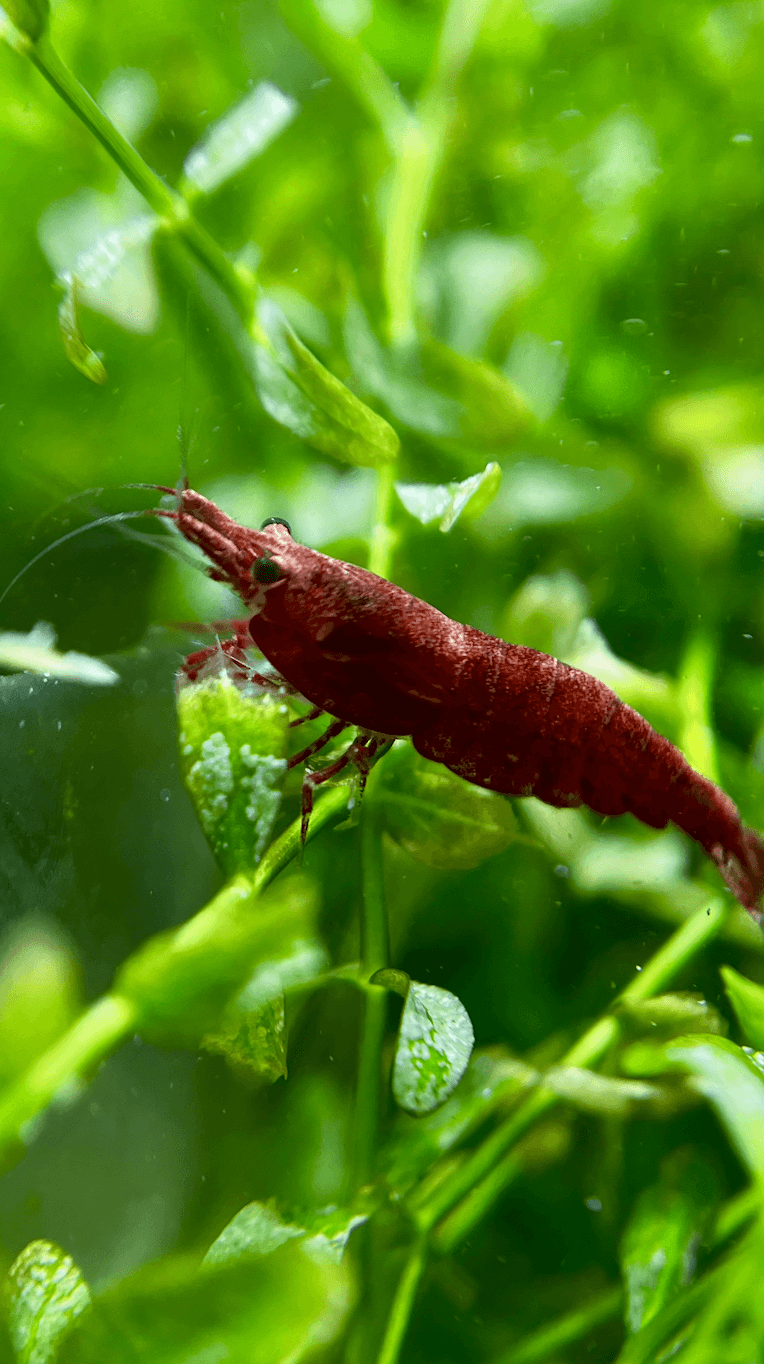
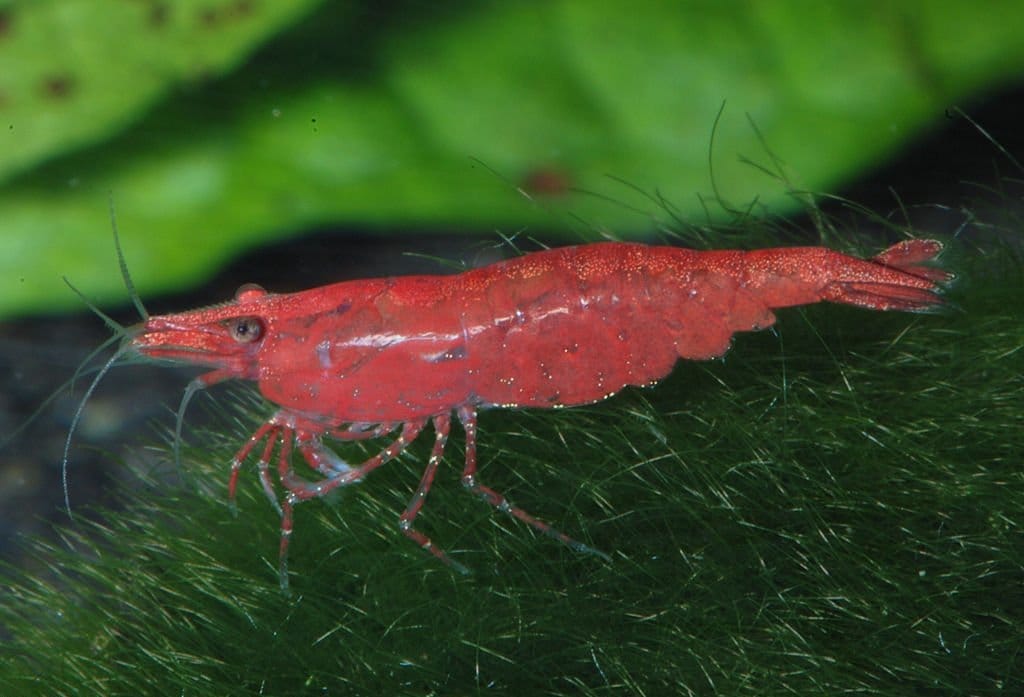
Baby shrimp (shrimplets) are tiny-about 2-3mm when born. Standard aquarium filter intakes are designed for fish, not for creatures the size of a grain of rice. Without protection, shrimplets get sucked into filter compartments where they either:
- •Get chopped up by the impeller
- •Get trapped and starve
- •Survive but can't escape back to the main tank
This is why the #1 rule of shrimp filtration is: protect the intake.
◆What Shrimp Need from Filtration
- •Mechanical filtration: Removes debris and particles
- •Biological filtration: Converts ammonia → nitrite → nitrate
- •Gentle flow: Shrimp don't like fighting strong currents
- •Surface area for grazing: Bonus biofilm buffet
- •Baby-safe intakes: Non-negotiable
Filter Types Ranked for Shrimp Tanks
◆1. Sponge Filters: The Gold Standard
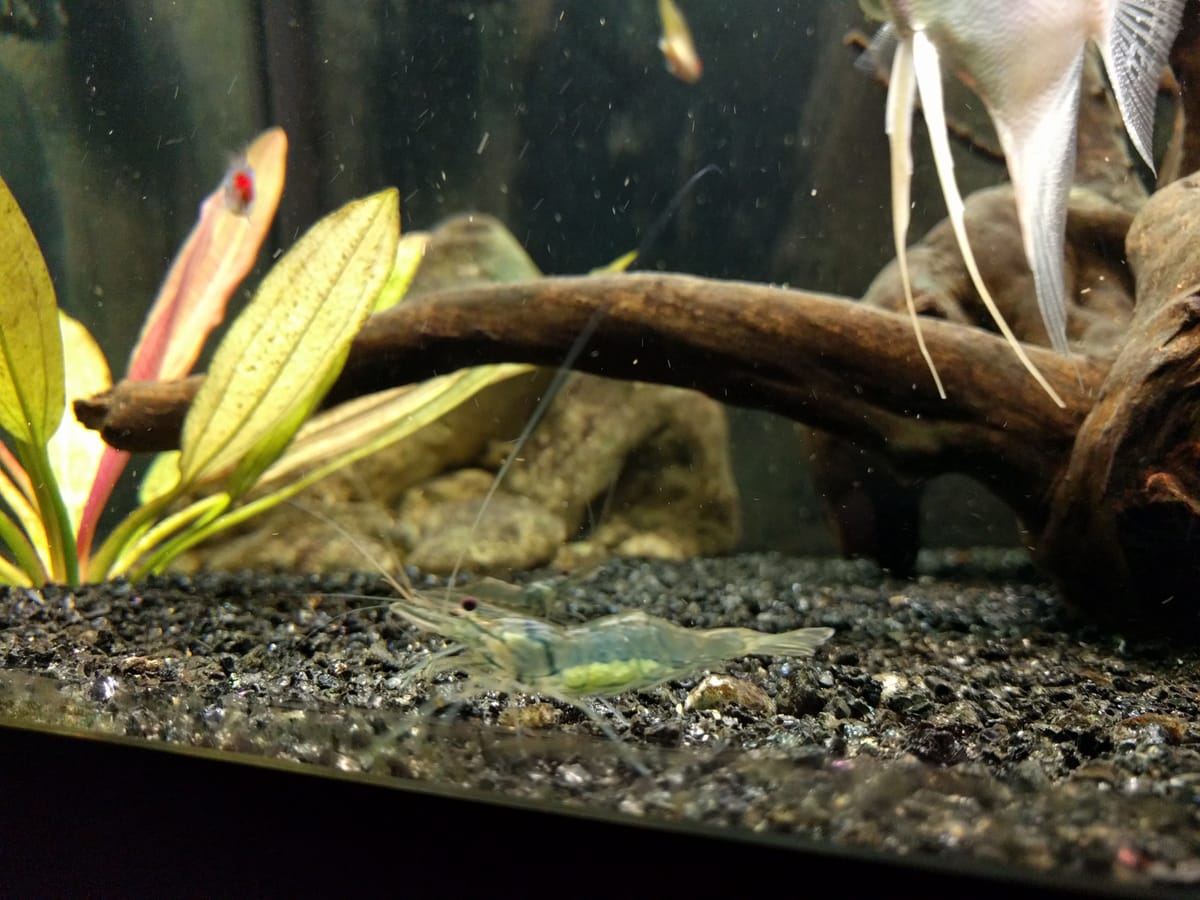
If you ask any experienced shrimp keeper what filter to use, they'll say sponge filter without hesitation. The r/shrimptank community overwhelmingly recommends them:
""Sponge filter-it will be covered in grazing shrimp all the time. Really, shrimp-only tanks need not much filtration." - u/aquafella345 on r/shrimptank
Why Sponge Filters Dominate:
- •100% shrimplet safe: No intake to suck up babies
- •Massive biological filtration: Porous sponge = tons of beneficial bacteria
- •Grazing paradise: Shrimp constantly pick at the biofilm
- •Gentle flow: Bubbles create circulation without strong currents
- •Built-in aeration: No need for a separate airstone
- •Cheap to run: Just needs an air pump
- •Easy maintenance: Squeeze in old tank water monthly
The Downsides:
- •Not the prettiest: Black sponge isn't exactly aesthetic
- •Takes up tank space: Visible in the main display
- •Air pump noise: Some pumps can be loud
- •No chemical filtration: Can't run activated carbon
Our Verdict: If this is your first shrimp tank, get a sponge filter. Period.
◆2. Hang-On-Back (HOB) Filters: With Modifications
HOB filters are popular in the general aquarium hobby for good reason: they're effective, easy to maintain, and keep equipment out of the tank. But for shrimp, they require modification.
Why Some Keepers Prefer HOB:
- •Keeps the tank interior cleaner looking
- •Excellent mechanical and chemical filtration
- •Easy to add custom media
- •Water surface agitation for gas exchange
The Problem for Shrimp:
Standard HOB intakes are death traps for shrimplets. Even adult shrimp can get pinned against powerful intakes.
The Solution: Pre-filter Sponges
Adding a sponge cover to the intake tube makes any HOB shrimp-safe:
""I added on the prefilter and have had zero problems with shrimp getting sucked into the filter. The shrimp love to graze along the surface of the sponge to get all the tasty gunk that gets trapped there.": Reddit user
Pre-filter sponges cost $5-10 and transform a dangerous filter into a shrimp-friendly one. They also extend the time between cleanings since the sponge catches large debris before it reaches the filter.
Our Verdict: Great option if you want cleaner aesthetics, but always add a pre-filter sponge.
◆3. Internal Filters: Middle Ground
Internal filters sit inside the tank and provide decent filtration in a compact package. Some are specifically designed for shrimp.
Pros:
- •Compact and hidden in corners
- •Usually gentler than HOB
- •Some have adjustable flow
- •Self-priming (start automatically after power outages)
Cons:
- •Take up interior tank space
- •Some models are noisy
- •Still need intake protection unless shrimp-specific
Our Verdict: A decent option for small tanks where you want built-in filtration without external equipment.
◆4. Canister Filters: For Larger Setups
Canister filters are overkill for most shrimp tanks but make sense for larger breeding operations or community tanks.
Pros:
- •Massive filtration capacity
- •Completely hidden (sits under tank)
- •Customizable media options
- •Very quiet
Cons:
- •Expensive
- •Overkill for small tanks
- •Still need intake protection
- •More complex maintenance
Our Verdict: Only consider for 20+ gallon tanks or multi-tank breeding setups with a shared sump.
◆5. Matten Filters: The Hidden Gem
Matten filters (also called Hamburg Matten Filters or HMF) are a lesser-known option beloved by serious shrimp breeders, especially in Europe.
How They Work:
A large sheet of coarse foam spans one end of the tank, creating a hidden chamber behind it. An air-lift tube or small pump pulls water through the foam.
Why Breeders Love Them:
- •Enormous surface area: The entire foam sheet is biological filtration
- •Zero shrimplet loss: Babies can't get through the foam
- •Shrimp love them: Constant grazing opportunity
- •Nearly silent: Just a gentle bubble
- •Low maintenance: Clean once or twice a year
The Trade-off:
You lose some tank space to the foam section, and setup is more DIY than plug-and-play.
Our Verdict: Excellent for dedicated breeders who prioritize function over aesthetics.
◆6. Under-Gravel Filters: Old School Option
Under-gravel filters were popular decades ago and still have niche appeal for shrimp keepers.
Pros:
- •Completely invisible
- •Entire substrate becomes biofilter
- •No intake issues
Cons:
- •Requires specific substrate setup
- •Difficult to clean
- •Can create anaerobic pockets
- •Not compatible with all substrates (active soils)
Our Verdict: Works but outdated. Most keepers prefer modern alternatives.
Best Sponge Filters for Shrimp Tanks
◆1. Hikari Bacto-Surge: Best Overall
The Hikari Bacto-Surge is consistently recommended as the best sponge filter you can buy:
""Anyone with a little bit of experience would simply tell you that the Hikari sponge filter is the most well-rounded product you can get.": Epic Aquarium
""The Hikari Bacto Surge line is probably the best on the market." - r/Aquariums
What Makes It Special:
- •Dense, high-quality sponge: More surface area for bacteria
- •Weighted base: Stays put without suction cups
- •Adjustable airflow: Control the bubble rate
- •Modular design: Can link multiple units
- •Easy to modify: Simple to make quieter
Available Sizes:
- •Small: Up to 10 gallons
- •Medium: Up to 20 gallons
- •Large: Up to 40 gallons
Where to Buy:
Our Rating: ⭐⭐⭐⭐⭐ (5/5): The benchmark for sponge filters
◆2. Aquarium Co-Op Coarse Sponge Filter: Premium Pick
Cory from Aquarium Co-Op designed this filter specifically to address common sponge filter complaints. It's a favorite among planted tank enthusiasts.
Key Features:
- •Coarse sponge: Resists clogging, lasts longer
- •Weighted base: No frustrating floating
- •Easy disassembly: Simple to clean and maintain
- •Designed by hobbyists: Built with real-world experience
Why It's Great for Shrimp:
The coarse sponge develops excellent biofilm that shrimp love to graze on. It also won't clog as quickly as fine sponges, meaning less maintenance.
Available Sizes:
- •Nano: 5-10 gallons
- •Small: 10-20 gallons
- •Medium: 20-40 gallons
- •Large: 40-80 gallons
Where to Buy:
Our Rating: ⭐⭐⭐⭐⭐ (5/5): Best for planted shrimp tanks
◆3. Aquaneat Double Sponge Filter: Best Budget Option
For those watching their budget, Aquaneat makes reliable sponge filters at a fraction of the price.
What You Get:
- •Double sponge design: More filtration area
- •Affordable: Under $10 for most sizes
- •Works well: Gets the job done despite the price
The Catch:
Build quality isn't as refined as Hikari or Aquarium Co-Op. The sponge material is acceptable but not premium. However, for the price, it's hard to complain.
Pro Tip from Reddit:
""Double sponge filters with bent outflow were best for me. They come in two different sizes, your tank can use the larger one." - r/shrimptank community
Where to Buy:
Our Rating: ⭐⭐⭐⭐ (4/5): Best value for money
◆4. Powkoo Double Sponge Filter: Affordable Alternative
Another popular budget option, the Powkoo offers good value for small tanks.
Features:
- •Double sponge design
- •Built-in bio balls for extra filtration
- •Suction cups included
- •Very affordable
Considerations:
- •Suction cups may fail over time
- •Smaller sponge surface area than premium options
Where to Buy:
Our Rating: ⭐⭐⭐⭐ (4/5): Solid budget choice
Best HOB Filters for Shrimp Tanks
If you prefer hang-on-back filtration, here are our top picks (always add a pre-filter sponge!):
◆1. Seachem Tidal 35: Best HOB for Shrimp
The Tidal series addresses the biggest HOB annoyance: priming after power outages.
""I have a Tidal 35 on two tanks, best thing is if the power goes out, it'll start itself, no need to prime it. Second best, if you're not cleaning the impeller, you don't have to take the whole filter out, you just pull the basket with the media." - r/shrimptank community
Key Features:
- •Self-priming: Restarts automatically after power loss
- •Surface skimmer: Adjustable intake height
- •Easy maintenance: Pull-out media basket
- •Adjustable flow: Dial down for shrimp
- •Heater slot: Hide your heater in the filter
Sizes:
- •Tidal 35: Up to 35 gallons
- •Tidal 55: Up to 55 gallons
- •Tidal 75: Up to 75 gallons
- •Tidal 110: Up to 110 gallons
Must-Have Accessory: Add a pre-filter sponge to the intake:
Where to Buy:
Our Rating: ⭐⭐⭐⭐⭐ (5/5): Best HOB if you want self-priming convenience
◆2. AquaClear 20/30: Classic Reliable Choice
The AquaClear has been a hobbyist favorite for decades. It's a workhorse filter with one notable flaw for shrimp keepers.
Why People Love It:
- •Excellent media capacity: Customizable filtration
- •Reliable: Runs for years without issues
- •Adjustable flow: Important for shrimp
- •Quiet: Whisper-quiet operation
The One Downside:
""AquaClear HOB; only flaw is lack of self-priming." - r/shrimptank community
If your power goes out, you'll need to manually refill the filter and restart it. Not a big deal if you're home, but risky during vacations.
Recommended Sizes for Shrimp Tanks:
- •AquaClear 20: 5-20 gallons
- •AquaClear 30: 10-30 gallons
Don't oversize-you want gentle flow.
Essential Modification:
Where to Buy:
Our Rating: ⭐⭐⭐⭐ (4/5): Excellent filter, just needs a pre-filter sponge
◆3. Fluval C2/C3: Compact with Versatility
The Fluval C-series offers a unique clip-on design and decent shrimp compatibility.
""I have a Fluval C2 on my small tank. Keeps the water clean. Definitely get a foam cover on the intake so the small shrimp don't get sucked in!" - r/shrimptank community
Features:
- •Compact design
- •Multiple media stages
- •Re-filtration dial
- •Cleaning indicator
Sizes:
- •C2: Up to 30 gallons
- •C3: Up to 50 gallons
Where to Buy:
Our Rating: ⭐⭐⭐⭐ (4/5): Good compact option with pre-filter
Best Internal Filters for Shrimp
◆1. Aqueon QuietFlow Internal Shrimp Filter
Aqueon made this filter specifically for shrimp, though reviews are mixed on execution.
Shrimp-Specific Features:
- •Sponge-covered intake
- •Gentle flow output
- •Self-priming
- •Compact design
The Honest Truth:
Community feedback is divided. Some love it, others report noise issues:
""The intake does have a nice sponge on it for shrimp tanks or fry. Overall it's a nice looking internal filter, but way too loud over time.": Chewy review
Our Verdict: Works as advertised, but some units develop noise. Check your return policy.
Where to Buy:
Our Rating: ⭐⭐⭐ (3/5): Good concept, inconsistent quality control
Air Pumps: The Unsung Hero
A sponge filter is only as good as the air pump driving it. Here are our recommendations:
◆For Small Tanks (5-10 gallons)
USB Nano Air Pumps: Nearly silent, perfect for bedrooms
- •USB Nano Aquarium Air Pump: ~$8-12
◆For Medium Tanks (10-20 gallons)
Tetra Whisper: Reliable and affordable
- •Tetra Whisper 10-30: ~$12-15
◆For Multiple Tanks or Larger Setups
Hygger Quiet Air Pump: Powerful yet quiet
- •Hygger Quiet Air Pump: ~$15-25
◆Always Get a Check Valve!
Air pumps can siphon tank water back through the tubing during power outages. A $3 check valve prevents this disaster:
Pre-Filter Sponges: The Must-Have Accessory
If you use any filter with an exposed intake, you need a pre-filter sponge. Period.
◆Best Pre-Filter Sponges
Fluval Edge Pre-Filter Sponge: Fits most intakes
Generic Intake Sponges: Affordable multi-packs
DIY Option: Cut a piece of coarse filter foam and secure it with a rubber band. Works perfectly and costs almost nothing.
Filter Combinations: What the Pros Use
Many experienced shrimp keepers run multiple filters. Here's why:
◆Sponge Filter + HOB
The most common combo in planted shrimp tanks:
- •HOB provides: Mechanical filtration, surface agitation, chemical filtration option
- •Sponge provides: Backup bio-filtration, grazing surface, shrimplet safety net
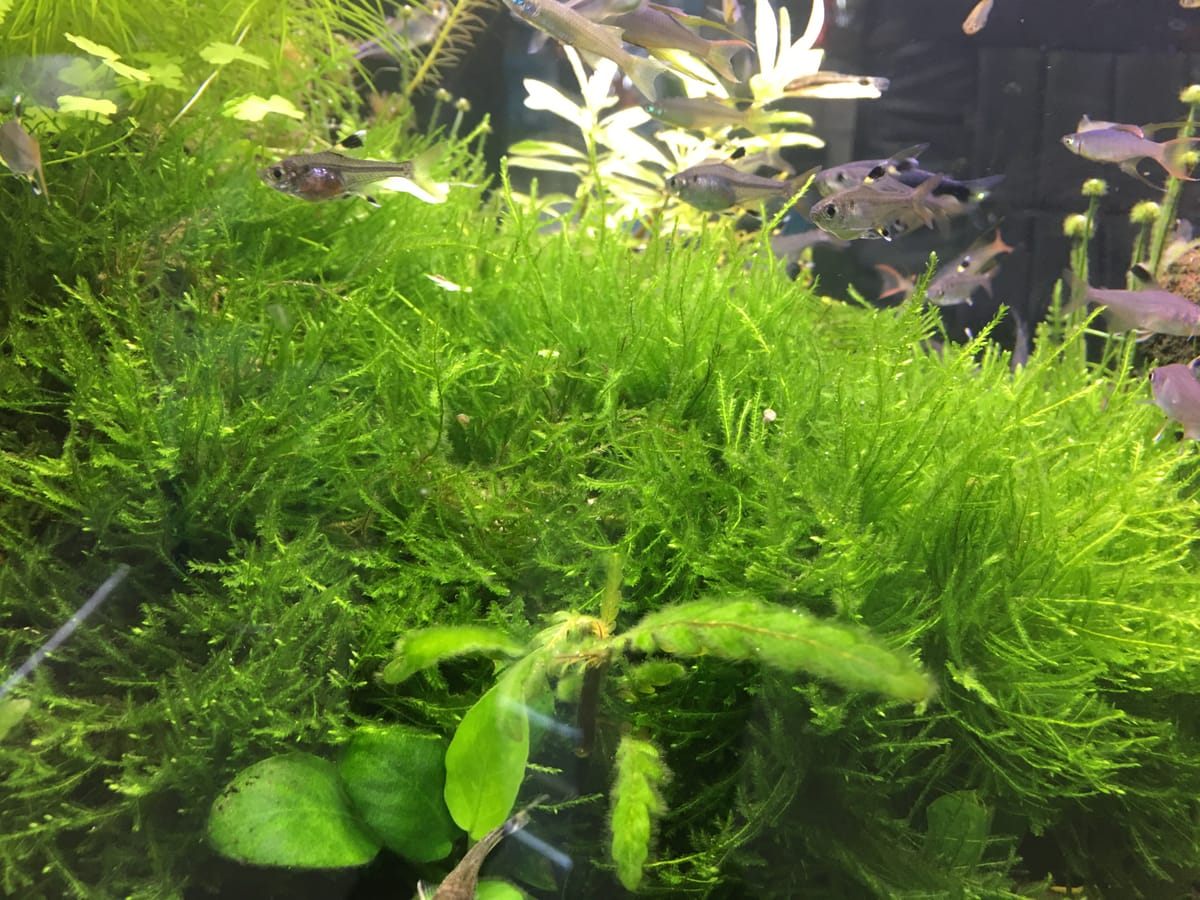
""I have HOB and sponge filter, but I also overstocked with chili rasboras and snails." - r/shrimptank community
◆Dual Sponge Filters
For redundancy and extra biological capacity:
- •Run two smaller sponges instead of one large
- •If one needs cleaning, the other maintains bacterial colony
- •Provides even water circulation
◆The "Seasoned Sponge" Trick
When setting up a new tank:
- •Run an extra sponge in your established tank for 2-4 weeks
- •Transfer the colonized sponge to the new tank
- •Instant cycling boost!
How Much Filtration Do Shrimp Actually Need?
Here's a secret: shrimp tanks don't need heavy filtration.
Shrimp have a tiny bioload compared to fish. A 20-shrimp colony produces less waste than a single betta. This means:
- •You don't need oversized filters
- •Lower flow is usually better
- •Stability matters more than power
""Sponge filter-it will be covered in grazing shrimp all the time. Really, shrimp-only tanks need not much filtration." - u/aquafella345 on r/shrimptank
The Rule of Thumb:
For shrimp-only tanks, filter rated for your tank size is plenty. Don't upsize like you would for fish.
Common Filtration Mistakes (And How to Avoid Them)
◆Mistake #1: Flow Too Strong
Shrimp spend energy fighting currents instead of grazing and breeding. Signs of too much flow:
- •Shrimp clustering in low-flow areas
- •Shrimp getting blown around
- •Substrate constantly disturbed
Fix: Use adjustable flow filters, baffle the output, or add spray bars.
◆Mistake #2: Cleaning Filter Media in Tap Water
Chlorine in tap water kills beneficial bacteria. Always clean filter media in old tank water during water changes.
◆Mistake #3: Replacing All Media at Once
Your biological filtration lives in the media. Replacing everything crashes your cycle. Instead:
- •Replace mechanical media as needed
- •Never replace all bio media at once
- •Rinse, don't replace, sponges
◆Mistake #4: Skipping the Pre-Filter
"I'll just watch carefully" isn't a strategy. Shrimplets are tiny, fast, and sneaky. One missed baby in the filter intake compounds into dozens over time.
◆Mistake #5: Forgetting the Check Valve
Power outages happen. Without a check valve, your air pump can siphon water out of the tank and onto your floor. A $3 part prevents a disaster.
Maintenance Schedule for Shrimp Tank Filters
◆Sponge Filters
Weekly: Quick visual check for clogging Monthly: Squeeze sponge in old tank water until debris stops coming out Yearly: Replace sponge if it's deteriorating (most last 2-3 years)
◆HOB Filters
Weekly: Check water level (low water = no prime) Bi-weekly: Rinse pre-filter sponge in old tank water Monthly: Check impeller for debris As needed: Replace mechanical filter floss, rinse bio media
◆Internal Filters
Weekly: Visual check Bi-weekly: Rinse intake sponge Monthly: Clean impeller chamber
Filter Setup Checklist
Before adding shrimp to your filtered tank, confirm:
- • Intake is protected (sponge filter or pre-filter installed)
- • Flow is gentle (shrimp aren't struggling)
- • Check valve is installed on air line
- • Tank has fully cycled (4-6 weeks minimum)
- • Ammonia and nitrite read 0 ppm
- • Filter has been running during entire cycle
FAQ
◆Can shrimp survive without a filter?
Technically, yes-in heavily planted, lightly stocked tanks with regular water changes. But we don't recommend it. Filters provide stability and reduce maintenance.
◆Will a sponge filter provide enough filtration?
Yes. For shrimp-only tanks, sponge filters provide more than adequate biological filtration. Shrimp have tiny bioloads.
◆How do I make my air pump quieter?
- •Place it on a soft surface (foam pad, folded towel)
- •Hang it from a hook instead of setting it on a hard surface
- •Use a check valve to prevent backpressure
- •Upgrade to a quieter model (Hygger, USB nano pumps)
◆My shrimp are always on the sponge filter-is that normal?
Yes! This is exactly what you want. Shrimp graze on the biofilm that grows on sponge filters. A filter covered in shrimp is a happy filter.
◆Do I need a filter for a jarrarium or walstad tank?
These methods rely on plants for filtration. While possible, they're advanced techniques. Beginners should use proper filtration.
◆How often should I clean my sponge filter?
Monthly is typical, but watch your shrimp. If they stop grazing on the sponge, it might be too dirty. If flow decreases, it's definitely time.
Our Final Recommendations
◆For Most Shrimp Keepers:
Get a sponge filter. Specifically:
- •Best overall: Hikari Bacto-Surge
- •Best for planted tanks: Aquarium Co-Op Coarse Sponge
- •Best budget: Aquaneat Double Sponge
Pair with a quiet air pump (Tetra Whisper or USB nano) and you're set.
◆If You Want Cleaner Aesthetics:
Go with a Seachem Tidal or AquaClear HOB filter, but:
- •Install a pre-filter sponge immediately
- •Add a backup sponge filter (you can hide it behind hardscape)
- •Turn down the flow
◆For Breeding Projects:
Run dual sponge filters or a matten filter setup. Redundancy and massive biological capacity support high-density colonies.
Ready to Choose?
The best filter for your shrimp tank is the one that:
- •Protects shrimplets from intake
- •Provides gentle, steady flow
- •Offers ample biological filtration
- •Fits your budget and aesthetic preferences
For beginners, a quality sponge filter is the safest, most effective choice. You can always add a HOB later if you want additional mechanical filtration or chemical media options.
Next Steps:
- •Set up your tank properly before adding filtration
- •Learn about cycling your shrimp tank (coming soon)
- •Check out the best substrate for shrimp (coming soon)
Happy shrimp keeping! 🦐
Frequently Asked Questions
◆What is the best filter for a shrimp tank?
Sponge filters are the best choice for most shrimp tanks. They're shrimp-safe, provide biological filtration, and won't suck up babies. For larger tanks or those needing more filtration, a hang-on-back filter with a sponge pre-filter cover works great.
◆Can baby shrimp survive with a hang-on-back filter?
Baby shrimp can get sucked into HOB filter intakes and die. Always cover the intake with a sponge pre-filter to prevent this. Even with a cover, check periodically that it's secure and the sponge pores are fine enough to block shrimplets.
◆Do shrimp tanks need an air pump?
If you're using a sponge filter, you need an air pump to power it. If you're using a different filter type, an air pump isn't strictly necessary but can help with surface agitation and oxygen levels, especially in warmer water.
◆How often should I clean my shrimp tank filter?
Rinse your sponge filter in old tank water every 2-4 weeks. Never rinse it under tap water, as chlorine kills beneficial bacteria. For HOB filters, replace mechanical media monthly but keep biological media running as long as possible.
Found this helpful?
Check out our other shrimp care guides