Cherry Shrimp Care: The Complete Guide
Last updated: February 2026 | 10 min read
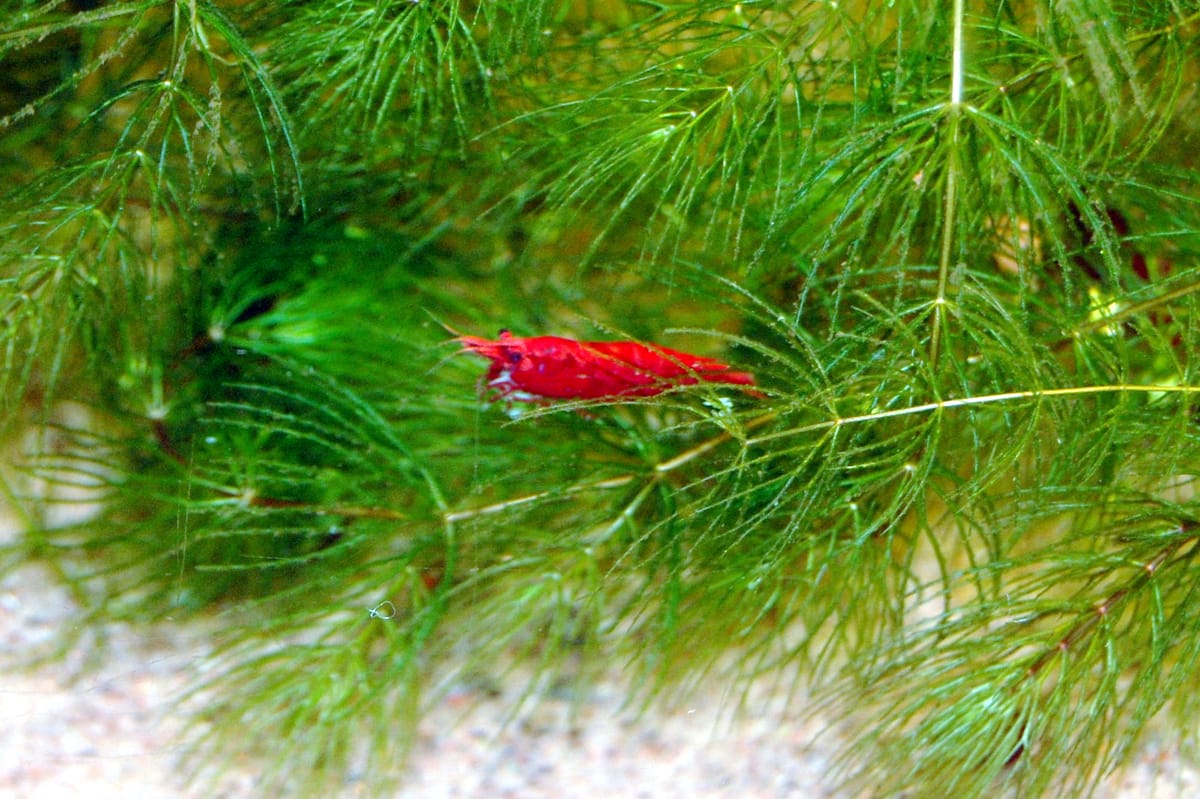
Cherry shrimp (Neocaridina davidi) are the perfect beginner shrimp. They're hardy, colorful, breed easily, and add life to any aquarium. We cover everything you need to know to keep your cherry shrimp thriving.
Why Cherry Shrimp Are Perfect for Beginners
Cherry shrimp have earned their reputation as the best starter shrimp for good reasons:
- •Hardy: Tolerate a wide range of water parameters
- •Affordable: Usually $2-5 per shrimp
- •Prolific breeders: A healthy colony grows quickly
- •Beautiful: Bright red coloration stands out
- •Peaceful: Won't bother fish or plants
- •Useful: Eat algae and leftover food
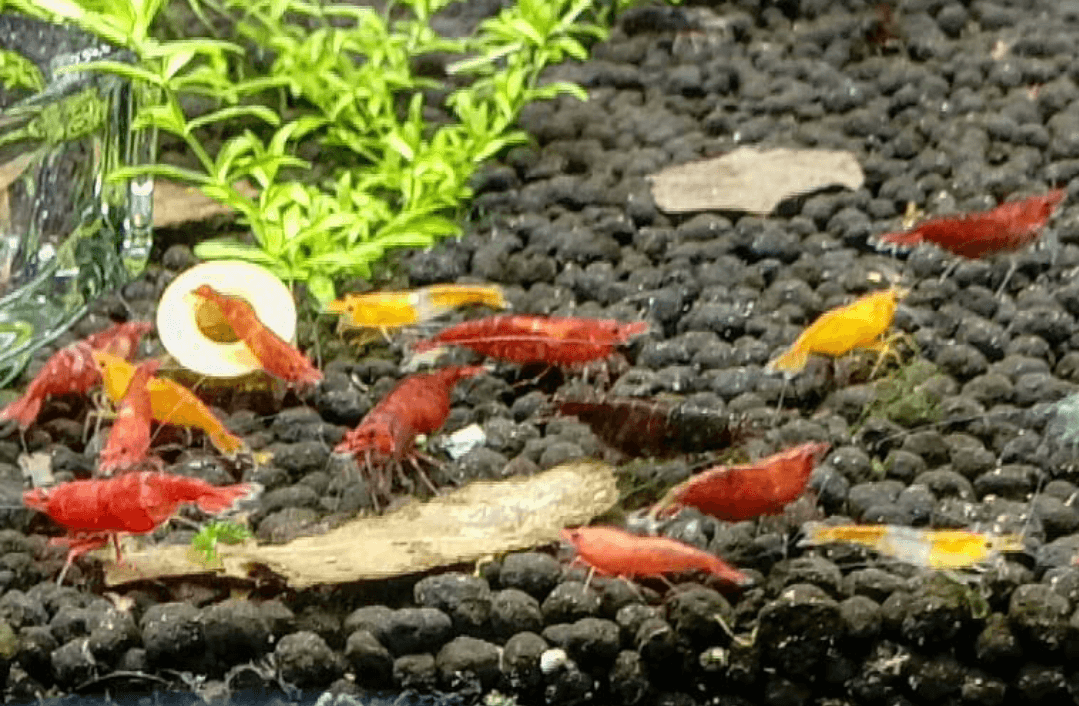
Cherry Shrimp Color Grades
Not all cherry shrimp are created equal. They're graded by color intensity:
| Grade | Description | Price Range |
|---|---|---|
| Cherry | Light red, some transparency | $2-3 |
| Sakura | Solid red with some clear spots | $3-4 |
| Fire Red | Deep red, minimal transparency | $4-6 |
| Painted Fire Red | Solid opaque red, legs included | $6-10 |
| Bloody Mary | Translucent tissue, blood-red color | $8-15 |
Tip for beginners: Start with Sakura or Fire Red grade. They're affordable and still stunningly colorful.
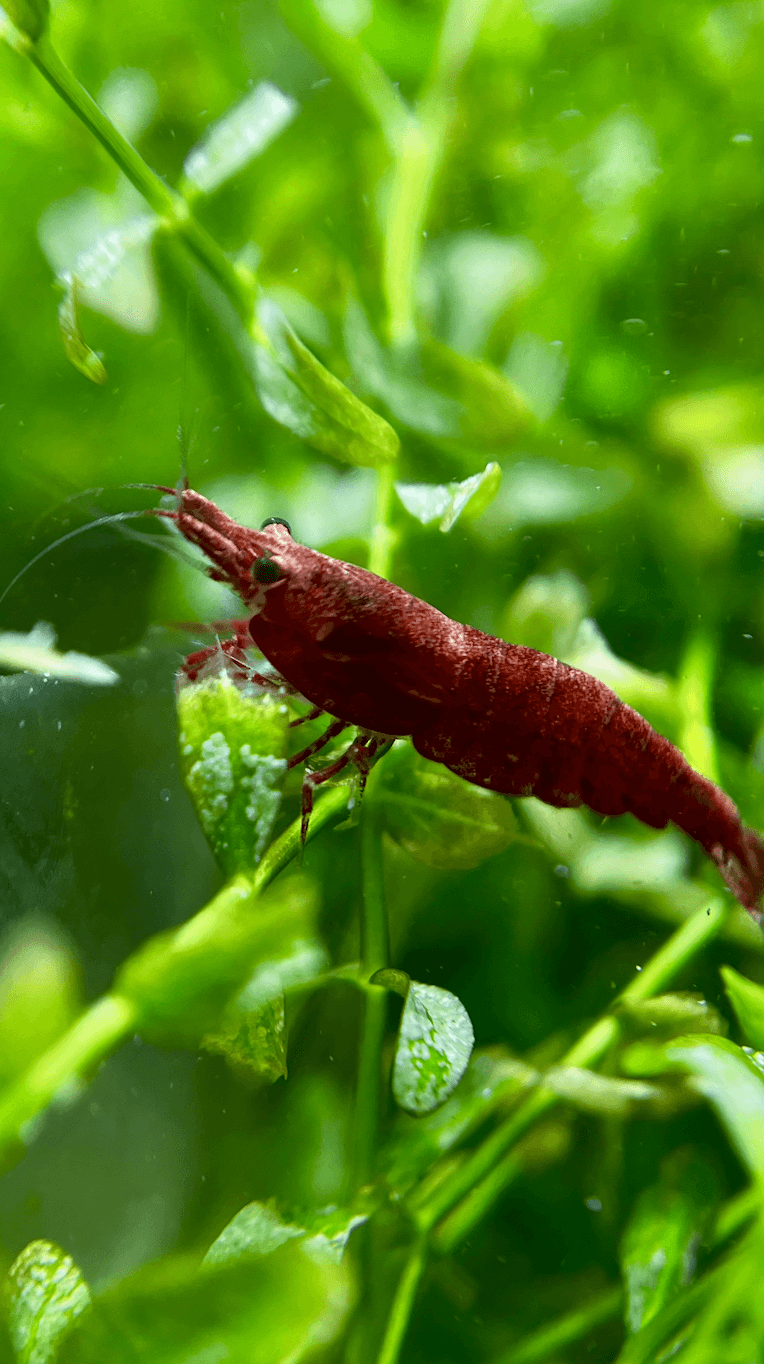
Ideal Water Parameters
Cherry shrimp are forgiving, but they thrive in these conditions:
| Parameter | Ideal Range | Acceptable Range |
|---|---|---|
| Temperature | 70-75°F (21-24°C) | 65-80°F |
| pH | 7.0-7.5 | 6.5-8.0 |
| GH | 6-8 dGH | 4-14 dGH |
| KH | 2-5 dKH | 1-8 dKH |
| TDS | 150-250 ppm | 100-400 ppm |
| Ammonia | 0 ppm | 0 ppm (critical!) |
| Nitrite | 0 ppm | 0 ppm (critical!) |
| Nitrate | <20 ppm | <40 ppm |
◆The Most Important Rule
Stability matters more than hitting exact numbers. Cherry shrimp can adapt to various parameters, but sudden changes stress them. Consistency is key.
Tank Setup for Cherry Shrimp
◆Minimum Tank Size
While cherry shrimp can survive in tanks as small as 5 gallons, we recommend 10 gallons minimum. The larger water volume provides more stability and room for your colony to grow.
Recommended: Aqueon 10 Gallon Tank - Affordable and reliable.
◆Filtration
Sponge filters are ideal for cherry shrimp:
- •Baby shrimp can't get sucked in
- •Provide surface area for beneficial bacteria
- •Shrimp love grazing on them
Our Pick: Aquarium Co-Op Coarse Sponge Filter - Excellent biological filtration, shrimp-safe.
You'll also need an air pump:
- •Tetra Whisper Air Pump - Quiet and reliable.
◆Substrate
Cherry shrimp aren't picky about substrate, but darker colors make their red pop:
- •Black substrate: Makes colors bright
- •Active substrate: Buffers pH (good if your water is hard)
- •Inert gravel/sand: Works fine, won't affect water
Recommended: Fluval Stratum - Active substrate that maintains ideal pH.
◆Heating
Cherry shrimp prefer cooler temperatures than tropical fish. In most homes, you may not need a heater at all. If your room gets cold:
Recommended: Fluval E50 Heater - Accurate temperature control.
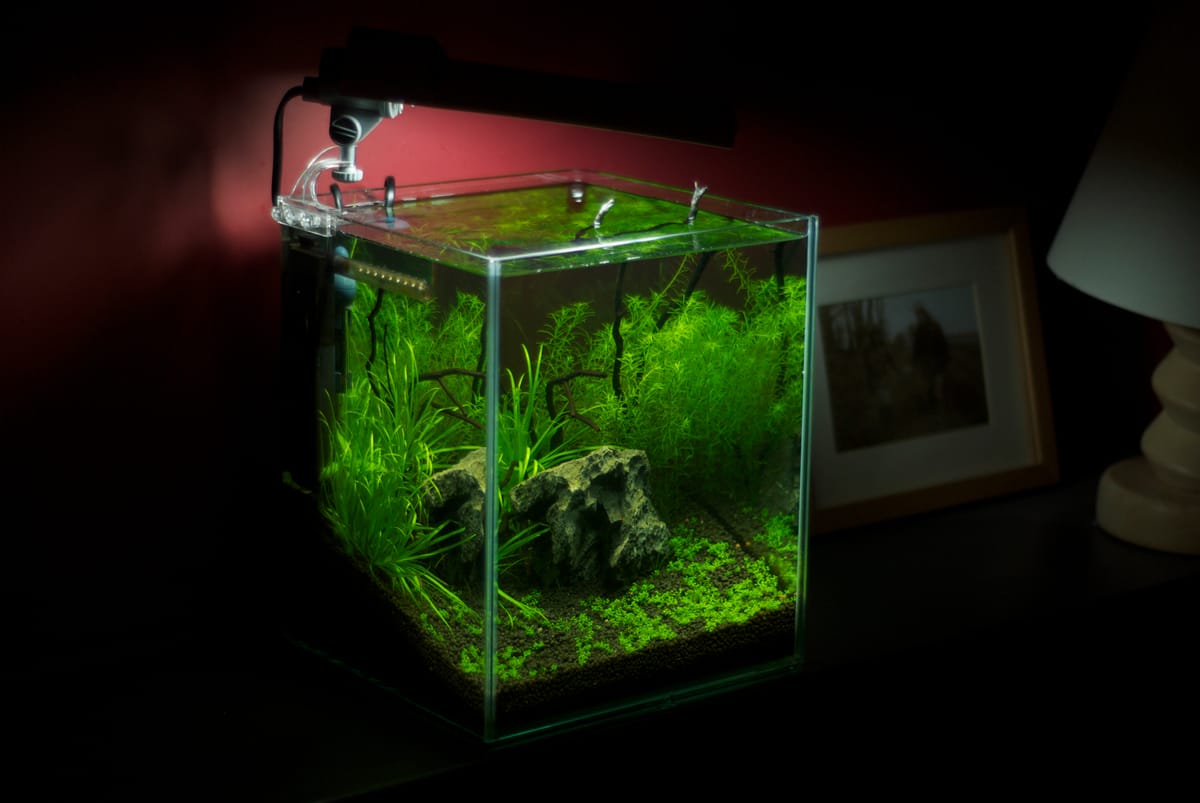
◆Plants
Live plants are highly recommended:
- •Provide hiding spots
- •Grow biofilm for shrimp to graze
- •Help maintain water quality
- •Look beautiful
Best plants for cherry shrimp:
- •Java Moss (shrimp LOVE this)
- •Java Fern
- •Anubias
- •Marimo Moss Balls
- •Water Wisteria
- •Hornwort
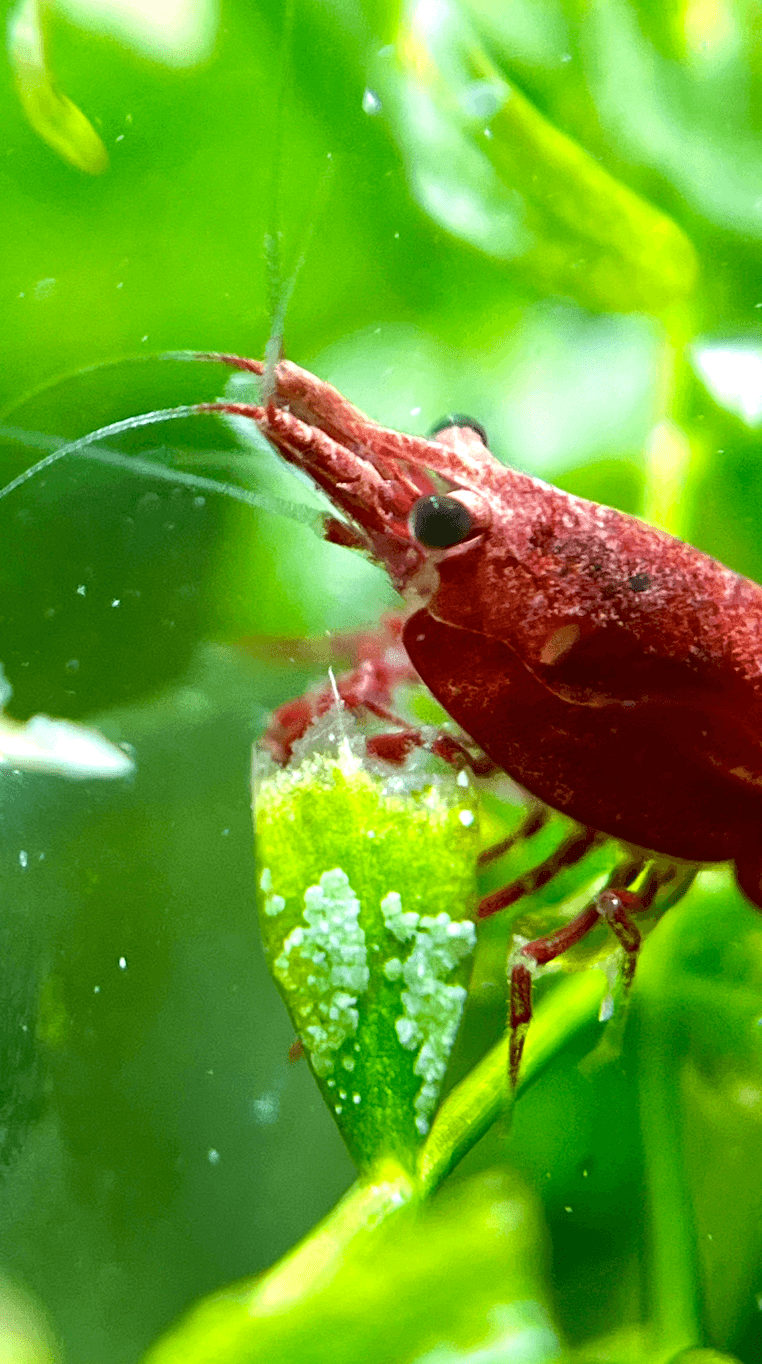
Feeding Cherry Shrimp
Cherry shrimp are omnivores and not picky eaters. In a well-established tank with algae and biofilm, they'll find plenty to eat naturally.
◆What to Feed
Commercial Foods:
- •Hikari Shrimp Cuisine - Balanced nutrition
- •Shrimp King Complete - Premium option
- •Algae wafers
- •Blanched vegetables (zucchini, spinach, cucumber)
Natural Foods:
- •Biofilm on surfaces
- •Algae
- •Decaying plant matter
- •Indian almond leaves
◆How Often to Feed
- •New tanks: Feed every 2-3 days
- •Established tanks: Feed 2-3 times per week
- •Heavily planted tanks: May only need weekly feeding
Golden Rule: If food isn't gone in 2 hours, you're overfeeding. Remove uneaten food to prevent water quality issues.
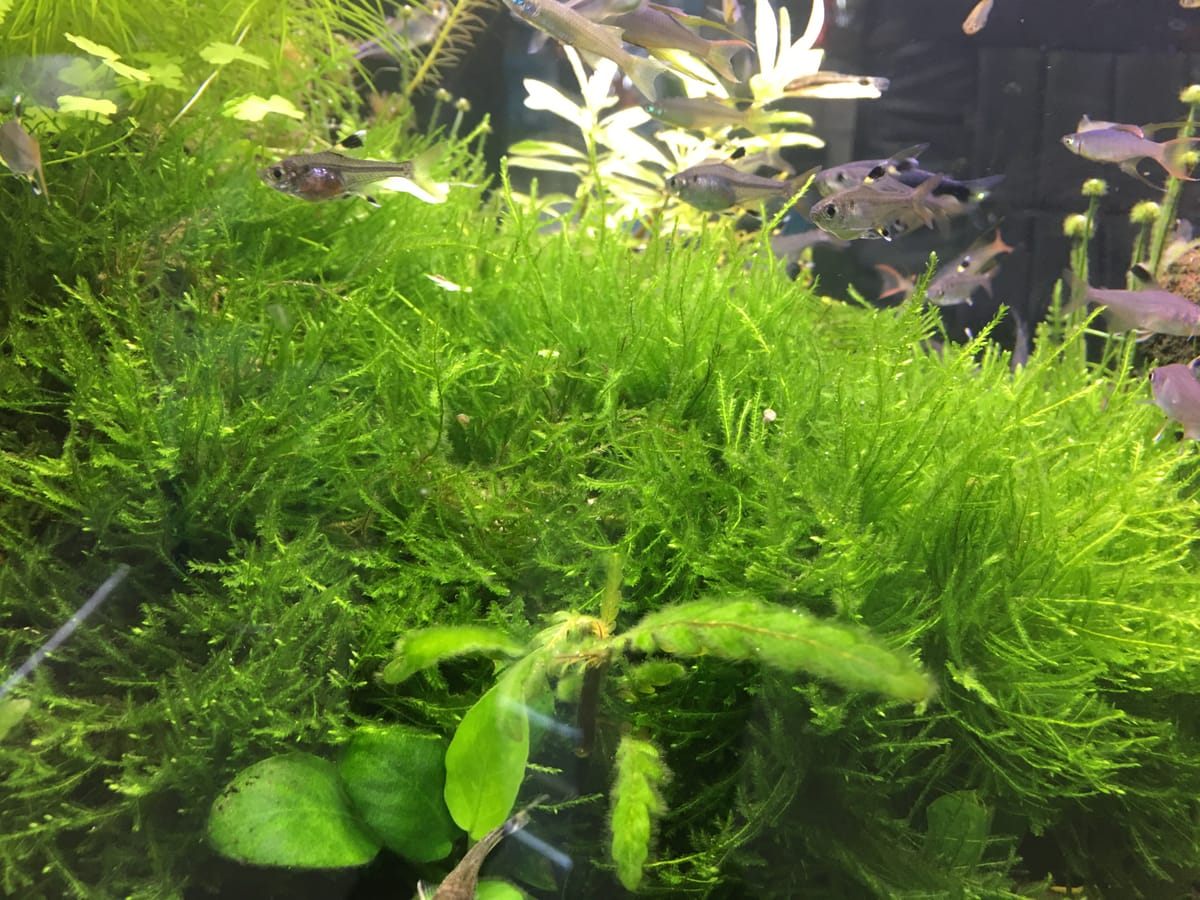
Tank Mates
Cherry shrimp are peaceful but small-many fish see them as food. Choose tank mates carefully.
◆Safe Tank Mates
- •Other shrimp (same species best)
- •Snails (nerite, mystery, ramshorn)
- •Otocinclus catfish
- •Small peaceful corydoras
- •Pygmy corydoras
◆Risky Tank Mates
These might eat baby shrimp but usually leave adults alone:
- •Small tetras (neon, ember)
- •Endlers
- •Celestial pearl danios
- •Sparkling gourami
◆Avoid Completely
- •Bettas (some are peaceful, most eat shrimp)
- •Angelfish
- •Cichlids
- •Goldfish
- •Any fish with a mouth big enough to eat them
Safest Option: A shrimp-only tank. Your colony will grow much faster without predators.
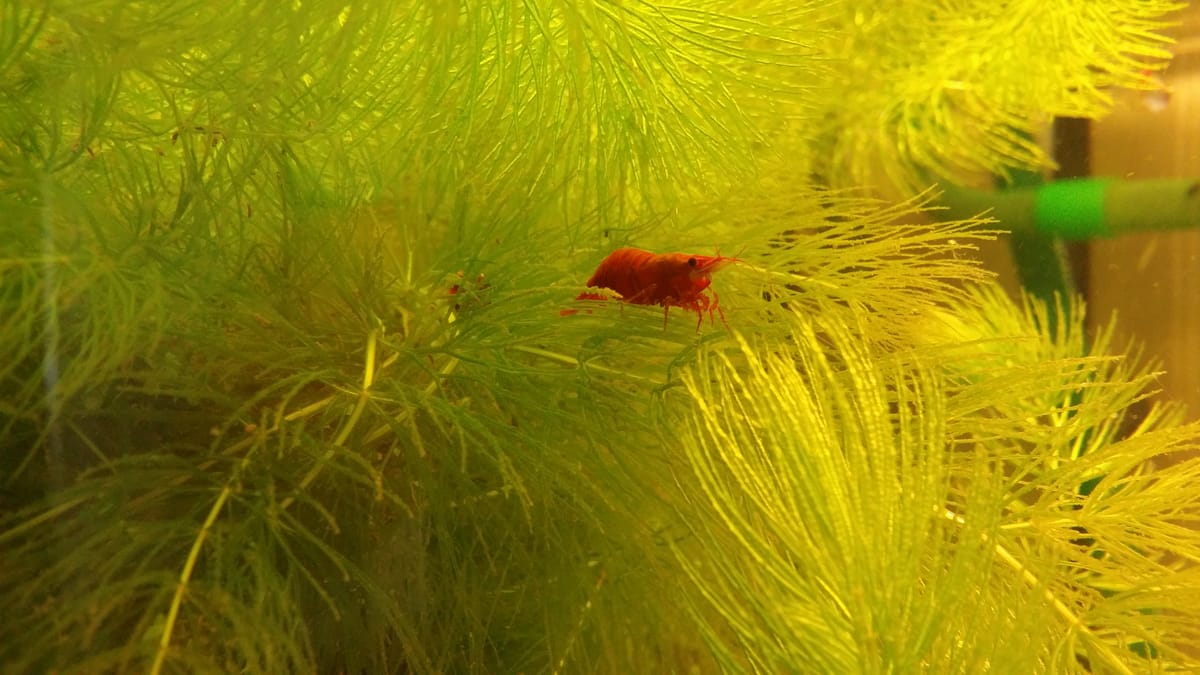
Breeding Cherry Shrimp
One of the joys of cherry shrimp is how easily they breed. With good conditions, they'll multiply without any intervention.
◆Requirements for Breeding
- •Mature shrimp: At least 3-4 months old
- •Mixed group: Males and females (buy 10+ to ensure both)
- •Stable parameters: Consistent water quality
- •Hiding spots: Plants and moss for babies
- •Good nutrition: Varied diet
◆Male vs Female
| Trait | Male | Female |
|---|---|---|
| Size | Smaller | Larger |
| Color | Less intense | More bright |
| Shape | Slimmer | Curved underbelly |
| Saddle | No | Yellow saddle behind head |
◆The Breeding Process
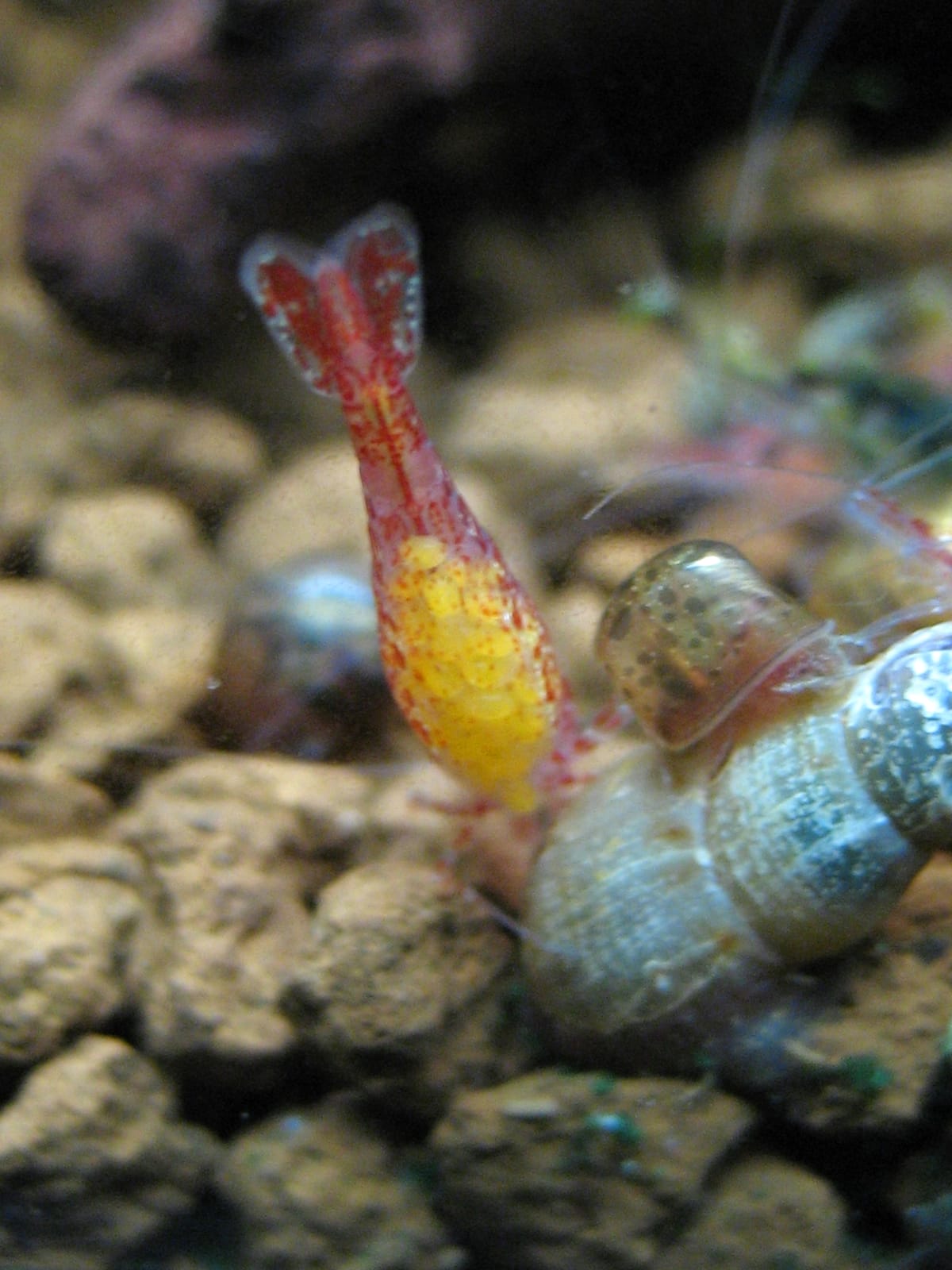
- •Female develops eggs (visible as yellow "saddle")
- •Female molts and releases pheromones
- •Males swarm to find her
- •Mating occurs
- •Female carries eggs under her tail (20-30 eggs)
- •Eggs hatch in 2-3 weeks
- •Babies are miniature adults - no larval stage!
◆Caring for Baby Shrimp
Baby cherry shrimp (shrimplets) need no special care:
- •They eat the same foods as adults
- •Ensure no predators in the tank
- •Provide plenty of hiding spots
- •Sponge filter prevents them being sucked up
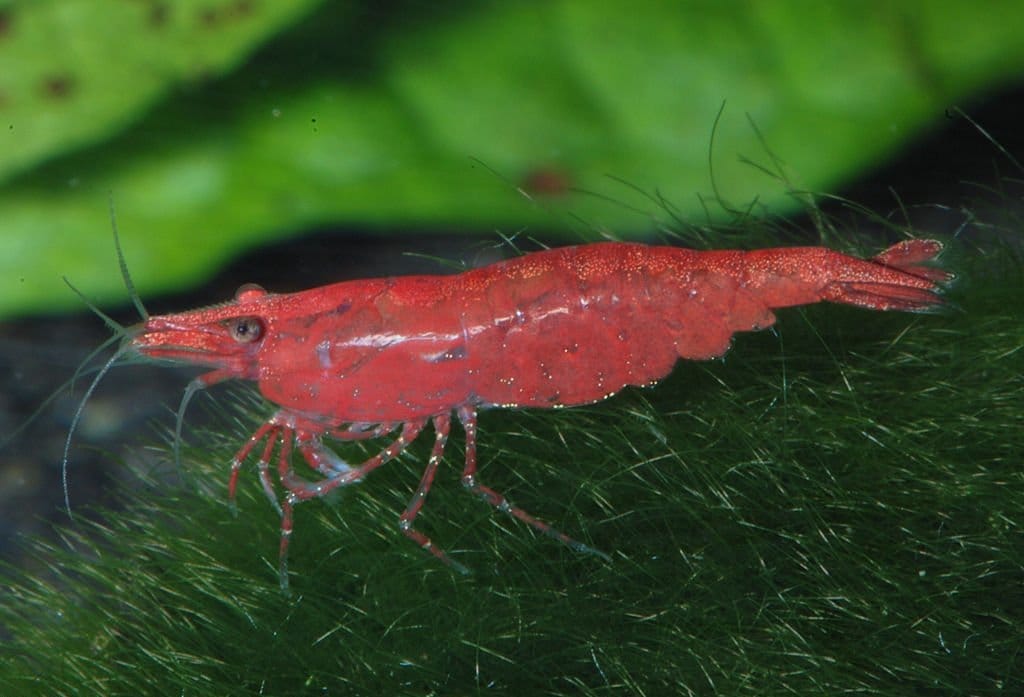
Common Problems and Solutions
◆Shrimp Deaths After Water Change
Cause: Parameter shock from different water chemistry.
Solution:
- •Change only 10-20% weekly
- •Match temperature closely
- •Use a drip method for new water
- •Use Seachem Prime to dechlorinate
◆White Ring of Death
Cause: Molting failure, often from mineral deficiency.
Solution:
- •Ensure adequate GH (6-8 dGH)
- •Add mineral supplement if needed
- •Feed calcium-rich foods
- •Keep parameters stable
◆Shrimp Not Breeding
Causes and solutions:
- •Tank too new (wait for maturity)
- •All same sex (add more shrimp)
- •Poor water quality (test and adjust)
- •Stress from tank mates (consider shrimp-only)
- •Poor nutrition (vary diet)
◆Shrimp Hiding All Day
Normal causes:
- •New to tank (give them time)
- •Just molted (they hide until shell hardens)
- •Bright lighting (add more plants/cover)
Concerning if: They never come out, even at feeding time. Check water parameters.
Weekly Maintenance Routine
- •Test water (ammonia, nitrite, nitrate, pH)
- •10-20% water change with temperature-matched, dechlorinated water
- •Clean glass if needed
- •Trim dead plant leaves
- •Check equipment (filter, heater, air pump)
- •Feed (if not fed recently)
- •Count shrimp (roughly-watch for population changes)
Shopping List for Cherry Shrimp
◆Essential Equipment
◆Supplies
- •Seachem Prime (dechlorinator)
- •Shrimp food
- •Indian almond leaves
- •Java moss
Final Tips for Success
- •Be patient: Let your tank fully cycle before adding shrimp
- •Start with 10+: Ensures you have males and females
- •Don't overfeed: It's the #1 beginner mistake
- •Test regularly: Catch problems before they become disasters
- •Enjoy the process: Watching shrimp is surprisingly relaxing!
Cherry shrimp are rewarding pets that bring color and activity to your aquarium. With proper care, a small starter colony can grow into hundreds of beautiful shrimp.
Related Guides:
Frequently Asked Questions
◆How many cherry shrimp should I start with?
Start with at least 10 cherry shrimp to establish a healthy colony. This gives you a good mix of males and females and reduces stress from the transition. They're social creatures that do better in groups, and a larger starting colony means faster breeding.
◆How long do cherry shrimp live?
Cherry shrimp typically live 1 to 2 years in a well-maintained aquarium. Lifespan depends on water quality, diet, and genetics. Females that breed frequently may have slightly shorter lifespans due to the energy demands of carrying eggs.
◆Do cherry shrimp need a filter?
Yes, cherry shrimp need a filter to maintain water quality. Sponge filters are the best choice because they won't suck up baby shrimp and they provide extra surface area for beneficial bacteria. Avoid HOB filters without intake covers.
◆What do cherry shrimp eat?
Cherry shrimp eat algae, biofilm, blanched vegetables, and commercial shrimp foods. They're not picky eaters and will graze constantly on surfaces in your tank. Supplement with a quality shrimp pellet 2-3 times per week for balanced nutrition.
◆Can cherry shrimp live in tap water?
Many cherry shrimp thrive in dechlorinated tap water, as long as parameters fall within their range (pH 6.5-8.0, GH 4-8). Always use a water conditioner to remove chlorine and chloramine. Test your tap water first to confirm it's suitable.
Found this helpful?
Check out our other shrimp care guides