Best Moss for Shrimp Tanks (2026): 7 Types Ranked and Compared
Java moss, Christmas moss, or flame moss? We rank the 7 best mosses for shrimp tanks based on growth rate, shrimp compatibility, and ease of care. Find the right moss for your setup.
Best Moss for Shrimp Tanks (2026): 7 Types Ranked
Last updated: February 2026 | 12 min read
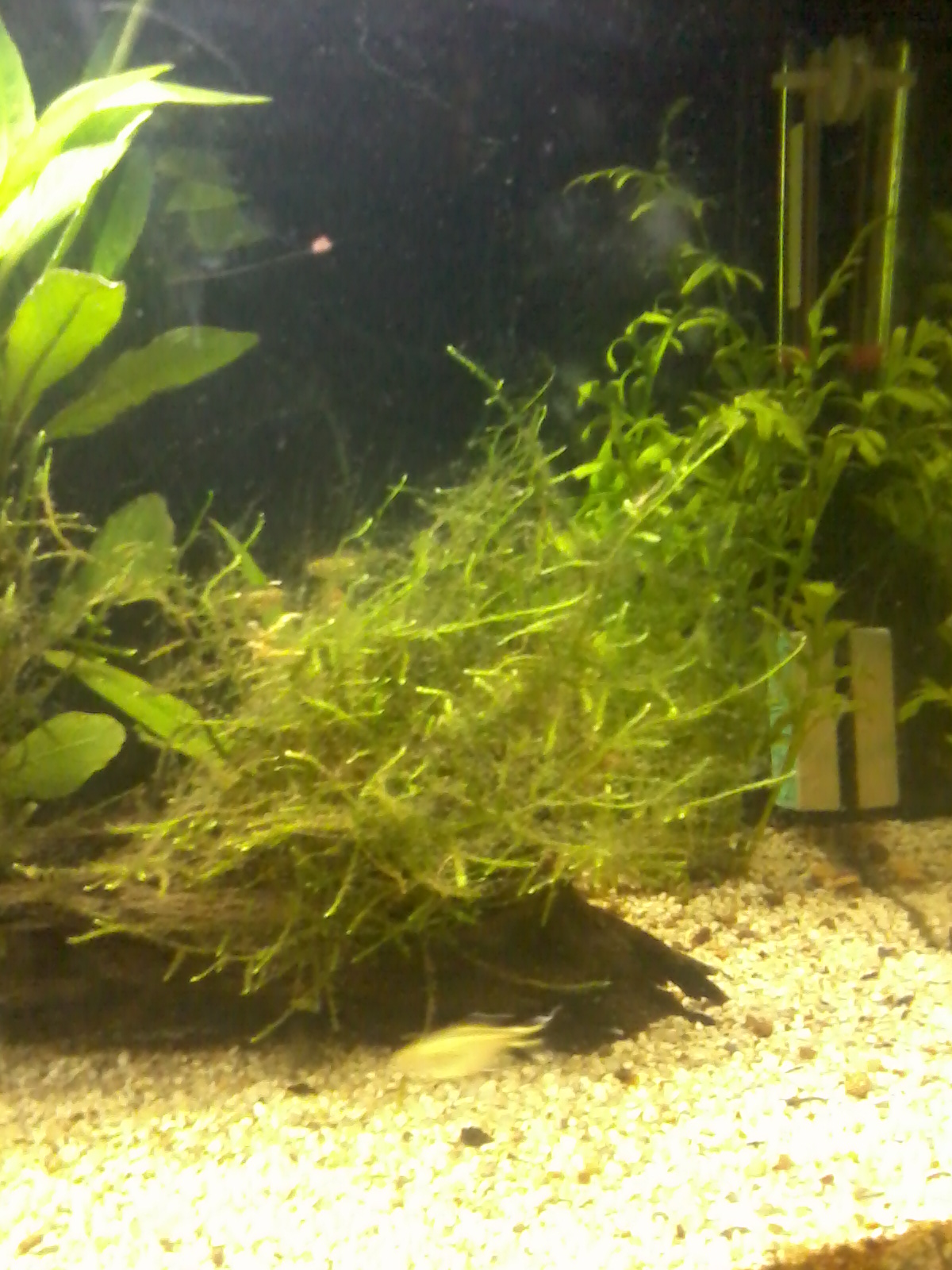
If you ask experienced shrimp keepers what the single best plant for a shrimp tank is, you'll hear the same answer over and over: moss.
There's a reason for that. Moss creates a dense network of tiny branches that traps biofilm and microorganisms - the exact food that baby shrimp need to survive their first weeks of life. It provides hiding spots from tankmates, surfaces for grazing, and a place where shrimplets can disappear until they're big enough to venture out.
As one keeper on r/shrimptank put it: "Moss is by far the best plant for shrimp, especially baby shrimp!"
But not all mosses are created equal. Some grow fast and wild, others stay neat and compact. Some need cooler water, others tolerate tropical temps just fine. This guide breaks down the seven best mosses for shrimp tanks and helps you pick the right one for your setup.
Why Moss Is So Important for Shrimp
Before we get into specific types, here's why moss belongs in every shrimp tank:
Biofilm factory. Moss has an enormous surface area relative to its size. All those tiny branches and leaves create the perfect surface for biofilm to develop. Biofilm is the primary food source for baby shrimp and a constant snack for adults.
Shrimplet survival. In a tank without moss, baby shrimp are exposed. Predators (even peaceful fish) will pick them off. Dense moss gives shrimplets a safe zone where they can hide and graze until they grow large enough to explore the tank.
Water quality buffer. Like all plants, moss absorbs nitrates and helps stabilize water parameters. A healthy clump of moss is actively cleaning your water around the clock.
Low maintenance. Most aquarium mosses are genuinely easy to keep. No CO2 injection needed. No special substrate required. Most will grow attached to rocks, driftwood, or mesh with nothing more than decent lighting.
Quick Comparison: Best Mosses for Shrimp Tanks
| Moss Type | Growth Rate | Difficulty | Best For | Temperature Range |
|---|---|---|---|---|
| Java Moss | Fast | Beginner | Overall best | 59-86°F (15-30°C) |
| Christmas Moss | Moderate | Beginner | Neat appearance | 65-82°F (18-28°C) |
| Flame Moss | Slow | Beginner | Vertical accent | 68-84°F (20-29°C) |
| Weeping Moss | Moderate | Beginner | Hanging effect | 59-82°F (15-28°C) |
| Taiwan Moss | Moderate | Intermediate | Cooler tanks | 59-77°F (15-25°C) |
| Spiky Moss | Slow | Beginner | Textured look | 59-82°F (15-28°C) |
| Subwassertang | Moderate | Beginner | Unique look | 64-82°F (18-28°C) |
1. Java Moss - The Gold Standard
Scientific name: Taxiphyllum barbieri
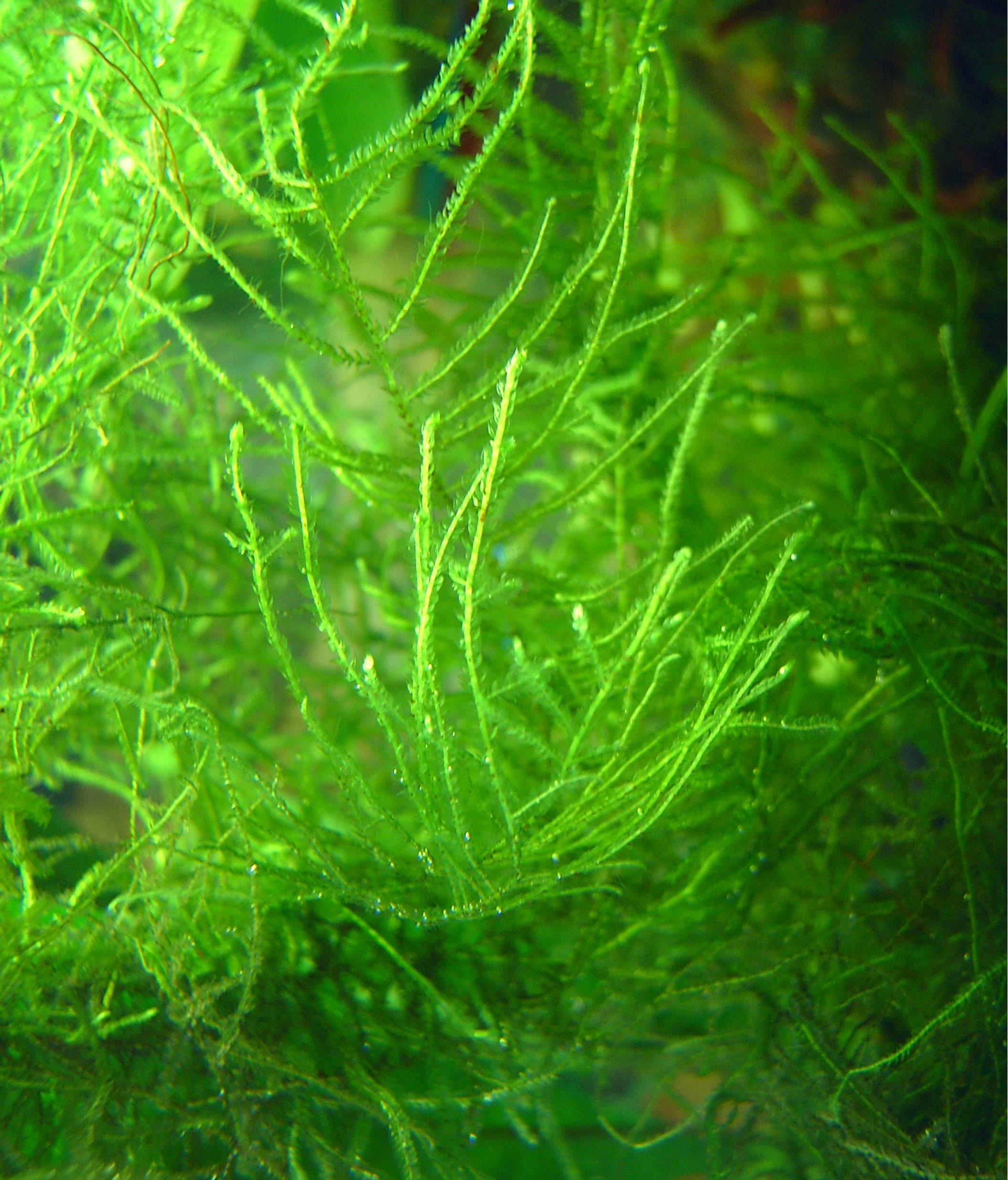
Java moss is the most popular aquarium moss in the world, and for good reason. It grows in almost any conditions, attaches to nearly any surface, and creates a dense mat that shrimp love.
Why shrimp keepers love it:
- •Grows fast enough to provide cover quickly
- •Tolerates a huge temperature range (59-86°F)
- •Thrives in low light without CO2
- •Creates thick mats perfect for biofilm development
- •Cheap and widely available
The downsides:
- •Can look messy if you don't trim it regularly
- •Grows so fast it can take over a tank
- •Tends to trap debris in its dense growth
As one Reddit user noted in r/shrimptank: "Fill a tank with Christmas or Java moss and you will never be able to stop the skramp."
That's not an exaggeration. Java moss provides so many hiding spots and so much biofilm that shrimp colonies tend to explode once it's established.
Care tips:
- •Attach to driftwood or rocks with cotton thread or super glue gel
- •Trim every 2-3 weeks to prevent it from getting too thick
- •Rinse occasionally to remove trapped debris
- •Works in virtually any water parameters
Best product: Java Moss Portion - Look for golf ball-sized portions from reputable sellers.
◆Recommended Products for Java Moss
- •Aquarium Super Glue Gel - For attaching moss to hardscape
- •Stainless Steel Mesh Pads - Create moss walls or carpets
- •Aquascaping Scissors - Essential for trimming
2. Christmas Moss - The Pretty One
Scientific name: Vesicularia montagnei
Christmas moss gets its name from its growth pattern: the fronds branch out in a triangular shape that looks like tiny Christmas trees. It's the moss most shrimp keepers recommend when you want something that looks more intentional than Java moss's wild growth.
Why shrimp keepers love it:
- •Beautiful, structured growth pattern
- •Dense enough for baby shrimp to hide in
- •Stays neater than Java moss with less trimming
- •Great biofilm surface area
One keeper on r/shrimptank shared: "MOSS is mandatory imo. Any moss will work but my fav is Christmas moss."
The downsides:
- •Grows slower than Java moss
- •Slightly more expensive
- •Prefers slightly cooler water (under 82°F)
Care tips:
- •Attaches well to flat surfaces like rocks and driftwood
- •Looks best when tied down flat so the "Christmas tree" fronds can grow upward
- •Moderate lighting brings out the best color
- •Benefits from occasional liquid fertilizer
Best product: Christmas Moss Portion
3. Flame Moss - The Vertical Accent
Scientific name: Taxiphyllum sp. 'Flame'
Flame moss grows upward in tight, twisted columns that look like green flames. It's one of the most visually striking aquarium mosses and creates an interesting contrast when paired with horizontally growing mosses.
Why shrimp keepers love it:
- •Unique upward growth pattern
- •Stays compact and doesn't spread as aggressively
- •Creates vertical hiding spots
- •Doesn't need trimming as often
The downsides:
- •Slowest growing moss on this list
- •Can be harder to find
- •Takes time to establish
Care tips:
- •Attach to vertical surfaces or the tops of rocks for the best visual effect
- •Low to moderate light is fine
- •Don't bury it - it needs water flow around the base
- •Patience is key; it takes weeks to start looking good
Best product: Flame Moss Portion
4. Weeping Moss - The Cascading Look
Scientific name: Vesicularia ferriei
Weeping moss grows downward, creating a cascading "weeping willow" effect. When attached to elevated hardscape, it drapes down beautifully and provides excellent cover for shrimp underneath.
Why shrimp keepers love it:
- •Stunning visual effect on elevated driftwood
- •Creates natural "curtains" that shrimp love to hide behind
- •Moderate growth rate - not as aggressive as Java moss
- •Works well in low-tech setups
The downsides:
- •Needs to be elevated to show its weeping growth habit
- •Can look stringy if lighting is too low
- •Less widely available than Java or Christmas moss
Care tips:
- •Attach to branches or elevated rocks so it can hang down
- •Moderate lighting helps it develop its signature drooping shape
- •Trim the bottom edges if it grows too long
- •Avoid burying the base
Best product: Weeping Moss
5. Taiwan Moss - The Cool Water Specialist
Scientific name: Taxiphyllum alternans
Taiwan moss is similar to Java moss but with a more structured, fern-like growth pattern. It's a great choice if your tank stays on the cooler side, as it actually prefers temperatures below 77°F.
Why shrimp keepers love it:
- •Beautiful, orderly growth pattern
- •Perfect for unheated shrimp tanks
- •Dense enough for great biofilm development
- •More refined look than Java moss
The downsides:
- •Doesn't tolerate warm water well (struggles above 77°F)
- •Slower growth than Java moss
- •Can be confused with other mosses when purchasing
Care tips:
- •Keep water below 77°F for best results
- •Low to moderate lighting
- •Great for Neocaridina tanks kept at room temperature
- •Attach to hardscape with thread or glue
6. Spiky Moss - The Textured Option
Scientific name: Taxiphyllum sp. 'Spiky'
Spiky moss looks similar to Christmas moss but with slightly more pointed, angular fronds. It creates a textured, almost spiky appearance that adds visual interest to any shrimp tank.
Why shrimp keepers love it:
- •Interesting texture different from other mosses
- •Stays relatively compact
- •Good biofilm surface
- •Easy to maintain once established
The downsides:
- •Often confused with Christmas moss at point of sale
- •Slow growing
- •Less commonly available
Care tips:
- •Attach to flat rocks or driftwood
- •Moderate lighting works best
- •Similar care requirements to Christmas moss
- •Trim sparingly since it grows slowly
7. Subwassertang - The Oddball Pick
Scientific name: Lomariopsis lineata
Technically, Subwassertang isn't a moss at all. It's a fern gametophyte that looks and behaves like a moss. It grows in round, lobed shapes that form dense floating or anchored clusters. Shrimp keepers on r/shrimptank frequently mention it alongside traditional mosses.
Why shrimp keepers love it:
- •Unique, almost alien appearance
- •Forms dense clusters perfect for hiding shrimplets
- •Floats or sinks, giving you placement flexibility
- •Great biofilm development on its rounded surfaces
The downsides:
- •Not technically a moss (if that bothers you)
- •Can break apart easily when handling
- •Floats unless weighted down or tucked into hardscape
Care tips:
- •Tuck into crevices in driftwood or rocks
- •Can be left floating for a natural look
- •Low light is perfectly fine
- •Handle gently to avoid breaking it apart
Best product: Subwassertang Portion
Christmas Moss vs Java Moss for Shrimp
This is the matchup most beginners agonize over, so here's the straight answer: for a first shrimp tank, pick Java moss. For a tank you want to look polished, pick Christmas moss. Both are completely shrimp-safe and both grow biofilm your shrimp will graze on all day.
Java moss is the workhorse. It grows fast, tolerates almost any temperature or lighting, and forgives neglect. It does sprawl into a wild, messy tangle, but shrimp and shrimplets love that dense cover, and it's nearly impossible to kill.
Christmas moss grows slower and a bit fussier, but it forms those neat, layered "fir branch" fronds that look great draped over driftwood. It wants slightly more light and a little flow to keep its shape.
If your priority is a thriving, breeding colony with zero hassle, Java moss wins. If you care about aquascaping and don't mind trimming, Christmas moss is worth the extra effort. Many shrimp keepers end up running both.
How to Attach Moss to Hardscape
Getting moss to stay put is half the battle. Here are the most common methods:
◆Super Glue Gel Method
The fastest option. Use aquarium-safe super glue gel (cyanoacrylate) to dab small amounts on your rock or driftwood, then press the moss onto it. The glue cures instantly in water and is completely shrimp-safe once dried.
Pro tip: Use gel, not liquid. Liquid super glue runs everywhere. Gel stays where you put it.
◆Cotton Thread Method
Wrap cotton thread around the moss and hardscape to hold it in place. Over 2-4 weeks, the moss will attach naturally with tiny root-like structures called rhizoids. The cotton eventually dissolves, leaving a clean attachment.
◆Fishing Line Method
Same concept as cotton thread, but fishing line doesn't dissolve. This means a permanent hold, but you might see the line if you don't wrap it carefully. Dark fishing line is less visible.
◆Mesh Method (For Moss Walls and Carpets)
Sandwich moss between two pieces of stainless steel mesh, then attach the mesh to the back wall or lay it on the substrate. The moss grows through the holes and creates a solid wall or carpet. This is the best method for creating a moss wall.
Moss Care and Maintenance
◆Lighting
Most aquarium mosses do well in low to moderate light (20-40 PAR). Too much light encourages algae growth on the moss, which can smother it. If you're running high light for other plants, consider placing moss in shaded areas of the tank.
◆Fertilization
Moss is not demanding. It pulls nutrients from the water column, so a basic liquid fertilizer once a week is more than enough. Many shrimp keepers skip fertilizer entirely and their moss does fine.
◆Trimming
This is the big one. Left alone, moss (especially Java moss) will grow into a tangled mess that traps debris and reduces water flow. Trim it every 2-4 weeks to keep it looking good and to prevent dead spots in the center of thick clumps.
How to trim: Use sharp aquascaping scissors. Cut sections, then use a net to catch the floating trimmings before they spread everywhere. Any piece of moss left in the tank will eventually grow into a new clump.
◆Dealing with Algae on Moss
Algae growing on moss is a common problem, especially in newer tanks. Reduce lighting duration (6-8 hours per day), add fast-growing floating plants to compete for nutrients, and consider adding Amano shrimp - they're the best algae-eating shrimp and will clean moss better than anything else.
Which Moss Should You Choose?
Here's a quick decision guide:
You're a total beginner: Java Moss. It's nearly impossible to kill, grows fast, and your shrimp will love it immediately.
You want something that looks nice without much work: Christmas Moss. The structured growth pattern means less trimming and a more intentional appearance.
You want a unique look: Flame Moss for vertical accents, Weeping Moss for cascading effects, or Subwassertang for something completely different.
Your tank stays cool (under 77°F): Taiwan Moss is specifically adapted to cooler temperatures.
You want to mix and match: Many experienced keepers use 2-3 types together. Java moss on the substrate, Christmas moss on rocks, and Weeping moss hanging from elevated driftwood creates layers of texture that shrimp love to explore.
Where to Buy Aquarium Moss
Online retailers are usually the best bet for variety and quality:
- •Amazon live plants section - Wide selection, check seller reviews
- •BucePlant - Premium quality, great for less common varieties
- •Aquarium Co-Op - Reliable, but limited moss selection
Local fish stores often carry Java moss and sometimes Christmas moss. The advantage is you can see the moss in person and avoid shipping stress.
Other hobbyists on r/AquaSwap are a great source. You'll often get better quality and better prices from fellow hobbyists who are trimming their established tanks.
Common Mistakes with Aquarium Moss
Planting it in substrate. Moss doesn't have roots. Burying it in gravel or soil will cause the buried portion to rot. Always attach it to hardscape or mesh above the substrate.
Too much light. More light means more algae, not necessarily more moss growth. Keep lighting moderate and limit the photoperiod to 6-8 hours.
Never trimming. Dense moss clumps can develop dead brown centers where light and water flow can't reach. Regular trimming keeps the whole clump healthy.
Skipping the quarantine. Moss from stores and online sellers can carry hitchhikers like pest snails, planaria, or hydra. Quarantine new moss for a week in a separate container before adding it to your shrimp tank.
Final Thoughts
Every shrimp tank benefits from moss. It's the closest thing to a "must-have" plant in the hobby. Whether you go with the bulletproof reliability of Java moss or the refined look of Christmas moss, your shrimp will thank you with a thriving, breeding colony.
Start with one type, get it established, and then experiment with others. Before long, you'll probably end up with a tank that's more moss than water - and your shrimp will be all the happier for it.
Looking to set up the perfect shrimp tank? Check out our Complete Shrimp Tank Setup Guide and Best Plants for Shrimp Tanks for more recommendations.
Frequently Asked Questions
◆What is the best moss for shrimp?
Java moss is the most popular and easiest moss for shrimp tanks. It grows in almost any conditions, provides excellent hiding spots for baby shrimp, and accumulates biofilm that shrimp love to graze on. It's also widely available and affordable.
◆Does moss help baby shrimp survive?
Moss significantly improves baby shrimp survival rates. The dense structure provides hiding spots from predators and traps microorganisms and biofilm that shrimplets feed on. Tanks with moss typically produce larger, healthier colonies.
◆How do you attach moss to driftwood?
Attach moss to driftwood with cotton thread, fishing line, or super glue gel. Cotton thread dissolves over time as the moss attaches naturally. Super glue gel (cyanoacrylate) is aquarium-safe and gives instant results.
◆Does moss need CO2 injection?
Most mosses grow fine without CO2 injection. Java moss, Christmas moss, and flame moss all do well in low-tech setups with just basic lighting. CO2 speeds up growth but isn't necessary for healthy moss in a shrimp tank.
◆Do shrimp eat moss?
Shrimp don't really eat the moss itself. What they're after is the biofilm, algae, and tiny microorganisms that collect on the moss surface. The moss acts like a giant feeding mat that traps food and grows a constant film for shrimp to graze, which is exactly why moss is so good for them. Your moss won't get eaten away, it just becomes a 24/7 grazing buffet.
◆What is the best moss for cherry shrimp?
Java moss is the best moss for cherry shrimp. It's hardy, fast-growing, traps loads of biofilm for them to graze, and gives baby shrimp dense cover to hide in. See the Java moss section above for setup details. Christmas moss is a strong second choice if you want a tidier look.
◆Do shrimp like java moss?
Shrimp love java moss. It grows the biofilm they graze on, gives shrimplets safe cover that dramatically improves survival, and creates the dense, natural habitat shrimp colonies thrive in. If you only add one plant to a shrimp tank, java moss is the one.
Found this helpful?
Check out our other shrimp care guides