Best Tank Mates for Cherry Shrimp: 8 Safe Options (And What to Avoid)
📅 Updated February 2026 | 10 min read
So you've got a thriving cherry shrimp colony and you're thinking about adding some tank mates. Maybe you want a little more movement in your tank, or you're tired of looking at algae on the glass. Whatever the reason, picking the wrong tank mate can wipe out your entire shrimp colony overnight.
Here's the thing most guides won't tell you upfront: almost every fish will eat baby shrimp if given the chance. One popular post on r/shrimptank put it bluntly - "anything but an Oto is going to try to eat your fry." That's a bit extreme, but the core message is important. You need to choose carefully.
This guide covers the safest tank mates for cherry shrimp based on real hobbyist experience, not just what looks good on paper. We'll rank them from safest to riskiest, and explain exactly why each one works (or doesn't).
The Golden Rule: Mouth Size Matters
Before we get into specific species, understand this one rule: if a fish can fit a baby shrimp in its mouth, it probably will. Baby cherry shrimp are tiny, around 2mm when born. That's small enough for most fish to snack on.
The safest tank mates fall into three categories:
- •Non-fish invertebrates (snails, other shrimp) - zero predation risk
- •Strict herbivores/algae eaters - they don't view shrimp as food
- •Micro fish with tiny mouths - physically can't eat adult shrimp, and mostly leave babies alone
Your tank setup matters too. A heavily planted tank with lots of moss, hiding spots, and cover gives baby shrimp a fighting chance even with slightly riskier tank mates. A bare tank with nowhere to hide? Even "safe" fish become a problem.
Tier 1: The Safest Tank Mates
◆1. Nerite Snails - The Perfect Shrimp Companion

If you want a zero-risk tank mate that actually earns its keep, nerite snails are the answer. They eat algae like it's their job (because it is), they won't touch your shrimp or shrimp food, and they can't overpopulate your tank because their eggs only hatch in brackish water.
Why they work with shrimp:
- •Completely peaceful - no predation risk at all
- •Different diet than shrimp (they focus on hard surface algae)
- •Won't compete for the same food sources
- •Available in cool patterns like zebra, tiger, and horned varieties
Potential downsides:
- •They lay small white eggs on hard surfaces that won't hatch but look messy
- •They can escape from uncovered tanks
- •They need calcium in the water for healthy shells (your shrimp need this too, so it works out)
A single nerite snail can keep a 10-gallon tank's glass almost spotless. For a shrimp tank, 1-2 nerites is plenty.
Recommended: Nerite Snail Assortment Pack - get a mix of patterns for visual variety.
◆2. Otocinclus Catfish - The Only genuinely "Shrimp Safe" Fish

Ask any experienced shrimp keeper what fish is safe with shrimp, and you'll hear the same answer: otocinclus. These tiny catfish are the one fish that virtually everyone agrees won't bother shrimp at any life stage.
As one r/shrimptank member noted: "Snails and Otos, anything else will eat babies."
Why otos are the gold standard:
- •Strict biofilm and algae diet - they have no interest in shrimp
- •Tiny sucker mouths that physically can't eat shrimp
- •Peaceful, non-territorial behavior
- •They stay small at about 1.5-2 inches (4-5 cm)
- •They actually help keep the tank clean
Important care notes:
- •Otos are sensitive fish that need a mature, cycled tank (at least 3 months old)
- •They're social and should be kept in groups of 4-6 minimum
- •They need biofilm and algae to survive - a brand new tank won't support them
- •Supplement their diet with blanched zucchini or algae wafers
- •They have a reputation for being fragile during shipping, so buy from a good local fish store if possible
Minimum tank size: 10 gallons for a group of 6 otos plus your shrimp colony.
Recommended: Hikari Algae Wafers - great supplemental food for otos that your shrimp will enjoy too.
◆3. Mystery Snails and Ramshorn Snails
Other snail species also make excellent shrimp tank mates. Mystery snails are fun to watch with their long antennae and interesting behaviors (they sometimes float around the tank or crawl along the water surface). Ramshorn snails come in beautiful red, blue, and pink varieties.
Mystery snails:
- •Larger than nerites, growing up to 2 inches
- •Come in gold, blue, ivory, purple, and more
- •They eat leftover food, dead plant matter, and some algae
- •Completely harmless to shrimp of all sizes
- •Can breed in freshwater (you'll get egg clutches above the waterline)
Ramshorn snails:
- •Stay small at about 1 inch
- •Beautiful color varieties
- •Breed readily in freshwater - this can be a pro or con depending on your perspective
- •Great cleanup crew alongside shrimp
Recommended: Malaysian Trumpet Snails - these burrow in substrate and help aerate it, which is great for planted shrimp tanks.
Tier 2: Low Risk (With Some Caveats)
These tank mates work well with cherry shrimp in most situations, but there's a small chance they'll pick off the occasional baby shrimp. In a well-planted tank, your colony should still grow.
◆4. Chili Rasboras (Boraras brigittae)

Chili rasboras are one of the most popular fish choices for shrimp tanks, and for good reason. They're barely bigger than an adult cherry shrimp at around 0.6-0.8 inches (1.5-2 cm). Their mouths are so small that eating anything but the tiniest newborn shrimp is physically difficult.
One r/shrimptank user shared: "Chili rasboras and other relatives in the Boraras genus are fine. They're tiny for one and surface swimmers for two."
Why they work:
- •Among the smallest freshwater fish you can buy
- •Tend to stay in the upper part of the water column
- •Stunning red color that contrasts beautifully with cherry shrimp
- •Peaceful schooling behavior
- •Low bioload
Care requirements:
- •Keep in groups of 8-10 minimum (they're shy fish)
- •Prefer soft, slightly acidic water (pH 6.0-7.0)
- •Temperature: 68-82F (20-28C)
- •Feed small foods like crushed flakes or baby brine shrimp
- •Minimum tank size: 10 gallons for a school with shrimp
The one concern: chili rasboras might occasionally eat a day-old shrimplet if they happen to spot one. But because they're surface-oriented feeders and their mouths are so tiny, the impact on your colony will be minimal. Most keepers report their shrimp colonies still grow with chilis present.
◆5. Ember Tetras (Hyphessobrycon amandae)

Ember tetras are another excellent nano fish option for shrimp tanks. Slightly larger than chili rasboras at about 0.8 inches (2 cm), they add a warm orange glow to planted tanks that looks fantastic alongside red cherry shrimp.
From the r/Aquariums community: "Small mouthed fish, like ember tetras or celestial pearl danios in the tank with a lot of dense planting and hiding places should be fine too. I have ember tetras with neocaridina shrimp."
Why they work:
- •Small mouths relative to body size
- •Peaceful temperament with no aggression toward shrimp
- •Mid-water swimmers that mostly ignore bottom-dwelling shrimp
- •Hardy and beginner-friendly (unlike otos, these are tough fish)
- •Beautiful schooling behavior
Care requirements:
- •Keep in groups of 8-12
- •Temperature: 73-84F (23-29C)
- •pH: 5.5-7.0
- •Feed quality micro pellets or crushed flakes
- •Minimum tank size: 10 gallons
Recommended: Fluval Bug Bites Nano Formula - perfect size for both ember tetras and shrimp.
◆6. Pygmy Corydoras (Corydoras pygmaeus)
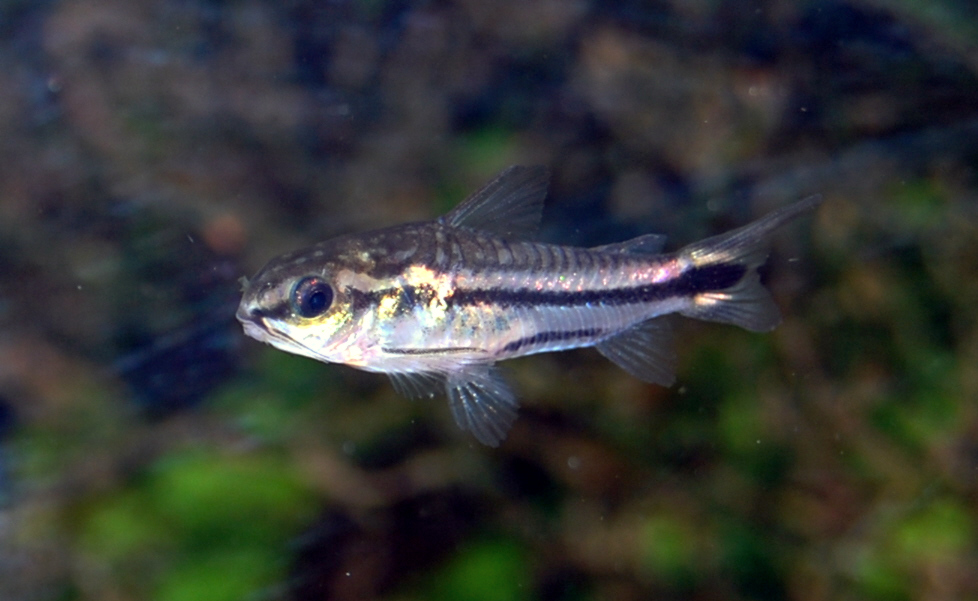
Pygmy corydoras are the tiny cousins of the more common cory catfish, maxing out at about 1 inch (2.5 cm). Unlike their bigger relatives, pygmy cories spend a lot of time swimming in the mid-water column rather than rooting around the bottom, which means less direct interaction with shrimp.
As one hobbyist shared on r/shrimptank: "My pygmy cories and chili rasboras are great buddies with my neocaridina shrimp."
Why they work:
- •Tiny size limits predation risk
- •Peaceful schooling behavior
- •Active and entertaining to watch
- •Compatible water parameters with cherry shrimp
- •Won't compete aggressively for food
Care requirements:
- •Keep in groups of 6-10 (they're very social)
- •Temperature: 72-79F (22-26C)
- •pH: 6.4-7.4
- •Sandy substrate preferred (protects their delicate barbels)
- •Minimum tank size: 10 gallons
One caution: Regular-sized corydoras (like bronze or peppered cories) are NOT the same thing. Those larger species are much more likely to eat baby shrimp. Stick specifically to Corydoras pygmaeus or Corydoras habrosus for shrimp tanks.
Tier 3: Risky But Possible
These tank mates can work in the right conditions but will definitely eat some baby shrimp. Your colony might still sustain itself if you have heavy planting and lots of hiding spots, but don't expect maximum breeding success.
◆7. Endlers Livebearers
Endlers are small, colorful fish that many hobbyists keep with shrimp. They're smaller than guppies at about 1 inch for males, and they breed readily. Some keepers have success with them.
One Redditor reported: "I have a 29 gallon with endlers and neocaridina. Both populations are booming."
Why they can work:
- •Males are very small
- •Active surface feeders
- •Colorful and entertaining
- •Hardy and easy to care for
Why they're risky:
- •Females are larger and more willing to hunt shrimplets
- •They're always hungry and always looking for food
- •In smaller tanks, they'll find most of the baby shrimp
- •They breed fast themselves, increasing the bioload
Best setup for success: 20+ gallon tank, heavy Java moss coverage, and accept that you'll lose some babies. The shrimp colony needs to breed faster than the endlers can eat them.
◆8. Celestial Pearl Danios (CPDs)
Celestial pearl danios (also called galaxy rasboras) are gorgeous nano fish with dark blue bodies covered in pearl-like spots. They max out at about 1 inch and are generally peaceful.
Why they can work:
- •Small mouths
- •Tend to be shy and stay in cover
- •Beautiful fish that complement a planted shrimp tank
- •Generally not aggressive hunters
Why they're risky:
- •More curious about bottom-dwelling creatures than chili rasboras
- •Males can be territorial and nippy with each other
- •They will eat shrimplets they find
- •Can stress shrimp by chasing them during feeding time
What to Avoid
Some fish look small and peaceful but will destroy a shrimp colony. Here's what NOT to put in your shrimp tank:
Guppies and Mollies: Despite their peaceful reputation, these livebearers are relentless shrimp hunters. One frustrated keeper reported: "Don't get mollies, they are cold blooded murderers who can hide the bodies." Another added zebra danios and platys to the list of "actual homicidal maniacs" that "decimated a well established colony of Neocaridina."
Angelfish and Cichlids: Way too large and predatory. They'll eat adult shrimp, not just babies.
Regular-sized tetras: Neon tetras, cardinal tetras, and similar species are big enough to eat shrimplets easily. Some keepers have success with them, but expect significant losses.
Bettas: We have a whole article on this topic. The short version: it's a gamble that depends entirely on the individual betta's personality.
Dwarf Crayfish: Despite what some guides say, dwarf crayfish (like CPOs) can and will catch shrimp, especially during molting when shrimp are vulnerable.
Larger Corydoras: Bronze, peppered, and panda cories are all big enough to eat baby shrimp and have been reported doing so. The original PSA post was actually about dwarf cories that developed a taste for shrimp fry and then started ganging up on adults.
Setting Up a Successful Community Shrimp Tank
If you're going to add any tank mates to your cherry shrimp colony, follow these rules to give your shrimp the best chance:
◆Heavy Planting is Non-Negotiable
Baby shrimp survive by hiding. The more hiding spots you provide, the more babies will make it to adulthood. Essential plants for shrimp tanks include:
- •Java Moss - the single best plant for baby shrimp survival. The dense structure creates a maze that fish can't navigate.
- •Subwassertang - similar to Java moss in providing dense cover
- •Floating plants like frogbit or red root floaters - provides shade and makes fish feel less secure (so they hunt less)
- •Dense stem plants - rotala, ludwigia, or hornwort filling the background
Recommended: Java Moss Portion - stuff this in every corner and crevice of your tank.
◆Tank Size Matters
Don't try to keep fish and shrimp in anything smaller than 10 gallons. Bigger is always better for community tanks because:
- •More space means fewer encounters between fish and baby shrimp
- •Water parameters stay more stable
- •There's room for more hiding spots
- •Less stress on everyone
A 20-gallon long tank is ideal for a shrimp colony with nano fish. The extra floor space (compared to a tall 20-gallon) gives your shrimp more territory.
◆Feed Your Fish Well
Hungry fish are hunting fish. If your nano fish are well-fed, they're less likely to actively seek out shrimplets. Feed small amounts twice a day rather than one big feeding. This keeps fish satisfied and reduces the motivation to forage for live prey.
◆Establish Shrimp First
Always add your shrimp colony first and let them breed for 2-3 months before adding fish. This gives you a large, established population that can absorb some losses from predation. Starting with 20+ shrimp gives you a much better buffer than starting with 10.
◆Provide Shrimp-Only Zones
Create areas in your tank that are difficult for fish to access. Dense moss patches, Cholla wood with small openings, and ceramic shrimp tubes all work. Baby shrimp will naturally gravitate to these protected areas.
Recommended: Cholla Wood for Shrimp - the natural holes create perfect hiding spots for baby shrimp.
The Honest Bottom Line
The safest shrimp tank is a shrimp-only tank with some snails. That's just the reality. Every fish you add introduces some level of risk to your baby shrimp.
But if you want fish in your shrimp tank, it's doable. Stick to otos, nerite snails, and micro fish like chili rasboras or ember tetras. Plant your tank heavily with Java moss. Start with a large, established shrimp colony. And accept that some baby shrimp won't make it - that's natural even in shrimp-only tanks.
The combo that works best for most hobbyists: a 20-gallon planted tank with cherry shrimp, nerite snails, a school of chili rasboras or ember tetras, and a small group of otocinclus. That setup gives you color, movement, algae control, and a thriving shrimp colony all in one tank.
This article contains affiliate links. If you purchase through our links, we may earn a small commission at no extra cost to you. See our affiliate disclosure for details.
Frequently Asked Questions
◆What fish won't eat cherry shrimp?
Otocinclus catfish are the safest fish for shrimp tanks since they only eat algae. Small rasboras, ember tetras, and pygmy corydoras are also relatively safe. Keep in mind that almost all fish will eat baby shrimp if they can catch them.
◆Can snails live with shrimp?
Snails are excellent tankmates for shrimp. Nerite snails, mystery snails, and ramshorn snails all coexist peacefully with shrimp. They won't compete much for food and actually help keep the tank cleaner by eating algae and decaying matter.
◆Will guppies eat cherry shrimp?
Adult guppies generally won't eat adult cherry shrimp, but they'll readily eat baby shrimp. If you want to maintain a breeding colony, guppies aren't ideal tankmates. You'll need lots of dense plants and moss if you try it.
Found this helpful?
Check out our other shrimp care guides