Crystal Red Shrimp Care Guide: Keeping the Iconic CRS
Crystal Red Shrimp need soft, acidic water and careful attention. This guide covers CRS grading, breeding, tank setup, and the parameters that matter most.
📅 Published 2026-02-06
Crystal Red Shrimp are the crown jewels of the freshwater shrimp hobby. With their striking red and white banding pattern, these Japanese-bred beauties have captivated aquarists worldwide since their discovery in the early 1990s. But unlike their beginner-friendly Neocaridina cousins, CRS demand more precise care.

If you've successfully kept cherry shrimp and want to step up your game, Crystal Red Shrimp are the natural next challenge. They require soft, acidic water, stable parameters, and more attention to detail - but the reward is watching one of the most visually stunning invertebrates in the aquarium hobby.
Quick Facts: Crystal Red Shrimp at a Glance
| Attribute | Details |
|---|---|
| Scientific Name | Caridina cantonensis (formerly Caridina cf. cantonensis) |
| Common Names | Crystal Red Shrimp, CRS, Red Bee Shrimp |
| Origin | Japan (selectively bred from wild bee shrimp) |
| Size | 1-1.2 inches (2.5-3 cm) |
| Lifespan | 1.5-2 years |
| Temperature | 68-74°F (20-23°C) |
| pH | 5.8-6.8 |
| GH | 4-6 dGH |
| KH | 0-2 dKH |
| TDS | 100-180 ppm |
| Diet | Omnivore - biofilm, algae, commercial foods |
| Difficulty | Intermediate to Advanced |
| Breeding | Moderate (requires stable soft water) |
The History of Crystal Red Shrimp
Crystal Red Shrimp have a remarkable origin story. In 1991, a Japanese breeder named Hisayasu Suzuki discovered a single red mutation among his population of wild-type black bee shrimp. Rather than dismissing it as an oddity, he selectively bred this red mutation over several generations until he stabilized the red and white coloration we recognize today.
By the late 1990s, CRS had become a sensation in Japan, with high-grade specimens selling for hundreds - even thousands - of dollars. The hobby eventually spread worldwide, and while prices have dropped considerably, top-quality CRS still command premium prices among serious shrimp keepers.
CRS vs CBS: Crystal Red vs Crystal Black
Crystal Red Shrimp share their genetics with Crystal Black Shrimp (CBS). In fact, they're the same species - the only difference is color. The red coloration is a recessive trait, meaning:
- •Cross two CRS together: All offspring are red
- •Cross CRS with CBS: All offspring appear black (but carry red genes)
- •Cross two CRS/CBS hybrids: 25% red, 75% black (Mendelian ratio)
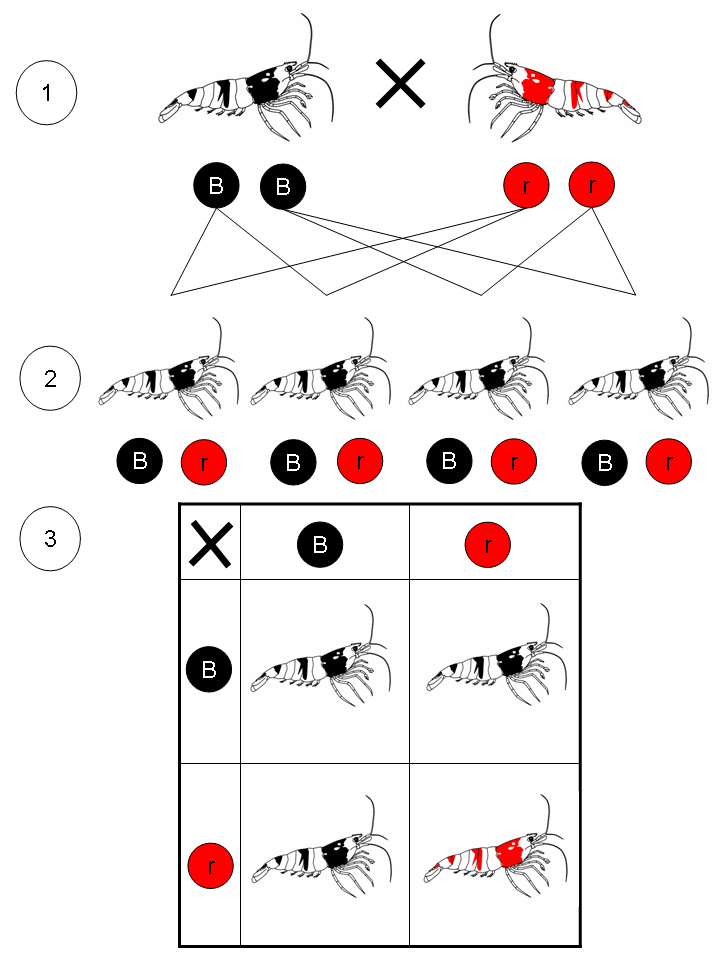
This genetic relationship is why serious breeders keep their CRS lines separate from CBS. If your goal is producing high-quality red offspring consistently, avoid introducing any black bee shrimp to your colony.
Crystal Red Shrimp Grading System
CRS are graded based on the amount, density, and distribution of white coloration. Higher grades have more solid, opaque white and less red. Here's the grading breakdown:
◆Standard Grades (C to A)
| Grade | Description | White Coverage | Price Range |
|---|---|---|---|
| C Grade | Mostly red, thin white bands | 10-20% | $3-5 |
| B Grade | More white, some transparency | 25-35% | $5-8 |
| A Grade | Balanced red/white, solid colors | 40-50% | $8-12 |
◆Premium Grades (S to SSS)
| Grade | Description | White Coverage | Price Range |
|---|---|---|---|
| S Grade | Thick white bands, dense coloration | 50-60% | $12-20 |
| SS Grade | Heavy white coverage, minimal red | 60-75% | $20-35 |
| SSS Grade | Almost entirely white with red accents | 75-90% | $35-60+ |
◆Ultra-Premium Grades
- •Mosura: Named after the famous Japanese monster - high white coverage with distinctive pattern
- •Crown: White coloration extends into the normally-red head area
- •Hinomaru: Single red circle on the back (like the Japanese flag)
As one experienced keeper noted on r/shrimptank: "The CRS line should be stable enough that they will be breeding CRS only. For me, getting PRL is not about avoiding breeding CBS and white shrimps, but more about the better colors you get compared to regular CRS."
PRL (Pure Red Line) refers to CRS bred exclusively from red lines with no black genetics in recent ancestry, producing more consistent red coloration in offspring.
Water Parameters: The Make-or-Break Factor
This is where CRS care differs dramatically from Neocaridina. Crystal Red Shrimp evolved in soft, acidic streams and require very specific water conditions. Getting parameters wrong is the number one cause of CRS deaths.

◆Target Parameters
| Parameter | Ideal Range | Survival Range |
|---|---|---|
| Temperature | 68-72°F (20-22°C) | 64-76°F |
| pH | 6.0-6.5 | 5.5-7.0 |
| GH | 4-6 dGH | 3-8 dGH |
| KH | 0-1 dKH | 0-2 dKH |
| TDS | 100-150 ppm | 80-200 ppm |
| Ammonia | 0 ppm | 0 ppm (critical) |
| Nitrite | 0 ppm | 0 ppm (critical) |
| Nitrate | <10 ppm | <20 ppm |
◆Why Soft Water Matters
CRS require low mineral content (GH/KH) for several reasons:
- •Molting: High mineral content makes exoskeletons too rigid, leading to failed molts
- •Osmoregulation: Their bodies are adapted to low-mineral environments
- •Breeding: Eggs and shrimplets develop best in soft water
As one keeper explained on r/shrimptank: "Bee shrimps typically require 5 or less in both KDH and GDH. If your tap water is more than 10 KDH and GDH, I wouldn't bother."
◆Using RO Water
Most hobbyists use RO (reverse osmosis) water for CRS tanks, then remineralize it to the correct parameters. The process:
- •Start with RO water (0 TDS)
- •Add a GH-only remineralizer like Salty Shrimp GH+
- •Target 100-150 TDS (roughly 4-6 GH)
Important: Use a GH+ remineralizer, NOT GH/KH+. You want zero or near-zero KH - the active soil substrate will handle pH buffering.
One experienced keeper shared their routine on r/shrimptank: "My routine is to make up my RO (like yours, it starts off at around 8ppm from the filter) up to 100ppm with Shrimp King GH+ (with my particular TDS meter this gives a dGH of 5 using the API drop test)."
◆Water Changes and Top-Offs
CRS tanks require a different approach than standard aquariums:
- •Water changes: 10-15% weekly maximum - stability is paramount
- •Top-offs: Always use RO water - evaporation leaves minerals behind
- •Never change more than 20% at once - parameter swings kill CRS
As one breeder cautioned on r/shrimptank: "You really should be topping off with distilled or RO because every top off is just going to concentrate the hardness more and more. With distilled or RO top offs will dilute the minerals."
Tank Setup for Crystal Red Shrimp
◆Tank Size
CRS can be kept in tanks as small as 5 gallons, but we recommend 10 gallons minimum for beginners. Larger tanks provide more stable parameters and more room for error.
◆The Essential Ingredient: Active Substrate
Active (buffering) substrate is virtually mandatory for CRS tanks. These soils:
- •Lower and stabilize pH to 6.0-6.5
- •Absorb excess minerals
- •Provide beneficial bacteria surfaces
- •Support plant growth
Recommended substrates:
- •ADA Amazonia - The gold standard, but requires lengthy cycling (leaches ammonia)
- •Fluval Stratum - Easier to cycle, good buffering capacity
- •SL-Aqua Soil - Popular among Caridina breeders
Warning: Active substrates eventually exhaust their buffering capacity (1-2 years typically). When pH starts rising and won't stay down, it's time to replace the substrate or set up a new tank and transfer shrimp.
◆Filtration
Sponge filters remain the best choice for CRS tanks:
- •Safe for shrimplets
- •Excellent biological filtration
- •Provide grazing surfaces
Our pick: Aquarium Co-Op Coarse Sponge Filter
For air pumps, the Tetra Whisper Air Pump is quiet and reliable.
◆Temperature Control
CRS prefer cooler temperatures than tropical fish - 68-72°F is ideal. Many keepers don't use heaters at all, instead focusing on preventing overheating.
- •Summer: Consider a chiller or cooling fans if room temperature exceeds 76°F
- •Winter: A low-wattage heater set to 68°F provides a safety net
As one breeder noted on r/shrimptank: "I still use a heater but my crystal breeder ran their tanks colder than others and I didn't want to change what worked."
◆Plants and Hardscape
Live plants help maintain water quality and provide grazing surfaces. Good choices for CRS tanks:
- •Java Moss: Essential - provides hiding spots for babies and biofilm surface
- •Bucephalandra: Thrives in low-light, shrimp-safe
- •Anubias: Hardy and provides browsing surfaces
- •Java Fern: Low maintenance
- •Mosses: Christmas moss, flame moss, weeping moss
Avoid high-light, fast-growing plants that require CO2 injection and fertilizers - these can destabilize parameters.
Driftwood and botanicals: Indian almond leaves, alder cones, and cholla wood provide tannins, hiding spots, and biofilm surfaces. They also help maintain acidic conditions.
Feeding Crystal Red Shrimp
CRS have similar dietary needs to other dwarf shrimp but benefit from high-quality foods that support shell development and coloration.
◆Commercial Foods
- •Shrimp King Complete - Balanced daily staple
- •Bacter AE - Promotes biofilm growth
- •Glasgarten Mineral Junkie - Calcium and mineral supplement
◆Natural Foods
- •Blanched vegetables (spinach, zucchini, nettle)
- •Indian almond leaves
- •Mulberry leaves
- •Biofilm (develops naturally on surfaces)
◆Feeding Guidelines
CRS tanks should be mature with established biofilm before adding shrimp. In a well-established tank:
- •Feed 2-3 times per week
- •Remove uneaten food after 2 hours
- •Less is more - overfeeding causes water quality issues
One critical tip from r/shrimptank: "Quit feeding flake food, it's way too fatty for shrimp and will make it harder to molt properly." Stick to shrimp-specific foods.
Breeding Crystal Red Shrimp
CRS breeding is similar to other Caridina species - they give birth to fully-formed miniature shrimp (no larval stage requiring brackish water).

◆Sexing CRS
| Female | Male |
|---|---|
| Larger, rounder body | Smaller, slimmer |
| Curved underbelly | Straight profile |
| Visible saddle behind head | No saddle |
| Longer, fuller tail | Shorter, narrower tail |
◆Breeding Conditions
To encourage breeding:
- •Stable parameters: Any fluctuation can stop breeding
- •Mature tank: 3+ months established minimum
- •Good nutrition: Varied diet with minerals
- •Hiding spots: Moss and plants for security
◆The Breeding Process
- •Females develop a yellow/orange saddle (eggs developing in ovaries)
- •Female molts and releases pheromones
- •Males swarm and mate occurs within hours
- •Female carries 20-30 eggs under her tail for 28-30 days
- •Fully-formed shrimplets emerge
◆Common Breeding Problems
Shrimp not breeding despite good parameters?
One keeper got this advice on r/shrimptank: "Next off I'd say quit doing water changes and only do top offs (if possible try buying RO water at a local fish shop). The waste levels should be fine with a heavy plant load like you have. This will help with keeping parameters stable."
Cold water top-offs can also trigger breeding by simulating a rainy season.
◆Improving Grade Quality
To maintain or improve grades in your colony:
- •Cull low-grade offspring to a separate tank
- •Select best specimens for your main breeding colony
- •Avoid mixing with CBS unless you understand the genetics
- •Keep lines separate - don't introduce unknown genetics
Tank Mates: Keep it Simple
CRS do best in species-only tanks. If you must have tank mates:
◆Safe Options
- •Otocinclus: Won't bother shrimp, help with algae
- •Snails: Nerite, ramshorn - fine companions
- •Other Caridina: Taiwan bees, CBS (but beware color mixing)
◆Avoid
- •Fish: Even small, peaceful fish will eat babies
- •Neocaridina: Different parameter requirements - don't mix
- •Crayfish: Will hunt and eat shrimp
- •Large snails: Mystery snails may crush babies
Common Problems and Solutions
◆Deaths After Purchase
The most common CRS killer is acclimation shock. These shrimp cannot tolerate sudden parameter changes.
Solution: Drip acclimate for 2-4 hours minimum. Match the seller's parameters as closely as possible - ask before buying what TDS and pH they keep their shrimp at.
◆Failed Molts
CRS are sensitive to mineral imbalances:
- •White ring of death: Horizontal white line around body = failed molt in progress
- •Stuck in old shell: Often fatal
Solutions:
- •Ensure GH is 4-6 (provides calcium/magnesium)
- •Add mineral supplements
- •Keep parameters rock stable
- •Avoid sudden temperature changes
◆Color Fading or Transparency
Low-grade genetics, stress, or poor nutrition can cause color issues.
Solutions:
- •Cull low-grade shrimp from breeding population
- •Reduce stress (hiding spots, stable parameters)
- •Provide color-enhancing foods
- •Dark substrate improves visual contrast
◆Sudden Population Crashes
If shrimp die suddenly en masse:
- •Check parameters immediately (ammonia/nitrite spikes)
- •Test for contamination (copper, pesticides, air fresheners)
- •Verify water temperature (overheating is common in summer)
- •Substrate exhaustion - if pH is rising above 7.0, substrate buffering is failing
Are Crystal Red Shrimp Hard to Keep?
This is the question every beginner asks. The honest answer: they're harder than Neocaridina, but not as difficult as their reputation suggests.
The key differences from cherry shrimp:
- •Water requirements: Soft, acidic water is non-negotiable
- •Stability: Parameters must remain rock-solid
- •Setup cost: RO system, active substrate, and specialized foods add up
- •Patience: Tanks need 2-3 months minimum to mature before adding shrimp
If you can commit to:
- •Using RO water and remineralizing properly
- •Testing parameters weekly
- •Maintaining stable conditions
- •Not overstocking or overfeeding
...then CRS are achievable for hobbyists with some experience.
As one keeper summed it up on r/shrimptank: "Care is the same as for neos. Setup, water and temperature are different - make them to species requirements."
Essential Equipment Checklist
Here's everything you need for a successful CRS tank:
Required:
- •10+ gallon tank
- •Active buffering substrate
- •Sponge filter + air pump
- •RO/DI water system (or buy RO water locally)
- •GH+ remineralizer
- •TDS meter
- •GH/KH test kit
- •Java moss and plants
Recommended:
- •Chiller or cooling fans (for warm climates)
- •Indian almond leaves
- •Quality shrimp food
- •Bacter AE for biofilm
Final Thoughts: Should You Keep Crystal Red Shrimp?
Crystal Red Shrimp are perfect for:
- •Hobbyists who've mastered Neocaridina and want a challenge
- •Aquascapers looking for stunning, eye-catching invertebrates
- •Breeders interested in selective breeding and genetics
- •Anyone willing to invest in proper setup and maintenance
They're not ideal if:
- •You're completely new to shrimp keeping
- •You want low-maintenance pets
- •Your tap water is very hard (unless you're committed to RO)
- •You can't maintain stable conditions
The Crystal Red Shrimp hobby can be rewarding. There's nothing quite like watching a colony of high-grade CRS grazing on moss in a beautifully aquascaped tank. The learning curve is steeper than with cherry shrimp, but once you dial in your parameters and establish a breeding colony, they're not significantly harder to maintain.
Start with mid-grade CRS (they're more forgiving), get your parameters stable, and upgrade to higher grades as your skills improve. The shrimp hobby is all about patience - and CRS will teach you that lesson well.
Ready to learn more? Check out our Shrimp Water Parameters Guide for detailed information on testing and maintaining ideal conditions, or our How to Cycle a Shrimp Tank guide to properly prepare your tank before adding CRS.
Frequently Asked Questions
◆Are crystal red shrimp hard to keep?
Crystal red shrimp are more demanding than Neocaridina species. They need soft, acidic water (pH 5.8-6.8, GH 4-6), active buffering substrate, and stable parameters. They're not ideal for beginners but are manageable with research and proper equipment.
◆What substrate do crystal red shrimp need?
Crystal red shrimp need active buffering substrate like ADA Amazonia or similar soil that lowers pH and softens water. Inert substrates won't provide the acidic conditions CRS require. The substrate will eventually stop buffering and need replacement.
◆Can crystal red shrimp live with cherry shrimp?
You can house CRS and cherry shrimp together since they won't interbreed (different species). However, they prefer different water parameters. Cherry shrimp like harder, more alkaline water while CRS need soft, acidic conditions.
◆What is the grading system for crystal red shrimp?
CRS are graded from C (lowest) to SSS (highest) based on the ratio of white to red coloring. Higher grades like SS and SSS have more white coverage and sharper, more defined patterns. Higher grades are more expensive and often more delicate.
Found this helpful?
Check out our other shrimp care guides