Do Shrimp Need a Heater? Temperature Guide for Shrimp Tanks
Last updated: February 2026 | 8 min read
One of the most common questions new shrimp keepers ask is whether they need a heater. The short answer: it depends on your room temperature and what species you're keeping. Many shrimp do perfectly fine without one, but there are situations where a heater becomes essential.
Let's break down exactly when you need a heater, when you don't, and how to pick the right one for your shrimp tank.
The Quick Answer by Species
Different shrimp species have different temperature needs:
| Species | Ideal Range | Heater Needed? |
|---|---|---|
| Cherry Shrimp (Neocaridina) | 65-78°F (18-26°C) | Usually no |
| Amano Shrimp | 64-80°F (18-27°C) | Usually no |
| Ghost Shrimp | 65-80°F (18-27°C) | Usually no |
| Crystal Red/Black Shrimp (Caridina) | 68-74°F (20-23°C) | Sometimes |
| Sulawesi Shrimp | 78-84°F (26-29°C) | Yes, always |
| Bamboo Shrimp | 72-82°F (22-28°C) | Sometimes |
Neocaridina shrimp (cherries, blue velvets, yellows) are the most forgiving. If your room stays between 65-78°F year-round, you probably don't need a heater at all.
Caridina shrimp (crystal reds, Taiwan bees) prefer cooler, more stable temperatures. A heater set low can actually help prevent swings rather than warming things up.
Sulawesi shrimp are the exception. They need warm water (around 80°F) and almost always require a heater unless you live somewhere tropical.
Why Temperature Stability Matters More Than the Number
Here's something experienced keepers agree on: shrimp care more about stability than hitting a specific number. A tank that sits steady at 72°F will produce healthier shrimp than one that bounces between 68°F and 76°F throughout the day.
As one keeper on r/shrimptank put it: "They are adaptable to different temperatures. They just like stability over everything else."
Temperature swings cause stress, failed molts, and can trigger the dreaded white ring of death. When a shrimp's body tries to adjust to rapidly changing conditions, molting becomes dangerous. The exoskeleton may not form properly, leaving a white band around the body that often leads to death.
When You Don't Need a Heater
You can skip the heater if:
- •
Your room temperature stays between 65-76°F consistently. This covers the comfort zone for most Neocaridina and Amano shrimp. If your home has central heating and cooling, you're probably fine.
- •
Temperature swings are minimal. If your house only varies 2-3 degrees throughout the day, that's perfectly acceptable. Shrimp handle gradual, small changes without issue.
- •
You're keeping Neocaridina species. Cherry shrimp, blue velvets, and other Neocaridina varieties are the toughest when it comes to temperature tolerance. They'll breed at room temp in most climates.
- •
Your tank is large enough. Bigger tanks resist temperature changes better than small ones. A 10-gallon tank will stay more stable than a 5-gallon through the day.
Many experienced shrimp keepers run their tanks without heaters. One Reddit thread compared heated vs. unheated tanks: "In the heated one shrimp definitely grow faster and larger than the unheated tank, but both seem fine as far as overall colony health."
When You Definitely Need a Heater
Get a heater if any of these apply:
◆Your Room Gets Cold in Winter
If your house drops below 65°F at night or during winter months, your shrimp will struggle. Temperatures below 60°F can be lethal for most species. This is especially common in:
- •Homes without central heating
- •Basements or garages where tanks are kept
- •Rooms with poor insulation
- •Houses where the thermostat gets turned way down at night
◆Your Tank Is Near a Window or Exterior Wall
These spots get the biggest temperature swings. A tank near a window might warm up during the day from sunlight and drop significantly at night. That swing is what kills shrimp, not the cold itself.
◆You're Keeping Caridina or Sulawesi Species
Crystal Red Shrimp, Taiwan Bee Shrimp, and especially Sulawesi shrimp need tighter temperature control. Even if your room is warm enough, a heater set to 72-74°F provides a safety net against unexpected drops.
◆You Have a Small Tank
Nano tanks (under 5 gallons) are terrible at holding temperature. The small water volume changes temperature almost as fast as the air around it. A small heater can make a big difference in stability.
How Temperature Affects Shrimp Behavior
Understanding what temperature does to your shrimp helps you decide what's right for your setup:
Warmer water (74-78°F):
- •Faster metabolism and growth
- •More active breeding
- •Higher food consumption
- •Shorter lifespan (faster aging)
- •Higher oxygen demand
Cooler water (65-72°F):
- •Slower metabolism
- •Less frequent breeding
- •Longer individual lifespan
- •Lower oxygen demand
- •More disease resistance
There's a real tradeoff here. Warmer tanks produce babies faster, but individual shrimp don't live as long. Cooler tanks mean slower colony growth but healthier, longer-lived shrimp. Most keepers find that 72-74°F hits the sweet spot for Neocaridina.
As one keeper noted: "They don't do well with heat, 80°F is their limit, and in years past we've seen folks not have breeding with heaters too high. They do great in room temps, and down to 60."
Choosing the Right Heater for a Shrimp Tank
If you've decided you need a heater, picking the right one matters. Shrimp tanks have specific requirements that differ from typical fish setups.
◆Adjustable vs. Preset Heaters
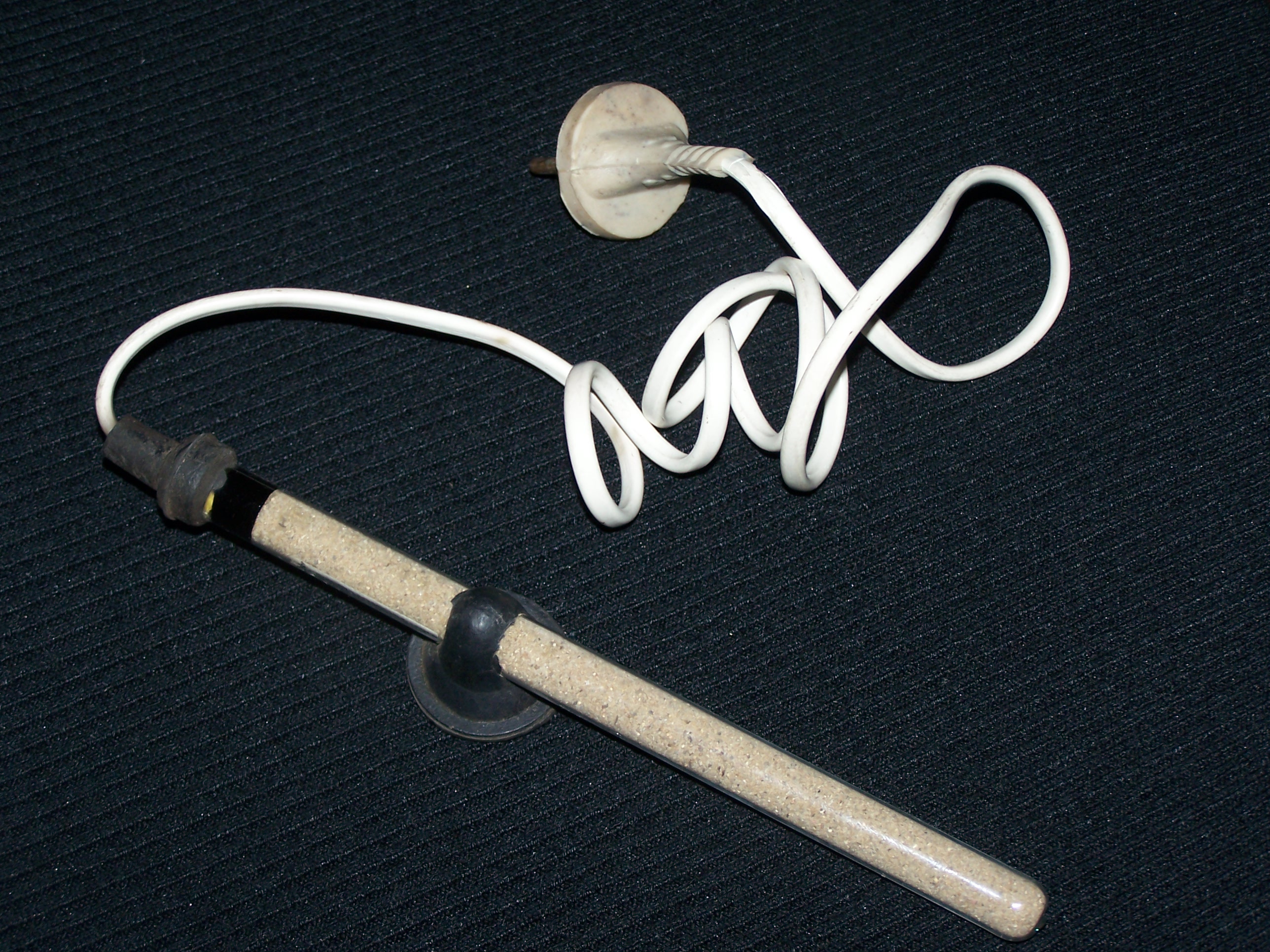
Always go adjustable. Preset heaters are typically locked at 78°F, which is too warm for most shrimp. An adjustable heater lets you dial in exactly 72-74°F, which is ideal for the majority of species.
Preset heaters also can't be turned down if your room warms up seasonally. With an adjustable model, you can lower the setting in summer and raise it in winter.
◆Sizing Your Heater
The general rule is 3-5 watts per gallon, but for shrimp tanks you want to go on the lower end. An oversized heater can overshoot the target temperature before the thermostat kicks in, and that spike can stress your shrimp.
| Tank Size | Recommended Wattage |
|---|---|
| 5 gallon | 25W |
| 10 gallon | 50W |
| 20 gallon | 75-100W |
| 30+ gallon | 100-150W |
◆Best Heaters for Shrimp Tanks
Here are solid options by tank size:
For nano tanks (5-10 gallons):
The Cobalt Aquatics Neo-Therm 25W is a top pick for small shrimp tanks. It's flat, accurate to within 0.5°F, and has a built-in LED that shows green when heating and red at set point. The slim profile takes up minimal space.
For a budget option, the Hygger 50W Mini Heater works well for 10-gallon setups. It has an external temperature controller, which means you can adjust it without reaching into the tank.
For medium tanks (10-20 gallons):
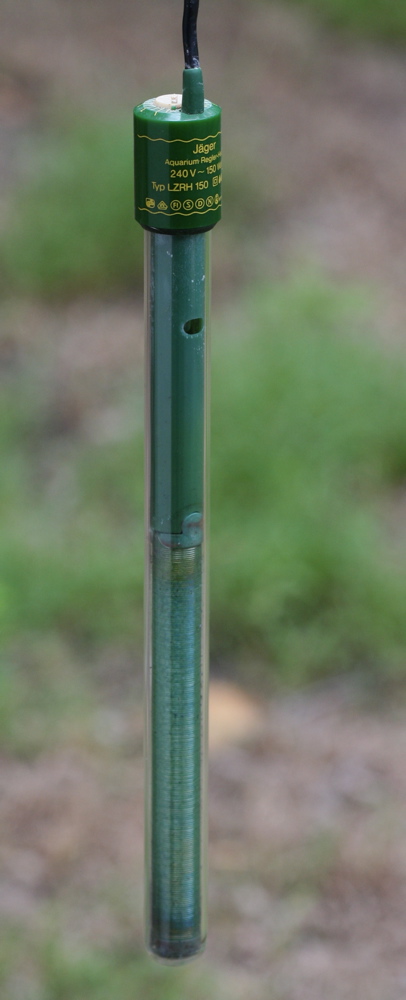
The Eheim Jager 50W is a proven workhorse. German-made, accurate, and built to last. The fully submersible glass body is easy to hide behind plants or hardscape.
For larger setups (20+ gallons):
The Eheim Jager 100W scales up nicely for bigger tanks. Same reliability as the 50W, just more heating power.
◆Heater Safety Tips
Shrimp can get burned by heaters, so take precautions:
- •Use a heater guard if your heater doesn't have one built in. Shrimp love to climb on everything, including heaters. A guard prevents direct contact with the hot glass.
- •Place the heater near water flow. Position it near your filter output or sponge filter so heated water circulates evenly. Stagnant pockets of warm water near the heater create hot spots.
- •Get a separate thermometer. Don't rely on the heater's built-in thermostat alone. A digital thermometer gives you an independent reading so you know the heater is working correctly.
- •Unplug before water changes. Exposing a hot heater to air can crack the glass. Always unplug 10-15 minutes before dropping the water level.
What About Cooling?
In summer, overheating is actually a bigger concern than cold for most shrimp keepers. Temperatures above 80°F stress Neocaridina, and above 78°F is dangerous for Caridina.
Ways to cool your shrimp tank:
- •Clip-on fans pointed at the water surface increase evaporation and can drop temps 3-5°F
- •Remove the lid to allow heat to escape (watch for jumpers if you keep fish)
- •Float ice packs wrapped in a bag for emergency cooling (don't add ice directly)
- •Move the tank away from windows and direct sunlight
- •Run an air stone to increase surface agitation and gas exchange
For Caridina keepers in warm climates, an aquarium chiller might be worth the investment. They're pricey but provide precise temperature control year-round.
Monitoring Temperature
Whatever you decide about a heater, monitoring your tank temperature is non-negotiable. You need to know what's happening in your tank before problems arise.
Best options for shrimp tanks:
- •Stick-on LCD thermometers are cheap and always visible, but only accurate to about 2°F
- •Digital probe thermometers are more accurate and some record min/max readings over 24 hours
- •Glass floating thermometers work well but can be hard to read and break easily
The Inkbird Digital Thermometer is popular with shrimp keepers because it records the high and low temperatures over time. This tells you exactly how much your tank fluctuates, which is more useful than a single snapshot.
Common Temperature Mistakes
Running the heater too high. The biggest mistake beginners make is setting the heater to 78-80°F because that's what they used for tropical fish. Most shrimp prefer it cooler. Start at 72°F and adjust from there.
No thermometer at all. "My room feels warm enough" isn't good enough. Rooms and tanks don't always match, and small tanks can swing more than you'd expect.
Placing the tank in direct sunlight. Even in winter, a tank near a sunny window can spike to dangerous temperatures during the day and crash at night.
Forgetting seasonal changes. Your tank that was perfect in spring might overheat in summer or freeze in winter. Check your thermometer regularly and adjust as the seasons shift.
Using a heater that's too powerful. A 100W heater in a 5-gallon tank will overshoot constantly. Match your heater size to your tank.
The Bottom Line
Most shrimp keepers running Neocaridina species in climate-controlled homes don't need a heater. If your room stays between 65-76°F with minimal swings, save your money.
But if you deal with cold winters, temperature swings, small tanks, or sensitive species like Caridina or Sulawesi shrimp, a good adjustable heater is a worthwhile investment. It's cheap insurance against failed molts and stressed colonies.
Either way, get a thermometer. Know what your tank temperature actually is, not what you think it is. Temperature stability is the single most important factor, and you can't manage what you don't measure.
Related Articles
- •Shrimp Water Parameters Guide - Complete breakdown of pH, GH, KH, and TDS
- •Why Are My Shrimp Dying? - Troubleshoot common causes
- •Shrimp Molting Guide - Prevent white ring of death and failed molts
- •Complete Shrimp Tank Setup Guide - Everything you need to get started
- •Cherry Shrimp Care Guide - Full care guide for the most popular species
Frequently Asked Questions
◆What temperature do shrimp need?
Most popular shrimp species thrive between 68-78°F (20-26°C). Cherry shrimp and other Neocaridina prefer 68-74°F, while some Caridina species do better at 70-76°F. Consistency matters more than hitting a specific target.
◆Can shrimp survive in cold water?
Many Neocaridina shrimp can survive in water as cool as 60°F temporarily, but they'll stop breeding and become less active. Prolonged cold exposure weakens their immune systems. A stable temperature in the low 70s is ideal.
◆What happens if a shrimp tank gets too warm?
Water above 80°F holds less dissolved oxygen and speeds up shrimp metabolism, leading to shorter lifespans. Temperatures above 84°F can be lethal. In summer, use a clip-on fan to cool the water through evaporation.
◆Are adjustable heaters better for shrimp tanks?
Yes, adjustable heaters are much better than preset ones. They let you fine-tune the temperature to your specific shrimp species. A 25-50 watt adjustable heater works well for most 5-10 gallon shrimp tanks.
Found this helpful?
Check out our other shrimp care guides