Can You Mix Different Shrimp Colors? Neocaridina Breeding Guide
Mixing Neocaridina shrimp colors leads to wild-type reversion. Learn which shrimp can safely live together and how to keep your colony colors bright.
📅 Published 2026-02-06
Can You Mix Different Shrimp Colors?
One of the most common questions new shrimp keepers ask is whether they can keep multiple colors of shrimp together. The short answer is yes, you can. But there's a catch that trips up many beginners.
If you put red, blue, yellow, and orange Neocaridina shrimp in the same tank, they will interbreed. Within a few generations, most of your colorful shrimp will become brown or clear "wild type" shrimp.
This guide explains why this happens, which shrimp can and cannot interbreed, and how to enjoy multiple colors without losing them.
Understanding Shrimp Genetics: Why Colors Disappear
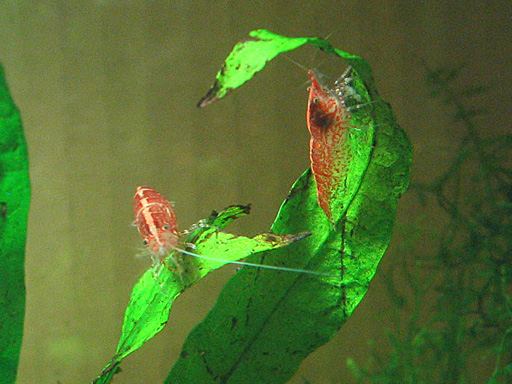
All those beautiful Neocaridina colors - red, blue, yellow, orange, black, green - come from the same species: Neocaridina davidi. In the wild, these shrimp are brownish-gray with some translucent areas. Every colorful variety you see in pet stores was selectively bred from these wild ancestors.
Breeders created each color by finding shrimp with genetic mutations that produced different pigments. They then bred those shrimp together over many generations, selecting only the most colorful offspring each time. After years of this selective breeding, they established stable color lines.
The problem is that this selective breeding works by concentrating recessive genes. When you mix two different color lines, you're essentially undoing all that work.
As one experienced breeder on Reddit's r/shrimptank explained:
""The way we get their unique colours is by continually breeding recessive genes within these types over and over to get a pure, bright colour. No matter what, when you mix colours, brightly-coloured shrimp will eventually revert to wild typing."
What Actually Happens When Colors Mix
Here's the typical progression when you put different Neocaridina colors together:
Generation 1 (The parents): Your original red, blue, and yellow shrimp look great. They start breeding.
Generation 2: Offspring show mixed results. Some may inherit colors from one parent, others look muddy or faded. You might see interesting intermediate colors.
Generation 3-4: More wild-type brown and clear shrimp appear. Bright colors become rare.
Generation 5+: The tank is dominated by brown and gray shrimp with occasional color variants.
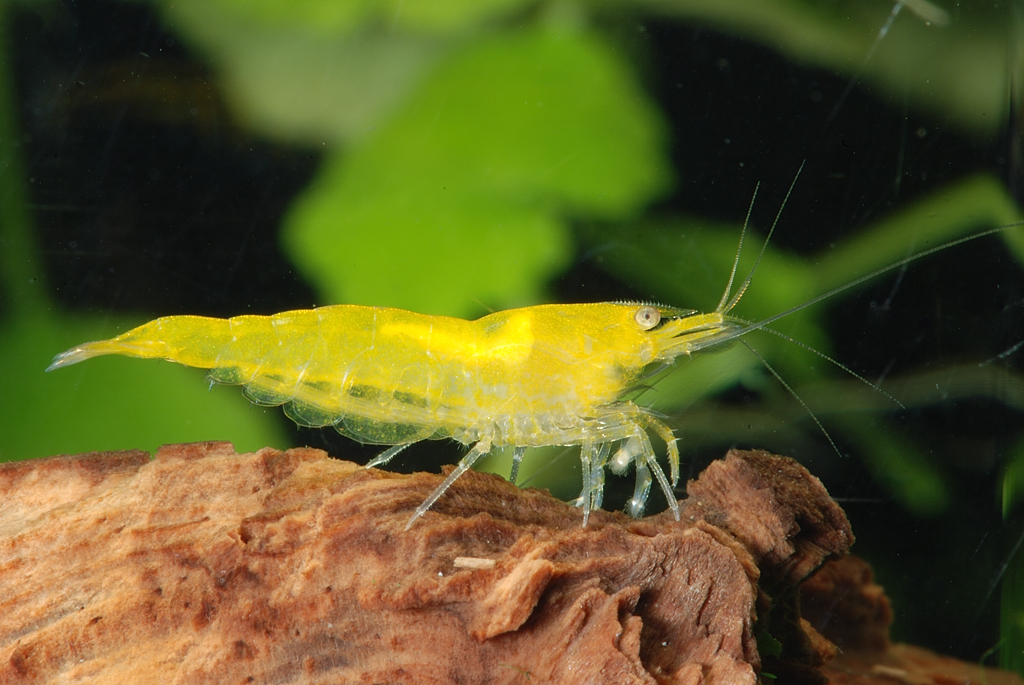
This doesn't happen overnight. You'll have colorful shrimp for months, sometimes over a year. But each generation, the percentage of brightly colored offspring decreases until you're left with mostly wild-type shrimp.
Neocaridina Color Compatibility Chart
All Neocaridina davidi varieties will interbreed with each other. This includes:
| Color Line | Common Names |
|---|---|
| Red | Cherry, Fire Red, Sakura, Painted Fire Red |
| Orange | Orange Sakura, Sunkist |
| Yellow | Yellow Sakura, Neon Yellow, Golden Back |
| Blue | Blue Velvet, Blue Dream, Blue Jelly |
| Green | Green Jade |
| Black | Black Rose, Carbon Rili |
| Brown/Clear | Wild type, Chocolate |
| Rili Varieties | Red Rili, Blue Rili, Carbon Rili |
Every shrimp in this table can breed with every other shrimp in this table. They're all the same species with different coloring.
Caridina Shrimp: Different Rules

Caridina shrimp work differently than Neocaridina. While they can still interbreed within their species, the results are often more interesting rather than just reverting to brown.
For example, if you cross Crystal Red Shrimp with Tiger Shrimp (both Caridina species), you can get "Fancy Tiger" hybrids with combined patterns. The genetics interact differently because Caridina colors come from different genetic mechanisms than Neocaridina colors.
As one keeper noted on r/shrimptank:
""Only the neo lines start turning into wild types. With caridinas they will mix what colors you put in. Like red crystal shrimp and tiger shrimp will start to make fancy tiger shrimp that look like a combination of the two."
That said, mixing Caridina varieties still means you won't maintain pure breeding lines. If you want to sell or trade shrimp later, mixed genetics reduce their value significantly.
The One Safe Mix: Neocaridina + Caridina
Here's the good news for variety lovers: Neocaridina and Caridina shrimp cannot interbreed with each other. They're different species with incompatible genetics.
This means you can safely keep:
- •Red Cherry Shrimp (Neocaridina) with Crystal Red Shrimp (Caridina)
- •Blue Velvet (Neocaridina) with Taiwan Bee Shrimp (Caridina)
- •Any Neocaridina with any Caridina
Each species will only breed within itself. Your colors stay true.
The catch: Neocaridina and Caridina have different care requirements. Neocaridina prefer harder water (GH 7-15, KH 2-8), while most Caridina need soft, acidic water (GH 4-6, KH 0-2). Finding parameters that work for both can be challenging.
Some keepers use remineralized RO water to find a middle ground, but it's not ideal for either species. If you want both, consider setting up separate tanks.
Amano Shrimp: The Ultimate Tank Mate

Amano shrimp (Caridina multidentata) are completely safe to keep with any other freshwater shrimp. They cannot breed in freshwater at all - their larvae require brackish water to survive.
This makes Amano shrimp the perfect addition to any shrimp tank:
- •They won't breed with your colored shrimp
- •They won't compete for breeding partners
- •They're excellent algae eaters
- •They're peaceful with smaller shrimp
You can keep Amano shrimp with Red Cherry Shrimp, Crystal Red Shrimp, or any other variety without any risk of crossbreeding.
Options for Keeping Multiple Colors
If you really want a tank with multiple Neocaridina colors, here are your options:
◆Option 1: Accept the Wild Types
Some keepers enjoy watching genetics play out. You'll start with strong colors and eventually get a tank full of wild-type shrimp with occasional colorful offspring. It's a bit like having a mystery grab bag - you never know what colors might pop up.
The downside is that "wild type" shrimp are brown and less visually striking. But if you're not selling shrimp and just enjoy keeping them, this can be perfectly fine.
◆Option 2: Run Multiple Tanks
The only way to maintain pure color lines is to keep each color in its own tank. Many serious breeders run 5-10 small tanks, each dedicated to one color line.
A 5-gallon tank is enough for a breeding colony of 15-20 shrimp. You can set up several small tanks on a rack for less than you might expect.
◆Option 3: Cull Aggressively
Some breeders keep mixed colors and remove any offspring that don't meet their standards. Wild-type and faded shrimp get moved to a separate "cull tank" or sold as feeders.
This is labor-intensive and only delays the inevitable. You'll need to constantly remove shrimp, and you'll still lose the genetic purity over generations.
◆Option 4: Mix Different Genera
As mentioned above, you can mix Neocaridina with Caridina since they can't interbreed. Add some Amano shrimp for variety. You get three distinct types of shrimp that will each maintain their own genetics.
Starting a Mixed Tank: What to Expect
If you decide to go ahead with a mixed Neocaridina tank, here's a realistic timeline:
Months 1-3: All your shrimp breed happily. New babies appear regularly. Everything looks great.
Months 4-6: First generation of offspring mature. Most still show good color, but you might notice some are less bright than their parents.
Months 7-12: Second generation starts breeding. More wild-type shrimp appear. Bright colors become less common.
Year 2+: Wild types dominate. You might have 10-20% colorful shrimp, with the rest being brown or clear.
Some keepers report faster reversion, others slower. It depends on your starting genetics, water parameters, and luck.
Common Questions About Mixing Colors
◆Will my red and blue shrimp make purple babies?
Unfortunately, no. Shrimp genetics don't work like mixing paint. The offspring will either show one parent's color, a faded version, or wild-type brown. True purple shrimp don't exist - shrimp marketed as "purple" are usually high-grade Blue Dreams that appear purple under certain lighting.
◆Can I separate the colorful babies to save the genetics?
You can try, but it's difficult. By the time you can identify colors, the shrimp have already bred. You'd need to separate shrimplets before they reach sexual maturity (around 2-3 months), which requires accurately identifying colors in very small shrimp.
◆Do males or females carry the color genes?
Both parents contribute to offspring coloring. Female shrimp are generally more colorful than males of the same variety, which can make selective breeding tricky.
◆How many generations until wild type takes over?
Most keepers see significant wild-type offspring by generation 3-4. Complete takeover usually happens around generation 5-7, though some color variations persist longer than others.
The Bottom Line
You can mix different colored Neocaridina shrimp in the same tank. They'll coexist peacefully and breed readily. Just understand that over time, your colorful shrimp will produce mostly wild-type offspring.
If maintaining specific colors matters to you, keep each color in its own tank. If you just want interesting shrimp to watch and don't plan to breed for profit, a mixed tank can be enjoyable - even the wild-type shrimp are fun to observe.
For beginners, I recommend starting with one color you love. Get a solid colony established first. Once you're comfortable with shrimp keeping, you can always set up additional tanks for other colors.
Whatever you choose, enjoy your shrimp! They're fascinating creatures whether they're bright red, deep blue, or humble brown.
Frequently Asked Questions
◆Can you keep different colored shrimp together?
You can keep different Neocaridina colors together, but they'll interbreed and offspring will gradually revert to wild-type brown or clear coloring. To maintain distinct colors, keep each color variety in a separate tank.
◆Can Neocaridina and Caridina shrimp live together?
Neocaridina and Caridina shrimp won't interbreed, but they prefer very different water parameters. Neocaridina like harder, more alkaline water while Caridina prefer soft, acidic water. Keeping both happy in one tank is difficult.
◆What happens when cherry shrimp and blue shrimp breed?
Cherry shrimp and blue shrimp are both Neocaridina davidi, so they'll interbreed freely. First-generation offspring may show mixed or muted colors. After a few generations, most offspring will revert to wild-type brown or clear.
◆How long until mixed shrimp revert to wild type?
Color reversion typically becomes noticeable within 2-3 generations when mixing Neocaridina colors. That's roughly 6-12 months in a breeding colony. Some offspring may retain color genes but express them inconsistently.
Found this helpful?
Check out our other shrimp care guides