Shrimp Tank Algae Control: How to Beat Every Type of Algae
Last updated: February 2026 | 12 min read
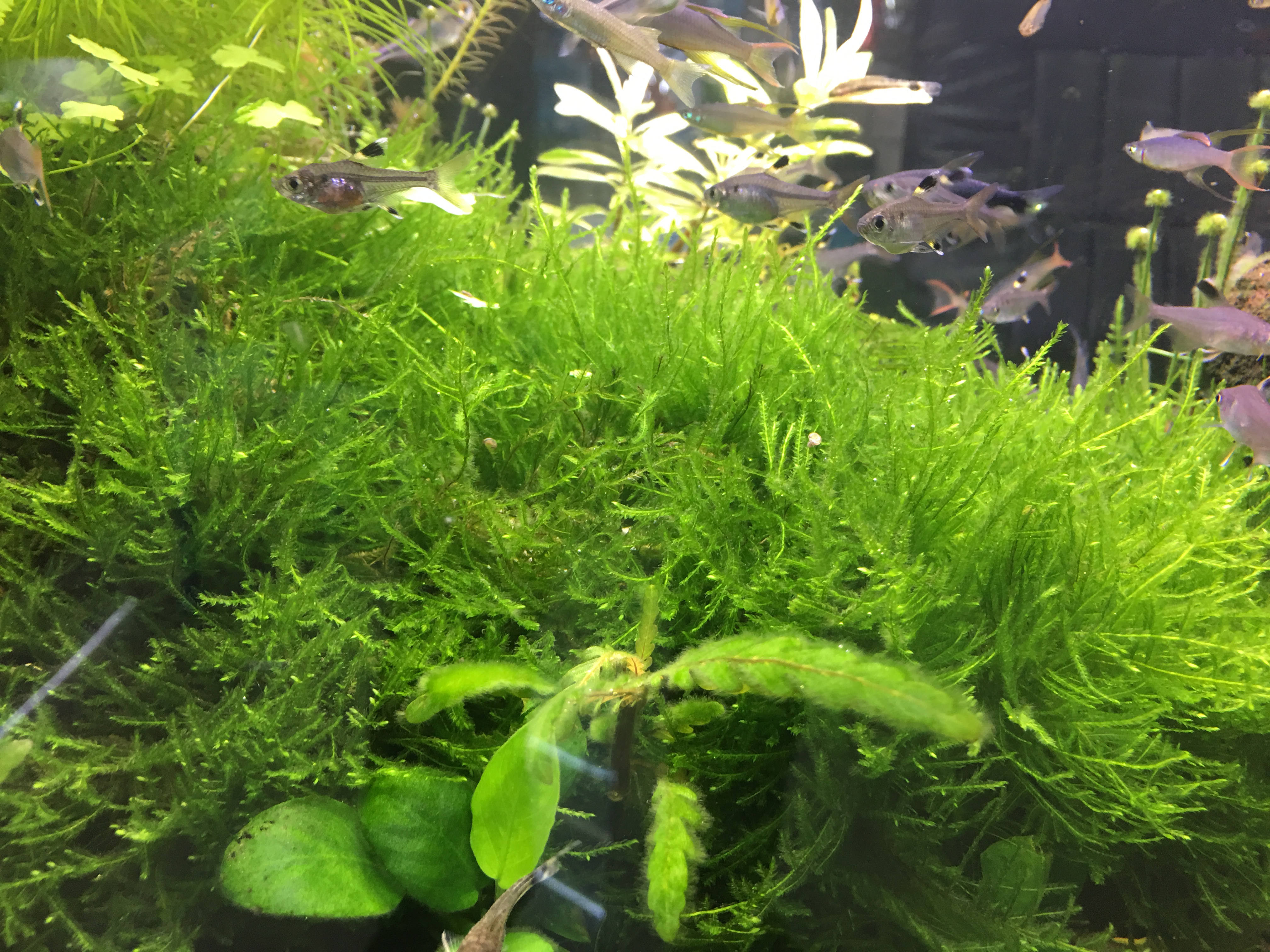
Algae in a shrimp tank is one of the most common frustrations beginners face. Your glass turns green, brown fuzz covers your plants, and suddenly your beautiful setup looks like a neglected pond. The good news? A little algae is normal and even healthy for shrimp. The bad news? Left unchecked, it can take over fast.
Here's how to identify, prevent, and eliminate every type of algae you'll encounter in a shrimp tank - without harming your shrimp.
A Little Algae Is Actually Good
Before we go full extermination mode, let's be clear: shrimp eat algae. It's a natural food source. Cherry shrimp, Amano shrimp, and most Neocaridina species graze on biofilm and soft algae all day long.
The problem starts when algae grows faster than your shrimp can eat it. That means something in your tank is off - usually light, nutrients, or both.
As one r/shrimptank user put it: "Avoid overfeeding, control light, and stop any liquid fertilizers until everything stabilizes."
That's the short version. Here's the long one.
Types of Algae in Shrimp Tanks
Not all algae is the same. Knowing what you're dealing with is half the battle.
◆Green Spot Algae (GSA)
What it looks like: Hard green dots on glass and slow-growing plant leaves like Anubias.
Cause: Low phosphate levels, too much light.
How to fix it:
- •Scrape it off glass with a razor blade or algae scraper
- •Reduce light duration to 6-8 hours per day
- •If you dose fertilizers, increase phosphate slightly
- •Nerite snails are excellent at eating green spot algae
Shrimp safe? Yes - shrimp will nibble at it but can't eat the hard stuff effectively.
◆Brown Diatom Algae
What it looks like: Brown dusty coating on glass, substrate, and plants. Very common in new tanks.
Cause: Excess silicates, low light, new tank syndrome. Almost every new tank gets this.
How to fix it:
- •Wait it out - diatoms usually disappear on their own within 4-8 weeks
- •Wipe glass with a soft cloth or magnetic cleaner
- •Increase lighting slightly once the tank matures
- •Otocinclus catfish devour diatoms (but only add them to established tanks)
Shrimp safe? Yes - shrimp love eating diatoms. This is actually good shrimp food.
◆Green Hair Algae
What it looks like: Long, stringy green filaments attached to plants, decorations, and equipment.
Cause: Excess light and nutrients, especially in tanks with high ammonia or nitrate.
How to fix it:
- •Manually remove as much as possible by hand or twirling it around a toothbrush
- •Reduce light to 6 hours per day for 2 weeks
- •Check for ammonia or nitrite spikes
- •Amano shrimp are the best hair algae eaters in the hobby
- •Reduce feeding to every other day
Shrimp safe? Mostly - shrimp eat young hair algae but struggle with thick, mature strands.
◆Black Beard Algae (BBA)
What it looks like: Dark grey or black tufts that look like tiny brushes, usually on plant edges, driftwood, and filter outlets.
Cause: Fluctuating CO2 levels, poor water flow, excess organic waste.
How to fix it:
- •Spot treat with hydrogen peroxide (1ml per gallon, applied directly with a syringe while filter is off)
- •Remove heavily affected leaves
- •Improve water circulation
- •Stabilize CO2 if you're injecting it
- •Excel/Flourish Glutaraldehyde can help but use with caution around shrimp
Shrimp safe? BBA itself won't hurt shrimp, but chemical treatments can. Always dose carefully.
◆Blue-Green Algae (Cyanobacteria)
What it looks like: Slimy blue-green or dark green sheets that smell bad. Not technically algae - it's bacteria.
Cause: Low nitrate, poor circulation, excess organic waste.
How to fix it:
- •Manually remove as much as possible
- •Do a 3-day blackout (cover tank completely with towels)
- •Increase water circulation
- •If blackout fails, Chemiclean (erythromycin-based) works but kills beneficial bacteria too
- •As one Reddit user shared: "To get rid of cyanobacteria you have to use Chemiclean. It's the only thing that works."
Shrimp safe? Cyanobacteria can produce toxins. Remove it quickly. Chemiclean is generally shrimp-safe at recommended doses, but monitor closely.
◆Staghorn Algae
What it looks like: Grey or greenish branching filaments that look like deer antlers, usually on plant leaves and filter outlets.
Cause: Low CO2, high organic waste, poor maintenance.
How to fix it:
- •Spot treat with hydrogen peroxide or Excel
- •Improve filtration and do more frequent water changes
- •Trim affected plant leaves
- •Amano shrimp will eat it once it starts dying from treatment
Shrimp safe? Yes - harmless to shrimp but ugly.
The Root Causes: Why Algae Takes Over
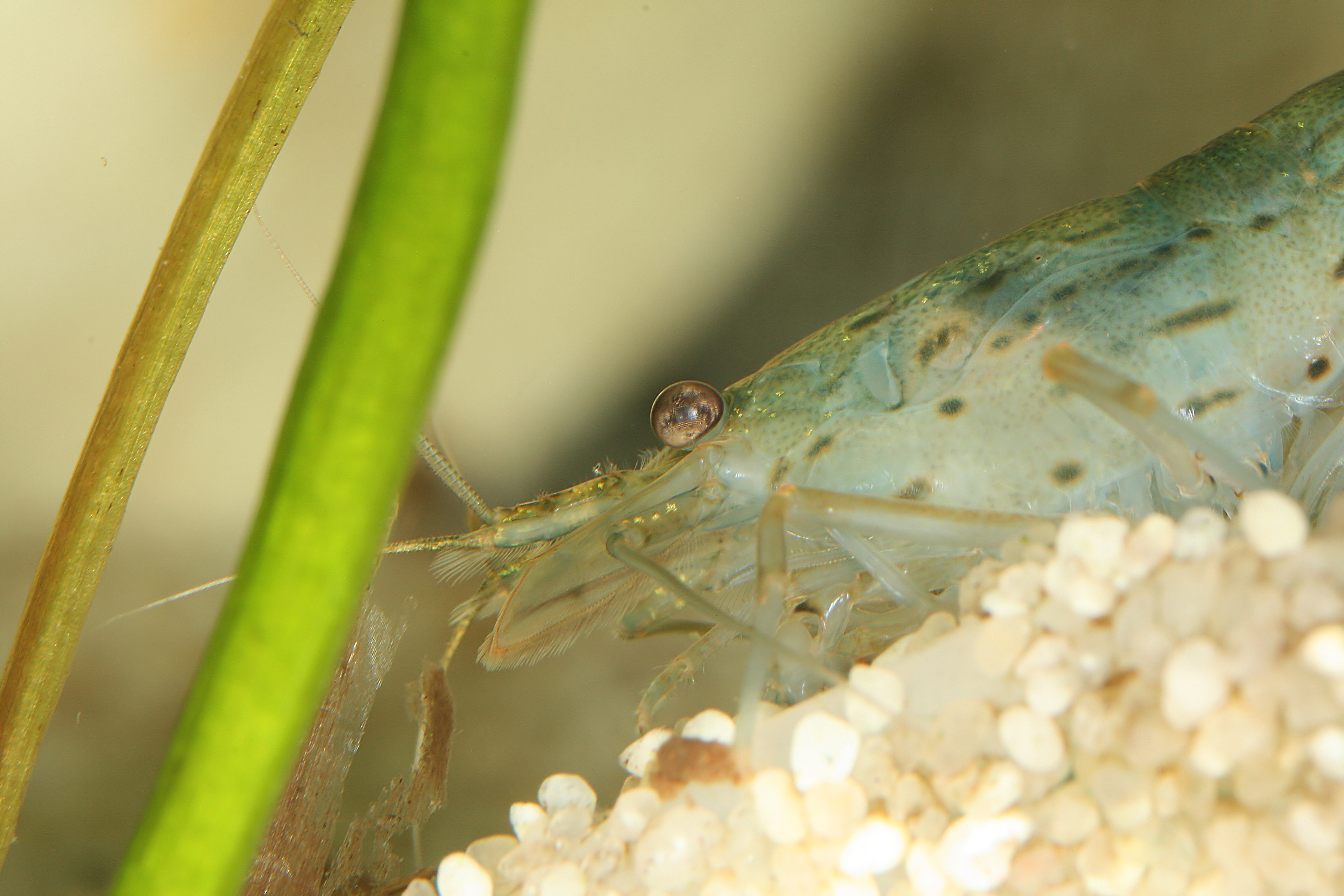
Every algae outbreak comes down to an imbalance. Fix the root cause and you fix the algae. Here are the big three:
◆1. Too Much Light
This is the number one cause of algae in shrimp tanks. Most beginners leave their lights on 10-12 hours a day. That's way too much.
The fix:
- •Run lights for 6-8 hours maximum
- •Use a timer - consistency matters more than duration
- •Avoid direct sunlight hitting the tank
- •If you have a strong light, dim it or raise it higher above the tank
A simple outlet timer costs under $10 and solves this problem permanently.
◆2. Excess Nutrients
Overfeeding is the second biggest culprit. Uneaten food breaks down into ammonia and nitrate, which algae loves.
The fix:
- •Feed only what shrimp can eat in 2 hours
- •Remove uneaten food after feeding
- •Do weekly 10-20% water changes
- •Vacuum the substrate during water changes
- •Don't over-fertilize planted tanks
◆3. Poor Water Circulation
Dead spots in your tank where water doesn't flow become algae hotspots. Stagnant water lets nutrients accumulate and gives algae a foothold.
The fix:
- •Position your filter output to create gentle flow across the tank
- •Consider adding a small circulation pump for tanks over 10 gallons
- •Clean filter intake and output monthly
- •Make sure nothing is blocking flow paths
The Algae-Fighting Cleanup Crew
One of the best long-term strategies is adding natural algae eaters to your tank. Here's what works best with shrimp:
◆Amano Shrimp
The undisputed champion of algae eating. A team of 3-5 Amano shrimp in a 10-gallon tank will demolish soft algae, hair algae, and even pick at BBA.
- •Best for: Hair algae, soft green algae, film algae
- •Tank size: 10+ gallons
- •Note: Won't breed in freshwater, so you'll need to buy replacements
- •Price: $3-5 each
As many r/shrimptank members recommend: "Put an Amano shrimp, even just one, into your tank to clear the algae. I wouldn't put many because they will outcompete the Neocaridinas for food."
◆Nerite Snails
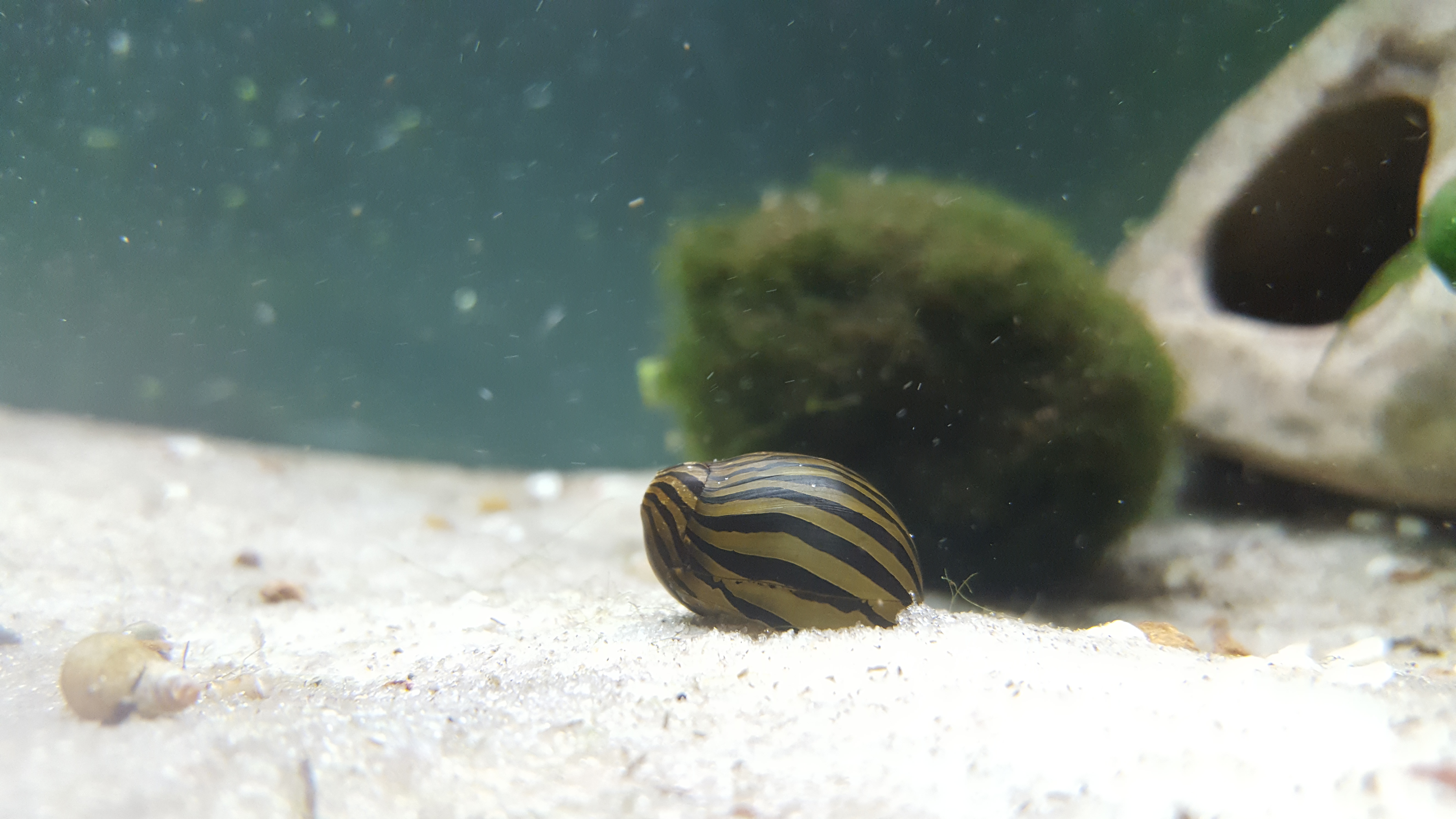
The best glass cleaners in the hobby. One or two nerite snails will keep your glass spotless.
- •Best for: Green spot algae, diatoms, glass cleaning
- •Tank size: 5+ gallons
- •Note: They lay white eggs on hardscape that won't hatch in freshwater (annoying but harmless)
- •Won't eat plants
- •Price: $2-4 each
◆Ramshorn Snails
Small, prolific, and surprisingly effective. Ramshorn snails eat soft algae, dead plant matter, and leftover food.
- •Best for: Soft algae, detritus, biofilm
- •Tank size: Any
- •Note: They breed quickly - some people love this, others don't
- •Completely shrimp-safe
- •Often free from other hobbyists
◆Otocinclus Catfish
Tiny catfish (about 1.5 inches) that are diatom-destroying machines. They're peaceful and won't bother shrimp.
- •Best for: Diatoms, soft green algae, biofilm
- •Tank size: 10+ gallons (keep in groups of 3+)
- •Note: Sensitive fish - only add to mature, cycled tanks
- •Need supplemental food (blanched zucchini, algae wafers)
- •Price: $3-5 each
Prevention: The Best Algae Control
Fighting algae after it appears is harder than preventing it. Here's a prevention checklist:
◆Weekly Maintenance Routine
- •Water change - 10-20% weekly with dechlorinated water matched to tank temperature
- •Glass cleaning - Wipe down with a magnetic cleaner or algae pad
- •Substrate vacuuming - Lightly vacuum the top layer during water changes
- •Filter maintenance - Rinse filter media in old tank water monthly (never tap water)
- •Plant trimming - Remove dead or dying leaves that decompose and feed algae
◆Recommended Products
Here are the tools that make algae maintenance easy:
For glass cleaning:
- •Magnetic algae cleaner - Clean glass without getting your hands wet
- •Razor blade scraper for stubborn green spot algae
For water changes:
- •Python water changer - Makes water changes effortless (hooks up to your faucet)
- •Seachem Prime - Best water conditioner, also detoxifies ammonia
For light control:
- •Outlet timer - Automate your light schedule
- •Floating plants like salvinia or red root floaters naturally reduce light reaching the bottom
For testing:
- •API Freshwater Master Test Kit - Test ammonia, nitrite, nitrate, and pH regularly
The Planted Tank Advantage
Heavy planting is the single best algae prevention strategy. Plants and algae compete for the same nutrients and light. When plants are thriving, algae gets starved out.
The best algae-fighting plants for shrimp tanks:
- •Floating plants (salvinia, frogbit, red root floaters) - Block excess light from above
- •Fast growers (hornwort, water wisteria, pearl weed) - Absorb nutrients before algae can
- •Moss (Java moss, Christmas moss) - Provides shrimp grazing surfaces and absorbs nutrients
- •Stem plants (rotala, ludwigia) - Fast nutrient uptake
A tank packed with healthy plants rarely has algae problems. Your shrimp will thank you too - they love grazing on plant surfaces and hiding in dense growth.
The Blackout Method: Nuclear Option
When algae gets out of control, a blackout can reset things:
- •Do a large water change (50%)
- •Manually remove as much algae as possible
- •Cover the tank completely with towels or blankets - zero light
- •Leave covered for 3 full days (72 hours)
- •Don't feed during the blackout
- •After 3 days, uncover and do another 30% water change
- •Resume lighting at 6 hours per day
Your plants will look rough for a few days but recover quickly. Most algae will be dead or dying. Shrimp are fine during blackouts - they'll graze on biofilm and dying algae.
As one experienced keeper on r/PlantedTank advised: "Remove as much algae as possible and then do a 3-day blackout. After that do a large clean again removing any affected moss or plants. Infested plants will not help your tank."
Chemical Treatments: Use With Caution
Some chemical treatments work against algae but can be dangerous for shrimp. Here's what's safe and what's not:
◆Shrimp-Safe
- •Hydrogen peroxide (H2O2) - Spot treatment at 1ml per gallon. Turn off filter, apply directly to algae with a syringe, wait 15 minutes, turn filter back on.
- •Chemiclean - Erythromycin-based treatment specifically for cyanobacteria. Generally safe for shrimp at recommended doses.
- •Seachem Excel - Liquid carbon that helps plants and fights algae. Use at half dose in shrimp tanks.
◆Use With Extreme Caution
- •Algaefix - Contains poly[oxyethylene(dimethyliminio)ethylene(dimethyliminio)ethylene dichloride]. Can kill shrimp at normal doses. Avoid.
- •Copper-based treatments - Copper is lethal to shrimp. Never use any product containing copper in a shrimp tank. Check ingredient labels carefully.
Quick Reference: Algae Identification Chart
| Algae Type | Appearance | Main Cause | Best Solution |
|---|---|---|---|
| Green Spot | Hard green dots on glass | Low phosphate, high light | Scrape + reduce light |
| Brown Diatoms | Dusty brown film | New tank, silicates | Wait it out + nerites |
| Hair Algae | Green stringy filaments | Excess light + nutrients | Manual removal + Amanos |
| Black Beard | Dark tufts on edges | CO2 fluctuation | H2O2 spot treatment |
| Cyanobacteria | Slimy blue-green sheets | Low nitrate, poor flow | Blackout or Chemiclean |
| Staghorn | Grey branching filaments | Low CO2, poor maintenance | H2O2 + water changes |
Final Thoughts
Algae control in a shrimp tank is about balance, not elimination. Keep your light schedule consistent (6-8 hours), don't overfeed, maintain your plants, and add a few algae-eating helpers like Amano shrimp or nerite snails.
Most importantly: don't panic when you see algae. Every tank gets it. The difference between a clean tank and an overgrown one is just a few simple habits done consistently.
Your shrimp are already doing their part - they eat algae all day long. Meet them halfway with good maintenance, and you'll have a tank that practically takes care of itself.
Frequently Asked Questions
◆Do shrimp eat all types of algae?
Shrimp eat soft green algae, hair algae, and biofilm, but they won't touch green spot algae, black beard algae (BBA), or blue-green algae (cyanobacteria). Amano shrimp are the most effective algae eaters among common aquarium shrimp.
◆Is algae bad for a shrimp tank?
Some algae is actually beneficial in a shrimp tank since it's a natural food source. Problems arise when algae grows out of control due to excess light, nutrients, or both. A thin layer of green algae on surfaces is perfectly healthy.
◆How do I get rid of hair algae in a shrimp tank?
Reduce lighting to 6 hours per day, remove as much manually as possible, and add Amano shrimp. Avoid chemical algae treatments in shrimp tanks since many contain copper. Balancing nutrients and CO2 prevents hair algae long-term.
◆Can I use algae treatments in a shrimp tank?
Most commercial algae treatments contain copper or other chemicals toxic to shrimp. Never use them without confirming they're invertebrate-safe. Manual removal, light reduction, and biological controls (Amano shrimp, nerite snails) are safer alternatives.
Found this helpful?
Check out our other shrimp care guides