Best Water Test Kits for Shrimp Tanks (2026): The Complete Testing Stack
The best water test kits for shrimp tanks, from liquid kits to TDS pens, plus a what-to-test-when schedule and the copper check that saves colonies.
Last updated: July 2026 | 14 min read
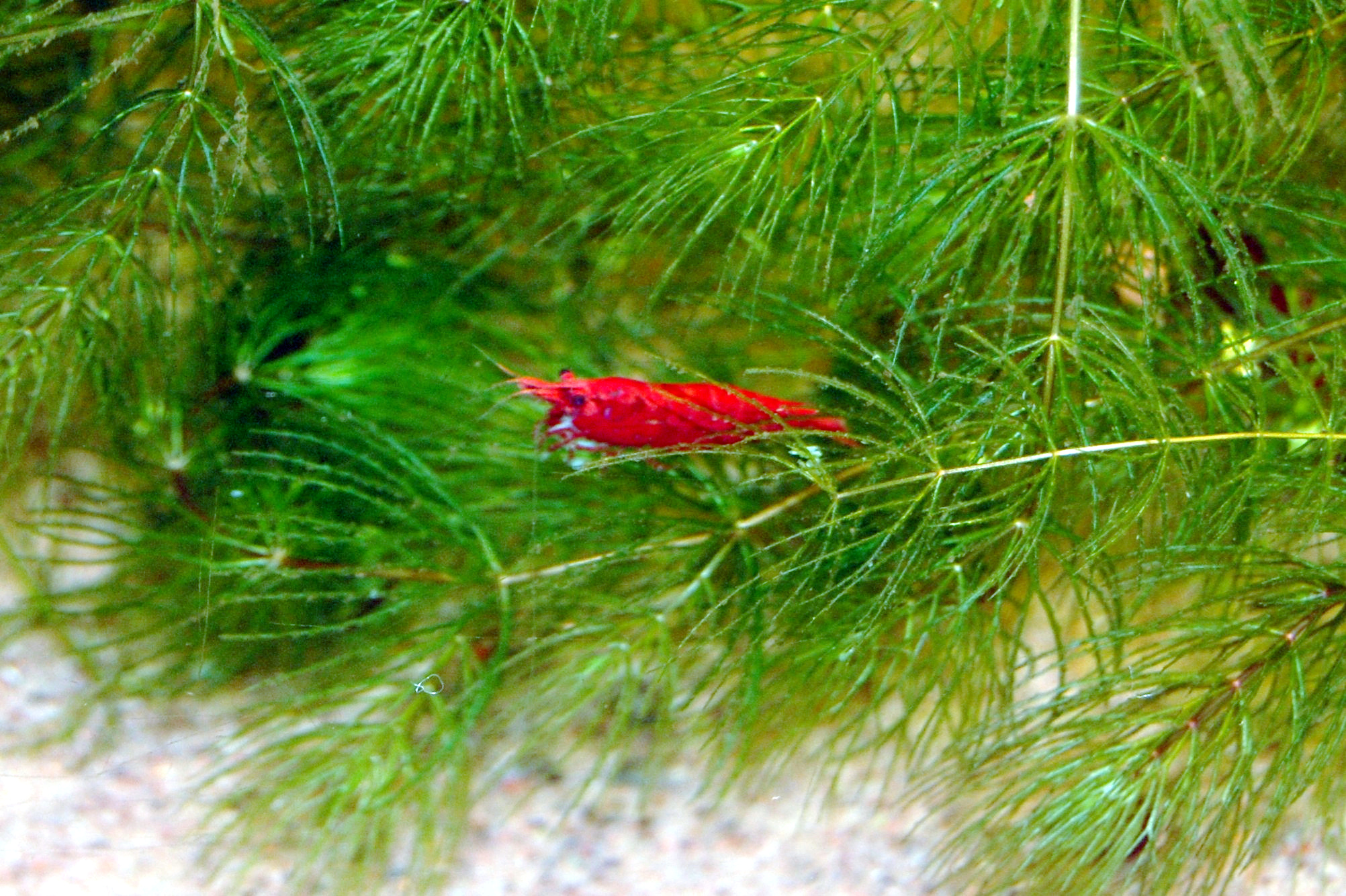
Fish keepers test four things: ammonia, nitrite, nitrate, and pH. Shrimp keepers test all of that plus GH, KH, and TDS, and check for copper before a single shrimp ever touches the water. That is not paranoia. Shrimp are invertebrates that rebuild their entire exoskeleton every few weeks, and the minerals for that molt come directly from the water column. Get the hardness wrong and shrimp die mid-molt; let TDS creep and breeding quietly stops; miss trace copper and the whole colony can be gone in days.
The good news: a complete shrimp testing stack costs less than a single decent heater, and most of it lasts for years. This guide ranks the kits worth owning, explains liquid versus strips honestly, and lays out exactly what to test and when.
Quick Picks: Best Test Kits for Shrimp Tanks at a Glance
| Product | Type | Covers | Best For |
|---|---|---|---|
| API Freshwater Master Test Kit | Liquid | Ammonia, nitrite, nitrate, pH | The foundation kit |
| API GH & KH Test Kit | Liquid | GH, KH | The essential shrimp add-on |
| HM Digital TDS-3 | Digital pen | TDS | The daily driver |
| Salifert Freshwater GH & KH | Liquid | GH, KH | Precision upgrade |
| API Copper Test Kit | Liquid | Copper | Pre-shrimp safety check |
| Seachem Ammonia Alert | In-tank badge | Free ammonia | 24/7 passive monitoring |
| API 5-in-1 Test Strips | Strips | pH, KH, GH, nitrite, nitrate | Quick screening only |
The core stack for a new shrimp keeper is the first three rows: API Master Kit + API GH/KH + a TDS pen. Together they cover every parameter that matters, for roughly the price of ten shrimp.
Why Shrimp Need More Testing Than Fish
A quick tour of what each parameter does to a shrimp, with target ranges covered in depth in the shrimp water parameters guide:
- •Ammonia and nitrite are toxic to shrimp at levels even hardy fish shrug off. Anything above 0 ppm in a stocked tank is an emergency.
- •Nitrate should stay low (under roughly 20 ppm, and many keepers target under 10). Chronic elevated nitrate suppresses breeding and stresses shrimplets.
- •pH determines which shrimp you can keep: Neocaridina tolerate roughly 6.8 to 7.8, while Caridina want acidic water around 5.8 to 6.8.
- •GH (general hardness) is the molting parameter. It measures calcium and magnesium, the raw material for new exoskeletons. Too low and shrimp suffer failed molts; too high and molting also goes wrong, particularly for Caridina.
- •KH (carbonate hardness) is the pH stability parameter. Low KH lets pH swing, and pH swings kill shrimp faster than a "wrong" but stable pH. Caridina keepers on buffering substrates deliberately run KH near 0, which makes monitoring even more important, not less.
- •TDS (total dissolved solids) is the shrimp keeper's odometer. It tracks everything dissolved in the water at once and reveals problems (evaporation creep, overfeeding, remineralizer mistakes) long before individual tests do.
- •Copper is lethal to shrimp and covered in its own section below, because it deserves it.
Fish keepers can skip half this list. Shrimp keepers cannot, which is why the testing stack below has three layers: liquid kits for accuracy, a TDS pen for daily speed, and a copper check for safety.
Liquid Kits vs Test Strips: The Honest Comparison
Liquid reagent kits react a measured water sample with drops of reagent and compare the color against a chart. They are the accuracy standard in the hobby, cost pennies per test, and a single kit lasts hundreds of tests. Downsides: each parameter takes a few minutes, and color-chart reading has some subjectivity.
Test strips are dip-and-read. They are fast, convenient, and meaningfully less precise. Strips are also vulnerable to humidity: once the container has been opened a while, accuracy degrades further. The consensus among shrimp keepers is that strips are acceptable as a quick screening tool ("is anything obviously wrong?") but should never be the basis for dosing decisions, remineralizing, or diagnosing deaths.
Digital pens (TDS, pH) are the third category: instant, repeatable numbers with no color interpretation. A TDS pen in particular is so fast that shrimp keepers actually use it daily, which is worth more than a precise test that never leaves the drawer.
The practical answer is not liquid or strips. It is liquid kits for truth, a TDS pen for habit, and strips only if you want a fast weekly sanity check between proper tests.
The Best Water Test Kits for Shrimp Tanks, Ranked
◆1. API Freshwater Master Test Kit: The Foundation
The API Master Kit is the most widely used liquid test kit in the freshwater hobby, and it earns the default slot. It covers ammonia, nitrite, nitrate, and pH (standard and high range) with about 800 tests per box, which translates to years of weekly testing for a single tank.
Pros:
- •Covers the entire nitrogen cycle, which makes it the essential companion for cycling a new shrimp tank
- •Roughly 800 tests per kit; the cost per test is trivial
- •Computer-calibrated color card, test tubes, and tray included
- •Available everywhere, so replacement reagents are easy to find
Cons:
- •No GH, KH, or TDS, the three parameters shrimp keepers add (see picks 2 and 3)
- •Nitrate test requires vigorous shaking of bottle #2 to be accurate; lazy shaking reads falsely low
- •Color-chart reading between adjacent shades takes practice
Where to buy:
Verdict: 5/5. Not optional. Every shrimp tank needs the nitrogen cycle covered, and this is the cheapest reliable way to do it.
◆2. API GH & KH Test Kit: The Essential Shrimp Add-On
This small two-bottle kit is what turns the fish keeper's stack into a shrimp keeper's stack. It measures GH and KH by titration: you add drops one at a time and count how many it takes for the color to change, with each drop equal to 1 degree of hardness.
Pros:
- •Covers the two parameters most directly tied to molting success and pH stability
- •Titration format means no ambiguous color matching; you just count drops
- •Inexpensive, with hundreds of tests per kit
- •Essential companion when dialing in remineralized RO water
Cons:
- •1 degree resolution per drop is coarse at the very low KH values Caridina keepers target
- •Two separate tests, so a full hardness check takes a few minutes
Where to buy:
Verdict: 5/5. If you own the Master Kit and a TDS pen, this closes the gap. Skipping GH/KH testing is how keepers end up googling "white ring of death" at midnight.
◆3. HM Digital TDS-3: The Daily Driver
Ask a room full of shrimp breeders which test they run most often and the answer is none of the above: it is the TDS pen. The HM Digital TDS-3 has been the hobby standard for years. Dip it, read the number, done in ten seconds.
Pros:
- •Measures 0 to 9990 ppm with 1 ppm resolution in the range shrimp keepers care about
- •±2% accuracy with automatic temperature compensation
- •Roughly 1000 hours of battery life, auto-off, and a hold function
- •Includes a carrying case; the whole thing lives next to the tank
- •The single fastest way to catch drift from evaporation, overfeeding, or a remineralizing mistake
Cons:
- •TDS is a blunt instrument: it tells you something changed, not what changed
- •Needs occasional calibration checking against a calibration solution to stay honest
- •Not waterproof (the probe end goes in the water, not the whole pen)
How shrimp keepers actually use it: check tank TDS a few times a week, check new water every time before it goes in the tank, and investigate whenever the tank number drifts more than 10 to 20 ppm from baseline. Rising TDS usually means overfeeding or too little water changing; falling TDS in a Caridina tank can mean the substrate's buffering is being diluted. It is also the tool that verifies your RO/DI unit is producing the 0 TDS water it should.
Where to buy:
Verdict: 5/5. The highest test-per-dollar value in the hobby. If shrimp keeping has a daily ritual, this is it.
◆4. Salifert Freshwater GH & KH Kits: The Precision Upgrade
Salifert built its reputation on reef-grade test kits, and its freshwater GH and KH kits bring that resolution to shrimp keeping. The KH kit resolves changes smaller than the API kit's 1 degree steps, which matters most to Caridina keepers running deliberately soft, low-KH water where the difference between 0 and 1 dKH is a real husbandry decision.
Pros:
- •Finer resolution than API's drop-count kits, most valuable at low KH
- •Around 70 tests (GH) and 80 tests (KH) per kit
- •Sharp, easy-to-read color transitions
Cons:
- •Costs more per test than API
- •Less common in chain stores; usually an online order
- •Overkill for standard Neocaridina tanks where API's resolution is plenty
Where to buy:
Verdict: 4/5. The upgrade path for Caridina keepers and anyone mixing their own water from RO. Neocaridina keepers can happily stay with API.
◆5. API Copper Test Kit: The Pre-Shrimp Safety Check
Read the copper section below for why this matters. The kit itself is a simple liquid test that reads copper from 0 to 4 ppm across about 90 tests.
Pros:
- •Cheap insurance before the first shrimp ever goes in
- •Tests both tank water and source water
- •90 tests means one kit lasts essentially forever at the "test occasionally" cadence
Cons:
- •Hobby-grade sensitivity: levels toxic to shrimp can sit below what the color card clearly resolves, so treat any detectable copper as a hard stop
- •Rarely needed once a tank is established and copper-free
Where to buy:
- •API Copper Test Kit on Amazon
- •Alternative liquid option: Seachem MultiTest Copper on Amazon
Verdict: 4/5 as a product, 5/5 as a habit. Test before stocking, test again if shrimp start dying unexplained.
◆6. Seachem Ammonia Alert: The 24/7 Passive Monitor
This is a small badge that sticks inside the tank and continuously changes color in the presence of free ammonia, detecting below 0.05 ppm. It responds to rising ammonia in about 15 minutes and lasts around a year.
Pros:
- •Zero effort monitoring between proper tests
- •Detects free ammonia (the toxic form) specifically
- •Excellent early warning during a tank's fragile first months, or after a filter mishap
Cons:
- •Not a replacement for liquid testing; it is a smoke alarm, not a lab
- •The sensor is delicate: skin oils and cleaners can damage it
- •Slow to reset after an ammonia event (hours, not minutes)
Where to buy:
Verdict: 4/5. A nice-to-have that has saved plenty of colonies by turning green at 2 a.m., metaphorically speaking.
◆7. API 5-in-1 Test Strips: Screening Only
If strips have a place in a shrimp fishroom, it is this: a fast mid-week glance at pH, KH, GH, nitrite, and nitrate. Note what is missing: ammonia. API sells separate ammonia strips, which tells you how seriously to take a "5-in-1" label.
Pros:
- •Ten-second results across five parameters
- •Fine for spotting a gross problem between liquid tests
- •Useful for quickly profiling unfamiliar tap water
Cons:
- •Meaningfully less accurate than liquid kits, especially for GH/KH decisions
- •No ammonia on the strip
- •Accuracy degrades after the container is opened
Where to buy:
Verdict: 3/5. Convenient, but never dose, remineralize, or diagnose based on a strip.
The Copper Warning Every Shrimp Keeper Needs
Copper is lethal to shrimp. Not "stressful," not "suboptimal." Copper-based medications are literally how the hobby kills invertebrate pests on purpose, and dwarf shrimp are far more sensitive than fish. Trace levels that fish tolerate without symptoms can wipe out a shrimp colony.
Where copper sneaks in:
- •Fish medications. Many ich and parasite treatments are copper-based. Never dose them in a shrimp tank, and be cautious about moving equipment or decor from a treated tank into a shrimp tank.
- •Old plumbing. Homes with copper pipes can leach copper into tap water, especially from hot water lines or water that sat in the pipes overnight. This is one more argument for RO water over tap water in valuable colonies.
- •Some fertilizers and foods. Trace copper appears in many plant fertilizers and foods. At normal doses, quality aquarium brands formulate below harmful levels, but "copper sulfate" high in an ingredient list deserves scrutiny.
- •Used equipment. A secondhand tank or filter with a medication history is a lottery ticket. Test, and when in doubt, replace cheap components.
The honest limitation: hobby copper kits are designed for monitoring medication doses in fish tanks, not detecting the trace levels that harm invertebrates. A reading of zero is reassuring but not a guarantee. The stronger protections are upstream: use RO water, never dose copper medications, and quarantine anything from a tank with an unknown history. Then use the test kit as the final check, and treat any detectable copper, however faint, as a do-not-stock signal.
If an established colony suddenly starts dying and ammonia, nitrite, and temperature all check out, copper belongs on the suspect list. Work through the full checklist in why are my shrimp dying.
What to Test When: The Shrimp Keeper's Schedule
| When | Test | Why |
|---|---|---|
| During cycling | Ammonia + nitrite every 1-2 days, nitrate weekly | You are watching the cycle progress; stock only after ammonia and nitrite hold at 0 |
| Before first shrimp | Full panel: ammonia, nitrite, nitrate, pH, GH, KH, TDS, copper | One-time gate. Everything in range, copper undetectable |
| Every water change | TDS of the new water, before it goes in | Catches remineralizing errors and RO membrane failure before the tank does |
| 2-3x per week | TDS of the tank | Ten seconds; watch for drift beyond 10-20 ppm from baseline |
| Weekly | pH, GH, KH, nitrate | The stability check; log the numbers |
| Monthly | Ammonia + nitrite (established tank) | Cheap confirmation the biofilter is healthy |
| After any death spike | Full panel + copper | Diagnose before you medicate or change anything |
| New tap water source or spring pipe-flush season | GH, KH, pH, TDS, copper | Municipal water changes seasonally; your tank inherits it |
Two habits make this schedule actually happen. First, keep the TDS pen next to the tank, not in a drawer. Second, log results (a notes app is fine). A single reading means little; the trend line is the diagnosis. Pair the schedule with a consistent water change routine and most "mystery" problems stop being mysteries.
FAQ
◆What is the single most important test kit for shrimp?
For a new tank, the API Master Kit, because an uncycled tank kills shrimp faster than anything else. For an established tank, the TDS pen, because it is the test you will actually run often enough to catch problems early.
◆What TDS should a shrimp tank be?
Roughly 150 to 250 ppm for Neocaridina and 100 to 150 ppm for Caridina, though target ranges vary by keeper and source water. The deeper point: pick a target, and treat sustained drift as a signal. Full ranges by species are in the water parameters guide.
◆Are test strips good enough for shrimp?
As a between-tests screening tool, yes. As your only testing, no. Strips lack ammonia, read hardness coarsely, and lose accuracy once opened. Every consequential decision (stocking, remineralizing, diagnosing deaths) deserves a liquid test or a calibrated pen.
◆Do I really need to test for copper?
Once, before stocking, absolutely: it is a few dollars against a colony's life. Ongoing, only when something changes: new water source, new equipment with a history, or unexplained deaths. And remember the upstream rules matter more: no copper medications, ever, in a shrimp tank.
◆How do I test GH and KH with the API kit?
Fill the tube to 5 ml, add the reagent one drop at a time, and invert between drops. Count drops until the color changes (GH: orange to green; KH: blue to yellow). The drop count equals degrees of hardness. Multiply degrees by 17.9 if you want ppm.
◆Why did my TDS go up but GH stayed the same?
Because TDS counts everything dissolved: waste, food, minerals, fertilizers. Rising TDS with flat GH usually points to accumulating organics from overfeeding or an overdue water change, not minerals. It is exactly this kind of triangulation that makes owning both tests worthwhile.
Final Recommendations
- •The core stack (every shrimp keeper): API Freshwater Master Test Kit + API GH & KH Kit + HM Digital TDS-3. Complete parameter coverage, minimal cost.
- •Add before stocking: API Copper Test Kit, one test now, peace of mind after.
- •For Caridina and RO mixers: Salifert's freshwater GH and KH kits for finer resolution where it counts.
- •Nice extras: a Seachem Ammonia Alert badge for passive monitoring, and strips only as a mid-week glance.
Testing is the cheapest part of shrimp keeping and the part that makes everything else work. Cycle with numbers, stock with numbers, and when something goes wrong, diagnose with numbers instead of guesses.
Found this helpful?
Check out our other shrimp care guides