Best RO/DI Systems for Shrimp Tanks (2026): Complete Buyer's Guide
The best RO and RO/DI systems for shrimp tanks in 2026. Why Caridina need RO water, how to remineralize it, TDS targets, and choosing the right unit for your setup.
Best RO/DI Systems for Shrimp Tanks (2026)
Last updated: July 2026 | 11 min read
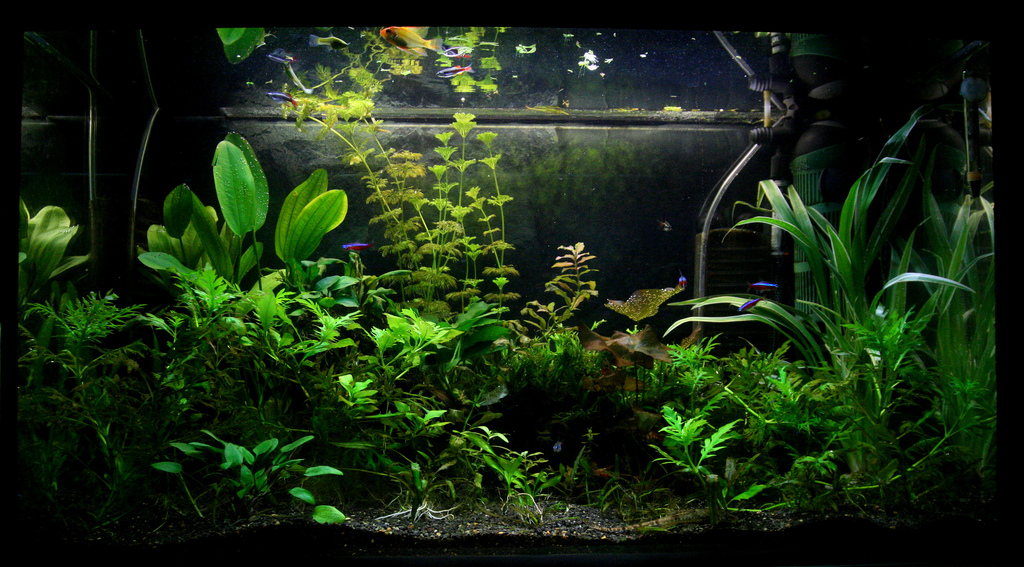
If you keep sensitive Caridina shrimp, or your tap water is very hard, an RO or RO/DI system is one of the best investments you can make. It gives you a blank slate of pure water that you build back up to exactly the parameters your shrimp need. This guide explains when you need one, how remineralizing works, and the best systems to consider.
Quick Answer
An RO (reverse osmosis) or RO/DI (reverse osmosis plus deionization) system strips tap water down to near-zero TDS, giving you a pure base to remineralize precisely. Caridina like crystal and Taiwan Bee shrimp essentially require it, and it is very helpful for anyone with hard tap water. After making RO water, you remineralize it with a shrimp mineral to the right GH and TDS before it goes in the tank. The best units balance good filtration stages, decent output, and low waste.
Do You Need an RO System for Shrimp?
It depends entirely on what you keep and what comes out of your tap.
You likely need RO if you keep:
- •Caridina shrimp like crystal reds, Taiwan Bee, blue bolts, or panda shrimp. These need soft, acidic, mineral-poor water that tap water almost never provides. See our crystal red and Caridina vs Neocaridina guides.
- •Any shrimp on very hard tap water. If your tap TDS is very high, RO lets you dilute it to a livable level.
You may not need RO if you keep:
- •Hardy Neocaridina like cherry, blue dream, or snowball shrimp, and your tap water is moderate. Many keepers run Neocaridina on dechlorinated tap water just fine. Our tap water vs RO water guide helps you decide.
If your tap water already suits your shrimp and stays consistent, you can skip the expense. RO is about control, and Caridina keepers need that control the most.
Why RO Water Needs Remineralizing
This is the step new keepers miss. RO and RO/DI water is nearly pure, which means it has almost no minerals. Pure water cannot support shrimp on its own. Shrimp need general hardness (GH) for healthy molting and shell development, so you must add minerals back before use.
- •Never put pure RO water straight into a shrimp tank. It has no buffering and no minerals, and it will cause failed molts.
- •Mix in a shrimp remineralizer to raise GH and TDS to target. Do this in a separate container, not in the tank.
- •For Caridina, use a GH+ only product like SaltyShrimp Bee Shrimp GH+, which raises hardness without raising KH, keeping the water soft and acidic.
- •For Neocaridina, use a GH/KH+ product that raises both hardness and buffering.
Our best remineralizer for shrimp guide compares the products in detail.
Hitting the Right TDS
You will need a TDS meter to remineralize accurately. Add mineral gradually, stir, and test until you hit your target.
- •Caridina: many keepers target TDS around 100 to 130 ppm, which gives a GH around 4 to 6.
- •Neocaridina: a higher TDS around 150 to 250 ppm with more buffering suits them.
Always mix and test outside the tank, then do slow, small changes so shrimp are not shocked. A TDS meter is a must-have alongside an API GH and KH test kit.
RO vs RO/DI: What Is the Difference?
- •RO (reverse osmosis) pushes water through a membrane that removes the large majority of dissolved solids. Output is very low TDS but not quite zero.
- •RO/DI adds a deionization stage after the membrane that strips out nearly everything remaining, giving you water at or near zero TDS.
For most shrimp keepers, a good multi-stage RO unit is plenty. A DI stage gives the purest possible water and is nice for the most demanding Caridina, at the cost of replacing DI resin.
Best RO/DI Systems for Shrimp Tanks
◆1. Multi-Stage RO/DI System: Best Overall
A standard 4 to 6 stage RO/DI unit, with sediment and carbon prefilters, an RO membrane, and a DI stage, is the workhorse choice. It gives near-zero TDS water suitable for any shrimp, including sensitive Caridina.
Why it is best for shrimp:
- •Near-zero TDS output for precise remineralizing
- •Multiple stages protect the membrane and extend its life
- •Handles Caridina and hard-water dilution equally well
Where to buy:
Best for: Caridina keepers and anyone who wants full control over their water.
Rating: 5/5.
◆2. Compact Countertop RO Unit: Best for Small Setups
A smaller countertop or under-shelf RO unit produces less water per day but is easier to store and install. For a keeper with one or two nano shrimp tanks who only needs a few gallons at a time, it is a practical, space-saving option.
Why it works for shrimp:
- •Small footprint suits apartments and limited space
- •Enough output for nano and small tanks
- •Lower upfront cost than a large system
Where to buy:
Best for: one or two small tanks and modest water needs.
Rating: 4.5/5 for small setups.
◆3. High-Output Low-Waste RO System: Best for Multiple Tanks
If you run several tanks or do larger water changes, a higher-output system with a better recovery ratio makes more water faster and wastes less to drain. These cost more upfront but pay off if you go through a lot of RO water.
Why it works for shrimp:
- •Makes water quickly for multiple tanks or big changes
- •Better waste-water ratios save on your water bill
- •Larger filter capacity means fewer cartridge changes
Where to buy:
Best for: shrimp rooms and keepers with several tanks.
Rating: 4.5/5 for high-volume users.
Storing and Using RO Water
- •Store safely. Keep RO water in clean, food-grade containers. Pure water is aggressive and can leach from low-quality plastics.
- •Remineralize before use, every time. Never add pure RO water to the tank.
- •Match temperature when doing water changes to avoid shocking shrimp. Our water change guide covers technique.
- •Replace filters and resin on schedule so output TDS stays low. A creeping TDS reading means it is time for new media.
The Bottom Line
An RO or RO/DI system is close to essential for Caridina shrimp and very useful for anyone on hard tap water. The system itself is only half the job: you must remineralize the pure water with a shrimp mineral to the right GH and TDS before it ever touches the tank. A multi-stage RO/DI unit is the best all-around choice, with compact units for small setups and high-output units for shrimp rooms. Get a TDS meter, pick the right remineralizer, and you gain complete control over your shrimp water.
Related Guides
- •Tap Water vs RO Water for Shrimp - Do you actually need RO?
- •Best Remineralizer for Shrimp - Rebuilding pure water
- •Caridina vs Neocaridina - Which shrimp need soft water
- •Shrimp Water Parameters - Your target numbers
Frequently Asked Questions
◆Do shrimp need RO water?
Caridina shrimp like crystal reds and Taiwan Bee usually need RO water because they require soft, acidic, mineral-poor water that tap water rarely provides. Hardy Neocaridina like cherry shrimp often do fine on moderate tap water, so RO is optional for them unless your tap water is very hard.
◆What is the difference between RO and RO/DI water?
RO water passes through a reverse osmosis membrane that removes most dissolved solids. RO/DI adds a deionization stage that strips out nearly everything remaining, producing water at or near zero TDS. RO/DI is the purest and is preferred for the most sensitive Caridina.
◆Can I put RO water straight into my shrimp tank?
No. Pure RO water has almost no minerals and no buffering, which causes failed molts. You must remineralize it with a shrimp GH or GH/KH mineral to the correct TDS in a separate container before adding it to the tank.
◆What TDS should shrimp water be?
Caridina keepers often target around 100 to 130 ppm TDS, while Neocaridina do well around 150 to 250 ppm with more buffering. Use a TDS meter to remineralize RO water accurately and aim for stability above all.
Found this helpful?
Check out our other shrimp care guides