Fan Shrimp: Complete Guide to Filter-Feeding Aquarium Shrimp
Fan shrimp like bamboo and vampire shrimp eat by catching particles in feathery fans. Learn flow requirements, feeding, tank size, and hunger warning signs.
Fan Shrimp: The Complete Guide to Filter-Feeding Shrimp
Last updated: July 2026 | 8 min read
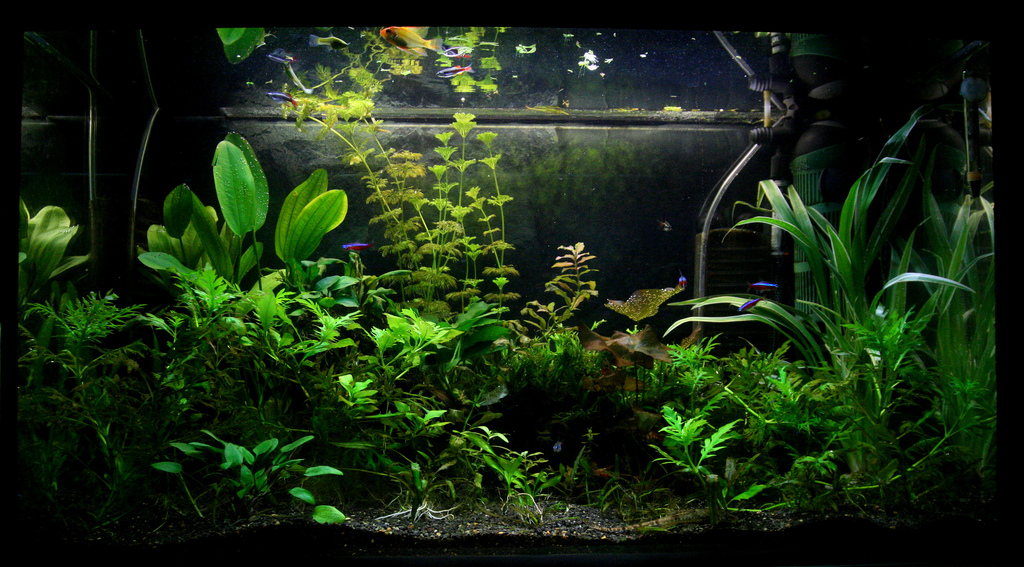
Most aquarium shrimp make a living with tiny pincers, picking biofilm and algae off every surface in the tank. Fan shrimp threw that plan out entirely. Instead of pincers, their front limbs end in delicate, feathery fans that they hold open in the current like nets, catching microscopic food as it drifts past.
Two species dominate this niche in the hobby: the bamboo shrimp (Atyopsis moluccensis) from Southeast Asia and the vampire shrimp (Atya gabonensis) from West Africa and South America. Both are peaceful, both are fascinating to watch, and both starve quietly in tanks that were never set up to feed them. This guide covers how fan feeding actually works, what these shrimp need, and how to tell the difference between a thriving filter feeder and a hungry one. For full species-specific care, see our dedicated guides to bamboo shrimp and vampire shrimp.
Quick Answer
Fan shrimp are filter feeders that catch suspended food particles with feathery fans instead of picking at surfaces. The two aquarium species are bamboo shrimp (2 to 3 inches, 72 to 82°F) and vampire shrimp (3 to 5 inches, 75 to 82°F). Both need a 20 gallon or larger tank with steady water flow, a mature system full of fine particles, and supplemental powdered food. A fan shrimp constantly picking at the substrate is not "cleaning," it is hungry, and that is your cue to feed more.
Fan Shrimp at a Glance
| Parameter | Bamboo Shrimp | Vampire Shrimp |
|---|---|---|
| Scientific name | Atyopsis moluccensis | Atya gabonensis |
| Origin | Southeast Asia | West Africa, South America |
| Adult size | 2-3 inches (5-8 cm) | 3-5 inches (8-13 cm) |
| Temperature | 72-82°F (22-28°C) | 75-82°F (24-28°C) |
| pH | 6.5-7.5 | 6.5-7.5 |
| GH | 4-10 dGH | 6-10 dGH |
| Minimum tank | 20 gallons | 20 gallons |
| Lifespan | 2-3 years (up to 5+) | 5+ years |
| Temperament | Peaceful | Peaceful, shy |
| Activity | Out in the current, day and night | Mostly hides, more active at night |
| Difficulty | Intermediate | Intermediate |
| Breeding in freshwater | Effectively impossible (larvae need brackish water) | Effectively impossible (larvae need brackish water) |
How Fan Feeding Works
A fan shrimp's front legs carry fans of fine bristles (setae) that work like plankton nets. The shrimp climbs to a high point in the current, usually a piece of driftwood or a rock near the filter outflow, faces into the flow, and spreads its fans. Suspended particles (algae, bacteria, biofilm fragments, micro-organisms, fine detritus) stick to the bristles. Every few seconds the shrimp folds one fan to its mouthparts, wipes it clean, and snaps it back open.
Watch one feed for a few minutes and the whole design makes sense: the fans open and close in a steady rhythm, like someone eating popcorn one handful at a time. It is the main reason people keep these shrimp, and it only happens when two things are true: there is real current, and there is food in that current.
This lifestyle explains almost every care requirement that follows. No flow means no food delivery. A spotless, newly set up tank means nothing worth catching. Fan shrimp do best in mature, slightly "dirty" systems with a steady conveyor belt of edible particles.
Bamboo Shrimp: The Popular One
Bamboo shrimp (also sold as wood shrimp, Singapore flower shrimp, or simply "fan shrimp" or "flower shrimp") are the entry point into filter feeders. They grow to 2 or 3 inches, wear a woodgrain pattern of browns and tans with a pale racing stripe down the back, and can shift color with mood and molt cycle.
Their biggest advantage over vampire shrimp is visibility. A settled bamboo shrimp claims a favorite perch in the current and sits there in the open for hours, fans spread, day after day. They are hardy within their range (72 to 82°F, pH 6.5 to 7.5) and completely peaceful, with no ability to harm even a baby shrimp.
The full rundown on setup, feeding, molting, and tank mates is in our bamboo shrimp care guide.
Vampire Shrimp: The Gentle Giant
Vampire shrimp are the heavyweight of the freshwater hobby: a stocky, armored-looking filter feeder that typically reaches 3 to 5 inches in aquariums, with wild specimens reported up to 6 inches. Despite the name (earned by spiky leg bristles, not behavior), they are arguably the shyest shrimp in the hobby. They can also change color over time, shifting between blue, gray, tan, rusty red, and near white.
Compared to bamboo shrimp, vampires prefer slightly warmer water (75 to 82°F), spend far more time hidden in caves and under wood, and do most of their open fan feeding after lights out. They are also long-lived for a shrimp: five years or more with good care is normal, which makes a starved vampire shrimp an especially avoidable tragedy.
Everything specific to this species, including hides, tank mates, and molting quirks, is in our vampire shrimp care guide.
Flow: The Requirement Everyone Underestimates
Fan shrimp come from rivers and streams, and current is not optional for them. Without flow, food never reaches the fans and the shrimp cannot feed normally.
- •Aim for visible, steady current through at least part of the tank. A hang-on-back or canister filter outflow works; many keepers add a small powerhead aimed along a piece of driftwood.
- •A common benchmark is turnover of roughly 6 to 10 times the tank volume per hour. For a 20 gallon tank, that means flow in the 120 to 200 gallons-per-hour range.
- •Give them a perch in the flow. Driftwood, rock, or broad plant leaves positioned in the outflow path let the shrimp climb up to where the food travels. If your fan shrimp immediately claims the spot in front of the filter return, you built it right.
- •Keep the rest of the tank calmer. They feed in current but molt and rest in quiet, sheltered spots, so provide both.
Air-driven sponge filters alone, the standard for dwarf shrimp tanks, usually do not move enough water for fan shrimp.
The Substrate-Picking Warning Sign
This is the single most important thing to know about fan shrimp, and it is the one new keepers miss.
A healthy, well-fed fan shrimp feeds from the water column. A fan shrimp that spends its time down on the substrate, sweeping its fans across the gravel or raking through sand for scraps, is telling you the water column is empty. Substrate picking is a hunger behavior, not cleaning behavior.
It matters because these shrimp starve slowly. A bamboo or vampire shrimp can survive weeks while losing condition, and by the time it stops moving, the damage is done. If you see persistent bottom-picking, act on it the same week: increase feeding, check that your flow actually carries food past their perch, and make sure an over-efficient filter is not stripping every particle out of the water before the shrimp get a shot at it.
Feeding Fan Shrimp
In a large, mature, moderately stocked tank, fan shrimp find a fair amount of food on their own. Almost no home aquarium provides enough on its own forever, so plan to supplement:
- •Powdered and fine foods: crushed algae wafers or flake ground to dust, spirulina powder, powdered shrimp foods such as Bacter AE or golden pearls, and freshly hatched or frozen baby brine shrimp.
- •Target feed into the current. Mix a small pinch of powder in a cup of tank water and pour or pipette it upstream of the shrimp's perch so the flow carries it through their fans. Feeding this way a few times a week keeps them conditioned.
- •Time it around filter maintenance, not right after. A freshly cleaned, high-polish filter strips particles fast. Some keepers briefly turn the filter output down (not off) during target feeding so food stays in the water longer.
- •Do not overdo it. Powdered food that nobody catches becomes ammonia. Small, frequent doses beat one big cloud. Our shrimp feeding guide covers the wider menu for mixed tanks.
Tank Size and Setup
Both species need more room than dwarf shrimp, for one simple reason: bigger water volume means more suspended food and more stable conditions.
- •20 gallons is the practical minimum for either species, and bigger is genuinely better. Some keepers recommend 30 gallons or more for vampire shrimp groups.
- •Mature tanks only. A tank running six months or more has the biofilm and particle load fan shrimp depend on. Adding a fan shrimp to a freshly cycled sterile setup is a slow-motion starvation risk.
- •Hardscape in the flow path for feeding perches, plus caves and cover for molting (especially for vampires).
- •Standard shrimp-safe rules apply: zero ammonia and nitrite, no copper-based medications, and peaceful tank mates. Both species are completely safe with dwarf shrimp, snails, and small community fish.
Neither species will breed for you in freshwater. Both release larvae that need brackish or marine water to develop, so every fan shrimp for sale is wild-caught. Buy active specimens with intact fans, and expect them to hide for the first week or two.
Bamboo or Vampire: Which Fan Shrimp Should You Get?
- •Choose bamboo shrimp if you want to actually see the behavior. They perch in the open, feed by day, and are usually cheaper and easier to find.
- •Choose vampire shrimp if you want the impressive one. Bigger, longer-lived, color-changing, and undeniably cool, but be honest with yourself: many vampires are seen a few times a month, not a few times a day.
- •You can keep both in a larger tank. They occupy the same niche without aggression, though they will compete for the best feeding perches, so provide several spots in the current.
The Bottom Line
Fan shrimp are the closest thing freshwater has to keeping a living plankton net, and watching a bamboo or vampire shrimp work a current never really gets old. Give them a 20 gallon or larger mature tank, real flow with a perch in it, and regular powdered food delivered into the current, and they are unfussy, peaceful, long-lived tank mates. Skip those things and you get the classic failure case: a fan shrimp scraping the gravel, slowly starving in a tank full of food it cannot catch. Get the setup right first, then pick your species with our bamboo shrimp and vampire shrimp guides.
Related Guides
- •Bamboo Shrimp Care - Full guide to the Singapore flower shrimp
- •Vampire Shrimp Care - Full guide to the gentle giant
- •What Do Shrimp Eat? - Feeding the whole tank
- •How to Cycle a Shrimp Tank - The mandatory first step
Frequently Asked Questions
◆What is a fan shrimp?
A fan shrimp is any freshwater shrimp that feeds by filtering particles from the water with feathery fans on its front limbs instead of picking at surfaces with pincers. In the aquarium hobby, the term almost always means bamboo shrimp (Atyopsis moluccensis) or vampire shrimp (Atya gabonensis).
◆Why is my fan shrimp picking at the gravel?
Persistent substrate picking means the shrimp is not catching enough food from the water column. It is a hunger warning, not cleaning behavior. Increase powdered food, target feed into the current, and check that your flow actually carries particles past the shrimp's perch.
◆Can fan shrimp live with cherry shrimp and fish?
Yes. Both bamboo and vampire shrimp are completely peaceful and physically incapable of harming tank mates, so they work with dwarf shrimp, snails, and peaceful community fish. The usual limits apply in the other direction: no large or aggressive fish that would eat the shrimp.
◆Do fan shrimp need a heater?
In most homes, yes or probably. Bamboo shrimp want 72 to 82°F and vampire shrimp 75 to 82°F, which is warmer than many rooms hold year-round. A basic adjustable heater keeps them in range and, just as important, keeps the temperature stable.
Found this helpful?
Check out our other shrimp care guides