Caridina vs Neocaridina Shrimp: Which Should You Keep?
Caridina vs Neocaridina shrimp: Neocaridina (cherry shrimp) are hardy and beginner-friendly, while Caridina (crystal shrimp) need soft, acidic water and more care. Here's how to choose.
Caridina vs Neocaridina Shrimp
Last updated: June 2026 | 9 min read
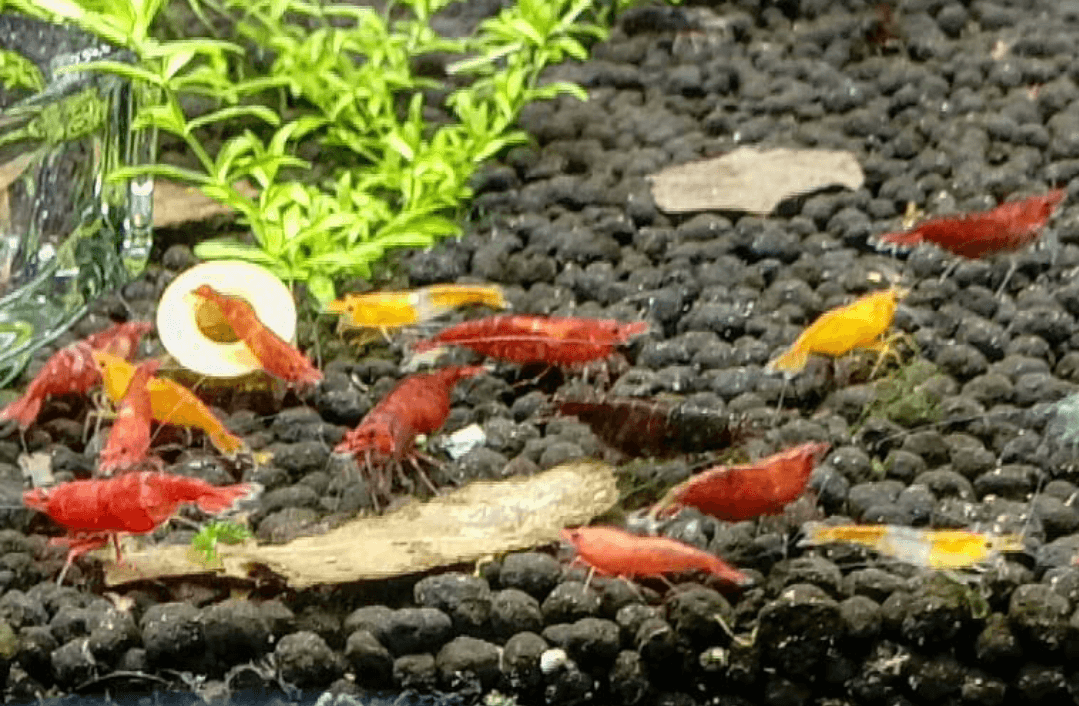
If you've spent any time researching freshwater shrimp, you've hit these two words: Caridina and Neocaridina. They're the two main groups of dwarf shrimp in the hobby, and choosing between them is the single most important decision a new shrimp keeper makes. Pick the wrong one for your water and experience level, and you'll struggle. Pick the right one, and you'll succeed.
The short version: Neocaridina are the hardy, beginner-friendly shrimp (cherry, blue dream, yellow). Caridina are the sensitive, advanced shrimp (crystal red, crystal black, bee shrimp). This guide breaks down exactly how they differ and which is right for you.
Quick Answer
Choose Neocaridina if you're a beginner, want low-maintenance shrimp, or want to use your tap water. They tolerate a wide range of conditions and breed easily.
Choose Caridina if you have soft, acidic water (or are willing to use RO water and remineralizers), want a challenge, and are drawn to the striking crystal patterns. They need precise, stable, soft-water conditions.
The Core Difference: Water Chemistry
Everything about choosing between these two comes down to water.
Neocaridina want harder, neutral-to-alkaline water. They thrive in pH 6.5-7.5 with moderate hardness, which is exactly what comes out of most taps. This is why they're so beginner-friendly: many people can keep them in dechlorinated tap water with no special equipment.
Caridina want softer, acidic water. They need pH 5.8-6.8 with low hardness, conditions that tap water almost never provides. To keep them, most people use RO (reverse osmosis) water remineralized to exact parameters, plus an active substrate that buffers the pH down. That's more cost, more equipment, and more precision.
This single difference drives everything else.
Side-by-Side Comparison
| Factor | Neocaridina | Caridina |
|---|---|---|
| Common types | Cherry, Blue Dream, Yellow, Blue Velvet | Crystal Red, Crystal Black, Bee, Tiger |
| Difficulty | Beginner | Intermediate to advanced |
| pH | 6.5-7.5 | 5.8-6.8 |
| Hardness | Moderate (GH 6-8) | Soft (GH 4-6, KH 0-1) |
| Water source | Often tap water | Usually RO + remineralizer |
| Substrate | Inert (gravel, sand) | Active buffering soil |
| Temperature | 65-78°F | 62-74°F (cooler) |
| Forgiveness | Very forgiving | Sensitive to swings |
| Breeding | Very easy | Easy once water is right |
| Cost to set up | Low | Higher |
Difficulty: Be Honest With Yourself
Neocaridina forgive mistakes. A small parameter swing, a slightly late water change, imperfect numbers, they shrug most of it off. This is why they're the universal recommendation for a first shrimp tank. Our cherry shrimp care guide is the best starting point.
Caridina punish mistakes. They need stable, soft, acidic water held precisely, and they react badly to swings in pH or TDS. They're not impossible, plenty of beginners keep crystal shrimp successfully, but they demand that you get your water parameters right and keep them right. If you're not ready to use RO water and test regularly, start with Neocaridina. Our crystal red shrimp guide covers the Caridina side in detail.
Appearance
This is where Caridina win for many people. The crystal shrimp (Crystal Red, Crystal Black) have bold white-and-red or white-and-black banding that looks painted on. Bee shrimp and Taiwan bees come in stunning patterns that command high prices.
Neocaridina come in solid colors: bright red (cherry), deep blue (blue dream), yellow, green, and more. They're vivid and beautiful in their own way, just solid color rather than pattern.
Neither is "better" looking; it's personal taste. But if detailed patterns are what drew you to shrimp, that's the Caridina world.
Can You Keep Them Together?
Technically you can keep Caridina and Neocaridina in the same tank, and they won't interbreed (they're different genera). But it's usually a bad idea, because their ideal water conditions conflict. Neocaridina want harder, more alkaline water; Caridina want soft and acidic. You'd have to compromise on parameters that suit neither perfectly.
If you keep both, you'd target a middle ground (around pH 6.8-7.0, moderate-soft water) and accept that neither is in its ideal zone. Most keepers run separate tanks instead. The good news: since they don't interbreed, there's no color-degradation risk like there is with mixing Neocaridina colors.
Which Should You Choose?
Start with Neocaridina if:
- •This is your first shrimp tank
- •You want to use tap water
- •You want low-maintenance, forgiving shrimp
- •You want fast, easy breeding
- •You're on a budget
Go with Caridina if:
- •You have soft, acidic tap water (or will use RO)
- •You're comfortable testing and dialing in parameters
- •You want the bold crystal patterns
- •You've kept Neocaridina successfully and want a step up
For the large majority of people, especially beginners, the answer is Neocaridina. You can always graduate to Caridina later once you've got the basics down. Many experienced keepers run both, in separate tanks.
Getting Started
Whichever you choose, the fundamentals are the same: cycle your tank fully before adding shrimp, keep parameters stable, plant it heavily with moss, and feed lightly. Read how to cycle a shrimp tank and our complete setup guide before you buy any shrimp.
The Bottom Line
Neocaridina and Caridina are the two pillars of the shrimp hobby. Neocaridina (cherry and friends) are hardy, tap-water-friendly, and perfect for beginners. Caridina (crystal and bee shrimp) are sensitive soft-water specialists with stunning patterns, better suited to keepers ready to manage precise conditions. When in doubt, start with Neocaridina, succeed, and let that success decide whether you want to take on Caridina next.
Related Guides
- •Cherry Shrimp Care - The classic Neocaridina starter
- •Crystal Red Shrimp Care - A popular Caridina
- •Shrimp Water Parameters Guide - Hitting the right numbers
- •Tap Water vs RO Water for Shrimp - Which water each group needs
Frequently Asked Questions
◆What is the difference between Caridina and Neocaridina shrimp?
Neocaridina shrimp (cherry, blue dream, yellow) are hardy and thrive in harder, neutral water like most tap water, making them beginner-friendly. Caridina shrimp (crystal red, crystal black, bee) need soft, acidic water, usually RO water remineralized to exact parameters, and are more sensitive. They're different genera and don't interbreed.
◆Are Neocaridina or Caridina easier to keep?
Neocaridina are much easier. They tolerate a wide range of stable conditions, forgive mistakes, and often live in dechlorinated tap water. Caridina need precise soft, acidic water held stable and are less forgiving of swings, making them better for intermediate keepers.
◆Can Caridina and Neocaridina live together?
They can coexist and won't interbreed, but their ideal water conditions conflict: Neocaridina want harder alkaline water while Caridina want soft acidic water. Keeping them together means compromising on parameters that suit neither perfectly, so most keepers use separate tanks.
◆Do Caridina and Neocaridina crossbreed?
No, Caridina and Neocaridina are different genera and cannot interbreed, so there's no risk of muddy hybrid offspring. The crossbreeding problem only happens when you mix different color morphs within the same group, like keeping cherry and blue Neocaridina together.
◆Which shrimp is best for beginners?
Neocaridina shrimp, specifically cherry shrimp, are the best for beginners. They're hardy, breed readily, often thrive in tap water, and forgive the small mistakes new keepers make. Start with cherries, get comfortable, then consider Caridina later if you want a challenge.
Found this helpful?
Check out our other shrimp care guides