What Do Shrimp Eat? The Complete Freshwater Shrimp Diet Guide
What do freshwater shrimp eat? Aquarium shrimp graze on biofilm and algae all day, plus blanched vegetables, leaf litter, and supplemental foods. Here's exactly what to feed and how often.
What Do Shrimp Eat?
Last updated: June 2026 | 11 min read
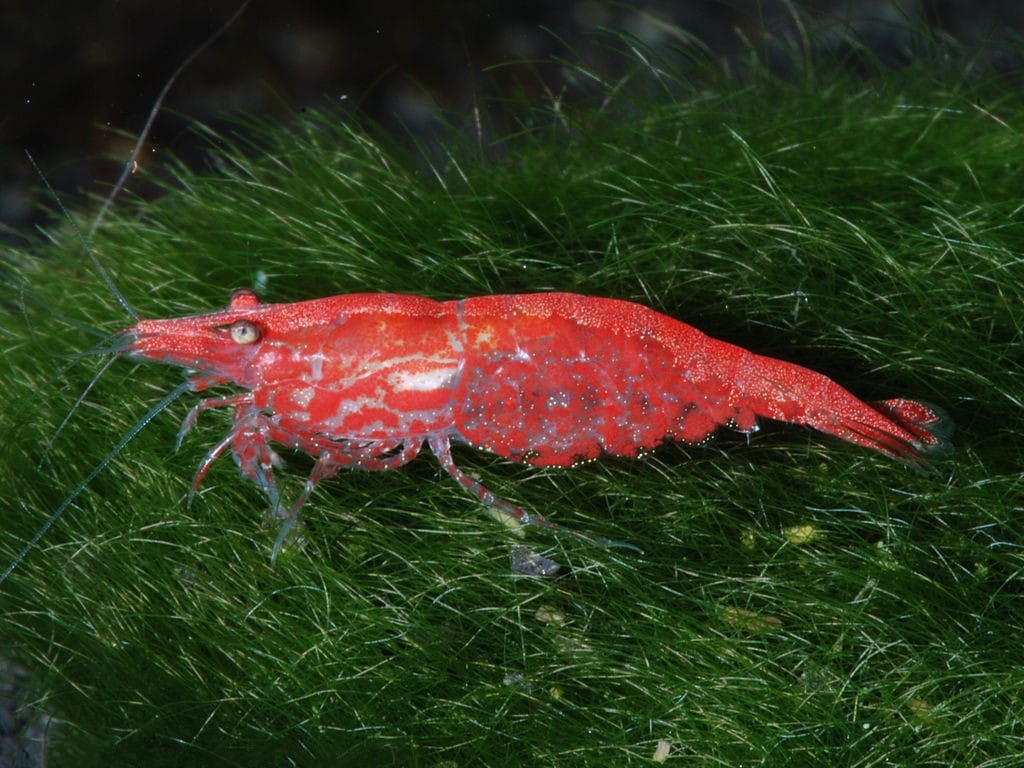
Freshwater shrimp are constant grazers. In a healthy, established tank they spend almost every waking moment picking at surfaces, and most of what they eat is invisible to you. That's the single most important thing to understand about feeding shrimp: they are not like fish that need a meal dropped in twice a day. They are tiny cleanup machines that mostly feed themselves.
This guide covers exactly what aquarium shrimp eat in the wild and in your tank, what to feed them, how much, how often, and the mistakes that kill more shrimp than starvation ever does.
Quick Answer
Freshwater shrimp are omnivorous scavengers. Their diet is built on:
- •Biofilm - the invisible microbial layer growing on every surface (their #1 food)
- •Algae - soft green and brown algae they graze constantly
- •Leaf litter and detritus - decaying plant matter and the microorganisms in it
- •Supplemental foods - prepared shrimp foods, blanched vegetables, and the occasional protein
In a mature tank, shrimp find most of their own food. You only need to add a small amount of supplemental food a few times a week.
What Shrimp Eat in the Wild
Wild dwarf shrimp like Neocaridina live in streams, ponds, and slow rivers across Asia. They are detritivores and grazers, which means they eat dead and decaying organic matter plus the film of life that grows on it.
A wild shrimp's day is spent walking over rocks, leaves, and plants, scraping off:
- •Biofilm (bacteria, fungi, and microorganisms bound in a slimy layer)
- •Algae growing on surfaces
- •Decomposing leaves and plant matter
- •Dead insects, dead fish, and other animal matter they scavenge
They are not hunters and they are not picky. If it's small, soft, and organic, a shrimp will graze on it. This is why they thrive in aquariums: a planted tank recreates exactly this buffet.
Biofilm: The Food You Can't See
Biofilm is the most important food in any shrimp tank, and it's the thing beginners overlook because it's invisible.
Biofilm is a thin, slippery layer of bacteria and microorganisms that coats every surface underwater: glass, rocks, driftwood, plants, and especially moss. Shrimp graze it all day long. When you see a shrimp picking at a leaf or the glass, biofilm is usually what it's eating.
This is also why a brand-new tank is a bad home for shrimp. A new tank has no biofilm yet, so there's nothing for shrimp to graze. A mature tank that's been running for a few months is covered in it. If you're setting up, read how to cycle a shrimp tank first, and let it age before adding shrimp.
You can encourage biofilm by adding leaf litter, driftwood, and moss, and by not over-cleaning every surface in the tank.
Do Shrimp Eat Algae?
Yes, shrimp eat soft algae, and they're good at it. Cherry shrimp, Amano shrimp, and most dwarf species graze on the soft green and brown algae films that grow on glass, plants, and hardscape.
A few honest caveats:
- •Shrimp eat soft algae, not the tough stuff. They'll clear soft green film and diatoms, but they won't touch black beard algae or stubborn spot algae. For a full plan, see shrimp tank algae control.
- •Amano shrimp are the algae champions. If algae control is your goal, Amano shrimp eat far more than cherry shrimp. Our Amano shrimp care guide covers why.
- •Shrimp won't fix an algae problem caused by too much light or nutrients. They help, but the real fix is reducing light and excess nutrients.
What to Feed Shrimp in Your Tank
Even though shrimp graze constantly, a mature tank eventually needs supplemental food to keep a growing colony fed. Here's what to offer.
◆Prepared Shrimp Foods
Purpose-made shrimp foods are formulated for their nutritional needs and are the easiest reliable option. Good staples include algae wafers and shrimp-specific pellets. A tub of quality shrimp food lasts months because you feed so little. For the full breakdown of brands and types, see our best food for shrimp guide.
◆Blanched Vegetables
Shrimp love soft vegetables, and they're cheap and natural. Blanch (briefly boil, then cool) a small piece and drop it in:
- •Zucchini
- •Spinach
- •Cucumber
- •Carrot
- •Green beans
Blanching softens the vegetable so shrimp can graze it. Remove any uneaten vegetable after a few hours so it doesn't foul the water.
◆Leaf Litter and Botanicals
Dried leaves are a natural shrimp food and tank conditioner in one. Indian almond leaves (catappa leaves) slowly break down and grow biofilm that shrimp graze for weeks. They also release beneficial tannins. Our Indian almond leaves guide explains how to use them.
◆Protein (Occasionally)
Shrimp are omnivores and benefit from occasional protein, especially a breeding colony. Many shrimp foods include it, or you can offer a tiny amount of a protein-rich food now and then. Don't overdo it. Too much protein fouls water and can trigger bacterial issues.
How Often Should You Feed Shrimp?
This is where most beginners go wrong. Shrimp need far less food than you think.
Feed a mature, planted tank 2 to 4 times a week, not daily. A colony grazing on biofilm and algae is already eating constantly. The supplemental food is a top-up, not a meal.
A good rule: offer only as much as your colony can finish in 2 to 3 hours. If food is sitting uneaten after that, you fed too much. Remove the excess.
Signs you're feeding the right amount:
- •Shrimp swarm food quickly when added
- •No leftover food rotting on the substrate
- •Active, well-colored shrimp that are breeding
The Biggest Feeding Mistake: Overfeeding
Overfeeding kills more shrimp than underfeeding ever will. Here's why.
Uneaten food decays, which spikes ammonia and nitrite. Shrimp are highly sensitive to both, and an ammonia spike from rotting food can wipe out a colony. Overfeeding also fuels pest outbreaks like planaria and hydra, which thrive on excess food.
A shrimp colony can go a week without supplemental food and be completely fine. They'll graze biofilm in the meantime. When in doubt, feed less. Test your water regularly with a liquid test kit so you catch any spike early, and if you're losing shrimp, work through our why are my shrimp dying guide.
What Baby Shrimp Eat
Newly hatched shrimplets eat the same thing adults do, just smaller: biofilm and microorganisms. They don't need special food. What they need is surface area to graze and cover to hide in.
This is exactly why moss is so valuable in a breeding tank. Dense moss traps biofilm and gives shrimplets a safe place to feed and grow. A tank set up for breeding barely needs extra feeding for the babies at all, because the biofilm does the work. For more, see how to breed cherry shrimp.
Do Shrimp Eat Fish Poop?
A common question, and the answer is mostly no. Shrimp are scavengers, but they don't seek out fish waste as food. They'll pick through detritus on the substrate looking for biofilm and edible particles, which can look like they're eating waste, but fish poop has little nutritional value to them. Shrimp are cleanup crew in the sense that they eat leftover food, dead plant matter, and dead animals, not in the sense that they dispose of fish waste.
The Bottom Line
Freshwater shrimp eat biofilm, algae, decaying plant matter, and the occasional supplemental food. In a mature, planted tank they mostly feed themselves, and your job is just to add a small amount of prepared food or blanched vegetables a few times a week. The golden rule is to underfeed rather than overfeed. A hungry shrimp grazes more; an overfed tank crashes. Give them a mature tank full of moss and surfaces to graze, feed lightly, and your colony will thrive.
Related Guides
- •Best Food for Shrimp - Specific foods and brands ranked
- •Shrimp Tank Algae Control - What shrimp will and won't eat
- •Best Moss for Shrimp Tanks - The biofilm factory
- •How to Breed Cherry Shrimp - Feeding a growing colony
Frequently Asked Questions
◆What do freshwater shrimp eat?
Freshwater shrimp eat biofilm, soft algae, decaying plant matter, and supplemental foods like algae wafers and blanched vegetables. In a mature planted tank they graze on biofilm and algae all day and need only a small amount of added food a few times a week.
◆Do shrimp eat algae?
Yes, shrimp eat soft green and brown algae that grow on glass, plants, and hardscape. They won't eat tough algae like black beard algae, and they won't fix an algae problem caused by excess light or nutrients, but they're a genuine help. Amano shrimp eat the most algae of the common species.
◆What do cherry shrimp eat?
Cherry shrimp eat biofilm, algae, leaf litter, blanched vegetables, and prepared shrimp foods. They graze constantly on surfaces and need very little supplemental feeding in an established tank, usually 2 to 4 small feedings a week.
◆How often should I feed my shrimp?
Feed a mature shrimp tank 2 to 4 times a week, offering only what they finish in 2 to 3 hours. Shrimp graze biofilm constantly, so supplemental food is a top-up. Overfeeding is the most common and most dangerous mistake, since rotting food spikes ammonia.
◆What do baby shrimp eat?
Baby shrimp (shrimplets) eat biofilm and microorganisms, the same as adults but smaller. They don't need special food. A tank with plenty of moss and surfaces provides everything they need to feed and grow, which is why moss is essential for breeding.
Found this helpful?
Check out our other shrimp care guides