How to Tell if a Mystery Snail Is Dead (and When It Just Looks Dead)
How to tell if a mystery snail is dead: the smell test, the trapdoor check, floating and hanging-out states that look dead but aren't, and what to do next.
📅 Published 2026-09-14
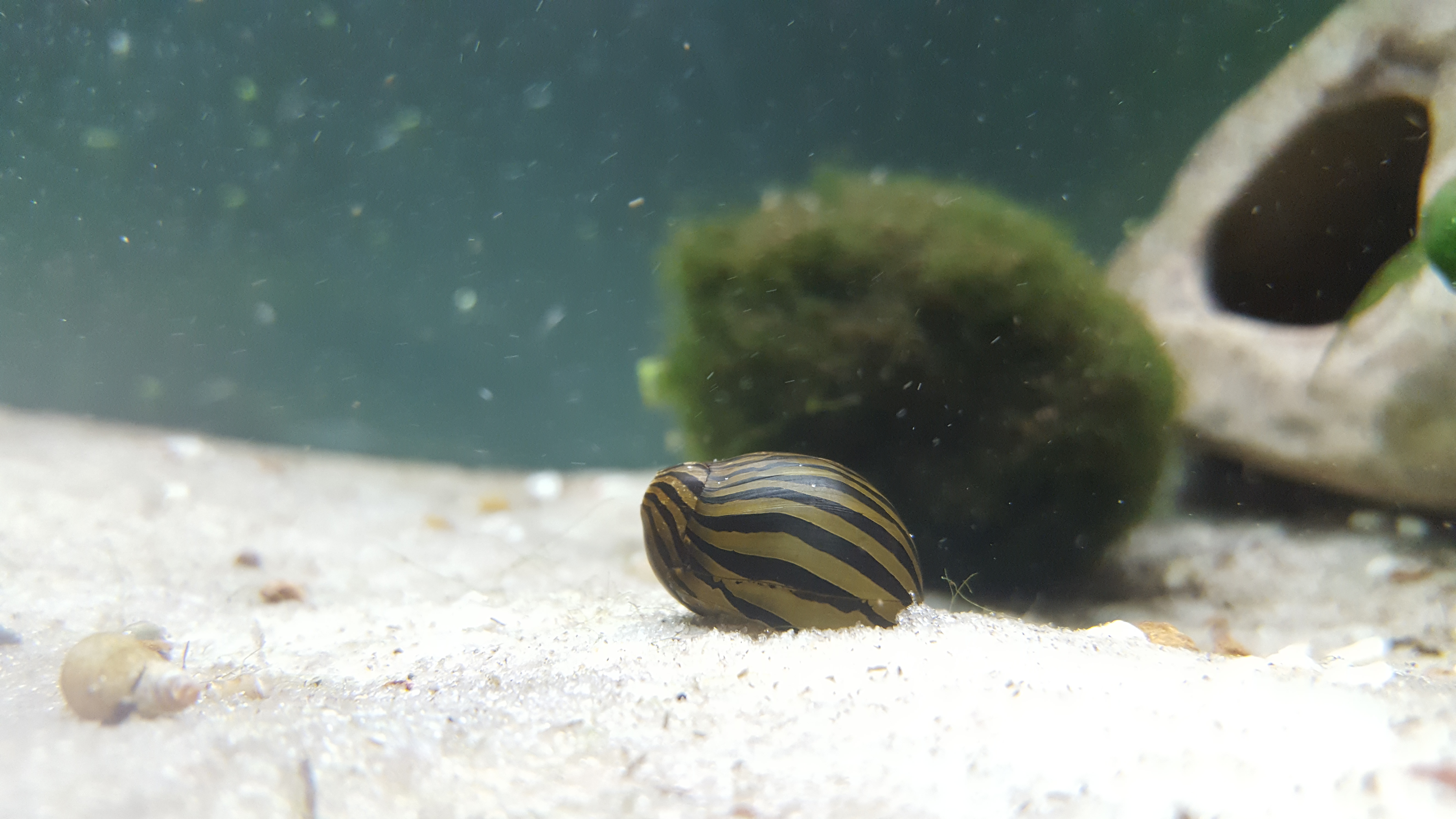
A mystery snail that hasn't moved in two days is not necessarily a dead mystery snail. These snails seal up and sit still for days, float at the surface on purpose, and sometimes flop halfway out of the shell while perfectly alive. The problem is that a snail that really has died turns into a golf ball of rotting protein, and in a shrimp tank that can push ammonia up fast enough to take shrimp with it. So you need a way to decide, and it needs to be right.
Here's how to tell if a mystery snail is dead, in the order that gets you a reliable answer fastest, followed by the same checks for nerites, ramshorns, and bladder snails.
Quick Answer
The smell test settles it. Lift the snail out of the water and sniff the shell opening. A living snail smells like nothing, or faintly like tank water. A dead one gives off a rotten, sulfur-heavy stench you'll notice before the shell reaches your nose. Aquarium Co-Op's mystery snail guide puts it the same way: an overpowering stench means the snail has died.
If there's no smell, check the trapdoor. Gently press the operculum, the hard plate that seals the shell. A living snail holds it with real resistance, or already has it shut tight. A loose plate, a body hanging limp with no reaction to touch, or a shell that feels empty and light all point to death. No smell and a firm trapdoor means the snail is alive, however long it's been still.
Step 1: The Smell Test
It's the check to do first because it's decisive within seconds. AquariumStoreDepot calls it the most reliable method and describes the odor as "a pungent smell like rotting food." Aquaticmotiv's floating guide describes the same rotten-egg smell. That odor is the snail's body decomposing, and in a 76F tank it doesn't take long to start.
Do it properly. Net the snail, lift it clear of the water, and hold the shell opening an inch from your nose; the smell concentrates in the aperture. If you get nothing, or just the faint mineral smell of aquarium water, your snail is almost certainly alive. If you get a smell that makes you pull your head back, it's dead. There isn't much middle ground.
One caution. A snail that died an hour or two ago may not smell much yet. If the other checks are ambiguous, put it back and test again in 12 hours.
Step 2: The Trapdoor (Operculum) Check
Mystery snails have an operculum, a hard oval plate on the back of the foot that closes the shell opening like a door when the snail withdraws. Muscle holds it in place, and that muscle is what you're testing.
Pick the snail up and look at the opening. One of three things will be true.
The trapdoor is shut tight. Good news. A sealed snail is holding that door closed with living muscle, and dead snails can't do that. AquariumStoreDepot's guide notes that mystery snails and nerites seal up with the operculum and go dormant for days or weeks while looking dead the whole time.
The trapdoor is open and the body is retracted, but the plate resists when you press it. Also alive. Hold the shell in one hand and press the operculum gently with a fingertip; a living snail pulls back or holds firm. Don't force it. The plate is attached to the foot, and pushing hard can injure the snail.
The trapdoor is loose, hanging off, or has fallen down inside the shell. This is the sign that matters. Aquaticmotiv describes a dead snail's tissue as "loose or mushy" with "zero muscle response." Hepper's vet-approved guide says an operculum that seems to be coming loose from the meat of the foot means the snail is dead or gravely ill. Combined with a smell, it's conclusive.
Step 3: Touch and Retraction
If the body is out of the shell, touch it. Brush the foot or the tentacles with a fingertip or the handle of a net. A living mystery snail pulls its tentacles in first, then draws the body back toward the shell, sometimes slowly. A dead one does nothing, and the body feels limp rather than firm.
Mystery snails hang out of their shells more than people expect, so an extended body on its own means nothing. Infishtank's guide on the behavior describes snails hanging out to stretch, reposition, or reach food with their long tentacles. The difference between resting and dead is entirely in the response. Slime on the foot and no smell are good signs; a limp, unresponsive body with the operculum dangling is not.
Things That Look Dead but Aren't
This is where most false alarms come from. Mystery snails do at least four things that make a worried keeper reach for the net.
Floating. Mystery snails have both gills and a lung, and they breathe air through a long siphon they extend from the left side of the body. Aquarium Co-Op's care guide explains that holding air in the lung makes the snail float and releasing it lets the snail drop. This is deliberate. Aquaticmotiv lists it as the number one reason for floating: the snail traps a bubble to cross the tank, ride the filter current, or graze biofilm at the surface. They can bob there for hours or days, sometimes sealed in the shell the whole time. A floating snail with a closed trapdoor and no smell is napping, not dead.
Sealing up for days. After a water change, a move, or a temperature swing, a mystery snail will often clamp shut and sit on the substrate. Newly shipped snails are the worst offenders and can take two or three days to start moving. Our mystery snail care guide notes that a snail that seals up and floats for a day after a move is usually just adjusting.
Hanging limp out of the shell. Less common, but it happens after a fall off the glass or a rough acclimation. Do the touch test. If it retracts, however slowly, leave it alone and check again in a few hours.
Lying upside down. A snail that landed shell-down may struggle, give up, and wait. Turn it foot-down and see whether it has moved on within a few hours.
How Long Should You Wait?
Longer than feels comfortable, as long as there's no smell.
Aquarium Co-Op suggests checking a snail that hasn't moved in 24 to 48 hours: pick it up, and if it reacts, it's alive. Bettacarefishguide says that if a snail hasn't moved in three days you should give it more time rather than assume the worst. AquariumStoreDepot stretches that to weeks for a sealed-up snail.
The practical routine: any snail still for more than 48 hours gets the smell test. No smell means it goes back in and you check again the next day. Repeat daily. A living snail will eventually move, and a dead one will announce itself within a day or two by the smell. What you shouldn't do is pull a sealed, odorless snail out of the tank and bin it. Keepers have thrown away living snails that way.
While you wait, look at the water. A snail that stays sealed for a week in a tank that recently spiked ammonia, dropped below 68F, or had a medication dosed is telling you something. Check the numbers against our shrimp water parameters guide; the ranges that suit Neocaridina suit mystery snails too.
What to Do With a Dead Mystery Snail
Once the smell test confirms it, act the same day.
Remove the body, shell and all. Don't leave it for the shrimp to clean up. A mystery snail is about 2 inches across, and that's a lot of tissue for a 10 gallon tank. Aquariumgenius warns that a dead snail "will produce a lot of ammonia in a short period of time" and can set off a domino effect where one death causes the next. AquariumStoreDepot says the same: dead snails release a large amount of ammonia and call for an immediate water change.
Test for ammonia right away, then again 24 hours later. An API Freshwater Master Test Kit reads ammonia, nitrite, nitrate, and pH, and it's the kit to reach for here. Shrimp tolerate far less ammonia than fish. The Shrimp Farm puts the safe ceiling at 0.03 ppm and Aquariumbreeder at 0.05 ppm; either way, the first color step on the API card, 0.25 ppm, is already harmful. Ammonia is also more toxic at the pH 7.5 to 8.0 most mystery snail tanks run, because more of it sits in the un-ionized form.
If ammonia reads anything above zero, change 40 to 50 percent of the water with temperature-matched, dechlorinated water, and dose Seachem Prime to bind what's left while the filter catches up. Retest the next day.
If shrimp start acting off in the following days, darting, sitting motionless at the surface, or dying, the dead snail is the likely cause. Our guide on why shrimp are dying walks through ammonia poisoning and what to do about it.
Dead Nerite Snail: The Most Common False Alarm
Nerites get declared dead more than any other aquarium snail, and it's usually premature. Nerites breathe with gills rather than a lung, so they don't float on purpose the way mystery snails do, but they go dormant for stretches that alarm even experienced keepers.
Aquaplanet's guide puts it plainly: "A day or two of no movement is normal," "two to three days in the same spot is common, and some sit still for up to a week." A brand new nerite can stay dormant for several days while it gets used to the water. Bettacarefishguide adds that nerites can snooze for days at a time, and a FishForums thread titled "Snail is alive but hasn't moved in 6 days" tells you what real keepers run into.
The checks are the same as for a mystery snail, with two nerite-specific tells.
Grip. A dormant nerite usually stays stuck to the glass or a rock, held by its foot and slime. Aquaplanet says a snail that's firmly stuck with its trapdoor closed and its body tucked in is generally fine, and AquariumStoreDepot notes that dead snails can't adhere and drop off or float away. A nerite lying loose on the substrate, particularly upside down with the trapdoor open, needs the smell test now.
Timing. Nerites are more active after dark. Aquaplanet recommends checking once the tank is dark before deciding anything. Plenty of "dead" nerites are grazing the glass at 11 pm.
A floating nerite is a different case. Aquifarm's guide on nerite breathing notes they have no lung, and FishLore threads on floating nerites usually end with a bubble trapped in the shell after a fall, expelled within a day. Fish it out, do the smell test, and put it back foot-down.
Nerites shouldn't be left upside down, because they can struggle to right themselves without something to grab, so turn a stranded one over while you decide. Our nerite snail care guide covers the shell erosion and acclimation losses that kill nerites in the first place.
Ramshorn and Bladder Snails
These smaller snails need a different check because they have no operculum at all. Ramshorns and bladder snails are pulmonates, air-breathing snails without a trapdoor, so there's nothing to press on.
Look at the shell instead. A living ramshorn or bladder snail pulled into its shell still has a body filling the opening. A dead one has a body that has shrunk back and started to rot, or the shell is empty: light, translucent, and often white and pitted. The classic dead posture is the body hanging limp with the tentacles drooping and no retraction when touched.
These snails are small enough that a single death rarely dents water quality, but a mass die-off can. If you find a lot of empty ramshorn or bladder snail shells at once, test for ammonia and check the pH. A pH crash dissolves their shells and kills them, and it will be hurting your shrimp too.
Frequently Asked Questions
◆How long can a mystery snail go without moving?
Several days is normal, and sealed-up snails sometimes stay put for a week or more, particularly after shipping or a water change. Aquarium Co-Op suggests checking any snail still for 24 to 48 hours by picking it up. If it reacts and doesn't smell, leave it be and check again tomorrow.
◆Does a dead mystery snail float or sink?
Either. A dead snail with gas building inside the shell can float, but living mystery snails float on purpose by holding air in the lung, so floating alone tells you nothing. Judge by smell and by whether the trapdoor holds firm, not by where the snail is sitting in the tank.
◆Will a dead snail hurt my shrimp?
Yes, if you leave it. A decomposing mystery snail releases ammonia quickly, and The Shrimp Farm and Aquariumbreeder put the harm threshold for shrimp at 0.03 to 0.05 ppm. Remove the body the day you confirm death, test with a master kit, and do a water change if ammonia reads above zero.
◆Why did my mystery snail come out of its shell?
Mystery snails stretch, reposition, and reach for food with their bodies well out of the shell, so this is usually normal. Touch the foot gently: a living snail retracts. A snail hanging limp with the operculum dangling and no response to touch has died or is close to it.
◆Should I leave a dead snail's shell in the tank?
The empty shell is fine to leave in once the body is gone and it's been rinsed. The body is the problem. Remove it as soon as the smell test confirms death, then test for ammonia over the next two days and change water if it reads above zero.
The Bottom Line
Smell decides it. A dead mystery snail stinks within a day, and a snail with no smell and a firm trapdoor is alive no matter how long it's been still. Pull a confirmed body the same day and test for ammonia, because in a shrimp tank that's the real danger. If you're still choosing snails for a shrimp tank, our guide to whether shrimp can live with snails covers which species get along.
Found this helpful?
Check out our other shrimp care guides