Mystery Snail Care Guide: Colors, Size, Lifespan & Shrimp Compatibility
Mystery snails are big, colorful, peaceful snails perfect for shrimp tanks. Learn water parameters, gold/blue/ivory colors, feeding, lifespan, and the breathing siphon.
Mystery Snail Care Guide
Last updated: July 2026 | 9 min read
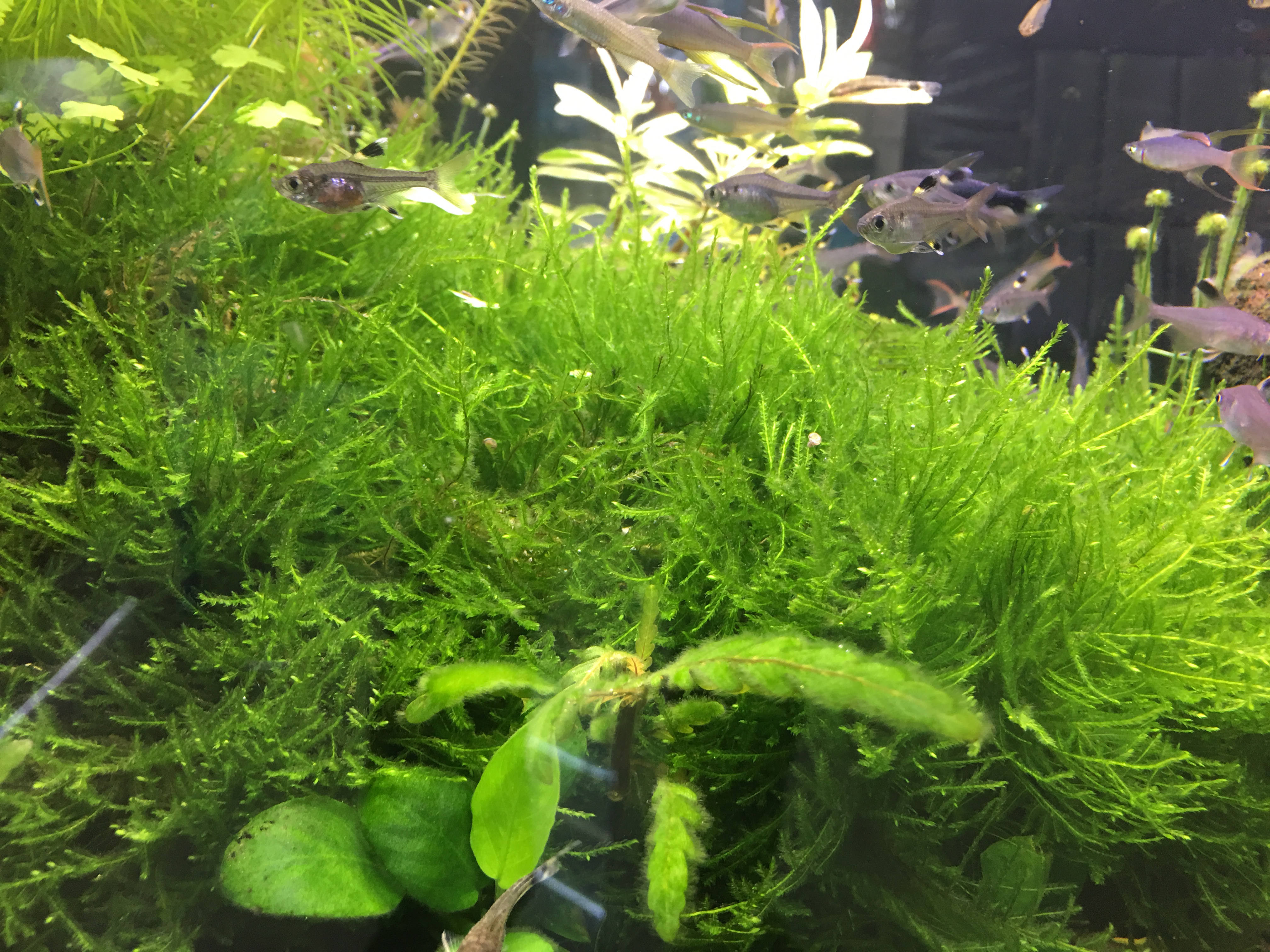
Mystery snails are the friendly giants of the snail world. Where a nerite or a ramshorn is a small background grazer, a mystery snail is a golf-ball-sized, brightly colored personality that cruises the glass, waves its long tentacles around, and floats to the surface for air. They come in gold, blue, ivory, and purple, they are peaceful with shrimp, and they are one of the easiest snails to keep. This guide covers their parameters, colors, feeding, lifespan, and the quirky breathing siphon that makes them so fun to watch.
Quick Answer
Mystery snails (Pomacea bridgesii) are large, peaceful freshwater snails that reach about 2 inches across and live 1 to 2 years on average. They thrive at 70 to 78°F, pH 7.5 to 8.0, GH 8 to 18, and need mineral-rich water to keep their shells hard. They are completely safe with shrimp, come in colors from gold to blue to ivory to purple, and unlike pest snails they will not overrun a tank because they need a male and female to reproduce and lay eggs above the waterline.
Mystery Snails at a Glance
| Parameter | Range |
|---|---|
| Scientific name | Pomacea bridgesii (also called Pomacea diffusa) |
| Adult size | About 2 inches (5 cm) |
| Temperature | 70 to 78°F (21 to 26°C) |
| pH | 7.5 to 8.0 (tolerate 7.0 to 8.4) |
| GH | 8 to 18 dGH |
| KH | 5 to 12 dKH |
| Minimum tank | 5 gallons for one, 10+ for a group |
| Temperament | Peaceful |
| Lifespan | 1 to 2 years (up to 3 in ideal conditions) |
| Difficulty | Easy |
Pomacea bridgesii Basics
The mystery snail sold in the aquarium hobby is Pomacea bridgesii, sometimes labeled Pomacea diffusa. It is an apple snail native to South America, but it is important not to confuse it with its larger, plant-destroying cousins. The mystery snail is a peaceful, mostly herbivorous scavenger that leaves healthy live plants alone, unlike the invasive channeled and island apple snails (Pomacea canaliculata and Pomacea maculata) that are banned in many areas for wrecking crops and wetlands. Because of those relatives, apple snails are restricted or illegal in some states and countries, so it is worth checking your local rules before buying.
A mystery snail has both a gill and a lung, an unusual combination that lets it breathe underwater most of the time and gulp air at the surface when needed. That dual system is behind the two behaviors keepers notice first: the breathing siphon and the floating.
Colors and Varieties
Color is the main reason people fall for mystery snails. The shell and the body ("foot") can vary independently, so a gold shell might sit over a pale foot or a dark one. The most common mystery snail colors are:
| Color | Description |
|---|---|
| Gold / golden | Bright yellow-gold shell, the most popular and widely available |
| Blue | Pale blue-grey shell over a dark body, a hobby favorite |
| Ivory | Solid creamy white shell and often a white foot |
| Purple / magenta | Deep plum to burgundy shell |
| Black / jade | Dark shell, sometimes with a greenish cast |
| Chestnut / brown | Wild-type banded brown, the natural coloration |
◆Gold Mystery Snail
The gold mystery snail is the one most beginners meet first. Its warm yellow shell shows up brilliantly against dark substrate and green plants, and it is usually the cheapest and easiest color to find. Genetically it is the same snail as every other color, so its care is identical.
◆Blue Mystery Snail
The blue mystery snail commands a little more attention and often a higher price. The blue tone comes from a pale shell over a dark grey or near-black body showing through, which gives it a soft, slate-blue look. It is no harder to keep than the gold, just less common on store shelves.
Whatever color you choose, all mystery snails share the exact same requirements below.
Size
Mystery snails are big. A healthy adult reaches roughly 2 inches (about 5 cm) in shell diameter, which makes them one of the largest snails commonly kept in a peaceful community or shrimp tank. That size is part of the appeal, because a single mystery snail is a real centerpiece animal rather than a background grazer. It also means they need a bit more room and a bit more food than a tiny nerite, and a 5-gallon tank is a sensible minimum for one snail with more space for a group.
Water Parameters
Mystery snails are hardy, but that large shell needs a steady mineral supply, so water chemistry matters more than it does for a forgiving shrimp.
- •Temperature 70 to 78°F. They handle a wider band, roughly 68 to 82°F, but the mid-70s is ideal. Cooler water tends to extend their lifespan, while warm water speeds up their metabolism and shortens it.
- •pH 7.5 to 8.0. Mystery snails like neutral to slightly alkaline water. Acidic water below 7.0 slowly dissolves the shell, causing the pitting and white erosion you see on neglected snails. They tolerate up to about 8.4.
- •GH 8 to 18 dGH. Hard, mineral-rich water gives them the calcium and magnesium to build that big shell. Soft water is the number one cause of a thin, cracked, or eroding shell.
- •KH 5 to 12 dKH. Carbonate hardness buffers the pH and keeps it from dropping into shell-dissolving territory.
This puts mystery snails in the same water-chemistry camp as cherry shrimp and other Neocaridina, which also prefer neutral-to-alkaline, mineral-rich water. If your tap water is soft, a piece of cuttlebone or a calcium supplement keeps shells healthy. See the shrimp water parameters guide for how to test and adjust GH and KH, and the tap water vs RO water guide if you need to remineralize.
Whatever numbers you land on, stability is what keeps snails and shrimp alive. Do gradual water changes rather than large swings, and always start with a fully cycled tank so ammonia and nitrite read zero.
Feeding
Mystery snails are scavengers and grazers. They spend the day working over the glass, substrate, driftwood, and decorations, eating algae, biofilm, leftover fish food, and decaying plant matter. In an established planted tank they clean up a lot of waste on their own, but because they are large and active, they usually need supplemental food to stay well fed.
Good options include:
- •Sinking pellets and algae wafers as a staple. See the best food for shrimp guide, since the same foods work for both.
- •Blanched vegetables like zucchini, cucumber, spinach, and green beans, which they love and which deliver calcium.
- •Calcium-rich extras such as cuttlebone to support shell growth.
They will not eat healthy live plants, so they are safe in a planted shrimp tank. Feed a couple of times a week and remove uneaten food, because overfeeding fouls the water and, in a shrimp tank, can trigger a pest-snail bloom.
Lifespan: How Long Do Mystery Snails Live?
Mystery snails typically live 1 to 2 years, with some reaching 3 years in ideal, cooler conditions. Temperature is the biggest lever. A snail kept warm in the upper 70s to low 80s burns through its life faster, while one in the low 70s tends to live longer.
Two things quietly shorten a mystery snail's life more than anything else. The first is soft or acidic water, which erodes the shell and leaves the animal vulnerable. The second is a rough acclimation. Like shrimp, mystery snails are sensitive to sudden changes, so drip acclimate a new snail over an hour or two before releasing it. A snail that seals up and floats for a day after being moved is usually just adjusting, but one that hangs limp and unresponsive out of its shell, or gives off a strong foul smell, has likely died.
The Breathing Siphon and Floating
Two behaviors surprise new keepers, and both are completely normal.
The breathing siphon is a long, flexible tube the snail extends from its left side up to the water surface. Because it has a lung as well as a gill, it uses this siphon like a snorkel to draw in fresh air without fully leaving the water. Seeing that tube reach up to the surface is not a sign of low oxygen or distress, it is just the snail topping off its lung.
The floating trick is the other one. Mystery snails can trap a bubble of air in the lung and float at the surface, sometimes drifting upside down, then release it and sink back down whenever they choose. An occasional float is normal exploring behavior. If a snail floats constantly for days and never grazes, check your water parameters, but a passing float is nothing to worry about.
Leave a small air gap between the water line and the lid so the snail can reach the surface, and keep that lid tight, because mystery snails do climb out of open tanks.
Mystery Snails and Shrimp Compatibility
Mystery snails and dwarf shrimp are an excellent match. The snail is far too slow and peaceful to threaten shrimp, shrimplets, or eggs, and the two occupy slightly different niches: the shrimp graze fine biofilm and soft algae while the big snail mops up larger debris and leftover food. Many keepers run mystery snails right in a breeding cherry shrimp colony with no problems.
A few things to keep in mind:
- •Copper will kill both. Shrimp and snails are highly sensitive to copper. Never use copper-based snail treatments, algae killers, or fish medications in a tank with shrimp or mystery snails, and quarantine new plants that may have been treated. This is the single most important warning for any shrimp tank.
- •They will not breed out of control. Unlike pest snails, mystery snails need both a male and a female, and the female lays a distinctive pink egg clutch above the waterline. You can simply remove the clutch if you do not want babies, so there is no risk of a surprise population boom.
- •Match the water. Because both like mineral-rich, neutral-to-alkaline water, a Neocaridina shrimp tank is a natural home. Soft-water Caridina setups can leave snail shells eroding, so watch the shell if you keep crystal shrimp at a low pH.
For more on combining the two, read can shrimp live with snails and the guide to the best tank mates for cherry shrimp.
The Bottom Line
Mystery snails bring size, color, and personality to a tank without the population headaches of pest snails. Give them mineral-rich, neutral-to-alkaline water in the mid-70s, plenty of calcium for that big shell, a supplemental diet of wafers and blanched vegetables, and a tight lid with a little air gap so they can breathe. They are peaceful, easy, and completely shrimp-safe, which makes a gold or blue mystery snail one of the most rewarding additions to a planted cherry shrimp tank.
Related Guides
- •Can Shrimp Live With Snails? - Safe snail tank mates
- •Cherry Shrimp Care - The perfect shrimp companion
- •Shrimp Water Parameters - Dial in GH, KH, and pH
- •Best Food for Shrimp - Foods that suit snails too
- •Best Tank Mates for Cherry Shrimp - Building a peaceful community
Found this helpful?
Check out our other shrimp care guides