Why Are My Shrimp Not Breeding? 10 Common Reasons and Fixes
📅 Updated February 2026 | 12 min read
You set up a beautiful shrimp tank, bought a group of healthy-looking Neocaridina, and waited. Weeks pass. Then months. Still no berried females, no tiny shrimplets crawling around the moss. What gives?
This is one of the most common frustrations in the shrimp hobby. The good news: shrimp want to breed. When they're not reproducing, they're telling you something is off. You just need to figure out what.
Here are the 10 most common reasons your shrimp aren't breeding and exactly what to do about each one.

1. You Haven't Waited Long Enough
This is the number one reason beginners panic about breeding. Shrimp need time to settle in, mature, and feel safe before they start reproducing.
Here's the timeline most people don't realize:
- •Shrimp need 2-4 weeks to acclimate to a new tank
- •Females only breed after a successful molt
- •Molting happens roughly once per month for adults
- •Gestation takes 28-35 days after the female becomes berried
- •Shrimplets are nearly invisible for the first 1-2 weeks
So from the day you add shrimp to your tank, you might not see babies for 8-12 weeks even when everything is perfect.
As one keeper on r/shrimptank discovered after posting about their month-old colony: "RCS only breed after a molt, and they only molt once a month. They haven't had enough time."
The fix: Be patient. If your water parameters are good and your shrimp look active and healthy, give it at least 2-3 months before worrying.
2. Wrong Water Temperature
Temperature is one of the biggest breeding triggers for freshwater shrimp. Too cold and their metabolism slows way down. Too warm and you stress them out.
The sweet spot for Neocaridina breeding:
| Parameter | Range |
|---|---|
| Ideal breeding temp | 74-78°F (23-26°C) |
| Acceptable range | 68-82°F (20-28°C) |
| Too cold for breeding | Below 68°F (20°C) |
If your tank sits at room temperature in a cool house (say 68-70°F), your shrimp might survive fine but breed very slowly or not at all.
One Redditor nailed it: "I'm going to say 90% chance it's your temp. Needs to be warm."
The fix: Get a reliable thermometer and check your actual water temperature (not the room temp). If it's below 72°F, add a small adjustable heater. The Fluval P Series Heater works well for small tanks.
3. No Males (or No Females)
This sounds obvious, but it trips up more people than you'd think. Telling male and female Neocaridina apart isn't always easy, especially with younger or lower-grade shrimp.
How to tell them apart:
- •Females: Larger, deeper color, curved underbelly, visible saddle (yellow/green patch behind the head where eggs develop)
- •Males: Smaller, slimmer, lighter color, straight body line, more active swimmers
The problem is that pet stores often sell juveniles, and juveniles are almost impossible to sex. You might end up with a group that's all one gender without realizing it.
The fix: Buy at least 10-12 shrimp to ensure you get a good mix of both sexes. If you only bought 4-6, the odds of getting all one gender are surprisingly high. You can also specifically request a mix from online sellers - most will accommodate.
4. Water Parameters Are Off
Shrimp are more sensitive to water chemistry than most fish. Even if your parameters are "close enough" to keep them alive, breeding requires everything to be dialed in.
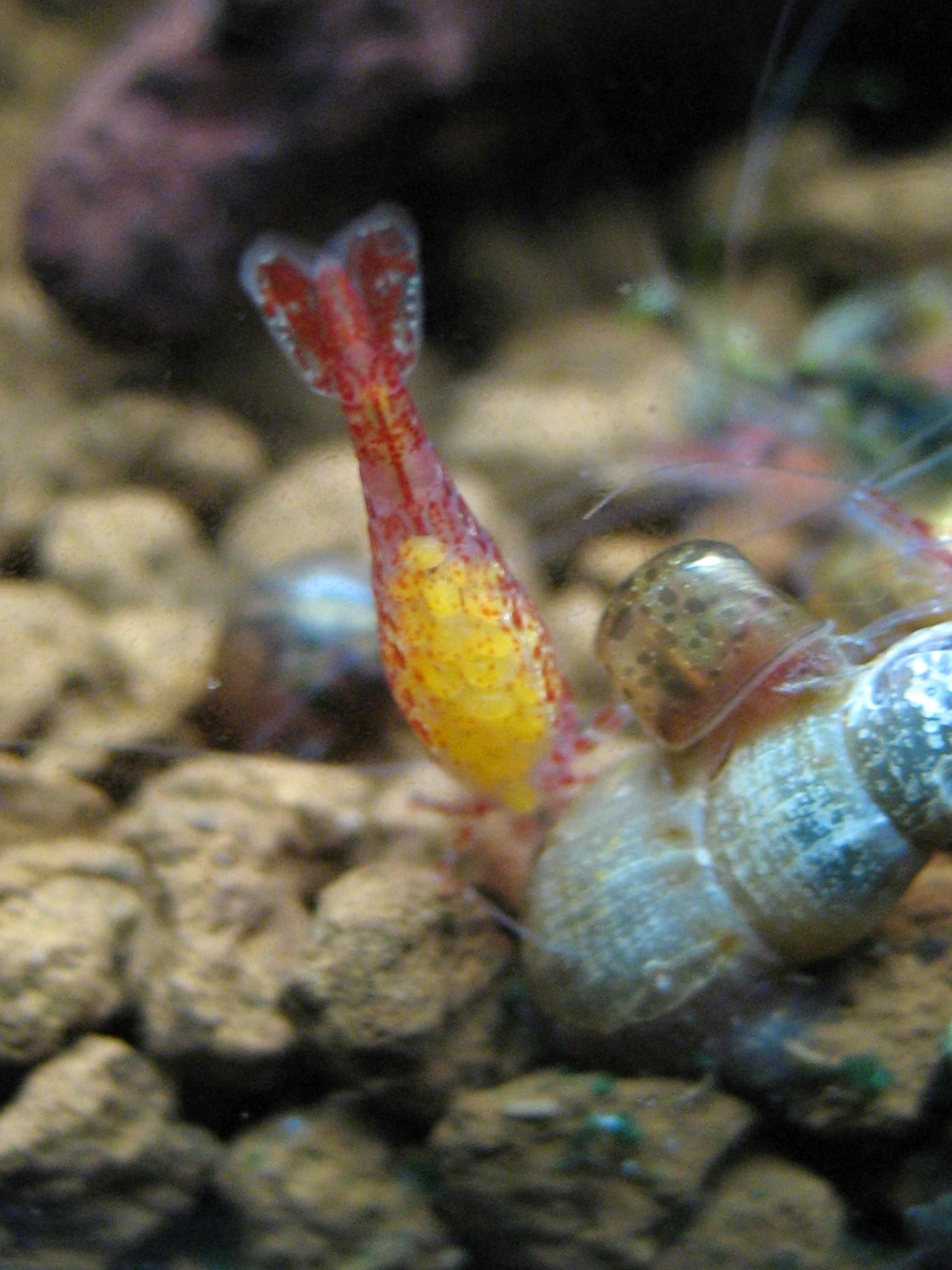
Ideal Neocaridina breeding parameters:
| Parameter | Target Range |
|---|---|
| pH | 6.8 - 7.8 |
| GH | 6 - 12 dGH |
| KH | 2 - 8 dKH |
| TDS | 150 - 300 ppm |
| Ammonia | 0 ppm |
| Nitrite | 0 ppm |
| Nitrate | Under 20 ppm |
The minerals matter more than most people think. GH (general hardness) provides the calcium and magnesium shrimp need to molt successfully. No successful molt means no breeding, period.
A keeper on r/shrimptank shared their breakthrough: "My shrimp were inactive and not breeding until I dialed in my water parameters. The change was gradually shifting from tap to distilled remineralized water at 8 GH and weekly 15% water changes - super active now and the colony has exploded."
The fix: Test your water with a GH/KH test kit and a standard liquid test kit. If your GH is low, add a mineral supplement like SaltyShrimp GH/KH+. If your tap water is unpredictable, switch to remineralized RO or distilled water.
5. The Tank Isn't Cycled Properly
Ammonia and nitrite are invisible killers. Even trace amounts (0.25 ppm) cause chronic stress that suppresses breeding behavior. Your shrimp might look "fine" but internally they're in survival mode, not reproduction mode.
Signs your cycle might be incomplete:
- •Shrimp are lethargic and cluster near the filter
- •Sudden deaths with no obvious cause
- •Shrimp stopped eating or are less active than usual
- •You set up the tank and added shrimp within the same week
The fix: If you suspect your cycle isn't solid, test for ammonia and nitrite daily for a week. Both should read absolute zero. If they don't, do small daily water changes (10-15%) with temperature-matched, dechlorinated water. Don't add more shrimp until the cycle is bulletproof. Check out our complete guide to cycling a shrimp tank for the full process.
6. Too Much Stress
Stressed shrimp don't breed. It's that simple. And shrimp get stressed by things that wouldn't bother most fish:
- •Aggressive tank mates - Even small fish that don't eat adult shrimp can stress them by chasing
- •Loud vibrations - Tanks near speakers, washing machines, or heavy foot traffic
- •Frequent netting - Every time you stick a net in the tank, you set back their comfort level
- •Large water changes - Changing more than 20-25% at once can shock them
- •Inconsistent lighting - Random on/off schedules mess with their internal clock
- •Moving decorations around - Rearranging the tank destroys their mental map of safe zones
One experienced keeper put it perfectly: "My rule for shrimp success is the same as houseplant success. They thrive on neglect."
The fix: Establish a consistent routine and then leave the tank alone as much as possible. Set lights on a timer (8-10 hours), do small weekly water changes instead of large bi-weekly ones, and keep your hands out of the tank unless necessary.
7. Not Enough Hiding Spots
Shrimp are prey animals. In the wild, everything eats them. That instinct doesn't go away in an aquarium. If your shrimp don't feel safe, they won't breed.
A bare tank with just substrate and a filter is a nightmare for shrimp. They need:
- •Dense plants - Java moss, subwassertang, and floating plants like frogbit provide cover at every level
- •Hardscape - Driftwood and rocks create caves and crevices
- •Leaf litter - Indian almond leaves and alder cones provide hiding spots AND food (biofilm)
- •Moss walls or cholla wood - Extra surface area for biofilm grazing
The hiding spots also protect shrimplets once breeding does start. Baby shrimp are only 2mm long and basically defenseless. Without dense plant cover, even peaceful tank mates might snack on them.
The fix: Add a generous handful of Java moss and some Indian almond leaves. These two additions alone have kickstarted breeding in countless shrimp tanks.
8. Poor Diet
Shrimp are scavengers and will eat almost anything, but "surviving" on whatever grows in the tank isn't the same as "thriving with enough nutrition to reproduce."
Breeding females need extra protein and minerals. The eggs take a lot of energy to produce and carry for a month. If the females aren't getting enough nutrition, they'll either:
- •Not develop eggs at all
- •Drop their eggs early (a common sign of nutritional stress)
- •Produce smaller clutches
A good breeding diet includes:
- •High-quality shrimp pellets as a staple (2-3 times per week)
- •Blanched vegetables - Zucchini, spinach, or cucumber (once per week)
- •Protein-rich foods - Snowflake food, bee pollen, or frozen bloodworms (once per week)
- •Mineral supplements - Cuttlebone or mineral stones for calcium
- •Biofilm - This is the most important food source and grows naturally on surfaces, especially Indian almond leaves
Don't overfeed, though. Leftover food fouls the water, which brings you back to problem #4. Feed only what they can finish in 2-3 hours.
The fix: Upgrade from basic fish flakes to a dedicated shrimp food. Shrimp King Complete is a well-regarded all-in-one option. Supplement with blanched veggies and a piece of cuttlebone for calcium.
9. Fish Are Eating Your Babies
Here's a frustrating scenario: your shrimp ARE breeding, but you never see the babies because your fish are eating them as fast as they appear.
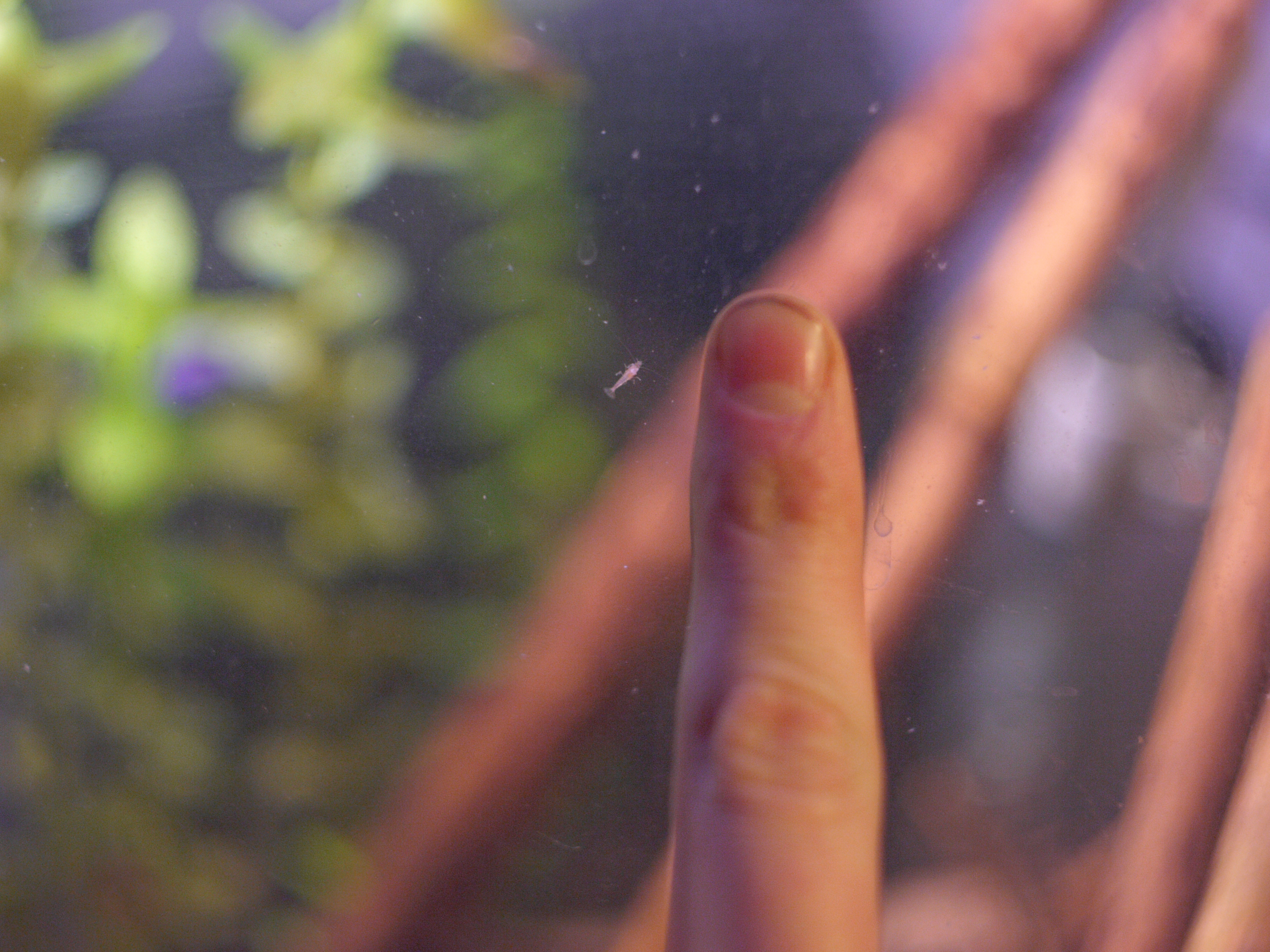
Newborn shrimplets are tiny and make an easy snack for almost any fish. Even "shrimp-safe" fish like ember tetras or Corydoras catfish might opportunistically eat the tiniest babies.
As one Redditor warned: "There is a big difference between shrimplets and inch-long adults. Just because your other fish are leaving the adults alone doesn't mean they aren't gorging on shrimplets."
The fix: If you're running a community tank, make sure you have dense plant cover (think: 50%+ of the tank covered in moss or plants). Better yet, dedicate a tank to shrimp only. A simple 10-gallon shrimp-only setup will let your colony grow without predation pressure.
10. Copper or Chemical Contamination
This is the silent colony killer. Copper is lethal to shrimp even in tiny amounts, and it can enter your tank from sources you'd never suspect:
- •Tap water running through copper pipes
- •Medications - Many fish medications contain copper
- •Fertilizers - Some plant fertilizers include copper as a micronutrient
- •Cheap decorations - Metal decorations or untested rocks can leach copper
- •Snail treatments - Almost all snail-killing products are copper-based
Even sub-lethal copper levels suppress molting and breeding. Your shrimp might look active but never reproduce.
The fix: Use a copper test kit to check your water. If you detect any copper, switch to RO water and remove the contamination source. Only use shrimp-safe products in your tank - check the ingredients label for copper sulfate or any copper compounds.
Quick Troubleshooting Checklist
Before you change anything, run through this list:
- • Tank has been running for at least 2 months with shrimp
- • Temperature is 74-78°F (23-26°C)
- • You have both males AND females (at least 10 shrimp total)
- • Ammonia and nitrite are at 0 ppm
- • GH is 6-12 dGH
- • Tank has dense plant cover and hiding spots
- • No fish that might eat shrimplets
- • Feeding a varied, protein-rich diet
- • No copper in the water
- • You're not disturbing the tank too frequently
If you can check every box and still aren't seeing breeding after 3 months, consider the source of your shrimp. Some shrimp from chain pet stores are heavily inbred or shipped under extreme stress, which can delay breeding significantly. Try adding a few shrimp from a different source to introduce fresh genetics.
When to Expect Results
Once you've addressed the issue, here's a realistic timeline:
- •Week 1-2: Shrimp become more active and start grazing more
- •Week 3-4: First saddles appear on females (yellow/green patch behind the head)
- •Week 4-6: First berried female spotted
- •Week 8-10: Shrimplets appear (check around plants and moss at night with a flashlight)
- •Month 3-4: Colony growth becomes obvious
The exponential growth kicks in around month 4-6. A starting group of 10-12 shrimp can become 50-100 within 6 months under good conditions.
Related Guides
- •Breeding Cherry Shrimp: Complete Guide
- •Shrimp Water Parameters Guide
- •Why Are My Shrimp Dying?
- •How to Cycle a Shrimp Tank
- •Best Tank Mates for Cherry Shrimp
- •Shrimp Molting Guide
Frequently Asked Questions
◆How long until cherry shrimp start breeding?
Cherry shrimp typically start breeding 3-6 months after being added to a tank, assuming the colony is settled and conditions are right. Young shrimp need time to mature. If it's been over 3 months with no berried females, something may be off.
◆Do shrimp need specific conditions to breed?
Shrimp breed readily when they have stable water parameters, a varied diet, hiding spots, and feel safe. Temperature in the low-to-mid 70s°F, good GH levels, and low stress are the main triggers. They don't need special breeding setups.
◆Can shrimp breed in a community tank?
Shrimp can breed in community tanks, but baby survival rates drop drastically. Most fish eat shrimplets on sight. Dense moss and plants help some babies survive, but a dedicated shrimp tank is far more productive for breeding.
◆How do I tell male from female cherry shrimp?
Female cherry shrimp are larger, more colorful, and develop a curved underbelly (saddle) when carrying eggs. Males are smaller, slimmer, and less intensely colored. Females also have a visible yellow or green saddle on their back when ready to breed.
Found this helpful?
Check out our other shrimp care guides