Best Canister Filters for Shrimp Tanks (2026): Complete Buyer's Guide
The best canister filters for shrimp tanks in 2026, plus the prefilter sponge trick that makes any canister shrimp safe. Sizing, flow, and top picks for planted shrimp tanks.
Best Canister Filters for Shrimp Tanks (2026)
Last updated: July 2026 | 11 min read
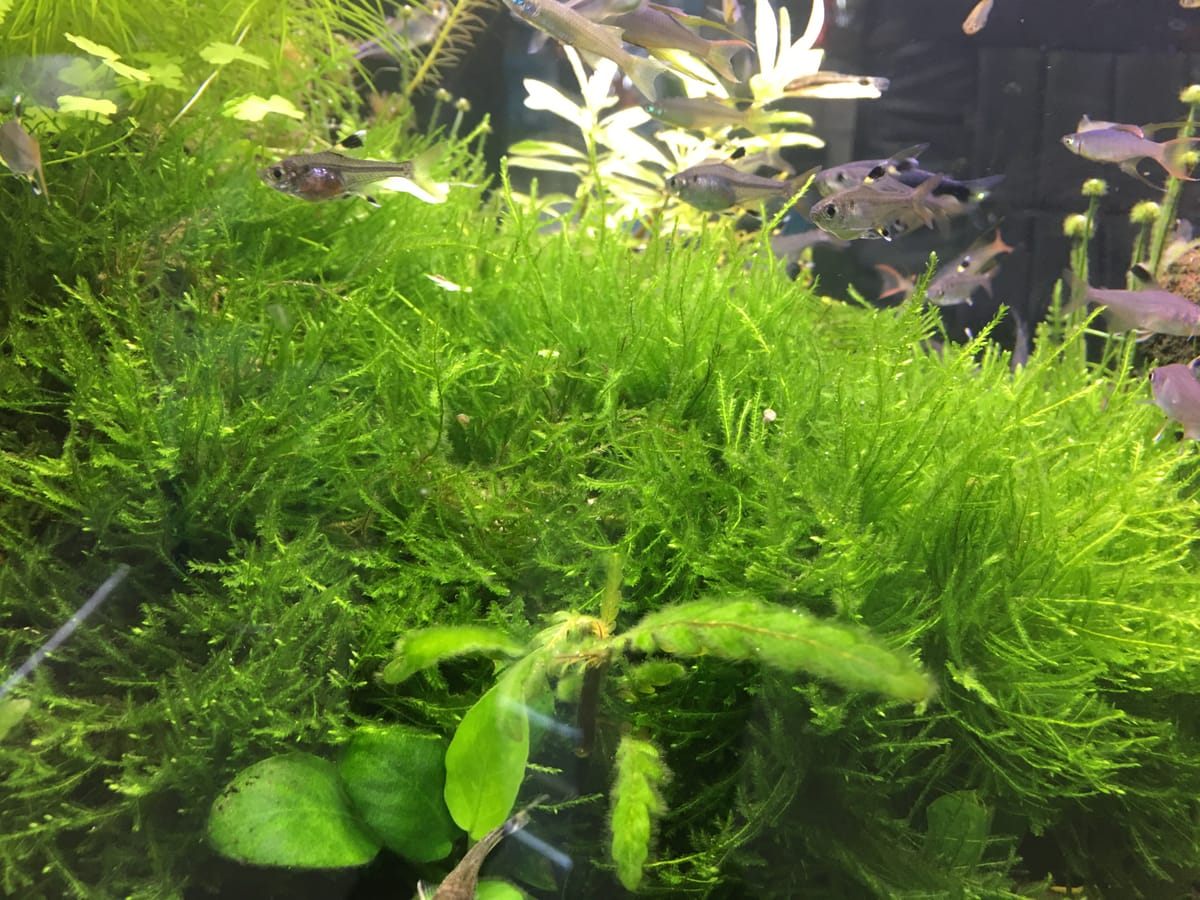
Most shrimp keepers start with a sponge filter, and for good reason. But once you move up to a larger planted tank, a heavily stocked colony, or a display aquascape where you do not want a sponge sitting in the corner, a canister filter becomes very appealing. The catch is that a canister will vacuum up baby shrimp unless you set it up correctly.
This guide covers when a canister makes sense for shrimp, the one modification that makes any canister shrimp safe, and the best models to consider.
Quick Answer
A canister filter is a great choice for shrimp tanks 20 gallons and up, planted display tanks, and heavily stocked colonies, as long as you add a prefilter sponge over the intake so shrimplets cannot get sucked in. For smaller tanks, a sponge filter is simpler and cheaper. The best canisters for shrimp balance strong biological filtration with gentle, adjustable flow.
Should You Use a Canister on a Shrimp Tank?
Canisters are not the default shrimp filter, but they shine in the right tank.
Canister filters are worth it when you have:
- •A larger tank (20 gallons or more) where a sponge filter alone struggles
- •A planted display tank where you want hidden equipment and clean looks
- •A heavily stocked colony or shrimp plus fish, needing more biological capacity
- •A tank with fish tank mates that produce more waste
Stick with a sponge filter when you have:
- •A nano or small tank (5 to 10 gallons), where a canister is overkill
- •A shrimp-only breeding setup, where the sponge doubles as a grazing surface
- •A tight budget
For most nano shrimp tanks, our best filters guide explains why a simple sponge filter is still the gold standard. This guide is for keepers who have decided a canister fits their setup.
The One Rule: Add a Prefilter Sponge
This is the single most important thing in this entire guide. A bare canister intake is a death trap for baby shrimp and freshly molted adults. The fix is a prefilter sponge, a foam cylinder that slips over the intake tube and blocks shrimplets while still letting water through.
- •It keeps babies out of the canister.
- •It grows biofilm the shrimp graze on.
- •It adds mechanical prefiltration, so your canister media clogs more slowly.
Options include the Aquarium Co-Op Prefilter Sponge and, for certain Fluval intakes, the Fluval Edge Prefilter Sponge. Match the sponge's inner diameter to your intake tube. Do not run a canister on a shrimp tank without one.
What to Look For in a Shrimp Canister
- •Adjustable or gentle flow. Shrimp dislike strong current. A flow valve or a spray bar to disperse the output keeps things calm.
- •Generous bio media capacity. More media means more beneficial bacteria and a more stable tank, which shrimp reward you for.
- •Quiet, reliable priming. You will open this filter to clean it, so easy priming and quiet operation matter.
- •Right size for the tank. Do not massively oversize. A canister rated far beyond your tank creates too much flow.
Best Canister Filters for Shrimp Tanks
◆1. Fluval 07 Series (107, 207): Best Overall
The Fluval 07 series is a popular, well-rounded canister that suits shrimp tanks nicely. The 107 fits tanks up to about 30 gallons and the 207 up to about 45, so you can match the model to your tank instead of overpowering it.
Why it works for shrimp:
- •Good bio media capacity for a stable tank
- •Reasonably quiet with easy priming
- •Pairs well with a prefilter sponge and a spray bar to soften flow
Where to buy:
Setup tip: add a prefilter sponge on the intake and aim the return along the glass or use a spray bar so the current stays gentle.
Rating: 5/5 for planted shrimp tanks in the 20 to 45 gallon range.
◆2. Eheim Classic Series: Best for Reliability
The Eheim Classic is a long-running favorite known for durability, quiet operation, and simple, bulletproof design. The smaller Classic models suit nano and mid-size tanks, and their steady, moderate flow is easy to tame for shrimp.
Why it works for shrimp:
- •Reliable and quiet, often running for years
- •Simple design with lots of room for bio media
- •Moderate flow that is easy to soften with a spray bar
Where to buy:
Setup tip: the Classic has a basic intake, so a prefilter sponge is a must for shrimp. A spray bar return spreads the flow beautifully across a planted tank.
Rating: 5/5 for keepers who want set-and-forget reliability.
◆3. Oase BioMaster Series: Best Built-In Prefilter
The Oase BioMaster is a premium canister with a built-in prefilter module you can remove and rinse without opening the whole canister. That means less frequent full teardowns and cleaner main media, which helps keep a shrimp tank stable.
Why it works for shrimp:
- •Built-in prefilter reduces maintenance and protects the main media
- •Large bio media capacity for a very stable tank
- •Quiet and well built
Where to buy:
Setup tip: even with the internal prefilter, add an intake sponge on the tube to stop shrimplets, and use the flow control to keep current gentle.
Rating: 4.5/5, a premium pick for planted display shrimp tanks.
Softening the Flow for Shrimp
Whatever canister you choose, dialing back the current is key for happy shrimp:
- •Use a spray bar. Spreading the output across many small holes drops the flow dramatically and oxygenates the water.
- •Aim the return along the glass rather than straight into the tank.
- •Use the flow valve if your canister has one to reduce output.
- •Add plants and hardscape that break up the current and give shrimp calm zones.
Shrimp do appreciate some flow and oxygenation, so you do not need dead-still water, just nothing that pushes them around.
Do Not Forget the Basics
A great filter does not replace good husbandry. You still need:
- •A properly cycled tank before adding shrimp
- •A reliable test kit like the API Master Test Kit to confirm zero ammonia and nitrite
- •A good water conditioner such as Seachem Prime
- •Regular water changes
The Bottom Line
A canister filter is an excellent choice for larger and planted shrimp tanks, giving you strong biological filtration and clean looks. The non-negotiable step is a prefilter sponge on the intake to protect shrimplets. The Fluval 07 series is the best all-around pick, the Eheim Classic is the reliability champion, and the Oase BioMaster leads on convenience. Soften the flow with a spray bar, and your shrimp will thrive.
Related Guides
- •Best Filters for Shrimp Tanks - Sponge filters and more
- •Complete Shrimp Tank Setup Guide - Full setup walkthrough
- •How to Cycle a Shrimp Tank - Before you add shrimp
- •Best Plants for Shrimp Tanks - For a planted display
Frequently Asked Questions
◆Can you use a canister filter on a shrimp tank?
Yes, as long as you add a prefilter sponge over the intake so baby shrimp cannot get sucked in. Canister filters are a great fit for larger and planted shrimp tanks that need strong biological filtration.
◆Are canister filters safe for baby shrimp?
Only with a prefilter sponge on the intake. A bare canister intake will pull in shrimplets and freshly molted adults. The foam prefilter blocks them while still letting water flow.
◆Is a canister filter too strong for shrimp?
It can be if you leave the flow wide open. Use a spray bar, aim the return along the glass, or use the flow valve to soften the current. Shrimp like gentle flow with good oxygenation, not a strong jet.
◆Do I need a canister filter for a shrimp tank?
No. For nano and small tanks, a simple sponge filter is cheaper, safer, and doubles as a grazing surface. Canisters are best for tanks 20 gallons and up, planted displays, and heavily stocked colonies.
Found this helpful?
Check out our other shrimp care guides