Best CO2 Systems for Planted Shrimp Tanks (2026): Buyer's Guide
Is CO2 safe for shrimp? Yes, with care. The best CO2 systems for planted shrimp tanks in 2026, plus safe dosing, drop checkers, and how to avoid gassing your colony.
Best CO2 Systems for Planted Shrimp Tanks (2026)
Last updated: July 2026 | 11 min read
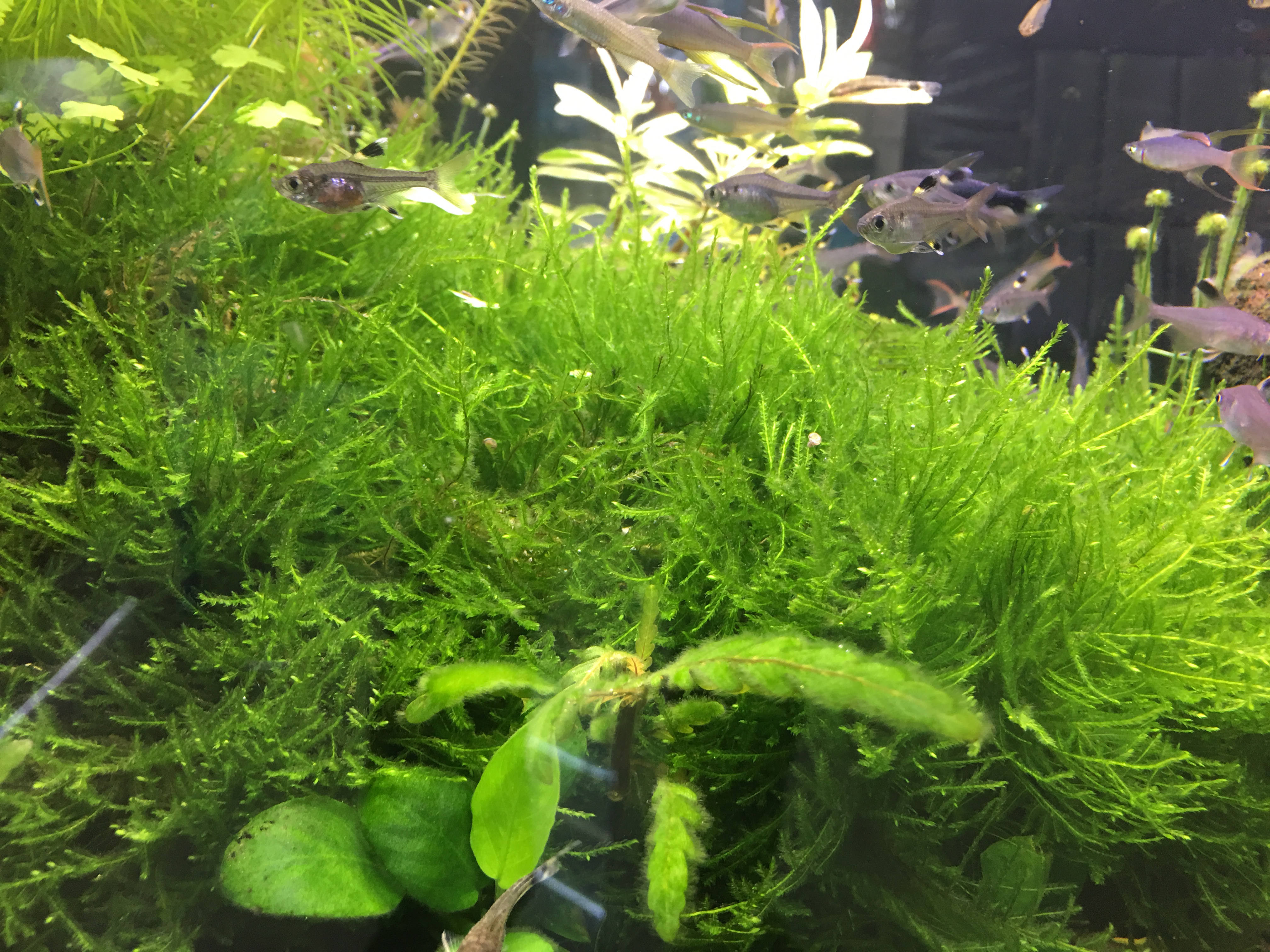
CO2 injection is the fastest way to grow lush, healthy plants, and a beautifully planted tank is a wonderful home for shrimp. But CO2 and shrimp have a delicate relationship. Too much CO2 will suffocate your colony, and careless dosing causes exactly the kind of swings shrimp hate. Done carefully, though, plenty of keepers run CO2 in shrimp tanks with great results.
This guide explains whether you need CO2 at all, how to run it safely around shrimp, and the best systems to consider.
Quick Answer
Shrimp do not need CO2, but plants love it. CO2 can be run safely in a shrimp tank if you keep concentrations moderate (well under the danger zone), use a drop checker to monitor, run a solenoid on a timer that shuts off at night, and maintain good surface agitation. The best systems for shrimp are pressurized CO2 setups with a solenoid regulator, because they give you the precise, repeatable control that keeps a colony safe.
Do Shrimp Need CO2? No.
Let us be clear up front: shrimp do not need injected CO2, and neither do many plants. A low-tech shrimp tank with moss, Java fern, Anubias, and other easy plants thrives with nothing more than decent light. See our best plants for shrimp tanks guide for a full low-tech list.
CO2 is for the keeper who wants demanding carpeting plants, fast growth, and a high-tech aquascape. It benefits the plants, not the shrimp. If you are a beginner still learning shrimp keeping, it is completely reasonable to skip CO2 entirely and add it later once your colony is stable.
Is CO2 Safe for Shrimp?
Yes, with care. The key facts:
- •High CO2 is dangerous. Excess dissolved CO2 displaces oxygen and can suffocate shrimp. Keep concentrations moderate and never chase the very high levels some aquascapers push for.
- •Caridina are more sensitive than Neocaridina. Soft-water Caridina like crystal and Taiwan Bee shrimp react to high CO2 more than hardy cherry shrimp, and very high levels can slow breeding.
- •The pH swing is usually the smaller concern. When CO2 lowers pH without changing KH, that particular pH change is gentler on livestock than a swing caused by changing hardness. Even so, shrimp prefer stability, so a timer that turns CO2 off at night avoids the biggest daily swings.
- •Oxygen matters. Good surface agitation overnight, when plants are not producing oxygen, keeps the tank safe.
The safe approach is moderation and monitoring, not maximum CO2.
How to Run CO2 Safely Around Shrimp
Follow these rules and CO2 becomes low risk:
- •Use a drop checker. This little glass device with indicator fluid changes color with CO2 level: blue is too low, green is a good target, and yellow means too much. Add one and check it daily, especially in the first weeks. A CO2 drop checker is essential.
- •Run a solenoid on a timer. A solenoid valve shuts CO2 off at night, when plants stop consuming it and oxygen drops. This prevents overnight buildup. Turn CO2 on an hour or two before the lights and off before lights out.
- •Start low and increase slowly. Begin with a low bubble rate and raise it gradually over days while watching the drop checker and, most importantly, your shrimp.
- •Keep good surface movement. A little surface agitation, especially overnight, keeps oxygen up. Many keepers run an air stone at night on a separate timer.
- •Watch your shrimp. If shrimp gather at the surface, hang near the filter output, or act sluggish, CO2 is too high. Turn it down immediately.
Best CO2 Systems for Shrimp Tanks
◆1. Pressurized CO2 with a Solenoid Regulator: Best Overall
A pressurized system uses a CO2 cylinder, a regulator with a needle valve and solenoid, tubing, and a diffuser. It is the gold standard because it gives precise, repeatable control, exactly what you want when shrimp lives depend on not overdosing.
Why it is best for shrimp:
- •The solenoid lets you automate an off-at-night schedule
- •The needle valve gives fine, stable control of the bubble rate
- •Refillable cylinders are economical over time
Where to buy:
Best for: planted display tanks with hardy Neocaridina, run at moderate CO2.
Rating: 5/5 for control and safety.
◆2. Disposable or Paintball Cylinder Systems: Best for Nano Tanks
Compact systems that run off small disposable cartridges or a paintball CO2 tank are easier to fit on a nano or desktop shrimp tank. They deliver less CO2 than a big pressurized rig, which for a shrimp tank is often a feature, not a limitation.
Why it works for shrimp:
- •Small footprint suits nano planted shrimp tanks
- •Lower output is easier to keep in the safe range
- •Simple to set up
Where to buy:
Note: disposable cartridges get expensive if you run them constantly, so a paintball adapter or refillable option saves money long term.
Rating: 4.5/5 for small planted shrimp tanks.
◆3. Liquid Carbon: The CO2 Alternative (Use With Caution)
Liquid carbon products are a bottled alternative that provides a source of carbon for plants without a gas system. They are simpler and cannot suffocate shrimp the way overdosed gas can, but they come with their own warning.
The catch for shrimp keepers:
- •Liquid carbon is based on a glutaraldehyde-type compound that can harm shrimp and certain plants if overdosed. Dose conservatively, never above the label rate, and never spot-dose near shrimp.
- •It is far weaker than pressurized CO2 for growing demanding plants.
Where to buy:
Best for: keepers who want a small plant boost without a gas system, dosing carefully.
Rating: 3.5/5, convenient but limited and requires care.
Supporting Gear
To run CO2 safely you will also want:
- •A drop checker to monitor levels
- •A diffuser or inline atomizer to dissolve the gas
- •An outlet timer to automate the on-off schedule
- •A reliable test kit like the API Master Test Kit to keep an eye on parameters
The Bottom Line
Shrimp do not need CO2, but if you want a lush high-tech planted tank, CO2 can be run safely around them. Keep concentrations moderate, use a drop checker, automate an off-at-night schedule with a solenoid, and maintain good surface agitation. A pressurized system with a solenoid regulator gives the precise control that keeps shrimp safe, while nano systems suit small tanks. When in doubt, keep CO2 low and watch your shrimp closely.
Related Guides
- •Best Plants for Shrimp Tanks - Easy plants that need no CO2
- •Best Moss for Shrimp Tanks - Thrives in low-tech tanks
- •Best Lighting for Shrimp Tanks - Pairing light with plants
- •Shrimp Water Parameters - Keeping conditions stable
Frequently Asked Questions
◆Is CO2 safe for shrimp?
Yes, if run carefully. Keep CO2 concentrations moderate, use a drop checker, run a solenoid that shuts CO2 off at night, and maintain good surface agitation. Excess CO2 can suffocate shrimp, so moderation and monitoring are essential.
◆Do shrimp need CO2 in a planted tank?
No. Shrimp do not need CO2, and many easy plants like moss, Java fern, and Anubias grow well without it. CO2 benefits demanding plants and fast growth, not the shrimp themselves.
◆Will CO2 hurt my shrimp?
It can if levels get too high, because CO2 displaces oxygen. Signs of trouble include shrimp gathering at the surface or near the filter output. Turn CO2 off at night, start low, and watch your shrimp to keep them safe.
◆Is liquid carbon safe for shrimp?
Liquid carbon can be used with shrimp but must be dosed conservatively. It is based on a glutaraldehyde-type compound that can harm shrimp and some plants if overdosed, so never exceed the label rate and avoid spot-dosing near shrimp.
Found this helpful?
Check out our other shrimp care guides