Best Heaters for Shrimp Tanks (2026): Stability Beats Wattage
The best heaters for shrimp tanks ranked, plus why a temperature controller is the real safety upgrade. Stability matters more than raw wattage.
Last updated: July 2026 | 14 min read
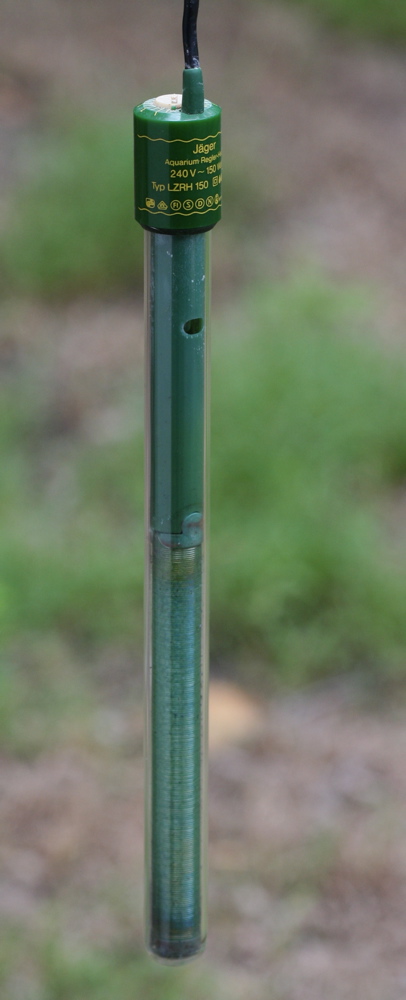
Here is the uncomfortable truth about aquarium heaters: the most dangerous piece of equipment in a shrimp tank is the one designed to keep your shrimp comfortable. A heater that fails "off" gives you a slowly cooling tank and time to react. A heater that fails "on" can cook an entire colony overnight, and stuck-on thermostats are the classic failure mode for cheap heaters.
That is why choosing a heater for shrimp is different from choosing one for fish. Shrimp are stability-sensitive animals. They molt on a schedule influenced by temperature, they breed within fairly narrow ranges, and a colony represents months or years of careful work that a single equipment failure can erase. This guide ranks the heaters shrimp keepers actually trust, explains how to size one correctly, and covers the accessory that matters more than any heater brand: an external temperature controller.
Quick Picks: Best Shrimp Tank Heaters at a Glance
| Product | Type | Best For | Price Range |
|---|---|---|---|
| Eheim Jager TruTemp | Adjustable glass heater | Best overall | $$ |
| Fluval E50 | Electronic heater with LCD | Best built-in monitoring | $$$ |
| hygger 50W Mini | Compact digital heater | Best for nano tanks | $ |
| Eheim Thermocontrol e50 | Electronic heater | Reliable electronic alternative | $$ |
| Inkbird ITC-306T | External controller | The must-have safety layer | $$ |
If you only take one thing from this article, take this: whichever heater you buy, put it on an external controller. More on that below.
Do Shrimp Even Need a Heater?
Sometimes, no. Neocaridina shrimp (cherry shrimp and their color morphs) are comfortable roughly between 65 and 78°F, and many keepers in climate-controlled homes run them heaterless year round. Caridina shrimp (crystal reds, bee shrimp) generally do best a little cooler, in the high 60s to low 70s.
The full breakdown lives in do shrimp need a heater, but the short version:
- •You probably need a heater if your room drops below the mid 60s in winter, your tank sits near a drafty window, or you want consistent breeding (Neocaridina breed most readily in the low to mid 70s).
- •You may not need one if your home stays between 68 and 76°F all year and the tank is away from exterior walls and vents.
Even keepers who do not need heat often run a heater set a few degrees below room temperature as a floor, so a cold snap or a broken furnace cannot chill the tank. Used that way, the heater sits idle most of the year and only works during genuine cold events.
Why Heater Choice Is Different for Shrimp
◆Stability matters more than wattage
Fish tolerate a couple degrees of daily drift without much complaint. Shrimp are more sensitive to swings than to the absolute number. Rapid temperature changes are a known molting stressor, and failed molts (the dreaded "white ring of death") are among the most common causes of adult shrimp deaths. A heater with a sloppy thermostat that cycles the tank up and down by 2 or 3 degrees is worse for shrimp than a slightly undersized heater that holds dead steady.
This flips the usual buying logic. For shrimp, thermostat accuracy is the top spec, not watts.
◆The overheating failure mode kills whole colonies
When a heater thermostat sticks in the "on" position, the heating element runs continuously. In a 10 gallon tank, a stuck 100W heater can push water into the high 80s or 90s within hours. Warm water also holds less oxygen, so the shrimp are hit by heat stress and oxygen starvation at the same time. Keepers who lose colonies this way typically find every shrimp dead at once, which is the signature of an equipment failure rather than a water quality problem (see why are my shrimp dying for how to tell the difference).
Two design choices reduce this risk: buying a heater with a reputation for reliable thermostats, and slightly undersizing the heater so that even a stuck-on element heats the tank slowly instead of catastrophically.
◆Small tanks swing fast
Most shrimp tanks are 5 to 20 gallons. Small water volumes gain and lose heat quickly, which makes cheap, coarse thermostats especially visible. This is why low-wattage nano heaters with genuinely accurate controls are worth paying for.
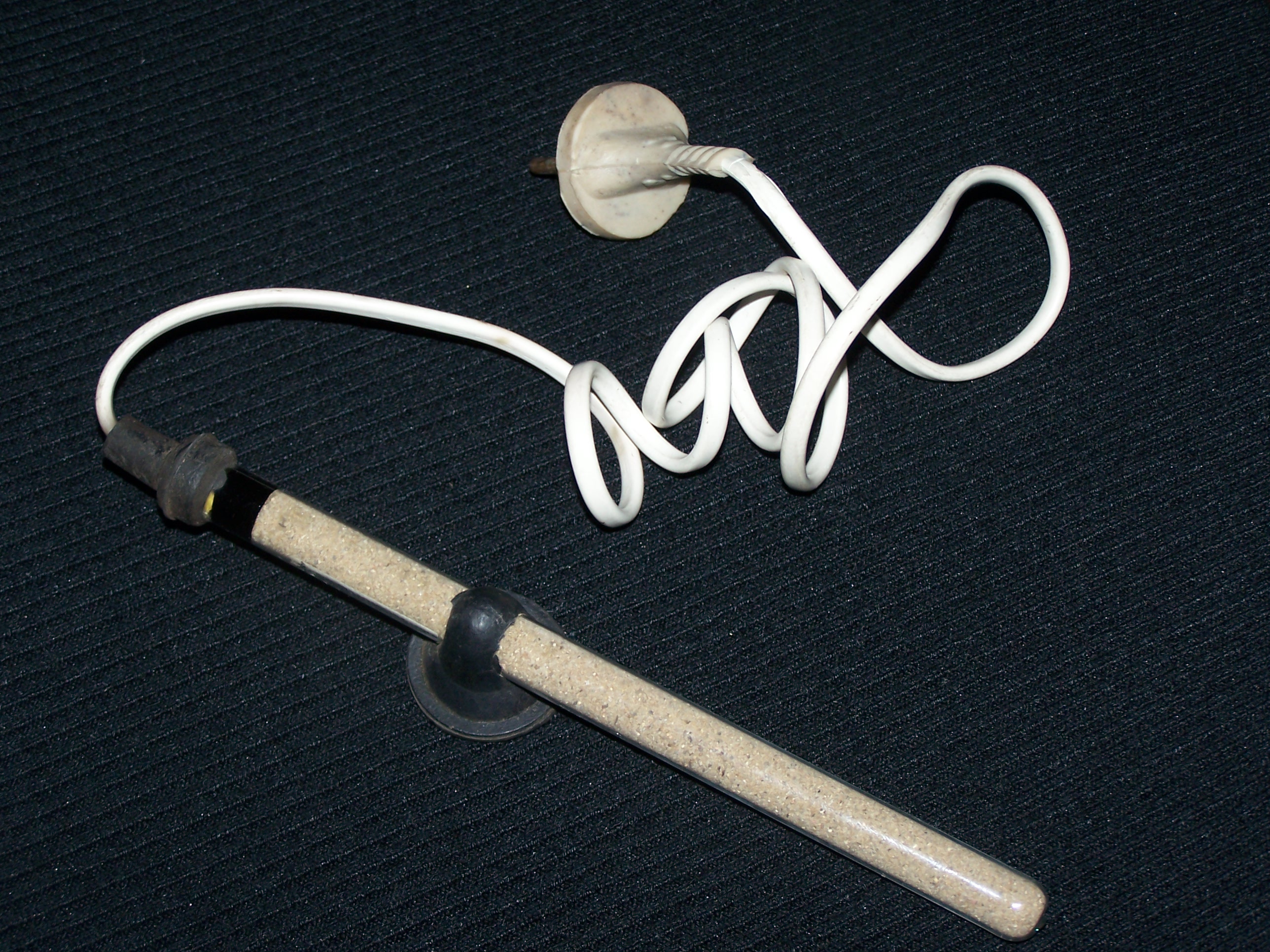
What to Look For in a Shrimp Tank Heater
- •An accurate, adjustable thermostat. Preset heaters locked at 78°F are a poor match for shrimp, especially Caridina that prefer cooler water. Look for fine adjustment and a track record of holding temperature within about half a degree.
- •Appropriate (or slightly low) wattage. More on sizing below, but resist the urge to oversize. A modestly powered heater that runs longer, gentler cycles is the shrimp-friendly choice.
- •Safety shutoffs. Dry-run protection (the heater shuts off when exposed to air) and over-temperature shutoffs are meaningful features, not marketing fluff.
- •A guard, or room to add one. Shrimp burns are rare, but babies and molting shrimp do rest directly on heater tubes. A guard also protects the glass tube from hardscape.
- •Controller compatibility. Any plug-in heater works with an external controller. This is the real safety system.
The Best Heaters for Shrimp Tanks, Ranked
◆1. Eheim Jager TruTemp: Best Overall
The Eheim Jager is the heater that experienced hobbyists have recommended for decades, and the reasons map directly onto shrimp keeping priorities.
Why it wins for shrimp:
- •Accurate thermostat: Eheim rates temperature control accuracy at ±0.5°C, which is exactly the kind of tight regulation stability-sensitive shrimp benefit from.
- •Wide adjustment range: Settable from 18 to 34°C (65 to 93°F), so it works for cool-water Caridina setups as well as warm Neocaridina breeding tanks.
- •Recalibration dial: If the dial reads a degree off from your thermometer, you can recalibrate it rather than living with the offset.
- •Dry-run shutoff: Eheim's Thermo Safety Control cuts power if the heater runs exposed to air, a common hazard during water changes.
- •Tough construction: The shatterproof laboratory-grade glass jacket also spreads heat over a larger surface for more even output.
The downsides:
- •It is long. The 50W model is roughly 9.6 inches, which is awkward in short nano tanks. Measure your tank height before ordering.
- •Old-school looks. No digital display, just a dial.
Sizing: The 25W model suits tanks around 5 to 7 gallons, and the 50W is rated for roughly 7 to 16 gallons.
Where to buy:
Verdict: 5/5. The default recommendation for any shrimp tank tall enough to fit it.
◆2. Fluval E50: Best Built-In Monitoring
Fluval's E series is the pick for keepers who want the heater itself to tell them when something is wrong.
Why shrimp keepers like it:
- •Dual temperature sensors (Fluval's VueTech system) feed a constant LCD readout of actual water temperature, so the display doubles as a thermometer.
- •Color-coded alerts: The screen glows green at the set temperature, turns red if the water runs about 1°C hot, and blue if it runs about 1°C cold. If temperature drifts roughly 3°C out of range, the display flashes. For a stability-obsessed shrimp keeper, that at-a-glance feedback is genuinely useful.
- •Integrated guard: The E series ships with a protective casing around the heater core, which protects both livestock and the element itself. No aftermarket guard needed.
- •Fine control: Temperature adjusts in 0.5 degree increments.
The downsides:
- •Price. It costs noticeably more than a basic glass heater.
- •Bulk. The guard housing makes it chunkier in a small tank than a bare tube.
The E50 (50W) is rated for aquariums up to about 15 US gallons (60 L), which covers the majority of shrimp setups.
Where to buy:
Verdict: 4.5/5. The best choice if you want an always-on temperature display and a built-in guard without extra parts.
◆3. hygger 50W Mini: Best for Nano Tanks
For 5 to 10 gallon shrimp tanks where a 9 inch glass tube simply will not fit, hygger's compact digital heater is a popular modern option.
Why it works for shrimp:
- •Genuinely small: At roughly 6.1 inches long, it tucks behind hardscape in tanks where full-size heaters cannot go.
- •Digital controller: An external control pad shows real-time water temperature and lets you set the target across a 59 to 93°F range, which comfortably covers both Caridina and Neocaridina territory.
- •Safety shutoffs: It stops heating and throws a warning code if water exceeds 97°F or if the heater is exposed to air, directly addressing the stuck-on and dry-run failure modes.
- •Power-off memory: Settings survive an outage, so the heater comes back at your target rather than a factory default.
The downsides:
- •Brand trust: hygger is a budget brand, and budget heater thermostats historically fail more often than Eheim's. This is precisely the heater to pair with an Inkbird controller.
- •Model churn: hygger revises its heater lineup frequently, so the exact model at the link may differ slightly from older reviews.
Where to buy:
Verdict: 4/5. The right footprint and feature set for nano tanks, best run behind a controller.
◆4. Eheim Thermocontrol e50: Electronic Alternative
If you want Eheim reliability with electronic controls, the Thermocontrol e50 is the modernized sibling of the Jager. It is a 50W electronic heater with a temperature range of 68 to 89°F, rated for roughly 6.5 to 15 gallon tanks. It lacks the color-alert display of the Fluval E series, and the 68°F floor makes it less suitable for keepers running Caridina on the cool end, but it is a solid, compact option for standard Neocaridina temperatures.
Where to buy:
Verdict: 4/5. A dependable middle ground between the classic Jager and pricier display heaters.
The Real Safety Play: An Inkbird Temperature Controller
Here is the part most heater roundups bury: no heater thermostat should be the only thing standing between your colony and a cooked tank. Every heater thermostat, from the cheapest no-name tube to the best German glass, is a mechanical or electronic component that can eventually stick. The fix is redundancy, and redundancy costs about as much as the heater itself.
◆How a controller works
The Inkbird ITC-306T is an outlet-level temperature controller. Your heater plugs into the Inkbird, the Inkbird plugs into the wall, and its waterproof probe goes in the tank. You set your target temperature on the controller, then set the heater's own dial 2 to 3 degrees higher than that target.
In normal operation, the Inkbird switches the heater on and off and holds the tank tightly at your target. If the heater's internal thermostat ever sticks on, the Inkbird sees the temperature rise past the set point and simply cuts power at the outlet. The failure that wipes out colonies becomes a non-event.
◆Why the ITC-306T specifically
- •Purpose-built for aquariums: It is heat-only (no cooling relay to misconfigure), with an IP67 waterproof probe.
- •Capacity headroom: Two heating outlets handle up to 1200W total, so one controller can run two heaters in a larger tank, which is itself a good redundancy pattern.
- •Tight control: The controller regulates to roughly 0.3°C around the set point.
- •Alarms: It includes over-temperature and sensor-fault alarms, and supports separate day and night set points if you want a slight nighttime dip.
- •Dual display: It shows measured and set temperature at the same time, so a drifting tank is visible from across the room.
Inkbird also sells a WiFi version (the ITC-306A) that pushes temperature alerts to your phone, which is worth considering for expensive Caridina colonies: Inkbird WiFi aquarium controller on Amazon.
One honest caveat: a controller protects against a stuck-on heater, but the controller itself can fail too. The combination of a quality heater, a controller, and a cheap glass thermometer you actually glance at daily is about as bulletproof as hobby equipment gets.
Heater Guards: Cheap Insurance
Do shrimp get burned by heaters? Rarely, and adult shrimp generally scoot away from a hot tube. But there are two real reasons shrimp keepers add guards:
- •Babies and molting shrimp rest on surfaces. Shrimplets graze every surface in the tank, including heater glass, and a freshly molted shrimp is soft, slow, and vulnerable. A heater that kicks on under a resting shrimp can injure it. Guards keep bodies off the glass.
- •Guards protect the heater. A plastic or stainless cage prevents hardscape from knocking against the tube and stops the heater from resting directly on substrate or glass, both of which can crack a hot element.
The Fluval E series ships with a guard built in. For bare-tube heaters like the Jager, generic slotted guards cost a few dollars and slide straight on: aquarium heater guards on Amazon. Pick a guard with slots small enough that curious shrimplets cannot wedge themselves against the element, and give it a rinse during regular maintenance since shrimp will happily graze the biofilm that grows on it.
Heater Sizing Guide for Shrimp Tanks
A common rule of thumb is 3 to 5 watts per gallon, but that assumes you are lifting the tank well above room temperature. Most shrimp tanks sit in heated homes and only need a few degrees of lift, so the low end of the range (or below it) is usually right, and it is safer: an undersized heater that sticks on heats the tank slowly enough that you have time to notice.
| Tank Size | Typical Recommendation | Shrimp-Keeper Note |
|---|---|---|
| 5 gallons | 25W | Compact or mini heaters only; check tube length |
| 10 gallons | 50W | The sweet spot for most cherry shrimp tanks |
| 15 gallons | 50-75W | 50W is fine in a heated room |
| 20 gallons | 75-100W | Consider 2 x 50W on one controller |
| 29+ gallons | 100-150W | Two smaller heaters beat one large one |
Why two small heaters beat one big one: in a 20+ gallon tank, running two 50W heaters (both on the controller) means a stuck-on failure only involves half the heating power, and a stuck-off failure still leaves half your heat working. It also evens out warm and cool spots.
If your room never drops below the high 60s and you keep Neocaridina, it is completely reasonable to skip the "lift" mindset entirely and just set a modest heater as a cold-snap floor.
Setup and Placement Tips
- •Wait before plugging in. Let a glass heater sit submerged for 20 to 30 minutes so the internal thermostat equalizes to water temperature; plugging in a cold heater immediately can crack the glass.
- •Place it in flow. Mount the heater near your filter output or sponge filter uplift so heated water circulates instead of stratifying.
- •Verify with an independent thermometer on the far side of the tank. Heater dials lie; cheap thermometers do not lie by much.
- •Unplug during water changes. Dry-run protection is a backup, not a workflow. Exposed elements overheat fast. Make it a habit as part of your water change routine.
- •Fully submerge it. Modern submersible heaters are designed to run underwater; a half-exposed tube heats erratically.
- •Recheck after big water changes. Adding water more than a couple degrees off-temperature is itself a molting stressor, so match your new water to the tank before it goes in.
Recognizing Heater Failure Before It Kills the Colony
Stuck on (the killer): Shrimp become hyperactive, then lethargic; many climb toward the surface or gather at the filter output where oxygen is highest. Glass feels warm. If you ever see the whole colony acting strangely at once, check temperature first, it takes five seconds.
Stuck off (the slow one): Activity gradually drops, colors fade, breeding stops. Shrimp survive surprisingly cool water, so a failed-off heater discovered within a day or two is usually a non-event. Warm the tank back up slowly, a couple degrees per day.
Cracked tube: Usually caused by dry running or thermal shock. Unplug before reaching into the tank, always, and replace the heater rather than gambling on visible damage.
A daily glance at a thermometer (or a controller display) is the entire early-warning system. Build it into feeding time.
FAQ
◆What temperature should a cherry shrimp tank be?
Neocaridina do well anywhere from about 65 to 78°F, with the low-to-mid 70s being the common breeding sweet spot. Stability matters more than the exact number; pick a target and hold it. See the full shrimp water parameters guide for the complete picture alongside GH, KH, and pH.
◆Can an aquarium heater kill shrimp?
Yes, and it is one of the fastest ways to lose a colony. A stuck-on heater in a small tank can reach lethal temperatures in hours. This is why slightly undersizing the heater and adding an external controller are the two most effective safety measures in this article.
◆Do I need to unplug the heater in summer?
Not if it is adjustable: a heater set to 72°F simply will not run when the room keeps the tank at 76°F. It costs nothing to leave it as a cold-snap floor. What summer does demand is attention to overheating from the room itself, since sustained temperatures in the mid 80s stress shrimp and crash oxygen levels.
◆What size heater for a 5 gallon shrimp tank?
25W is the standard answer, and compact digital models are often the only ones that physically fit. Check the heater's length against your tank height before buying, several popular 50W heaters are over 9 inches long.
◆Is a temperature controller really necessary?
Necessary, no. The single best value upgrade for colony safety, yes. A controller costs about as much as a mid-range heater and converts the worst failure mode of every heater ever made into a nuisance alarm instead of a dead colony.
◆Should the heater run during cycling?
Yes. Beneficial bacteria multiply fastest in warm water, so running the heater in the low 80s during a fishless cycle speeds things up. Just dial it back to shrimp temperatures and let it stabilize before livestock arrives. Full walkthrough in how to cycle a shrimp tank.
Final Recommendations
- •For most shrimp tanks: Eheim Jager TruTemp (25W or 50W) plus an Inkbird ITC-306T controller. Boring, proven, and the specific combination experienced keepers converge on.
- •For nano tanks under 10 gallons: hygger 50W Mini for the footprint, and yes, still put it on the controller.
- •If you want at-a-glance monitoring: Fluval E50, whose color-coded display effectively builds a temperature alarm into the tank.
- •If you might not need heat at all: read do shrimp need a heater first; a stable room may already be doing the job, and the best heater is sometimes none.
Setting up a new tank from scratch? The complete shrimp tank setup guide covers where heating fits in the build order, and if you are still choosing a tank, several of the best shrimp tank kits include heaters sized correctly out of the box.
Found this helpful?
Check out our other shrimp care guides