Can Shrimp Live With Crabs? Which Crabs Are Actually Safe
Can shrimp live with crabs? Most pet store crabs are brackish predators, but two small freshwater crabs are genuinely shrimp safe. Here is how to tell them apart.
📅 Published 2026-10-01
You keep cherry shrimp, you spot a tiny crab at the fish store, and the obvious question follows: can the two share a tank? The short version is that most crabs sold as aquarium pets will either eat your shrimp or slowly die in your freshwater tank, so the honest default is no. There are exactly two small crabs that break that rule, and knowing which they are saves you from the common mistake of dropping a red claw crab into a shrimp colony and losing both.
The trouble is that pet stores lump a dozen very different animals under the label "freshwater crab," and only a couple of them are actually freshwater, actually peaceful, and actually able to live underwater full time. This guide sorts them out: the two crabs that belong in a shrimp tank, the ones that do not, and how to run the tank if you decide to mix them.
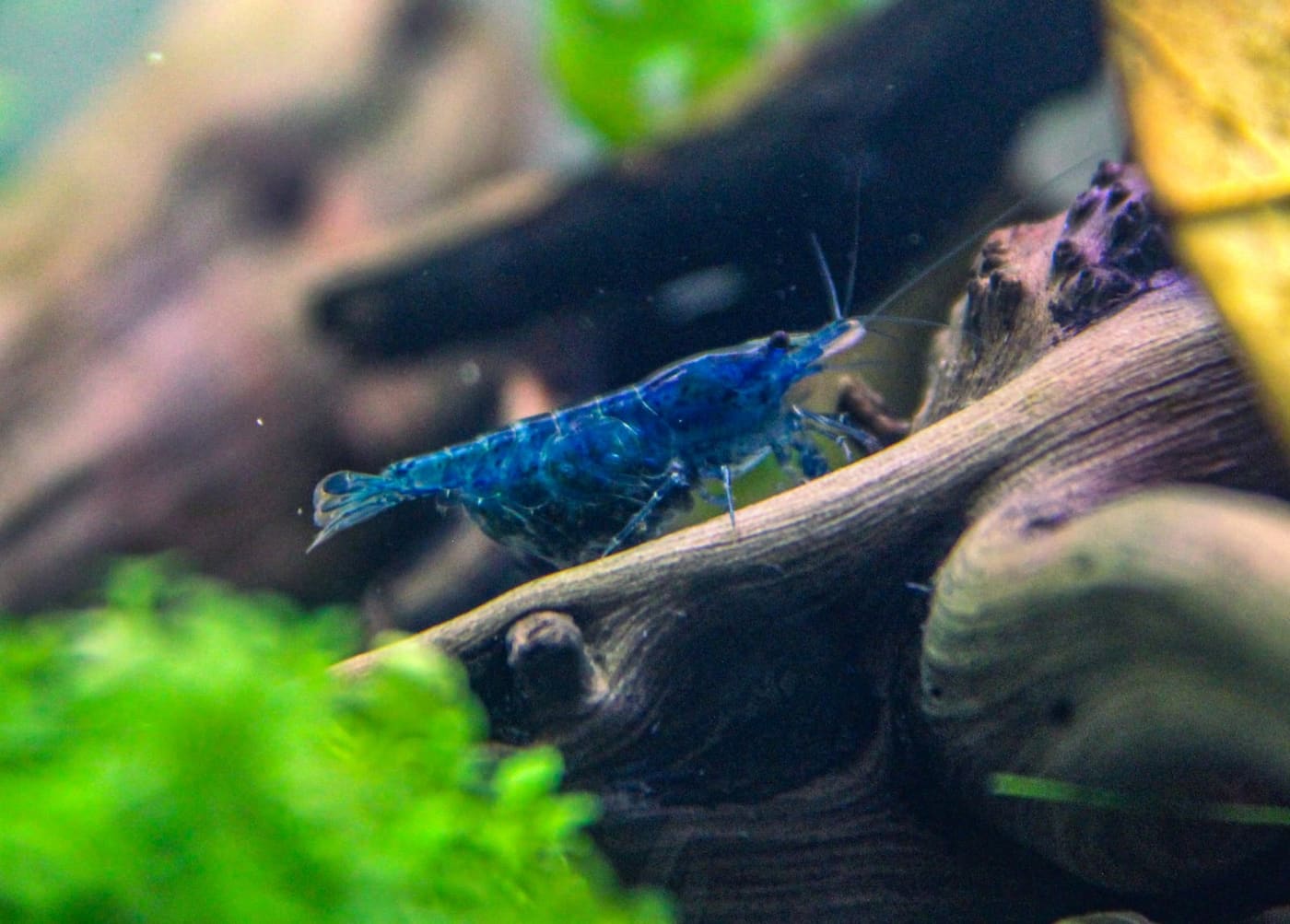
Quick Answer
Most crabs sold in the aquarium trade should not live with dwarf shrimp. Red claw crabs and fiddler crabs are brackish animals that need salt and a dry land area, and they will eat shrimp. Vampire crabs need a land setup too and are listed as not shrimp-safe by the keepers who breed them. Those three make up the bulk of what stores sell as "freshwater crabs," and none of them suit a shrimp tank.
Two small crabs are the exception. The Thai micro crab (Limnopilos naiyanetri) is a fully aquatic filter feeder under a centimeter wide that shares cherry shrimp water and cannot harm them. The pom pom crab (Ptychognathus barbatus) is a peaceful freshwater crab around half an inch to an inch long that gets along with adult dwarf shrimp, with one caveat about newborn shrimplets covered below. If you want a crab in your shrimp tank, it is one of these two or none at all.
Why Most "Freshwater Crabs" Are the Wrong Answer
Here is the catch that trips up new keepers. The majority of crabs on sale as aquarium pets are not fully freshwater and are not fully aquatic. They come from mangroves and stream banks, they breathe air part of the time, and many need brackish water with added marine salt to stay healthy. Drop one in a planted freshwater shrimp tank and you have set up a slow death for the crab and a fast one for the shrimp.
There is a biology reason behind the confusion. Many true crabs release larvae that must develop in salt or brackish water before they grow into land-capable adults, which is why so many pet species come from estuaries and tidal streams rather than inland rivers. Only a handful of crabs have shaken off that salt requirement and finish their whole life in freshwater, and those are the ones worth your attention. The pet trade rarely sorts its stock that carefully, so the burden is on you to check the species name before you buy.
AquariumStoreDepot makes the point bluntly about the red claw crab, the most common offender: it is "not a freshwater crab, despite what the store says." You cannot build one tank that keeps both a brackish crab and a freshwater shrimp healthy, because the salt these crabs want is the opposite of what Neocaridina and Caridina shrimp need.
So before you ask whether a given crab is peaceful, ask two simpler questions. Does it live underwater full time, or does it need a dry area to climb out onto? And does it want pure freshwater, or salt? If the answer is land or salt, the crab is not a shrimp tankmate, no matter how small or calm it looks in the store cup.
The Two Crabs That Are Genuinely Shrimp-Safe
Only two crabs in the hobby tick every box: fully aquatic, true freshwater, peaceful, and small enough that they cannot bully a colony. Here is how they compare.
| Thai micro crab | Pom pom crab | |
|---|---|---|
| Species | Limnopilos naiyanetri | Ptychognathus barbatus |
| Adult size | About 1 cm across, under 1 inch with legs | 0.5 to 1 inch |
| Fully aquatic | Yes | Yes |
| Water | Freshwater | Freshwater |
| Temperature | 72 to 80 F | 68 to 78 F |
| pH | 6.5 to 7.5 | 6.2 to 7.2 |
| Minimum tank | 5 gallons | 5 gallons, 10 better |
| Diet | Filter feeder | Omnivore and scavenger |
| Risk to shrimp | None | Low, may take tiny shrimplets |
◆Thai Micro Crab: The Best Match There Is
If you want a crab that genuinely belongs with cherry shrimp, this is the one. The Thai micro crab, sometimes sold as the Thai micro spider crab, is the smallest freshwater crab in the hobby. It tops out around a centimeter across the carapace and under an inch even counting its legs, which puts it smaller than many of the shrimp it lives with. Aquatic Arts and the Gensou care guide give the same measurements.
It cannot hurt a shrimp because of how it eats. The Thai micro crab is an obligate filter feeder: it perches in the current and uses fan-like appendages to strain microscopic food from the water, the same way a bamboo shrimp does. It has no hunting behavior at all, and the keepers at Superior Shrimp Aquatics and AquariumBreeder both describe it as peaceful, not territorial, and no threat to shrimp. Thai micro crabs and Neocaridina also want the same water, so a tank already dialed in for cherries suits them without changes.
Do not expect a bold animal. These crabs are shy and spend much of the day tucked into moss or sitting in the current with only their feeding fans moving. A heavily planted tank with java moss gives them anchor points and makes them feel secure enough to come out. Because they are so small, skip boisterous fish entirely. The Shrimp Farm points out that while the crabs pose little threat to tankmates, an aggressive fish will happily eat the crabs instead.
The one thing to get right is flow. Because it feeds from the water column, a Thai micro crab needs a gentle current pushed toward its perch, or it slowly starves even in a tank full of food. A small air-driven sponge filter is the standard choice: it moves enough water, adds no intake that could trap a tiny crab, and grows biofilm for the shrimp at the same time. Fine powdered foods aimed near the perch help. Expect a lifespan of about one to one and a half years, and do not count on breeding them, since captive larvae almost never survive to adulthood.
◆Pom Pom Crab: Peaceful, With One Caveat
The freshwater pom pom crab is the other safe pick, named for the fuzzy tufts on its claws that it uses to trap food particles. It is fully aquatic, true freshwater, and small at half an inch to an inch. AquariumSource and the seller ShrimpUp Aquatics both describe it as peaceful and a good match for a shrimp tank.
The caveat is that a pom pom crab is an opportunistic scavenger, not a dedicated filter feeder like the Thai micro crab. AquariumSource notes that while they coexist well with Neocaridina and Caridina, they may go after very small dwarf shrimp or snails, and are safest kept with full-grown adult shrimp. In practice that means a pom pom crab is a fine companion for an established colony of adults and a worse idea in a tank where you are trying to raise a lot of tiny shrimplets. Give it caves, driftwood, and dense plants for cover and safe molting, and keep a lid on the tank, because these small crabs are capable climbers. A 5 gallon tank holds a single crab, though a 10 gives it more room to roam.
Crabs to Keep Well Away From Shrimp
These are the crabs you are most likely to meet at a local fish store, and every one of them is wrong for a shrimp tank, either because it eats shrimp, because it needs salt, because it needs dry land, or some combination of the three.
| Crab | Why it fails as a shrimp tankmate |
|---|---|
| Red claw crab | Brackish, needs land to breathe, aggressive, eats shrimp and small fish |
| Fiddler crab | Brackish, semi-terrestrial, drowns in a full water tank |
| Vampire crab | Semi-terrestrial paludarium animal, not shrimp-safe, can prey on fish |
| Large or rainbow crabs | Big, predatory, often semi-terrestrial |
The red claw crab is the classic trap, because stores so often sell it as freshwater. It actually wants brackish water around a specific gravity of 1.005 and needs to spend part of its time out of the water to breathe, per AquariumStoreDepot and AquariumBreeder. It is territorial and, in AquariumBreeder's words, will "eat your shrimp and your fish."
The fiddler crab has the same problem from the other direction. AquariumBreeder and Fishkeeping World both flag it as a brackish, semi-terrestrial species that drowns in a fully aquatic tank and dies slowly in pure freshwater, even though stores regularly sell it for freshwater setups. A fiddler kept the way most shops suggest tends to last a few weeks and then weaken and die.
Vampire crabs are the small purple ones sold for paludariums. They need an enclosure that is mostly land with only shallow water, and AquariumSource lists shrimp compatibility as not recommended, noting they scavenge anything on the floor and can even prey on fish. Bigger crabs sold as "freshwater," such as rainbow crabs, follow the same pattern: large, predatory, and happier with a foot on dry land. None of these belong anywhere near a shrimp colony, and our what fish eat shrimp guide covers the rest of the tankmates most likely to hunt one.
If You Decide to Mix Crabs and Shrimp
Say you have settled on a Thai micro crab or a pom pom crab. A few rules keep the peace.
- •Match the water to the shrimp. Both safe crabs are comfortable in standard Neocaridina conditions, so set your shrimp water parameters first and the crab will fit around them. No salt, ever, and no copper, which kills every invertebrate in the tank.
- •Use a gentle, shrimp-safe filter. A sponge filter protects a tiny crab from being pulled into an intake and gives the Thai micro crab the current it feeds in. If you run a hang-on-back filter, cover the intake with a sponge.
- •Give them cover. Moss, driftwood, and caves give both crabs somewhere to hide and give shrimp room to molt out of sight. Dense planting also lets shrimplets scatter, which matters most with a pom pom crab.
- •Keep a lid on the tank. Pom pom crabs climb well, and an open rimless tank is an invitation to escape.
- •Acclimate slowly. Crabs and shrimp are both sensitive to a sudden change in water, so drip acclimate new arrivals over an hour or two.
- •Feed the filter feeder on purpose. A Thai micro crab needs fine food reaching its perch, so target powdered or liquid foods near the current rather than relying on a sinking wafer across the tank.
If you are weighing a crab against other options, our guide to the best tank mates for cherry shrimp covers the fish and snails that pair well with a colony, and can shrimp live with snails handles the most popular invertebrate companions of all.
Will a Crab Eat My Baby Shrimp?
This is where the sources split, and it is fair to be plain about the disagreement. For the Thai micro crab there is no real debate: it is a filter feeder with no hunting behavior, so even newborn shrimp are safe around it. For the pom pom crab the picture is less clean. Most sellers describe it as peaceful with shrimp, but AquariumSource notes it may take very small dwarf shrimp or snails while leaving adults alone.
The sensible reading is that a pom pom crab will not chase down a healthy adult shrimp, but a slow, freshly molted, or newborn shrimp sitting on the substrate is fair game for an opportunistic scavenger. If your goal is a fast-breeding cherry colony with as many shrimplets surviving as possible, skip even the pom pom crab and stick with a Thai micro crab or no crab at all. If you just want an interesting invertebrate alongside a stable group of adults, the risk stays low. Crabs are a different animal from crayfish, by the way, which carry a higher predation risk; our crayfish vs shrimp guide clears up that mix-up.
Frequently Asked Questions
◆Can crabs and shrimp live together in the same tank?
Usually no. Most aquarium crabs are brackish or semi-terrestrial and will eat shrimp. The two exceptions are the Thai micro crab, a harmless filter feeder, and the pom pom crab, which is peaceful with adult dwarf shrimp. Both are fully aquatic freshwater crabs that share cherry shrimp water.
◆Do crabs eat shrimp?
Many do. Red claw crabs and vampire crabs are scavengers and predators that will eat shrimp and small fish given the chance. The Thai micro crab does not, because it filters food from the water. A pom pom crab leaves adult shrimp alone but may take newborn or freshly molted shrimplets.
◆What is the best crab for a shrimp tank?
The Thai micro crab is the best match. At under a centimeter, and feeding only on particles it strains from the current, it cannot harm shrimp of any size and wants the exact water a cherry shrimp colony already has. It does need gentle flow from a sponge filter to feed properly.
◆Are red claw crabs or fiddler crabs safe with shrimp?
No. Both are brackish, semi-terrestrial crabs that need added salt and a dry land area, which no freshwater shrimp can tolerate. Red claw crabs are also aggressive and will eat shrimp. Stores often mislabel them as freshwater, so check the species before you buy.
◆How many Thai micro crabs can I keep with shrimp?
They are peaceful and not territorial, so you can keep a small group. A 5 gallon tank suits a few of them alongside a shrimp colony, with the usual rule of light stocking and gentle flow. Give each crab a perch in the current so every one of them can feed.
The Bottom Line
Can shrimp live with crabs? With almost every crab in the store, no, because red claw, fiddler, vampire, and the larger crabs are brackish, land-dependent, or predatory, and they will eat shrimp or waste away in freshwater. The two that work are the Thai micro crab, a harmless filter feeder that is the single best crab for a shrimp tank, and the pom pom crab, a peaceful freshwater species that is safe with adult shrimp if you accept a small risk to the tiniest shrimplets. Pick one of those two, keep the water set for the shrimp, run a gentle sponge filter, and you can keep both.
Found this helpful?
Check out our other shrimp care guides