Can Shrimp Live With Angelfish? The Honest Answer
Can shrimp live with angelfish? Usually not for cherry or ghost shrimp, which angelfish hunt. Here is when it can work and the safer shrimp to try.
📅 Published 2026-09-27
You picked out a pair of angelfish, you already have a cherry shrimp colony, and now you're wondering if they can share a tank. The short version is that most keepers who try this end up with fewer shrimp than they started with. Angelfish are cichlids, and a cichlid that grazed on shrimp and small crustaceans in the wild does not stop recognizing them as food once it's in your aquarium.
That doesn't make it flatly impossible. Size, tank layout, and which shrimp you pick all change the odds, and a handful of keepers do run the pairing for years. This guide gives you the real picture: why the match is hard, what happens species by species, the temperature clash that sinks a lot of these tanks, and how to give shrimp a fighting chance if you decide to go ahead anyway.
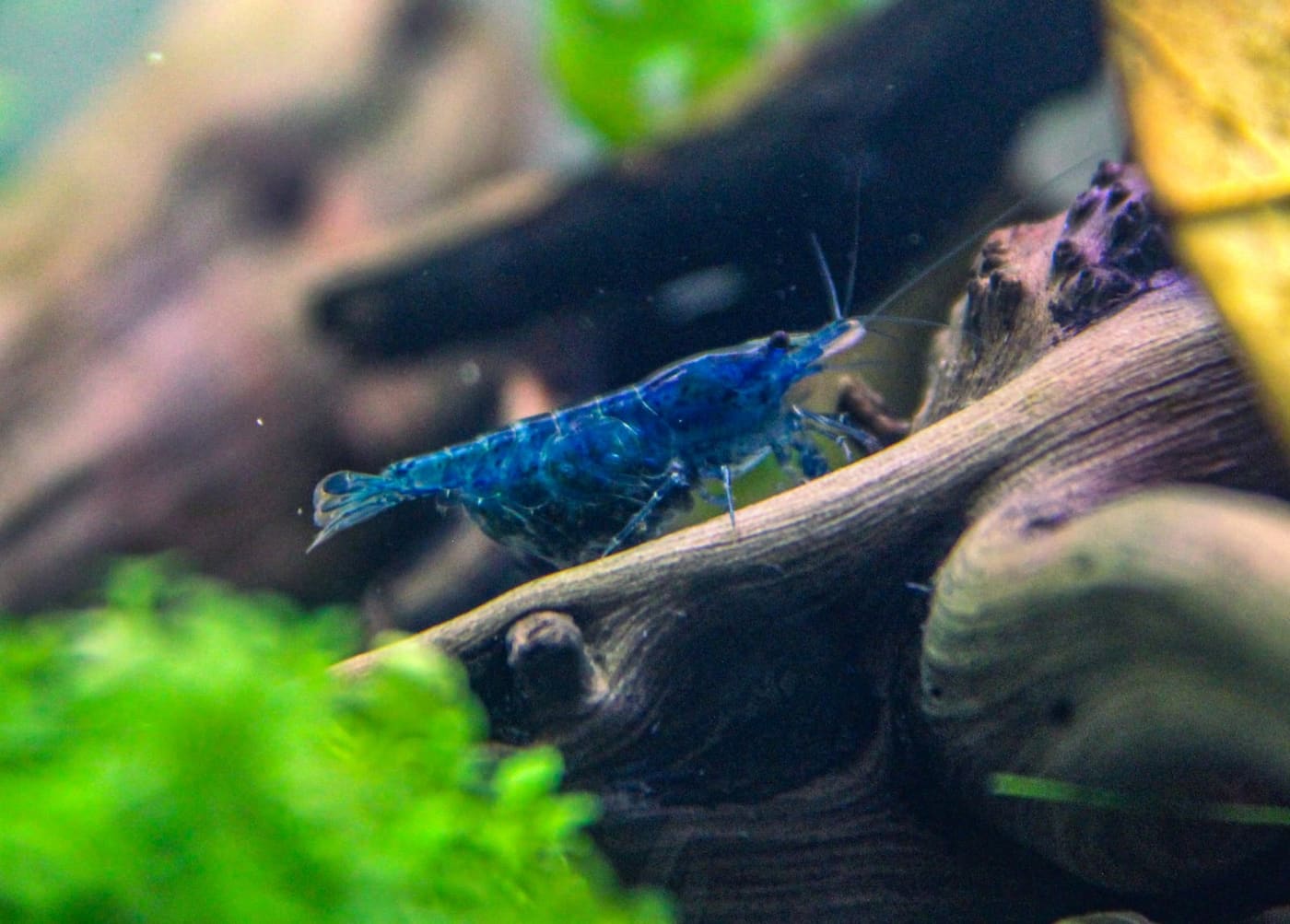
Quick Answer
Cherry shrimp and ghost shrimp cannot safely live with adult angelfish. Angelfish are opportunistic predators that eat small shrimp in the wild, and a one inch cherry shrimp is an easy meal. Ghost shrimp are so commonly fed to angelfish that stores sell them as feeders.
Amano shrimp have the best odds, because adults reach about two inches, large enough that a six inch angelfish often cannot swallow one. Even then, juveniles and any shrimplets get picked off, so you will never build a breeding colony in an angelfish tank. If you want both, the clean answer is two tanks. If you insist on one, a heavily planted setup, a well fed angelfish, and large filter feeding shrimp like bamboo or vampire shrimp give you the least bad version of a risky pairing.
Why Angelfish and Shrimp Are a Hard Match
Angelfish (Pterophyllum scalare) are South American cichlids, and their wild diet is the problem in one sentence. Wikipedia's species page lists what they eat in nature: "tiny fish fry and younger, juvenile fishes, young and mature shrimps, crabs, prawns, various worms, mosquito larvae, and water bugs." Seriously Fish describes the same thing more plainly, saying wild angelfish "feed predominantly on various items of zoobenthos such as small crustaceans and other aquatic invertebrates." Mature shrimp are on the menu in the river, so they are on the menu in your tank.
Angelfish are also bigger than people expect. Seriously Fish gives an adult length of about 150 mm, roughly six inches, and they are tall bodied on top of that. A fish that size, with a mouth to match, treats a dwarf shrimp the way a bass treats a minnow. Seriously Fish calls them "generally peaceful for a cichlid" but warns they "may eat small fish such as tetras," and a cherry shrimp is smaller and slower than a neon tetra.
None of this means an angelfish hunts shrimp with any special drive. It means that when a shrimp wanders into open water, or gets flushed out of the moss during a water change, the angelfish that happens to be nearby will eat it. Over a few weeks, those single losses add up until the colony is gone.
One thing that fools new keepers is the size of the angelfish they buy. Most stores sell angelfish as quarter sized juveniles, and a small angelfish genuinely can't fit an adult shrimp in its mouth yet. The shrimp look fine for a month or two, so people assume the pairing works. Then the angelfish grows, as angelfish do quickly, its mouth catches up, and the shrimp start disappearing. Judge the pairing by the adult fish you'll have in six months, not the juvenile in the bag.
The Verdict by Shrimp Species
Not every shrimp faces the same odds. The gap comes down to adult size and how much time the shrimp spends out in the open.
| Shrimp | Adult size | Survives with angelfish? |
|---|---|---|
| Cherry / neocaridina | 1 to 1.5 in | No. Bite sized and brightly colored |
| Ghost shrimp | 1.5 in | No. Sold as angelfish feeders |
| Amano shrimp | 2 in | Sometimes, adults only |
| Bamboo shrimp | 2 to 4 in | Often, once full grown |
| Vampire shrimp | 4 to 5 in | Usually, too big to eat |
Cherry shrimp and other neocaridina are the worst candidates. They top out near an inch to an inch and a half, they breed in the open, and their red or blue color makes them stand out against green plants. Their whole appeal, a big visible colony, is exactly what puts them on an angelfish's radar.
Ghost shrimp fare no better despite being clear. They are one of the cheapest live foods in the hobby, and Wikipedia's feeder shrimp entry notes that ghost, glass, and grass shrimp are "commonly sold and fed as live prey to larger, more aggressive fishes." Aquarium retailers list angelfish, oscars, cichlids, and discus among the fish those shrimp feed. Buying feeders and hoping they turn into pets is a losing bet.
Amano shrimp are the first species with a real chance. Adults reach about two inches, larger than most dwarf shrimp, and a full grown amano is a mouthful even a six inch angelfish struggles with. The catch is that they have to already be adults when they go in. A juvenile amano is cherry shrimp sized and just as vulnerable, and because amano larvae need brackish water to develop, you would not be breeding them in this tank regardless.
The Temperature Problem Nobody Mentions
Compatibility is not only about who eats whom. Angelfish and neocaridina shrimp want different water temperatures, and that clash shortens shrimp lives even when the angelfish never lands a bite.
Angelfish are warm water fish. Their native rivers run 24 to 30 degrees C, about 75 to 86 F per both Wikipedia and Seriously Fish, and most keepers hold them around 78 to 82 F for good color and breeding. Neocaridina shrimp prefer it cooler. The Shrimp Farm puts their comfort zone at roughly 72 to 76 F within a wider 60 to 82 F tolerance, and Aquarium Co-Op likewise centers cherry shrimp care in the low to mid 70s.
You can find a narrow overlap near 78 F, but at that point you're running the shrimp at the warm edge of their range to keep the angelfish comfortable. Warm water speeds a shrimp's metabolism, shortens its lifespan, and lowers the oxygen the tank can hold. So even in the rare tank where an angelfish ignores the shrimp, the temperature you keep for the fish quietly works against the invertebrates. Stability matters more than the exact number, but there isn't a single number that suits both animals well.
If You Want to Try It Anyway
Some keepers run this pairing and lose only a few shrimp a year. They do it by stacking the deck. If you're set on one tank, here's how to lose the fewest shrimp.
Go big and go planted. A cramped tank forces shrimp into the open where the angelfish patrols. A larger tank, 29 gallons or more, packed with cover gives shrimp somewhere to disappear. Java moss, guppy grass, floating plants, cholla wood, and rock crevices all create spaces too tight for a tall angelfish to follow. A wall of dense moss and cover plants is the single best thing you can add, and our best plants for shrimp tanks guide walks through the ones that hold up.
Add the shrimp first, and add a lot of them. A colony that has already claimed the moss and bred for a few months absorbs losses better than six shrimp dropped into an established angelfish tank. Starting numbers matter. Twenty amano shrimp with a hiding maze will hold up far better than five.
Keep the angelfish full. A hungry cichlid hunts harder. An angelfish on a regular diet of pellets, frozen bloodworms, and brine shrimp has less reason to chase down a shrimp that's difficult to catch in a planted tank. It won't switch off the instinct, but it lowers the effort the fish spends going after a hard target.
Skip the copper. If your angelfish gets sick, read the medication label before you dose the tank. Plenty of common fish treatments contain copper, which is lethal to shrimp at doses fish shrug off. A shared tank takes that choice away from you in an emergency, so keep a hospital tank for the fish rather than treating the display.
Accept the terms. Even done well, this is a colony that cannot grow. Every shrimplet born in the open gets eaten, so the population only ever shrinks. Treat the shrimp as a cleanup crew you top up now and then, not as breeding stock.
The Shrimp Most Likely to Survive
If the goal is shrimp that live rather than shrimp that breed, size is your friend, and the biggest freshwater shrimp are filter feeders.
Bamboo shrimp grow to two to four inches and spend their days perched in the current, fanning food from the water with feathery front limbs. A full grown one is too large for an angelfish to bother, and its habits keep it in one spot instead of wandering into danger. Vampire shrimp are larger still, four to five inches, and behave the same way. Both are peaceful, both ignore the angelfish, and both are the closest thing to a safe shrimp for a cichlid tank.
The trade off is that filter feeders don't build colonies and don't graze algae. You keep one or two as characters, not as a cleaning crew or a breeding project. But if you want a shrimp that shares a tank with angelfish and actually survives, an adult bamboo or vampire shrimp is the honest pick.
A Better Setup for Both
Here's the setup most experienced keepers land on: two tanks. It sounds like more work, and it is a little, but it solves every problem at once.
A shrimp only tank, or one with tiny peaceful fish like celestial pearl danios or chili rasboras, lets a neocaridina colony breed into the hundreds and show the color that made you want them. Meanwhile the angelfish gets a proper community of larger tetras, corydoras, and other fish sized so they're neither prey nor threat. Both tanks are calmer, both are easier to feed correctly, and you stop watching shrimp vanish one by one.
Angelfish need the room anyway. Care guides put the minimum for a single adult around 20 to 29 gallons, and because of their tall body shape they do best in tall tanks rather than long, shallow ones. A dedicated angelfish community is the setup they want regardless of what you do with shrimp, so splitting the two isn't really extra fish keeping, just two tanks each doing one job well.
If space or budget allows only one tank, decide what you actually want from it. A display built around angelfish is a fish tank, and shrimp in it are temporary residents. A tank built around a shrimp colony is an invertebrate tank, and an angelfish doesn't belong in it. For a sense of which fish genuinely leave a colony alone, our what fish eat shrimp guide sorts the predators from the safe options.
Frequently Asked Questions
◆Will angelfish eat cherry shrimp?
Yes. Adult angelfish reach about six inches and eat small shrimp in the wild, so a one inch cherry shrimp is easy prey. A large, heavily planted tank slows the losses, but a visible neocaridina colony won't survive long term with angelfish present.
◆Are amano shrimp big enough to live with angelfish?
Adult amano shrimp reach around two inches, often too large for a six inch angelfish to swallow, so grown amanos have a real chance. Juveniles are still small enough to be eaten, and you can't breed amanos in a freshwater tank anyway, so add adults only.
◆Can baby shrimp survive in an angelfish tank?
No. Newborn shrimplets are a few millimeters long and get eaten within days, even in heavily planted tanks. This is why a shrimp colony can never grow while angelfish are in the tank, no matter how many adults you start with.
◆What shrimp can live with angelfish?
The biggest filter feeding shrimp do best. Adult bamboo shrimp at two to four inches and vampire shrimp at four to five inches are usually too large to eat and stay perched in the current rather than roaming. Full grown amano shrimp are the smallest species with a fair chance.
The Bottom Line
Angelfish and dwarf shrimp are a poor match because angelfish eat shrimp in the wild and keep eating them in your tank. Cherry and ghost shrimp disappear fast, adult amanos hang on but never breed, and the warm water angelfish prefer works against neocaridina even when the fish behaves. If you want a real shrimp colony, give it its own tank; if you want shrimp in with angelfish, use adult bamboo or vampire shrimp and treat every shrimp as one you might lose. When you're ready to build a colony that actually thrives, start with our best tank mates for cherry shrimp guide.
Found this helpful?
Check out our other shrimp care guides