Can Shrimp Live in a 5 Gallon Tank? Nano Tank Guide
Can you keep shrimp in a 5 gallon tank? Yes, and it's one of the best beginner setups. Here's how many shrimp, what equipment you need, and how to keep it stable.
Can Shrimp Live in a 5 Gallon Tank?
Last updated: May 2026 | 8 min read
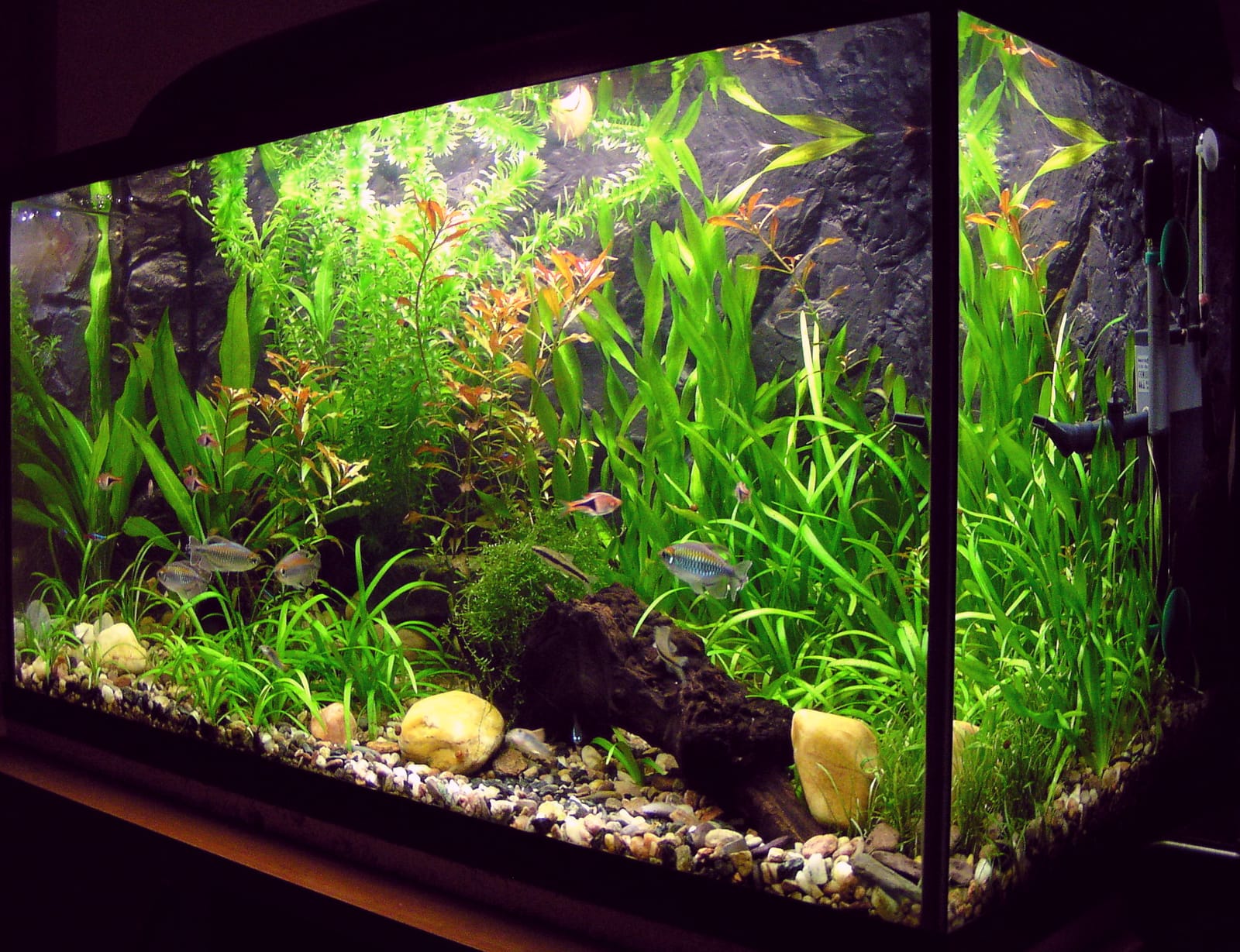
Short answer: yes, Yes. A 5 gallon tank is one of the best ways to start keeping shrimp. Cherry shrimp are tiny, peaceful, and produce almost no waste, which makes a small tank totally workable. In fact, many experienced keepers run dedicated 5 gallon shrimp tanks on purpose.
That said, small tanks come with one big catch: less water means parameters swing faster. This guide covers how many shrimp you can keep, what equipment you need, and how to keep a nano shrimp tank stable.
Quick Answer
A 5 gallon tank comfortably holds 15 to 25 cherry shrimp to start, and the colony can grow to 50 or more over time since shrimp self-regulate to the tank's capacity. You'll need a gentle filter, stable temperature, live plants, and weekly testing. No fish.
How Many Shrimp in a 5 Gallon Tank?
Cherry shrimp have a very light bioload, so you can stock more densely than fish. A good starting point:
- •Start with 15 to 20 cherry shrimp. Enough for a visible group and guaranteed breeding pairs
- •The colony can reach 50-plus as it grows, and it will naturally level off near the tank's carrying capacity
- •Don't add fish. A 5 gallon is too small for most fish anyway, and fish eat baby shrimp
For a full breakdown by tank size, see how many shrimp per gallon.
Why 5 Gallons Works So Well for Shrimp
- •Tiny bioload. Shrimp produce almost no waste compared to fish, so a small filter keeps up easily
- •Cheaper to set up. Less substrate, fewer plants, a smaller filter and heater all cost less
- •Easy to plant heavily. A small footprint is simple to fill with moss and plants, which shrimp love
- •Great for a desk or shelf. Shrimp are endlessly watchable up close
The One Catch: Stability
The smaller the tank, the faster things change. A 5 gallon heats up, cools down, and shifts in parameters quicker than a 20 gallon. This is the only real downside, and it's easily managed:
- •Don't overfeed. Uneaten food fouls a small tank fast. Feed a little every other day
- •Do smaller water changes. Swap 10 to 15 percent weekly instead of big changes that shock the colony. See shrimp tank water changes
- •Keep it out of direct sun and away from heating vents to avoid temperature swings
- •Test weekly with a reliable test kit
Equipment for a 5 Gallon Shrimp Tank
Filter. A sponge filter is the gold standard for shrimp. It's gentle, won't suck up shrimplets, and grows biofilm shrimp graze on. Skip strong hang-on-back filters unless you cover the intake. See best filters for shrimp tanks.
Heater. Many rooms stay warm enough that shrimp don't need one, but a small adjustable heater keeps temperature stable, which matters more in a nano tank. Check do shrimp need a heater.
Substrate. Inert gravel or sand works fine for cherry shrimp. If you ever keep Caridina (like crystal reds), you'll want an active buffering substrate. See best substrate for shrimp tanks.
Plants and moss. Non-negotiable for a thriving colony. Moss gives shrimplets food and cover. Start with our best moss for shrimp tanks and best plants for shrimp tanks guides.
Light. A basic LED on a 6 to 8 hour timer is plenty for low-tech plants and moss.
Setting It Up
- •Rinse substrate and add it to the tank
- •Add hardscape, plants, and plenty of moss
- •Install the sponge filter and heater
- •Fill, dechlorinate, and start the cycle. Cycle the tank fully before adding shrimp. This is the single most important step. Read how to cycle a shrimp tank
- •Once cycled and stable, drip acclimate your shrimp using our acclimation guide
Want to do it cheaply? Our shrimp tank on a budget guide builds a full setup for under $50.
What About Smaller Than 5 Gallons?
You can keep shrimp in 3 gallon or even smaller tanks, but stability gets harder the smaller you go. For a first tank, 5 gallons is the sweet spot: small and affordable, but with enough water volume to forgive small mistakes. Below 3 gallons, parameters swing so fast that it's better left to experienced keepers.
The Bottom Line
A 5 gallon tank is a great home for shrimp and one of the best ways to start the hobby. Stock 15 to 20 cherry shrimp, plant it heavily with moss, run a sponge filter, skip the fish, and stay on top of small weekly water changes. Do that and your nano tank will reward you with a thriving, breeding colony.
Related Guides
- •Complete Shrimp Tank Setup Guide - Full step-by-step setup
- •How Many Shrimp Per Gallon - Stocking density by tank size
- •Shrimp Tank on a Budget - A full setup under $50
- •Best Filters for Shrimp Tanks - Why sponge filters win
Frequently Asked Questions
◆How many shrimp can live in a 5 gallon tank?
Start with 15 to 20 cherry shrimp. Because shrimp have such a light bioload, the colony can grow to 50 or more over time and will naturally level off at the tank's carrying capacity. Don't keep fish in a 5 gallon shrimp tank.
◆Can cherry shrimp live in a 5 gallon tank?
Yes. Cherry shrimp are ideal for 5 gallon tanks. They're small, peaceful, hardy, and produce almost no waste. A planted 5 gallon with a sponge filter is one of the best beginner shrimp setups.
◆Do shrimp need a filter in a 5 gallon tank?
Yes. A gentle sponge filter is best. It provides filtration without sucking up baby shrimp and grows biofilm that shrimp graze on. Avoid strong filters unless you cover the intake with a sponge guard.
◆Can I keep shrimp and fish together in a 5 gallon tank?
It's not recommended. Most fish are too big for a 5 gallon, and even peaceful fish eat baby shrimp, which prevents your colony from growing. For breeding and colonization, keep a 5 gallon shrimp-only.
◆Is a 5 gallon tank too small for shrimp?
No. Five gallons is a great size for a shrimp colony. The only tradeoff is that smaller tanks shift in temperature and parameters faster, so stay consistent with feeding and small weekly water changes.
Found this helpful?
Check out our other shrimp care guides