Blue Dream Shrimp Care Guide: The Deep Blue Neocaridina
Blue Dream shrimp are a vivid blue Neocaridina, just as easy as cherry shrimp. Learn their care, water parameters, breeding, how they differ from Blue Velvet, and how to keep their color deep.
Blue Dream Shrimp Care Guide
Last updated: June 2026 | 10 min read
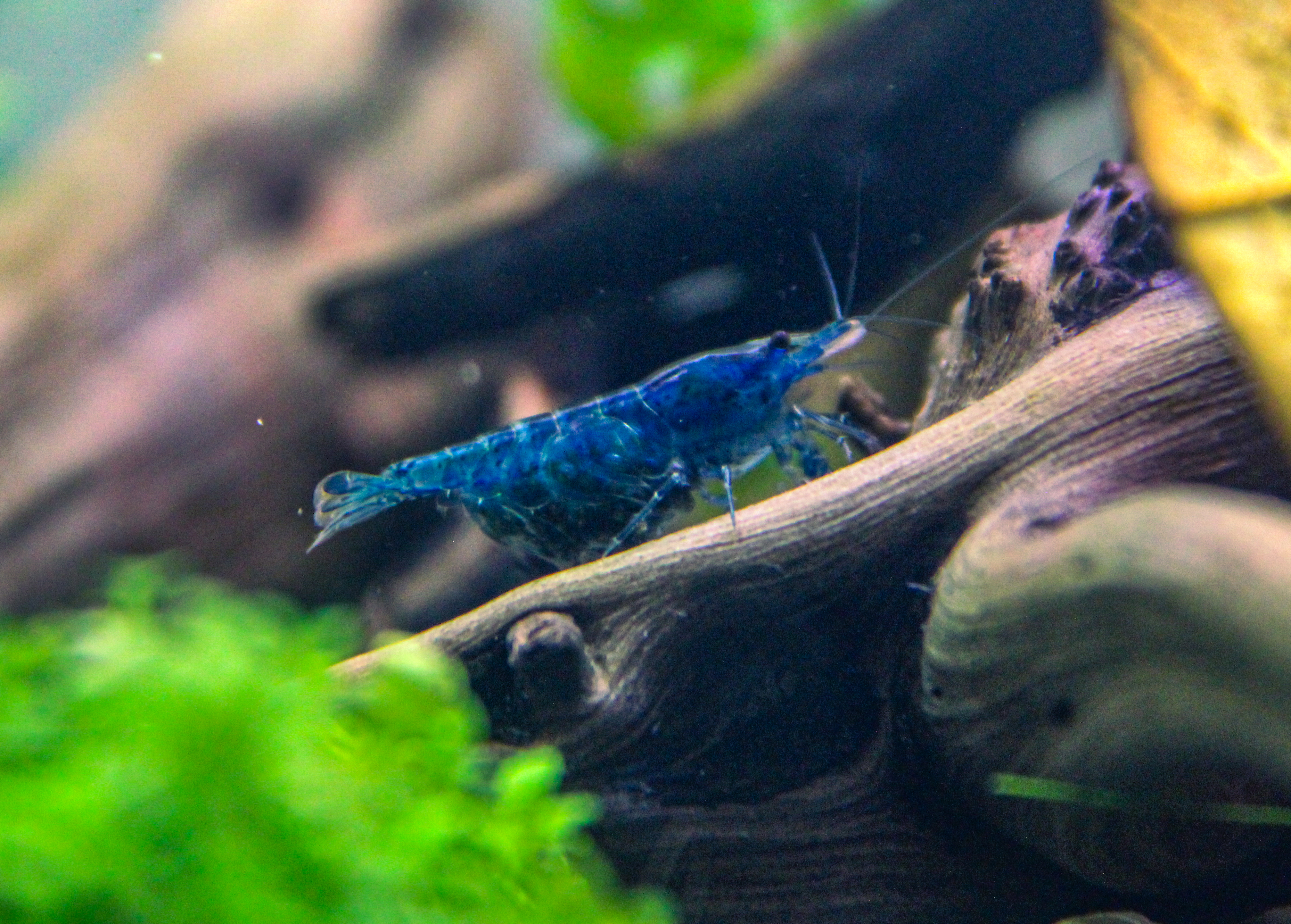
Blue Dream shrimp are one of the most striking color morphs in the freshwater hobby: a deep, solid blue that pops against green plants and dark substrate. The best news for beginners is that they're just a color variant of Neocaridina davidi, the same hardy species as the cherry shrimp. That means if you can keep cherries, you can keep Blue Dreams. Same care, same forgiving nature, completely different look.
This guide covers everything you need to keep Blue Dream shrimp thriving, how they differ from the similar Blue Velvet, and how to keep that blue as deep as possible.
Quick Answer
Blue Dream shrimp are a high-grade blue Neocaridina davidi. They need the same care as cherry shrimp: stable water (pH 6.5-7.5, temp 65-78°F), a mature planted tank, and gentle filtration. They breed readily and the colony will grow on its own. Keep only Blue Dreams (no other Neocaridina colors) to preserve the blue, and use dark substrate to deepen their color.
Blue Dream Shrimp at a Glance
| Parameter | Range |
|---|---|
| Adult size | 1-1.5 inches (2.5-4 cm) |
| Temperature | 65-78°F (18-26°C), ~72-76°F ideal |
| pH | 6.5-7.5 |
| GH | 6-8 dGH |
| KH | 2-4 dKH |
| TDS | 150-250 ppm |
| Minimum tank | 5 gallons |
| Temperament | Peaceful |
| Lifespan | 1-2 years |
| Difficulty | Beginner |
Blue Dream vs Blue Velvet: What's the Difference?
This is the most common question about Blue Dreams, and the answer is genuinely confusing because sources disagree. Here's the practical version.
Both are blue Neocaridina davidi. The differences are about shade and lineage:
- •Blue Dream is typically a deeper, darker, more saturated blue, often described as a "true blue" that covers the whole body. It was selectively bred from the Carbon Rili line.
- •Blue Velvet is usually a lighter, more translucent sky-blue or cornflower blue.
In practice, the names are used loosely and the line between them is blurry. A deep-blue shrimp might be sold as either. What matters for you is that their care is identical, because they're the same species. If you want the care details for the lighter morph, see our Blue Velvet shrimp guide.
Color Grades
Like other Neocaridina, Blue Dreams come in grades based on color intensity and coverage:
- •Lower grade: patchy or translucent blue, some clear areas
- •Higher grade: deep, solid, opaque blue covering the entire body, including legs and rostrum
Higher grades cost more and produce more consistent offspring. If you want a vivid colony, start with the best-graded shrimp you can find and cull (remove or separate) any that show poor color as they breed.
Tank Setup
Blue Dream shrimp need exactly what any Neocaridina needs.
◆Tank Size
A 5 gallon tank is the minimum and works well for a starter colony. Ten gallons or more is more stable and lets the colony grow larger. For stocking numbers, see how many shrimp per gallon.
◆Substrate and Color
Here's a color tip that actually matters: dark substrate makes Blue Dreams look dramatically more blue. Shrimp adjust their coloration to their surroundings, so a light or white substrate can wash them out, while black or dark substrate brings out the deepest blue. Our substrate guide covers the options.
◆Filtration
A gentle sponge filter is ideal. It won't suck up baby shrimp and it grows biofilm for them to graze.
◆Plants and Moss
A planted tank with moss gives shrimp grazing surfaces and shrimplets a place to hide. It also makes the blue pop visually.
Water Parameters
Blue Dreams are hardy and forgiving like all Neocaridina. Aim for:
- •Temperature: 65-78°F, with the low-to-mid 70s ideal
- •pH: 6.5-7.5
- •GH: 6-8 dGH (minerals for molting)
- •KH: 2-4 dKH
- •TDS: 150-250 ppm
The single most important thing is stability. Shrimp handle a range of conditions but not sudden swings. Test weekly with a liquid test kit and a GH/KH kit, and make changes gradually. Our full water parameters guide has the details.
Feeding
Blue Dreams eat the same as any dwarf shrimp: biofilm, algae, and supplemental food. In a mature planted tank they mostly feed themselves. Add a small amount of shrimp food or blanched vegetables 2 to 4 times a week. Don't overfeed. For the complete picture, see what do shrimp eat.
Breeding Blue Dream Shrimp
Breeding is easy and happens on its own in a stable tank. A healthy female carries 20 to 30 eggs under her tail (called being "berried") and the eggs hatch in about 3 to 4 weeks into tiny copies of the adults. No special setup is needed; the shrimplets graze biofilm and hide in moss.
The key to a vivid blue colony is selective breeding. Over generations, keep your best-colored shrimp and remove poorly colored ones so the deep blue stays dominant. For the full process, see how to breed cherry shrimp, which applies identically to Blue Dreams.
Keeping the Blue: Don't Mix Colors
This is the one rule that trips people up. All Neocaridina davidi color morphs interbreed freely. If you keep Blue Dreams with cherry shrimp, yellow shrimp, or any other Neocaridina color, they will crossbreed, and within a few generations the offspring revert to a muddy, translucent wild-type brown.
To keep your blue colony blue, keep only Blue Dreams in the tank. No other Neocaridina colors. Different species like Amano shrimp are fine because they can't interbreed, but mixing Neocaridina colors destroys the color you paid for. Our mixing shrimp colors guide explains the genetics.
Tank Mates
Blue Dreams are peaceful and best kept in a species-only or shrimp-and-snail tank if you want them to breed. Safe companions include nerite and mystery snails. Most fish will eat shrimplets, so for a growing colony, skip the fish. Use our tank mate compatibility checker to check a specific fish.
The Bottom Line
Blue Dream shrimp give you a vivid, deep-blue colony with all the easy, beginner-friendly care of cherry shrimp. Keep their water stable, use dark substrate to deepen the color, feed lightly, and most importantly, keep only Blue Dreams in the tank so they don't crossbreed back to brown. Do that and you'll have a self-sustaining colony of some of the most beautiful shrimp in the hobby.
Related Guides
- •Blue Velvet Shrimp Care - The lighter blue morph
- •Cherry Shrimp Care - Same species, same care
- •Mixing Shrimp Colors - Why not to crossbreed
- •Best Substrate for Shrimp Tanks - Dark substrate for deeper color
Frequently Asked Questions
◆What is the difference between Blue Dream and Blue Velvet shrimp?
Both are blue color morphs of Neocaridina davidi. Blue Dream is typically a deeper, more saturated, solid blue bred from the Carbon Rili line, while Blue Velvet is usually a lighter, more translucent sky-blue. The names are often used loosely, and their care is identical since they're the same species.
◆Are Blue Dream shrimp hard to keep?
No, Blue Dream shrimp are beginner-friendly. They're a color variant of the same hardy species as cherry shrimp, so they need the same simple care: stable water, a mature planted tank, and light feeding. If you can keep cherry shrimp, you can keep Blue Dreams.
◆Why are my Blue Dream shrimp losing their color?
Color loss usually comes from stress, a light-colored substrate, or crossbreeding with other Neocaridina colors. Use dark substrate to deepen the blue, keep water parameters stable, and never mix Blue Dreams with other Neocaridina color morphs, since their offspring revert to wild brown.
◆Can Blue Dream shrimp live with cherry shrimp?
They can live together safely, but you should not, because they will interbreed. Both are Neocaridina davidi, and mixing colors produces muddy brown wild-type offspring within a few generations. Keep one color per tank to preserve it.
◆How many Blue Dream shrimp should I start with?
Start with 10 to 15 Blue Dream shrimp. That nearly guarantees both males and females for breeding and gives you a visible group right away. Buy the highest color grade you can find for the most vivid colony.
Found this helpful?
Check out our other shrimp care guides