Do Shrimp Eat Algae? What They Will and Won't Clean Up
Do shrimp eat algae? Yes, shrimp graze soft green and brown algae, but they won't touch black beard or hair algae. Learn which shrimp eat the most and why they can't fix an algae problem.
Do Shrimp Eat Algae?
Last updated: June 2026 | 8 min read
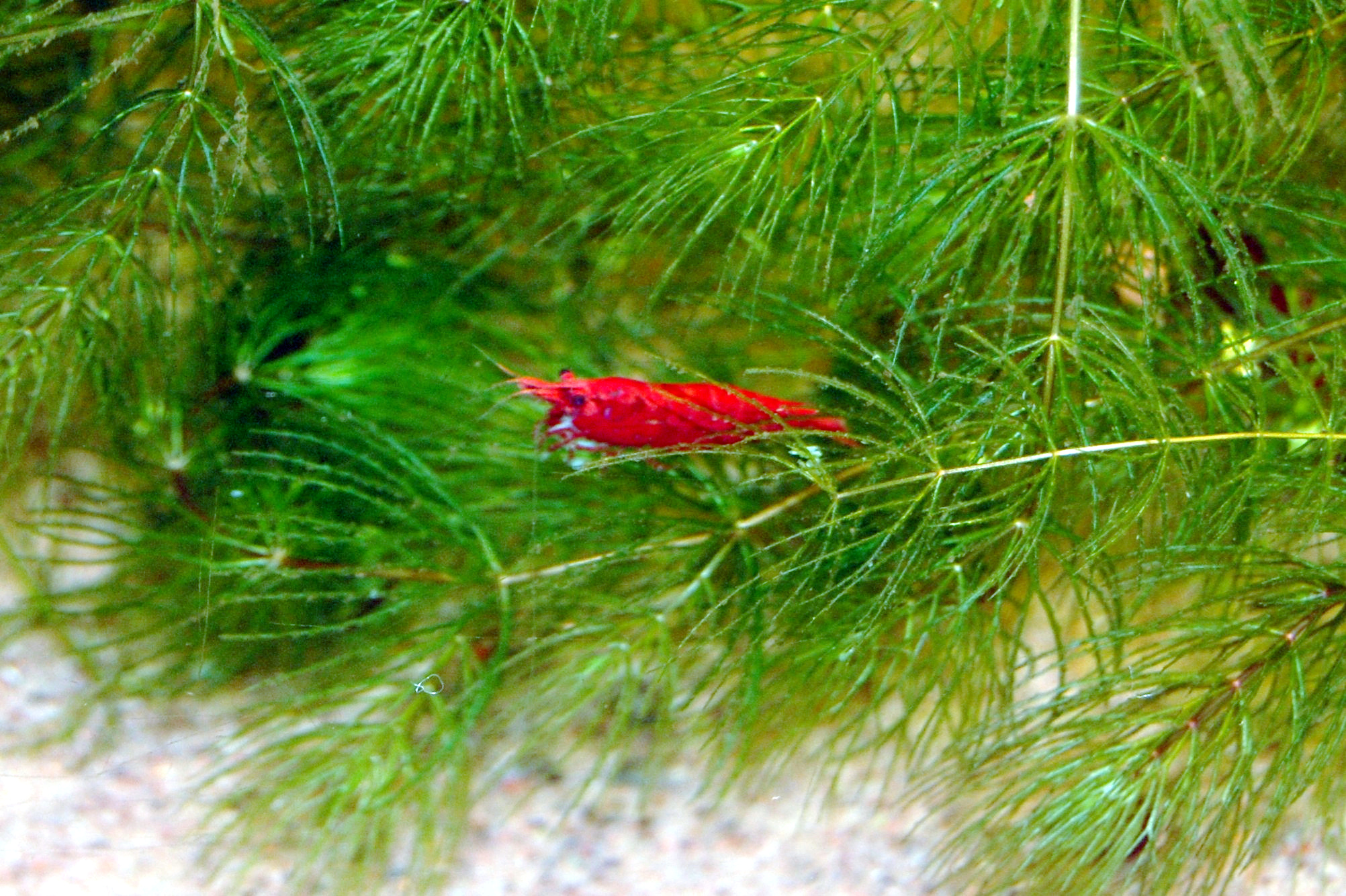
"Do shrimp eat algae?" is one of the most common questions new aquarists ask, usually while staring at a tank that's turning green. The answer is yes, but with important limits. Shrimp are genuinely helpful algae grazers, but they're not a magic fix, and they won't touch the worst algae types. This guide explains exactly what shrimp will and won't eat, which shrimp eat the most, and why they can't solve an algae problem on their own.
Quick Answer
Yes, shrimp eat algae, specifically soft green algae, brown diatoms, and the biofilm that coats surfaces. They won't eat tough algae like black beard algae or hair algae, and they can't fix an algae problem caused by too much light or excess nutrients. Amano shrimp are the best algae eaters; cherry shrimp help but eat less.
What Algae Shrimp Do Eat
Shrimp are grazers that constantly pick at surfaces. They readily eat:
- •Soft green algae - the green film that grows on glass, plants, and hardscape
- •Brown algae (diatoms) - common in new tanks, shrimp clear it well
- •Biofilm - the invisible microbial layer on every surface, technically their main food
- •Soft green spot algae - the early, soft stages
If your tank has a light coating of soft green or brown film, a group of shrimp will graze it down over time. This is real, useful algae control, and it's why shrimp are popular cleanup crew. For the full diet picture, see what do shrimp eat.
What Algae Shrimp Won't Eat
Here's where expectations need managing. Shrimp will not touch the tough, stubborn algae types that actually frustrate aquarists most:
- •Black beard algae (BBA) - the dark, bristly tufts on plant edges and hardscape. Shrimp ignore it.
- •Hair algae / thread algae - long stringy strands. Shrimp may nibble new growth but won't clear an established mat.
- •Hard green spot algae - the tough, crusty green dots on glass. Too hard for shrimp.
- •Blue-green algae (cyanobacteria) - actually a bacteria, not algae, and shrimp won't eat it.
If you're hoping shrimp will clear black beard algae or a hair algae outbreak, they won't. Those need other solutions covered in our shrimp tank algae control guide.
Which Shrimp Eat the Most Algae?
Not all shrimp are equal algae eaters:
- •Amano shrimp are the champions. Larger and hungrier, a few will visibly clear soft algae far faster than cherries. If algae control is your goal, Amano shrimp are the top pick. See our Amano vs cherry comparison.
- •Cherry shrimp help but eat less per shrimp due to their small size. A large colony grazes a meaningful amount, but they're more about color than cleanup. See cherry shrimp care.
- •Ghost shrimp are moderate, more general scavengers than dedicated algae eaters.
For serious algae work, Amano shrimp win. For a colorful colony that also grazes, cherries are fine.
Why Shrimp Can't Fix an Algae Problem
This is the essential point. Shrimp graze existing algae, but they don't address what's causing it. Algae blooms come from an imbalance, usually:
- •Too much light - too long a photoperiod or too intense
- •Excess nutrients - from overfeeding, overstocking, or infrequent water changes
- •A new, unstable tank - the "new tank" diatom phase
No number of shrimp will out-graze algae that's being actively fueled by these. If you add shrimp to a tank with an algae problem and don't fix the cause, the algae keeps growing faster than the shrimp can eat it.
The real fix is removing the cause:
- •Reduce lighting to 6-8 hours a day
- •Stop overfeeding (a major one, see below)
- •Do regular water changes to export nutrients
- •Add live plants, which outcompete algae for nutrients
Once the underlying balance is fixed, shrimp are excellent at keeping the remaining soft algae in check. They're a maintenance crew, not an emergency response team.
The Overfeeding Connection
There's an irony worth knowing: overfeeding your shrimp fuels algae. Excess food decays into the nutrients algae feed on. So a tank that's overfed often has both stressed shrimp and an algae bloom. Feeding lightly helps both problems at once. Shrimp need very little supplemental food, since they're grazing biofilm and algae all day already. When in doubt, feed less.
The Bottom Line
Shrimp do eat algae, soft green algae, brown diatoms, and biofilm, and they're a genuine, useful part of a cleanup crew. But they won't touch tough algae like black beard or hair algae, and they can't fix an algae problem driven by too much light or excess nutrients. Amano shrimp eat the most; cherry shrimp help less but add color. Fix the root cause of algae first, then let shrimp keep the soft stuff in check. Used that way, they're one of the best natural algae managers in the hobby.
Related Guides
- •Shrimp Tank Algae Control - The full algae plan
- •Amano Shrimp Care - The best algae-eating shrimp
- •What Do Shrimp Eat - Their complete diet
- •Best Plants for Shrimp Tanks - Outcompeting algae
Frequently Asked Questions
◆Do shrimp eat algae?
Yes, shrimp eat soft green algae, brown diatoms, and biofilm, grazing them off glass, plants, and hardscape. They're genuinely useful algae grazers. However, they won't eat tough algae like black beard or hair algae, and they can't fix an algae problem caused by excess light or nutrients.
◆What kind of algae do shrimp eat?
Shrimp eat soft green algae, brown diatoms (common in new tanks), soft green spot algae, and biofilm. They will not eat black beard algae, established hair algae, hard green spot algae, or blue-green algae (cyanobacteria), which are too tough or unpalatable for them.
◆Which shrimp eats the most algae?
Amano shrimp eat the most algae by far. They're larger and hungrier than cherry or ghost shrimp, and a few can visibly clear soft algae from a tank. Cherry shrimp help but eat less per shrimp, and ghost shrimp are more general scavengers.
◆Will shrimp get rid of an algae problem?
No, not on their own. Shrimp graze existing soft algae but don't address the cause, usually too much light or excess nutrients. If those aren't fixed, algae grows faster than shrimp can eat it. Reduce lighting, stop overfeeding, do water changes, and add plants, then shrimp keep the remaining algae in check.
◆Do cherry shrimp eat algae?
Yes, cherry shrimp eat soft green and brown algae and biofilm, grazing constantly. Because they're small, each one eats less than an Amano shrimp, but a full colony grazes a meaningful amount. They're better thought of as colorful grazers that help with algae rather than dedicated algae eaters.
Found this helpful?
Check out our other shrimp care guides