How to Tell If Your Shrimp Are Healthy, Happy, or Stressed
Worried about your shrimp? Learn the signs of healthy, happy freshwater shrimp, and how to tell when shrimp are stressed, from color and activity to molting and feeding behavior.
How to Tell If Your Shrimp Are Healthy, Happy, or Stressed: 10 Signs to Watch For
Last updated: February 2026 | 12 min read
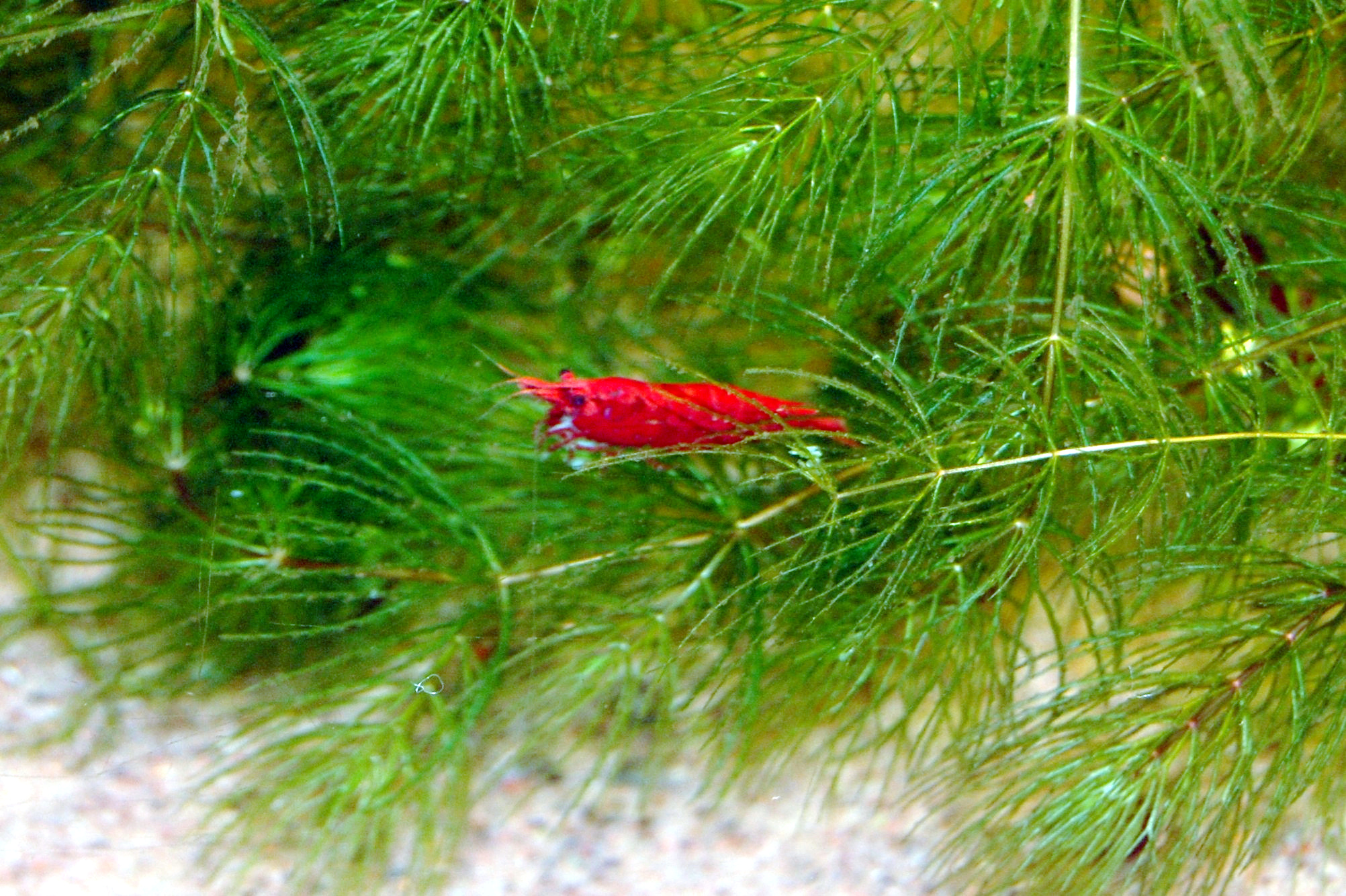
You just added shrimp to your tank and now you're watching them like a worried parent. Are they okay? Are they stressed? Why are they hiding? Every new shrimp keeper goes through this. The truth is, shrimp are subtle creatures. They don't wag their tails or purr when they're happy. But there are reliable signs that tell you whether your colony is thriving or struggling.
Here's exactly what to look for, based on years of community experience from the r/shrimptank community and practical shrimp keeping knowledge.
10 Signs Your Shrimp Are Healthy
◆1. Active Grazing Behavior
The number one indicator of healthy shrimp is constant grazing. Healthy shrimp spend most of their time picking at surfaces: substrate, plants, driftwood, glass, rocks. Their little fan-shaped hands are always working, scooping up biofilm and algae.
As one experienced keeper put it on r/shrimptank: "They are grazing detritivores, so should be moving about seeking food for the most part."
What healthy grazing looks like:
- •Shrimp walk slowly across surfaces, picking at biofilm
- •Front legs (maxillipeds) are constantly in motion
- •They move from spot to spot, exploring the tank
- •They don't stay frozen in one place for long periods
Don't confuse grazing with sitting still. Shrimp will pause to rest, especially after molting. But a healthy shrimp will resume grazing within a few hours.
◆2. Bright, Consistent Coloration
Color tells you a lot about how your shrimp are feeling. A healthy cherry shrimp should have deep, even coloration. When shrimp are stressed, their color fades or becomes patchy.
Signs of healthy coloring:
- •Deep, opaque color across the body (for Neocaridina)
- •Clean shell with no white patches or fuzzy spots
- •Consistent color that doesn't dramatically change day to day
- •Female cherry shrimp often show a yellow saddle behind the head (developing eggs)
Some temporary color changes are normal. Shrimp may pale slightly right after molting, when the new shell is still soft and thin. This should return to normal within a day or two.
Note: Stress-related color loss is different from natural color variation. A low-grade cherry shrimp will always be somewhat translucent. That's genetics, not stress. Color loss from stress is a sudden change from what's normal for that individual shrimp.
◆3. Successful Molting
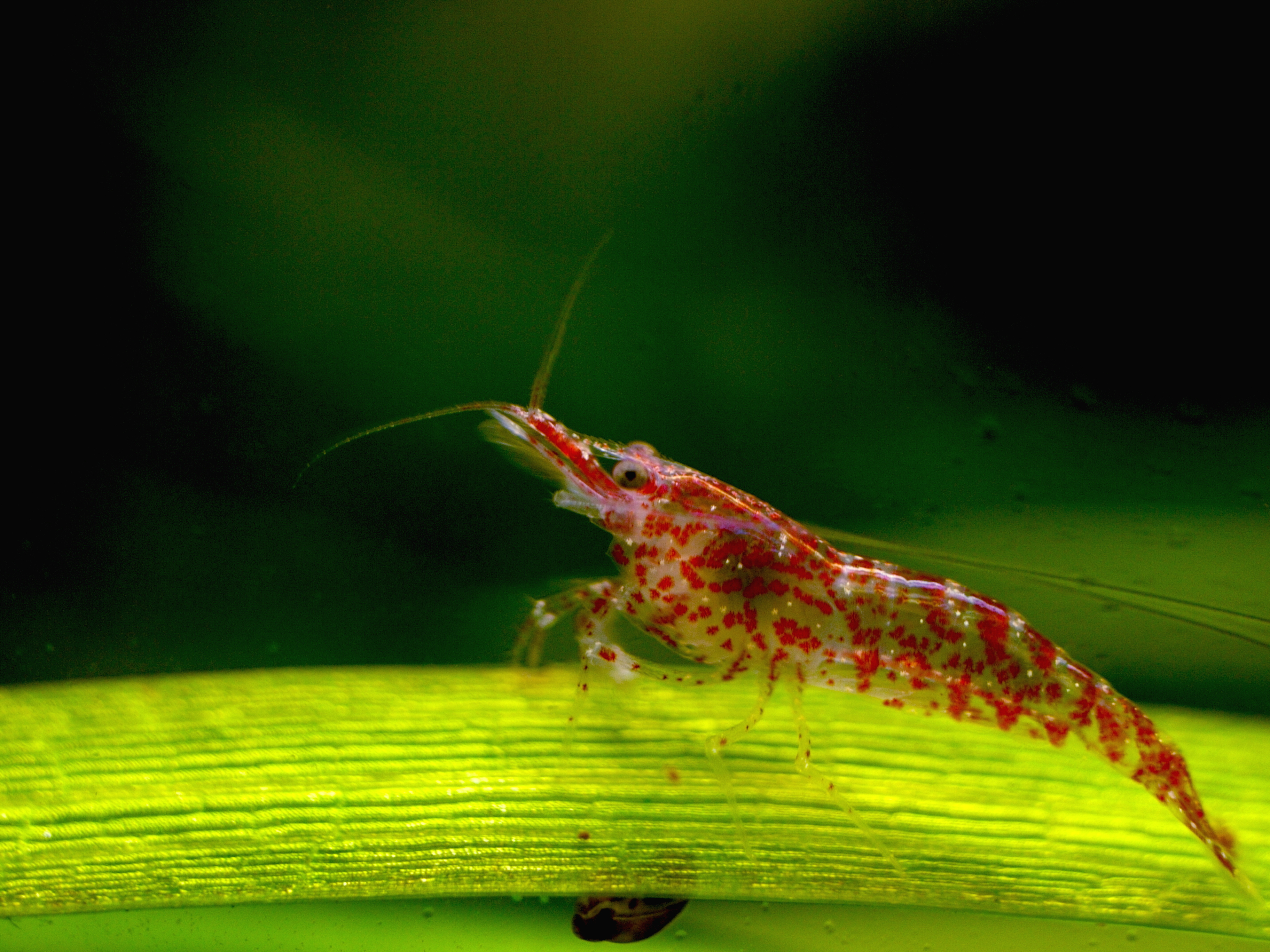
Shrimp molt every 3 to 8 weeks as they grow. Finding empty, intact molt shells in your tank is one of the best signs things are going well. A good molt means the shrimp has enough calcium and minerals to build a new exoskeleton.
What healthy molting looks like:
- •Empty shells that look like ghost shrimp (translucent, complete)
- •The shrimp quickly resumes normal behavior after molting
- •No "white ring of death" (a white line around the body where the old shell cracked but didn't release)
Tip: Leave molt shells in the tank. Other shrimp will eat them to recycle the calcium and minerals. If you see shrimp swarming a molt, that's totally normal and actually a good sign.
If you're finding dead shrimp instead of empty molts, or shrimp seem stuck mid-molt, you likely have a mineral deficiency. A GH/KH test kit is essential for monitoring this.
◆4. Breeding Activity
Nothing says "we're happy here" quite like breeding. If your shrimp are reproducing, your water parameters and environment are good enough that they feel safe investing energy into the next generation.
Signs of breeding:
- •Berried females carrying eggs under their tail (swimmerets)
- •Saddle visible on females (yellow or green mass behind the head - developing eggs)
- •Swimming frenzy where males zip around the tank after a female molts and releases pheromones
- •Baby shrimp (shrimplets) appearing as tiny copies of the adults
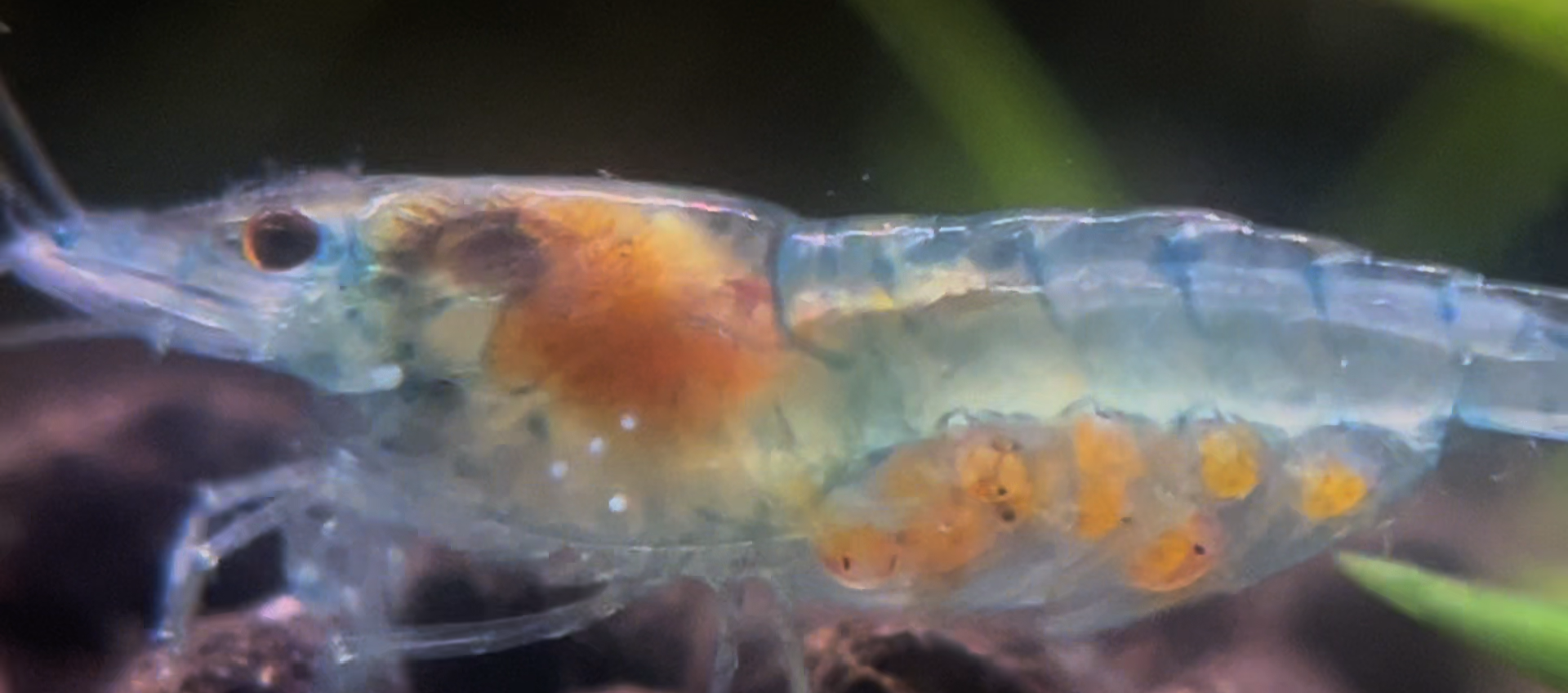
As a r/shrimptank user explained: "Breeding is the sure sign that there's low enough stress they are happy to risk getting it on."
If your shrimp have been in the tank for a month and you're not seeing any berried females, something might be off. Check our guide on why shrimp aren't breeding for troubleshooting tips.
◆5. Exploring the Whole Tank
Healthy, confident shrimp use the entire tank. They climb plants, walk across the substrate, hang from floating plants, and even clean the glass. When shrimp feel safe, they're out in the open.
Good signs:
- •Shrimp visible on multiple surfaces and levels of the tank
- •They don't bolt and hide when you approach
- •They come out during the day, not just at night
- •New shrimp may hide for 24 to 48 hours while acclimating - that's normal
If all your shrimp are constantly hiding in one corner or clustered behind the filter, that could indicate stress from poor water quality, aggressive tank mates, or not enough hiding spots (which paradoxically makes them hide more, not less).
◆6. Healthy Appetite
When you drop food into the tank, healthy shrimp should find it within minutes. You'll see them converge on the food source, jostling for position. Some experienced keepers say the "feeding response" is the quickest health check you can do.
Signs of good appetite:
- •Shrimp find food within 5 to 15 minutes of adding it
- •Multiple shrimp gather around food sources
- •Food is mostly consumed within 2 to 3 hours
- •Shrimp graze on natural biofilm between feedings
If your shrimp completely ignore food, that's concerning. It could mean the water quality is off, they're too stressed to eat, or (the good option) they have so much natural biofilm that they simply prefer it to processed food.
A high-quality shrimp food like Hikari Shrimp Cuisine is a good staple that most shrimp take to readily.
◆7. Clean, Intact Bodies
Take time to really look at your shrimp. Zoom in. Use a flashlight if needed. Healthy shrimp have clean, smooth exoskeletons with no visible damage or parasites.
What to look for:
- •Smooth shell with no white spots, fuzz, or growths
- •Clear eyes (not cloudy or swollen)
- •All legs and antennae intact (missing parts will regrow after molting, but consistent damage is a problem)
- •No green or brown spots on the body (possible parasitic infections)
- •Swimmerets visible and moving (the small legs under the tail that fan eggs or aid in swimming)
If you spot anything unusual, check our common shrimp diseases guide for identification and treatment options.
◆8. Normal Swimming Patterns
Shrimp aren't big swimmers. They mostly walk. When they do swim, it's usually a quick backward dart (the "shrimp scoot") to escape perceived danger, or a purposeful swim from one surface to another.
Normal swimming:
- •Occasional backward darts when startled
- •Males swimming around searching for females after a molt (breeding frenzy)
- •Swimming to food sources
- •Brief exploration swims, then settling back down to graze
Abnormal swimming:
- •Constant frantic swimming hitting the glass or circling the tank - this often signals a water quality issue
- •Floating at the surface unable to swim down
- •Lethargic twitching or lying on their side
- •All shrimp swimming erratically at once - a classic sign that something changed suddenly in the water
One r/shrimptank commenter noted: "Chilling out and grazing in one spot, before walking over to a new spot, is what these shrimp do. What they are doing in your tank shows they are content."
◆9. Growing Population
If your colony is slowly getting bigger, you're doing something right. Healthy shrimp in good conditions can double their population every 2 to 3 months. Even if you started with just 10 shrimp, within 6 months you could have 50 or more.
Population health indicators:
- •You see shrimp of different sizes (adults, juveniles, babies)
- •Baby shrimp appear every few weeks
- •You're not finding dead shrimp regularly
- •The colony is slowly expanding rather than shrinking
If your numbers are staying flat or declining, something is picking off babies (check tank mates), the water isn't right for breeding, or adults are dying at the same rate babies are born. Our breeding guide covers all the variables.
◆10. Cleaning Behavior
Healthy shrimp are fastidious groomers. You'll often see them pulling their antennae through their mouthparts to clean them, or using their legs to clean their swimmerets and body. This "preening" behavior means the shrimp feels safe enough to spend time on self-maintenance.
Watch for:
- •Antenna cleaning (pulling through mouthparts)
- •Leg grooming
- •Swimmeret fanning (especially berried females airing their eggs)
- •Post-molt stretching and flexing
As one shrimp keeper described it: "He's cleaning his swimmerets and flexing his shell to make it easier to molt. Normal, healthy shrimp behavior."
Warning Signs: When Something Is Wrong
Now that you know what healthy looks like, here are the red flags that should prompt immediate investigation:
◆Lethargy and Hiding
- •Shrimp sitting motionless for hours
- •All shrimp clustered in one area
- •Hiding during feeding time
- •Not responding to food
◆Color Changes
- •Sudden color loss or fading
- •Turning pinkish or white (may indicate internal issues)
- •Milky or cloudy appearance
- •Reddish tint on normally non-red shrimp (sign of bacterial infection)
◆Physical Problems
- •White ring around the body (failed molt)
- •Cotton-like growths (fungal infection)
- •Green or brown spots (parasites)
- •Missing limbs that don't regrow
- •Cloudy eyes
◆Behavioral Red Flags
- •Frantic swimming and glass surfing
- •Trying to climb out of the tank
- •Not eating for more than a day
- •Lying on their sides or backs
If you notice any of these, test your water immediately. Nine times out of ten, shrimp problems trace back to water quality. A reliable test kit like the API Freshwater Master Test Kit should be your first tool.
What to Do If Your Shrimp Seem Stressed
◆Step 1: Test Your Water
Check these parameters immediately:
| Parameter | Ideal Range (Neocaridina) |
|---|---|
| Temperature | 68-78°F (20-26°C) |
| pH | 6.5-8.0 |
| Ammonia | 0 ppm |
| Nitrite | 0 ppm |
| Nitrate | Under 20 ppm |
| GH | 6-8 dGH |
| KH | 2-5 dKH |
| TDS | 150-250 ppm |
◆Step 2: Check for Recent Changes
Did you recently:
- •Do a large water change?
- •Add new fish or plants?
- •Use any chemicals or medications?
- •Change the filter or media?
- •Clean the tank differently than usual?
Shrimp are highly sensitive to sudden parameter swings. Even moving to "better" water too quickly can shock them. A TDS meter helps you match new water to tank water during changes.
◆Step 3: Improve Conditions Gradually
If parameters are off:
- •Do small water changes (10% at a time) rather than large ones
- •Drip new water in slowly using airline tubing
- •Add mineral supplements if GH is too low
- •Increase aeration if shrimp are at the surface
- •Remove any dead shrimp immediately to prevent ammonia spikes
◆Step 4: Give Them Time
After making corrections, give your shrimp 24 to 48 hours to settle. Constantly poking at the tank, moving things around, or adding chemicals will only stress them more. Shrimp are resilient once the underlying problem is fixed.
Quick Daily Health Check (30 Seconds)
Build this into your routine every time you pass the tank:
- •Count visible shrimp - are most of them out and about?
- •Check color - anyone looking pale or off?
- •Watch movement - are they grazing normally?
- •Look for molts - empty shells are good news
- •Spot any deaths - remove dead shrimp immediately
That's it. Thirty seconds. Over time you'll develop an instinct for when something looks "off" in your tank, even before you can pinpoint exactly what it is.
How to Tell If Your Shrimp Are Happy
People often ask how to tell if their shrimp are happy, and the honest answer is that a happy shrimp and a healthy shrimp look exactly the same. Shrimp don't show emotion the way a dog or cat does, so "happy" really means low-stress and thriving. When their water is stable and their tank has food and cover, they show it through behavior.
Here's what happy, content shrimp look like:
- •Constant grazing. A happy shrimp is almost always picking at surfaces, plants, and biofilm. Busy shrimp are content shrimp.
- •Active foraging across the whole tank. They explore openly instead of hiding in one corner.
- •Rich, bright color. Stress drains color fast, so deep, even coloration is a great sign.
- •Regular breeding. Berried females and a growing colony are the clearest signal that your shrimp feel safe enough to reproduce.
- •A quick swarm at feeding time. Shrimp that rush out the moment food drops are comfortable and well-adjusted.
If you're seeing those five things, your shrimp are as happy as shrimp get. If they're hiding, pale, or sitting motionless for long stretches, treat it as stress and run through the 10 signs above and the warning signs to find the cause.
The Bottom Line
Healthy shrimp are active, colorful, and constantly grazing. They breed, they explore, and they use the whole tank. Stressed shrimp hide, lose color, stop eating, and swim erratically.
The single best thing you can do for your shrimp's health is maintain stable water parameters. Not perfect parameters - stable ones. Shrimp can adapt to a range of conditions, but they can't handle sudden swings. Invest in a good test kit, test weekly, and make changes gradually.
If your shrimp are grazing, molting, and breeding, you're doing great. Don't overthink it.
Related Guides
- •Why Are My Shrimp Dying? - Troubleshoot sudden shrimp deaths
- •Shrimp Water Parameters Guide - Detailed parameter breakdown
- •Shrimp Molting Guide - Everything about molting
- •Common Shrimp Diseases - Identify and treat health issues
- •Shrimp Tank Water Changes - Safe water change methods
Frequently Asked Questions
◆How can I tell if my shrimp are happy?
Happy shrimp are constantly active, grazing on surfaces, and exploring their environment. You'll see them swimming freely, their colors are bright, and females are regularly berried. Shrimp that hide constantly or sit motionless may be stressed.
◆Why are my shrimp not moving?
Shrimp that aren't moving could be stressed, sick, or experiencing a water quality issue. Test ammonia, nitrites, and check temperature immediately. Shrimp may also become still right before or after molting, which is normal and temporary.
◆What does a healthy shrimp molt look like?
A healthy molt looks like a clear, empty replica of the shrimp and is often mistaken for a dead shrimp. The shrimp should resume normal activity within a few hours. Leave the molt in the tank since other shrimp eat it for calcium.
◆How do I know if my shrimp have enough food?
If your shrimp are constantly grazing and active, they're finding enough food. Signs of hunger include shrimp swarming food immediately when added and thin-looking bodies. A well-fed colony shows steady growth and regular breeding.
◆How do I know if my cherry shrimp are happy?
Happy cherry shrimp graze constantly, explore the whole tank, show deep red color, and breed regularly. Cherry shrimp are especially good at showing contentment through color: a calm, well-kept colony looks bright and saturated, while stressed shrimp turn pale or patchy. If your cherries are busy, colorful, and producing berried females, they're happy.
◆Do shrimp show they are happy?
Shrimp don't have facial expressions, so they show they're happy through behavior instead. Nonstop grazing, open exploring, strong color, a fast swarm at feeding time, and active breeding all mean your shrimp feel safe and comfortable. A happy shrimp and a healthy shrimp are the same thing: a low-stress shrimp with stable water.
Found this helpful?
Check out our other shrimp care guides