Indian Almond Leaves for Shrimp: Benefits, Dosing, and How to Use Them
Last updated: February 2026 | 9 min read
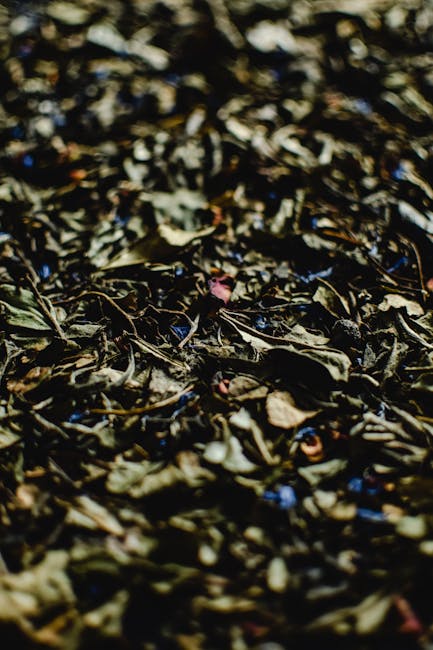
Indian almond leaves (also called catappa leaves) are one of the best things you can add to a shrimp tank. They release beneficial tannins, lower pH naturally, grow biofilm that baby shrimp feed on, and even have mild antibacterial properties. If you've seen experienced shrimp keepers tossing brown leaves into their tanks and wondered why, this guide covers everything you need to know.
What You'll Learn
- •What Are Indian Almond Leaves?
- •Why Do Shrimp Keepers Use Indian Almond Leaves?
- •How Do Indian Almond Leaves Benefit Shrimp?
- •How Many Indian Almond Leaves Per Gallon?
- •How to Prepare Indian Almond Leaves for Your Tank
- •Will Indian Almond Leaves Turn My Water Brown?
- •Indian Almond Leaves vs Alder Cones
- •Best Indian Almond Leaves to Buy
- •When to Replace Indian Almond Leaves
- •Common Mistakes with Indian Almond Leaves
- •Frequently Asked Questions
What Are Indian Almond Leaves?
Indian almond leaves come from the Terminalia catappa tree, a tropical tree native to Southeast Asia, India, and parts of Africa. The tree produces large, leathery leaves that turn red and brown before falling. In the wild, these leaves drop into streams and rivers where shrimp, fish, and other aquatic life thrive among the leaf litter.
Aquarium hobbyists have used catappa leaves for decades. Betta keepers were the first to popularize them, but shrimp keepers quickly caught on. The dried, brown leaves release humic acids, tannins, and trace minerals into the water, creating conditions that closely mimic what freshwater shrimp experience in their natural habitats.
You'll sometimes see them labeled as "catappa leaves," "IAL" (Indian Almond Leaves), or "ketapang leaves." They're all the same thing.
Why Do Shrimp Keepers Use Indian Almond Leaves?
There's a reason you'll find Indian almond leaves in almost every serious shrimp keeper's toolkit. They do several things at once:
- •Create biofilm that shrimplets feed on
- •Release tannins that have mild antifungal and antibacterial properties
- •Lower pH slightly, which many shrimp species prefer
- •Provide hiding spots for baby shrimp and molting adults
- •Soften water gradually over time
The biofilm benefit is probably the biggest deal for shrimp breeders. When a leaf sits in water, microorganisms colonize its surface within a few days. This creates a buffet of biofilm that shrimp (especially babies) graze on constantly. If you've ever watched a shrimp pick at a leaf surface with its tiny fans, that's exactly what it's eating.
As one Reddit user on r/shrimptank put it: "It's not about them eating it directly. It's about the properties of the leaves coming out into the water column." (source)
How Do Indian Almond Leaves Benefit Shrimp?
Let's break down each benefit so you understand exactly what's happening in your tank.
◆Biofilm Production
This is the #1 reason to use catappa leaves in a shrimp tank. When the leaf starts decomposing, bacteria and other microorganisms form a thin layer of biofilm across its surface. Baby shrimp (shrimplets) are too small to eat regular shrimp food during their first few weeks. They rely entirely on biofilm and microorganisms to survive.
More leaf surface area means more biofilm, which means better shrimplet survival rates. It's that simple.
◆Tannin Release
The brown tint you'll see in the water comes from tannins and humic acids leaching out of the leaf. These compounds have legitimate antimicrobial properties. Research on Terminalia catappa extracts has shown they can inhibit certain bacterial and fungal growth, which may help prevent infections in your shrimp colony.
That said, don't treat catappa leaves as medicine. They're a supplement, not a cure. If your shrimp are sick, you still need to address the root cause (usually water parameters or disease identification).
◆Natural pH Reduction
The humic acids released by the leaves gradually lower your tank's pH. This is a gentle, slow process, not a dramatic crash. For cherry shrimp and other Neocaridina species that prefer slightly acidic to neutral water (6.5-7.5), this subtle shift can be beneficial.
For Caridina species like crystal red shrimp that need lower pH (6.0-6.8), catappa leaves are an especially helpful addition alongside proper buffering substrate.
◆Hiding and Foraging Spots
Shrimp are prey animals. They feel safer when they have places to hide, especially during molting when they're soft and vulnerable. A leaf sitting on the substrate creates a little shelter that shrimp will tuck under. You'll often find recently molted shrimp hiding beneath leaves.
How Many Indian Almond Leaves Per Gallon?
This is the most common question, and the answer depends on your goals:
| Tank Size | Light Tannins | Moderate Tannins | Blackwater |
|---|---|---|---|
| 5 gallon | 1 small leaf | 1 medium leaf | 2-3 leaves |
| 10 gallon | 1 medium leaf | 1-2 leaves | 3-4 leaves |
| 20 gallon | 1-2 leaves | 2-3 leaves | 5-6 leaves |
| 30+ gallon | 2-3 leaves | 3-4 leaves | 6+ leaves |
Start conservatively. The general rule is one medium-sized leaf (about 5-7 inches) per 10 gallons. You can always add more, but adding too many at once can spike nitrates as the leaves decompose and crash your pH faster than your shrimp can adapt.
One r/shrimptank user shared their experience: "I'll usually add 2-3 to my 30 gal, but they are the tiny Dennerle ones, and I'll space out a few days between adding each leaf." (source)
Watch your water parameters after adding leaves. If pH drops more than 0.5 in a day, you've added too many.
How to Prepare Indian Almond Leaves for Your Tank
There are three common methods, and each has its place:
◆Method 1: Rinse and Drop (Most Common)
- •Give the leaf a quick rinse under tap water to remove surface dust
- •Drop it directly into your tank
- •It'll float for 1-3 days before sinking
- •Shrimp will start grazing on it within a week
This is the simplest approach and what most shrimp keepers do. You get the full benefit of slow tannin release over several weeks.
◆Method 2: Boiling or Soaking
- •Boil water and pour it over the leaves in a bowl
- •Let them soak for 15-30 minutes
- •The water will turn dark brown (that's the tannins)
- •Place the softened leaf in your tank
Boiling speeds up the initial tannin release, so you'll get less water discoloration over time. Some keepers prefer this if they don't want as much brown tint in their water. The downside? You're removing some of the beneficial compounds before they reach your shrimp.
◆Method 3: Extract Only
- •Boil leaves in a separate container for 10-15 minutes
- •Let the "tea" cool to room temperature
- •Add the brown water to your tank during water changes
- •Discard the spent leaves
This method gives you the tannins without the leaf litter. It's less common in shrimp tanks because you lose the biofilm benefit, which is arguably the most important part.
Our recommendation: Method 1 for shrimp tanks. You want that leaf sitting on the substrate growing biofilm. The brown water is a feature, not a bug.
Will Indian Almond Leaves Turn My Water Brown?
Yes, and that's normal. The tannins released by the leaves create a yellow to amber tint that's often called "blackwater." It looks like weak tea. Some people love the natural look. Others hate it.
Here's what you should know:
- •The tint is harmless to fish and shrimp
- •It fades over time as tannins are absorbed and diluted by water changes
- •Activated carbon in your filter will remove tannins quickly if you don't want the color
- •Pre-soaking the leaves reduces (but doesn't eliminate) discoloration
- •Purigen is another filter media that removes tannins while keeping other benefits
If you're running carbon in your filter, you're basically negating a lot of the tannin benefits. As one r/shrimptank commenter noted: "If you have carbon in your filter that affects tannins. Keep the leaf in for the valuable biofilm food for shrimps." (source)
For shrimp keepers, the tinted water is actually a plus. It mimics the natural environment and indicates that beneficial compounds are present.
Indian Almond Leaves vs Alder Cones
Both are popular in shrimp tanks, and they work differently:
Indian Almond Leaves:
- •Larger surface area for biofilm
- •Stronger tannin release
- •Break down in 4-6 weeks
- •Better for shrimplet survival (more grazing area)
- •Lower pH more noticeably
Alder Cones:
- •Smaller, more compact
- •Milder tannin release
- •Last 2-3 months before fully decomposing
- •Easier to dose (just toss in a few)
- •Less visual impact on water color
Many experienced shrimp keepers use both. The leaves provide biofilm grazing surfaces while the cones offer long-lasting, subtle tannin release. If you're choosing one or the other, go with Indian almond leaves for shrimp tanks. The biofilm advantage is too good to pass up.
Best Indian Almond Leaves to Buy
When shopping for catappa leaves, look for:
- •Size: Medium to large (5-7 inches). Bigger leaves last longer and provide more surface area.
- •Color: Deep brown, fully dried. Avoid green or partially dried leaves.
- •Source: Pesticide-free and organically sourced. Some sellers collect from wild trees near roads where exhaust and chemicals accumulate.
- •Packaging: Sealed bags that keep leaves dry and unbroken.
You can find Indian almond leaves at most aquarium stores, online retailers, and Amazon. A pack of 10-20 large leaves typically costs $5-12, and they'll last a small tank several months.
"Our top pick: SunGrow Catappa Indian Almond Leaves - 10-pack of 4-7 inch leaves. Pesticide-free, properly dried, and perfect for shrimp tanks. Works out to about $1 per leaf.
Some shrimp keepers collect their own leaves from local Terminalia catappa trees if they live in tropical areas. Just make sure the tree hasn't been sprayed with pesticides or herbicides, and dry the leaves completely before use.
When to Replace Indian Almond Leaves
Indian almond leaves break down gradually over 4-6 weeks in a shrimp tank. Here's a rough timeline:
- •Week 1: Leaf sinks and starts softening. Biofilm begins forming. Tannins leach steadily.
- •Week 2-3: Peak biofilm growth. You'll see shrimp constantly grazing. Leaf becomes noticeably thinner.
- •Week 3-4: Leaf skeleton starts showing. Most tannins have been released. Still great biofilm food.
- •Week 5-6: Only the stem and veins remain. Time to add a fresh leaf.
Don't remove old leaves. Let them decompose fully. The remaining material continues to feed your shrimp and doesn't cause water quality issues in reasonable amounts. Only remove the bare stem once the leaf tissue is completely gone.
Add a new leaf every 2-3 weeks so there's always a leaf in different stages of decomposition. This gives your shrimp a constant supply of fresh biofilm.
Common Mistakes with Indian Almond Leaves
◆Adding Too Many at Once
Dumping five leaves into a 10-gallon tank is a recipe for trouble. The rapid decomposition can spike ammonia and nitrates while crashing your pH. Start with one leaf and see how your tank responds over a week before adding more.
◆Removing Leaves Too Early
Some keepers pull leaves out when they start looking "gross." That partially decomposed, brown, slimy leaf is exactly what your shrimp want. It's covered in biofilm and microorganisms. Leave it alone.
◆Using Leaves as Medicine
Indian almond leaves have mild antimicrobial properties, but they're not a treatment for bacterial infections, parasites, or other shrimp diseases. Don't skip proper diagnosis and treatment because you tossed in a catappa leaf.
◆Not Checking the Source
Leaves collected from trees near busy roads, treated lawns, or agricultural areas can contain pesticides, heavy metals, or herbicides. These are deadly to shrimp. Only use leaves from trusted aquarium suppliers or trees you know are chemical-free.
◆Running Activated Carbon Simultaneously
If you're adding catappa leaves for their tannin benefits but running activated carbon in your filter, you're working against yourself. The carbon absorbs the tannins as fast as the leaves release them. Pick one approach or the other.
Do Indian Almond Leaves Work for All Shrimp Species?
Short answer: yes. Every popular freshwater shrimp species benefits from Indian almond leaves.
Neocaridina species (cherry shrimp, blue velvet, yellow shrimp): These are hardy shrimp that tolerate a wide pH range. Catappa leaves give them a slight pH reduction they appreciate and, more importantly, excellent biofilm for babies. Since Neocaridina breed so readily, the extra shrimplet food from leaf biofilm can noticeably improve survival rates.
Caridina species (crystal red shrimp): These shrimp already need lower pH and softer water. Indian almond leaves complement their preferred parameters perfectly. The tannins are especially beneficial here.
Amano shrimp: Amanos are larger and primarily algae eaters, but they'll still graze on catappa leaf biofilm. The leaves are a nice supplement to their diet.
Bamboo shrimp: Filter feeders that benefit from the microorganisms that catappa leaves encourage in the water column.
Frequently Asked Questions
◆Are Indian almond leaves safe for shrimp?
Yes, Indian almond leaves are completely safe for all freshwater shrimp when sourced properly. They've been used in aquariums for decades. The only risk comes from leaves contaminated with pesticides or chemicals, so always buy from reputable aquarium suppliers.
◆How long do Indian almond leaves last in a shrimp tank?
A single medium-sized leaf typically lasts 4-6 weeks before it's fully decomposed. The timeline depends on your tank's temperature, how many shrimp are grazing on it, and water chemistry. Warmer water and larger shrimp colonies break leaves down faster.
◆Can you use too many Indian almond leaves?
You can. Too many leaves decomposing at once can spike ammonia and nitrates, crash your pH, and stress your shrimp. Stick to one medium leaf per 10 gallons as a starting point, and monitor your water parameters for the first week after adding any new leaves.
◆Do Indian almond leaves lower pH?
They do, but gradually. The humic acids and tannins released by the leaves create a mild acidic effect. In a well-buffered tank, you might see a drop of 0.1-0.3 pH. In soft, unbuffered water, the effect can be more dramatic. Always test pH after adding leaves for the first time.
◆Should I remove the stems from Indian almond leaves?
You don't need to. The stems are tougher and take longer to decompose, but they're harmless. Most keepers leave everything in the tank and only remove bare stems once all the leaf tissue has been consumed.
Get the Most from Your Catappa Leaves
Indian almond leaves are one of those rare aquarium additions that are cheap, natural, and genuinely beneficial. They create biofilm for baby shrimp, release helpful tannins, and make your tank look more natural. For the cost of a few dollars, you're giving your colony a real advantage.
If you're setting up a new shrimp tank, add a leaf or two during cycling so biofilm is already established before your shrimp arrive. Your shrimplets will thank you.
Found this helpful?
Check out our other shrimp care guides