Yellow Shrimp Care Guide: Bright, Hardy, and Beginner-Friendly
Yellow shrimp are bright, hardy, and perfect for beginners. Learn their water parameters, grading system, breeding tips, and how to keep their color bright.
📅 Published 2026-02-13
Yellow shrimp (Neocaridina davidi var. "Yellow") are one of the most eye-catching freshwater dwarf shrimp you can keep. Their bright lemon-gold coloration pops against green plants and dark substrate, making even a small tank look stunning. And the best part? They're just as easy to keep as red cherry shrimp.
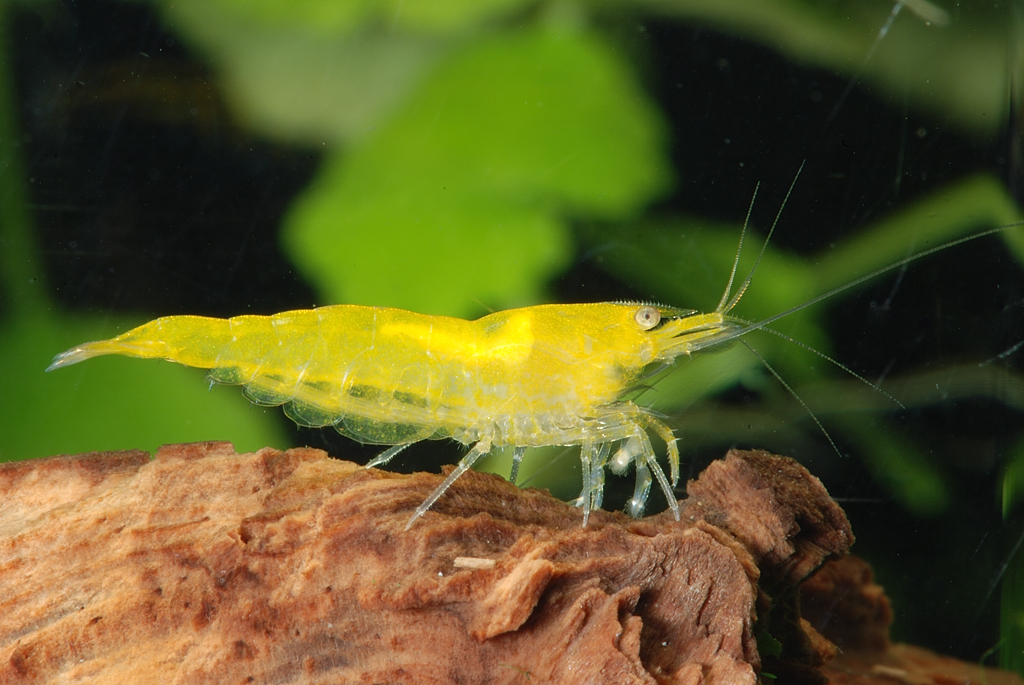
Whether you're setting up your first shrimp tank or adding a new color to your collection, yellow shrimp are a fantastic choice. They breed easily, tolerate a wide range of water conditions, and they're active grazers that spend all day picking at biofilm and algae.
This guide covers everything you need to know to keep yellow shrimp happy and healthy.
Quick Facts: Yellow Shrimp at a Glance
| Attribute | Details |
|---|---|
| Scientific Name | Neocaridina davidi var. "Yellow" |
| Common Names | Yellow shrimp, neon yellow shrimp, yellow cherry shrimp, golden back yellow shrimp |
| Origin | Taiwan (selectively bred) |
| Size | 1-1.5 inches (2.5-3.5 cm) |
| Lifespan | 1-2 years |
| Temperature | 65-80°F (18-27°C) |
| pH | 6.2-8.0 |
| GH | 4-8 dGH |
| KH | 3-15 dKH |
| TDS | 150-300 ppm |
| Diet | Omnivore - algae, biofilm, commercial shrimp food |
| Difficulty | Easy |
| Breeding | Easy (freshwater, no larval stage) |
Where Do Yellow Shrimp Come From?
Yellow shrimp don't exist in the wild. They're the result of selective breeding from the wild-type Neocaridina davidi, which is a brownish-grey shrimp native to Taiwan, China, and parts of Korea.
Here's the interesting part: the path to yellow shrimp actually goes through chocolate shrimp. Breeders first selected dark-colored red cherry shrimp lines to produce chocolate (brown) morphs, then selectively bred those chocolate shrimp for yellow pigmentation. Over many generations, the bright yellow color we know today was stabilized.
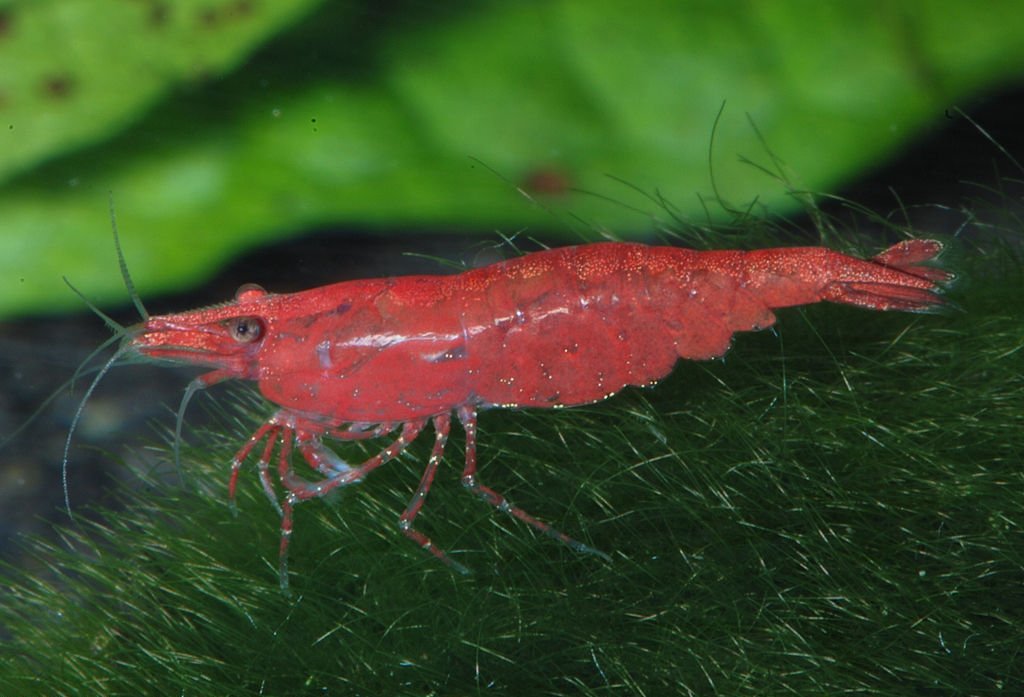
This means yellow shrimp, red cherry shrimp, blue velvet shrimp, and all the other Neocaridina color varieties are the same species. They can and will interbreed if kept together, which is something to keep in mind (more on that later).
Tank Setup for Yellow Shrimp
◆Tank Size
A 5-gallon tank is the minimum for a small colony, but 10 gallons gives you much more room to work with. Larger water volume means more stable parameters, which is always a plus with shrimp.
That said, plenty of shrimp keepers run successful colonies in 5-gallon nano tanks. If you're going small, just be extra careful with water changes and don't overstock.
Recommended starter tanks:
- •Fluval Spec V (5 gallon) - sleek all-in-one design
- •Aqueon 10 Gallon Tank - affordable, proven classic
◆Filtration
Shrimp need gentle filtration. Strong currents stress them out, and standard filter intakes will suck up baby shrimp like a vacuum cleaner.
A sponge filter is the gold standard for shrimp tanks. It provides biological filtration, gentle water movement, and doubles as a grazing surface where shrimp pick at biofilm all day long.

If you already have a hang-on-back (HOB) or canister filter, just add a pre-filter sponge over the intake. Problem solved.
◆Substrate
Yellow shrimp look incredible against dark substrate. Their golden color really pops against black or dark brown gravel. An inert substrate like Fluval Stratum or plain black gravel works great.
You don't need active buffering substrate like you would for Caridina species. Yellow shrimp are Neocaridina, which means they do just fine in neutral to slightly alkaline water. Regular gravel or sand is perfectly acceptable.
◆Plants and Hiding Spots
Shrimp are prey animals. In the wild, everything wants to eat them. Even in your aquarium, they feel more secure when they have places to hide. The more hiding spots you provide, the more you'll actually see your shrimp out in the open (sounds backwards, but it's true).
Great plants for yellow shrimp tanks:
- •Java moss - the ultimate shrimp plant, provides endless grazing surface
- •Java fern - low-light, low-maintenance, looks great
- •Anubias - another bulletproof option
- •Marimo moss balls - shrimp love picking at these
- •Water wisteria - grows fast and provides dense cover
Add some cholla wood or driftwood for extra surface area and hiding spots. As the wood breaks down, it creates biofilm that shrimp graze on constantly.
Indian almond leaves are another popular addition. They release tannins that have mild antibacterial properties, and shrimp love eating the decomposing leaves. Just toss one or two in and replace as they break down.
◆Heating and Lighting
Yellow shrimp are comfortable at room temperature (68-76°F). If your home stays in this range, you don't need a heater at all. If temperatures drop below 65°F regularly, a small adjustable heater is a good safety net.
For lighting, any standard aquarium light works. If you're growing live plants (which you should be), pick a light that supports plant growth. The shrimp themselves don't care much about lighting as long as they have shaded spots to retreat to.
Water Parameters
This is where yellow shrimp really shine compared to more sensitive species like Crystal Red Shrimp. Neocaridina are adaptable and forgiving.
Ideal parameters:
- •Temperature: 68-76°F (20-24°C)
- •pH: 6.5-7.5 (they tolerate 6.2-8.0)
- •GH: 4-8 dGH
- •KH: 3-10 dKH
- •TDS: 150-250 ppm
- •Ammonia: 0 ppm (always)
- •Nitrite: 0 ppm (always)
- •Nitrate: under 20 ppm
The critical things are: zero ammonia, zero nitrite, and a fully cycled tank. If those boxes are checked, most tap water (treated with a dechlorinator) works fine for yellow shrimp.
One thing that catches new shrimp keepers off guard - consistency matters more than hitting exact numbers. A pH of 7.8 that stays stable is better than a pH that bounces between 6.8 and 7.2 every week. Don't chase numbers. Just keep things stable.
As one Redditor on r/shrimptank noted: even with "perfect" parameters, yellow shrimp can struggle if TDS is too high or GH is too low. If you're losing shrimp despite good readings, test your GH and TDS separately. Many liquid test kits don't cover these.
◆Water Changes
Weekly 10-20% water changes are standard. Match the temperature of your new water to the tank water, and always use a water conditioner to remove chlorine and chloramine.
Drip the new water in slowly if possible. Shrimp are sensitive to sudden parameter swings. A quick dump of cold, different-pH water can trigger stress or even failed molts.
Recommended test kit: API Freshwater Master Test Kit - covers pH, ammonia, nitrite, and nitrate. Add a GH/KH test kit for the full picture.
Understanding Yellow Shrimp Grades
Not all yellow shrimp look the same. Like other Neocaridina varieties, yellows are graded based on color intensity and opacity. Higher grades cost more but aren't inherently healthier - it's purely about appearance.
◆Grading Breakdown
Low Grade (Yellow/Lemon): Semi-translucent body with light yellow coloring. You can see through parts of the body, especially the legs and underbelly. These are the cheapest and make great starter colonies since you can selectively breed for better color over time.
Mid Grade (Neon Yellow): More opaque yellow across the body. Less transparency, more saturated color. A solid balance between cost and appearance.
High Grade (24K/Ultra Gold): Fully opaque, intense golden-yellow throughout the entire body. No translucent patches. These are the most expensive but also the most striking.
Golden Back: A desirable trait where a bright golden-orange stripe runs along the top of the shrimp's back. This can appear in any grade but is often bred for specifically. "Golden back yellow shrimp" or "yellow golden back" are common names for this variety.
◆Buying Tips
When buying yellow shrimp online, expect that they'll look a bit washed out when they arrive. Shipping stress temporarily dulls their color. Give them a week or two to settle in and their color will come back.
Starting with mid-grade shrimp and selectively breeding them is a cost-effective approach. Remove the most translucent individuals over time, and within a few generations, your colony's color will improve noticeably.
Feeding Yellow Shrimp
Yellow shrimp are omnivores and constant grazers. In a well-established tank with live plants and biofilm, they'll find a lot of food on their own. But supplemental feeding keeps the colony well-nourished, especially as it grows.
◆What to Feed
- •Biofilm and algae - their primary natural food source. A mature tank produces this constantly.
- •Blanched vegetables - zucchini, spinach, and cucumber are favorites. Drop a piece in, leave it for a few hours, then remove what's left.
- •Commercial shrimp food - Hikari Shrimp Cuisine or Shrimp King Complete are both solid choices.
- •Mineral supplements - calcium-rich foods like Shrimp King Mineral support healthy molting.
◆How Often to Feed
For a small colony (under 20 shrimp), every other day is plenty. For larger colonies, daily feeding in small amounts works. The key rule: if there's still food in the tank after two hours, you're feeding too much.
Overfeeding is one of the most common beginner mistakes. Uneaten food rots, spikes ammonia, and fouls the water. Less is more with shrimp feeding.
Breeding Yellow Shrimp
One of the best things about yellow shrimp is how easy they are to breed. If you have males and females in a healthy tank, breeding will happen on its own. No special conditions needed.
◆Male vs Female
Females are larger, more colorful, and have a curved underbelly (called a "saddle" when carrying eggs on their backs, visible as a darker patch behind the head). Males are smaller, slimmer, and slightly less colorful.
◆The Breeding Process
- •Saddle stage: A mature female develops a yellowish saddle (eggs visible through the carapace behind her head).
- •Berried stage: After molting, the female releases pheromones. Males swim frantically looking for her. After mating, she transfers the eggs to her swimmerets (the small legs under her tail). She's now "berried."
- •Incubation: The female fans and cleans the eggs for 25-35 days.
- •Shrimplets: Tiny, fully-formed baby shrimp hatch out. No larval stage - they look like miniature adults from day one.
◆Keeping Shrimplets Alive
Baby yellow shrimp are tiny but self-sufficient from birth. They'll immediately start grazing on biofilm. The main threats are:
- •Filter intakes - use a sponge filter or pre-filter sponge
- •Tank mates - fish will eat baby shrimp (keep it a shrimp-only tank for best breeding results)
- •Poor water quality - stick to your regular maintenance schedule
A well-established tank with plenty of biofilm-covered surfaces gives baby shrimp the best start. Avoid heavy cleaning right before or during breeding - that biofilm is their first food.
Can You Mix Yellow Shrimp With Other Colors?
This is a common question, and the answer depends on your goals.
The short answer: Yellow shrimp will interbreed with any other Neocaridina color variety (red cherry, blue velvet, orange, green jade, etc.). The offspring will gradually revert to the wild-type brownish-grey color over a few generations.
If you want to keep pure yellow color: Only keep yellow shrimp in the tank. Don't mix with other Neocaridina colors.
If you don't care about color purity: Mix away! You'll get some interesting color combinations in the first generation, but the colony will trend toward wild-type brown over time. Some people enjoy the surprise factor.
You can safely keep yellow shrimp with different species that won't interbreed:
- •Amano shrimp (Caridina multidentata)
- •Bamboo shrimp (Atyopsis moluccensis)
- •Nerite snails, mystery snails
For more details, check out our mixing shrimp colors guide.
Tank Mates
Yellow shrimp do best in a shrimp-only setup, especially if breeding is your goal. But if you want some variety, there are a few safe options.
Safe tank mates:
- •Nerite snails
- •Mystery snails
- •Otocinclus catfish
- •Small, peaceful snails (ramshorn, Malaysian trumpet)
Risky tank mates (will eat babies):
- •Betta fish
- •Guppies
- •Tetras (most species)
- •Dwarf gouramis
Never keep with:
- •Cichlids
- •Goldfish
- •Crayfish
- •Large catfish
Even "peaceful" fish will happily snack on baby shrimp. If you want a thriving, growing colony, keep it shrimp and snails only. For more on compatibility, see our best tank mates for cherry shrimp guide - the same rules apply to all Neocaridina varieties.
Common Problems and Solutions
◆Shrimp Losing Color
Yellow shrimp can look pale or washed out for several reasons:
- •Stress from a new environment - give them a week to settle in
- •Light substrate - shrimp display brighter colors on dark backgrounds
- •Poor diet - make sure they're getting varied nutrition
- •Genetics - low-grade shrimp will always be somewhat translucent
◆Failed Molts
Shrimp shed their exoskeleton as they grow. Failed molts (where they get stuck) are usually caused by:
- •Low GH (not enough calcium and magnesium)
- •Sudden parameter swings
- •Mineral-poor diet
Fix: Maintain GH between 4-8, use a remineralizer if needed, and offer calcium-rich foods. See our shrimp molting guide for detailed prevention tips.
◆Deaths After Water Changes
If shrimp die shortly after water changes, you're probably changing too much water at once or the new water has very different parameters. Switch to smaller, more frequent changes (10% instead of 25%) and drip the new water in slowly. For acclimation tips, check our how to acclimate shrimp guide.
Yellow Shrimp vs Other Beginner Neocaridina
| Variety | Color | Difficulty | Price Range | Notes |
|---|---|---|---|---|
| Red Cherry | Red | Easy | $2-5 each | Most popular, widely available |
| Yellow | Yellow/Gold | Easy | $3-6 each | Stunning on dark substrate |
| Blue Velvet | Blue | Easy | $4-7 each | Striking deep blue |
| Orange Sakura | Orange | Easy | $3-6 each | Bright and active |
All of these are the same species with the same care requirements. The only real differences are color and price. Pick whichever color you like best.
Setting Up Your First Yellow Shrimp Tank: Step by Step
- •Get your tank and equipment - 5-10 gallon tank, sponge filter, light, dark substrate
- •Set up and plant - add substrate, hardscape, and plants
- •Cycle the tank - this takes 4-6 weeks, don't skip it
- •Test your water - ammonia and nitrite must be at zero
- •Acclimate your shrimp - drip acclimation over 1-2 hours
- •Add 10-15 shrimp - this gives a good starting colony with both males and females
- •Feed lightly, maintain consistently - and watch your colony grow
Final Thoughts
Yellow shrimp are one of the best species for anyone getting into the shrimp hobby. They're forgiving of beginner mistakes, they breed like clockwork in good conditions, and that bright golden color is genuinely stunning in a planted tank.
Start with a cycled tank, keep your parameters stable, don't overfeed, and give them plenty of plants and hiding spots. That's really all there is to it. Within a few months, you'll have a thriving colony that practically takes care of itself.
Essential gear for a yellow shrimp tank:
Frequently Asked Questions
◆Are yellow shrimp the same species as cherry shrimp?
Yes, yellow shrimp are the same species (Neocaridina davidi) as cherry shrimp. They've been selectively bred for their bright golden color instead of red. Care requirements are identical, making them just as easy to keep.
◆Will yellow shrimp breed with cherry shrimp?
Yellow shrimp will interbreed with cherry shrimp since they're the same species. Their offspring will likely lose their strong colors and revert to wild-type brown within a few generations. Keep them in separate tanks to maintain color purity.
◆How do I keep yellow shrimp bright?
Use dark substrate to make their color pop visually. Feed color-enhancing foods with carotenoids, and selectively cull pale or dull-colored shrimp from your colony. Stable water parameters and low stress also help maintain bright yellow coloring.
◆What tank size do yellow shrimp need?
Yellow shrimp can thrive in tanks as small as 5 gallons. Larger tanks are easier to keep stable, so a 10-gallon is ideal for a breeding colony. Smaller nano tanks work but require more frequent monitoring of water parameters.
Found this helpful?
Check out our other shrimp care guides