Opae Ula Shrimp Care: The Almost Indestructible Nano Shrimp
Opae ula are tiny Hawaiian red shrimp that live for years in low-maintenance brackish jars with almost no feeding or water changes. Learn their unique, hands-off care.
Opae Ula Shrimp Care Guide
Last updated: June 2026 | 8 min read
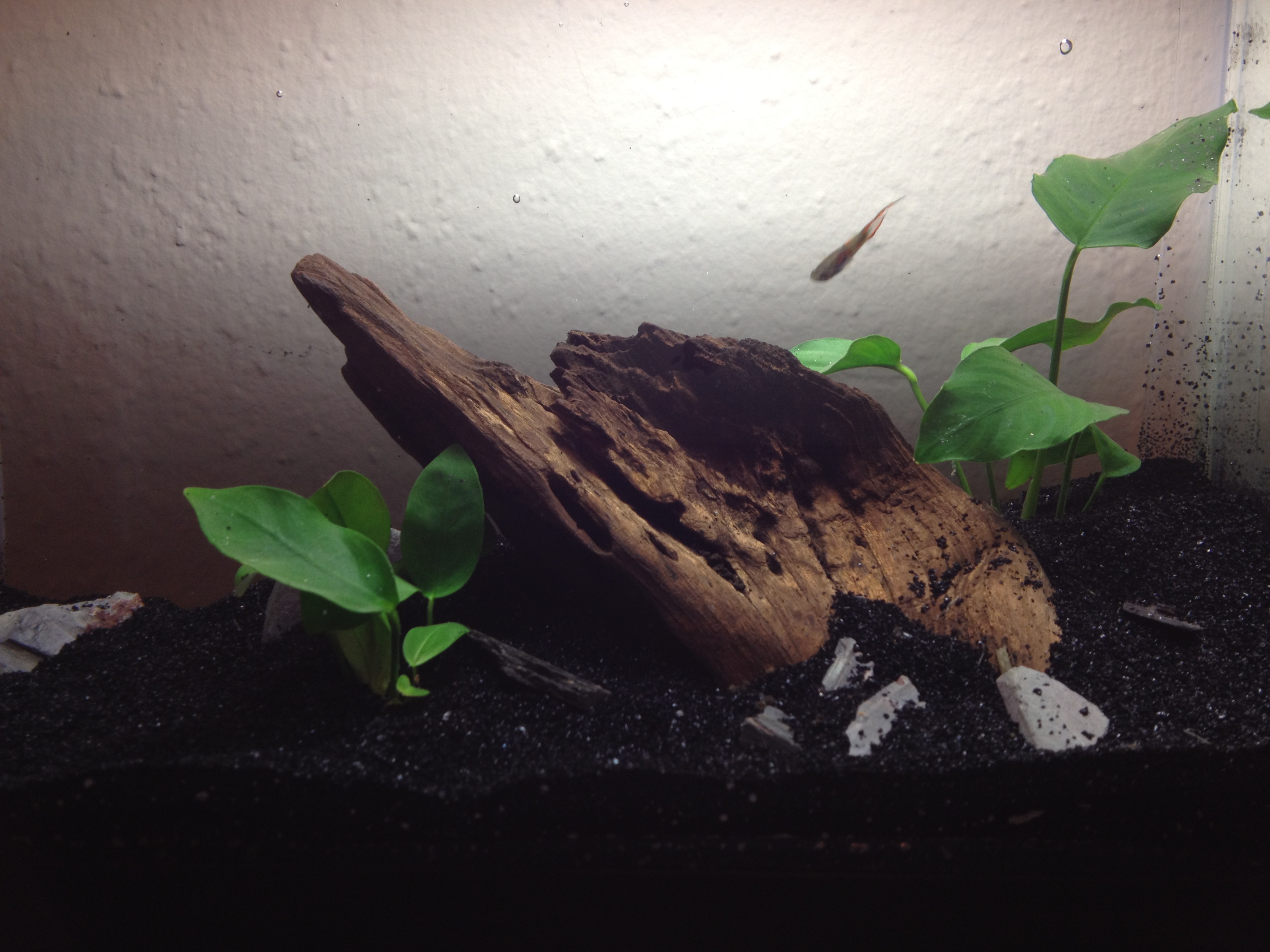
Opae ula (pronounced "oh-PIE-eh oo-LAH") are unlike any other shrimp in the hobby. These tiny red shrimp from Hawaii live in brackish water, need almost no feeding, tolerate months between water changes, and can live for over a decade, even up to 20 years. They're the famous shrimp behind those sealed "shrimp jar" ecospheres. If you want a living centerpiece that thrives on neglect, opae ula are it.
But "low maintenance" doesn't mean "no knowledge." Their care is unusual, and getting the brackish setup right at the start is what makes the hands-off lifestyle possible. This guide explains how.
Quick Answer
Opae ula (Halocaridina rubra) are tiny Hawaiian brackish-water shrimp that need salty water (specific gravity ~1.010), live light, and almost no feeding or water changes. They're hardy, slow-moving, and long-lived (10-20 years). Set up the brackish tank correctly, then leave them mostly alone, that's the whole appeal.
Opae Ula at a Glance
| Parameter | Range |
|---|---|
| Adult size | 0.4-0.6 inches (1-1.5 cm) |
| Water type | Brackish |
| Specific gravity | 1.010-1.015 |
| Temperature | 68-78°F (room temp) |
| pH | 8.0-8.5 |
| Minimum tank | 1 gallon (yes, really) |
| Lifespan | 10-20 years |
| Difficulty | Easy setup, then hands-off |
What Makes Opae Ula Special
Opae ula come from anchialine pools in Hawaii, isolated brackish pools fed by underground seawater and freshwater. They evolved for an environment that's stable but nutrient-poor, which gives them their remarkable traits:
- •They barely eat. They graze algae and biofilm and can go weeks or months without added food.
- •They tolerate neglect. Stable brackish water needs minimal maintenance; some keepers do water top-offs only.
- •They live for years. A decade-plus lifespan is normal, far longer than any dwarf shrimp.
- •They're tiny and slow. At under half an inch, they drift and graze peacefully.
This combination is why they work in small sealed or open jars and why they're marketed as "the pet you can forget about." Just don't actually forget them entirely.
Setting Up a Opae Ula Tank
The setup is where your effort goes. Get it right and the maintenance nearly disappears.
◆Brackish Water
This is non-negotiable: opae ula need brackish water, not freshwater. Mix marine aquarium salt with dechlorinated water to a specific gravity around 1.010-1.015 (roughly a third to half the salinity of seawater), measured with a hydrometer or refractometer. This is the single most important step.
◆Container
A 1-2 gallon jar or small tank works. They genuinely thrive in small volumes because they produce so little waste. No filter or heater is needed; room temperature is fine, and filtration would just remove the algae and biofilm they eat.
◆Substrate and Rock
Add porous rock (like lava rock) and a bit of substrate. The rock grows the algae and biofilm that becomes their main food source, and provides surfaces and hiding spots. Many keepers add a small clump of macroalgae.
◆Light
Provide modest light to grow the algae they graze. This is one of the few cases where a little algae is the goal, not the enemy.
◆Let It Establish
Set the tank up and let it run and grow algae for several weeks before adding shrimp, and especially before expecting it to self-sustain. A mature opae ula tank has enough biofilm and algae to feed the colony with little input.
Feeding
Barely any. A mature, lit tank grows enough algae and biofilm to sustain opae ula on its own. If you feed at all, offer a tiny pinch of powdered food or marine-shrimp food every week or two, no more. Overfeeding is one of the few ways to actually harm them, since excess food fouls the small volume. When in doubt, don't feed.
Maintenance
This is the easy part:
- •Top off evaporated water with fresh (not salt) dechlorinated water, since salt doesn't evaporate. This keeps salinity stable.
- •Occasional small water changes are optional; many keepers go months.
- •Don't over-clean. The algae and biofilm are the food source.
Breeding
Opae ula breed slowly in a stable tank, producing a few young at a time. A colony grows gradually over years rather than booming like cherry shrimp. Patience is the theme with these shrimp; everything they do is slow, including reproduction.
The Bottom Line
Opae ula are the ultimate low-maintenance shrimp: tiny, brilliantly red, and able to live for a decade or more in a small brackish jar with minimal feeding and almost no water changes. The work is all upfront, mixing brackish water correctly, adding porous rock, and letting the tank grow algae. Do that, then largely leave them alone. They're a uniquely forgiving, long-lived pet for anyone who wants life in a jar without daily care.
Related Guides
- •Caridina vs Neocaridina - How opae ula differ from common shrimp
- •Shrimp Tank on a Budget - Small, cheap setups
- •What Do Shrimp Eat - Why algae matters
- •How Long Do Cherry Shrimp Live - Lifespan comparison
Frequently Asked Questions
◆What are opae ula shrimp?
Opae ula (Halocaridina rubra) are tiny red brackish-water shrimp native to Hawaii's anchialine pools. They're famous for being low maintenance, needing little food and few water changes, and for living 10 to 20 years. They're the shrimp used in sealed ecosphere jars.
◆Do opae ula need salt water?
Yes, opae ula need brackish water, not freshwater. Mix marine salt with dechlorinated water to a specific gravity of about 1.010 to 1.015. This is the most important part of their setup; they will not thrive in freshwater.
◆How often do you feed opae ula shrimp?
Very rarely. A mature, lit tank grows enough algae and biofilm to feed them on its own. If you feed, offer a tiny pinch of powdered food every week or two at most. Overfeeding fouls their small water volume and is one of the few ways to harm them.
◆How long do opae ula shrimp live?
Opae ula are long-lived, commonly reaching 10 to 12 years and sometimes up to 20 years. This is far longer than dwarf shrimp like cherries, which live 1 to 2 years, and is part of what makes opae ula such a unique, lasting pet.
◆Do opae ula need a filter or heater?
No. Opae ula thrive at room temperature without a heater, and a filter would remove the algae and biofilm they eat. A simple jar or small tank with porous rock, light, and stable brackish water is all they need.
Found this helpful?
Check out our other shrimp care guides