How Long Do Cherry Shrimp Live? (And How to Help Them Live Longer)
Cherry shrimp live 1 to 2 years on average. Here's what shortens their lifespan, what extends it, and how to keep your colony thriving for years.
📅 Published 2026-05-31
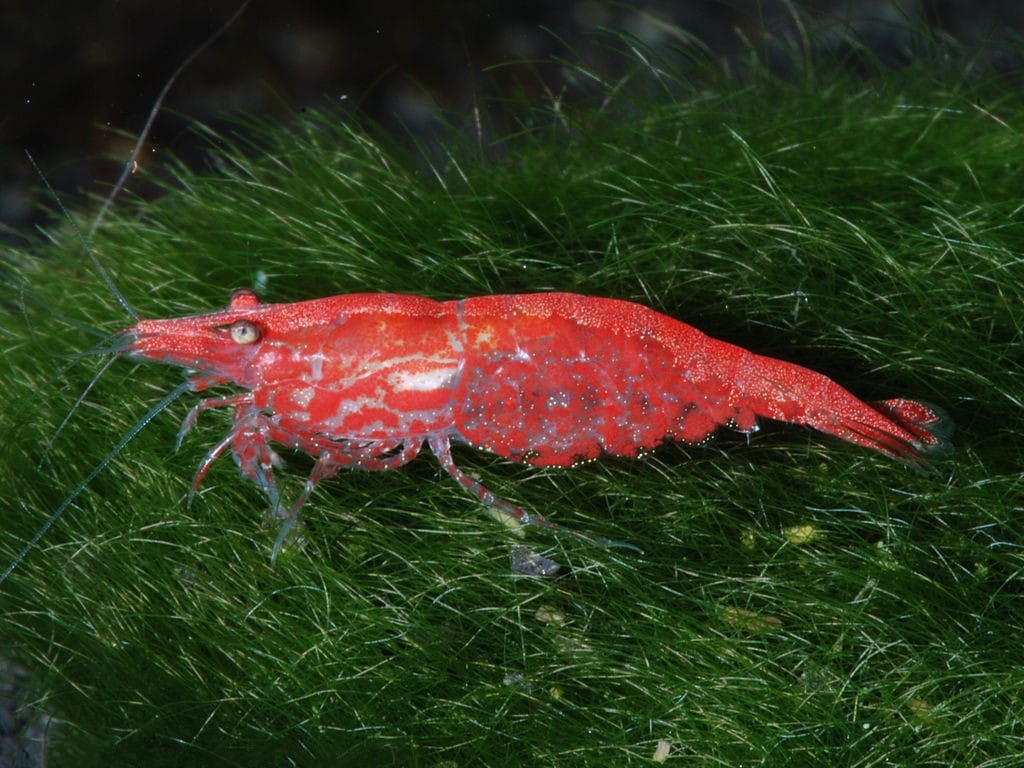
Cherry shrimp live about 1 to 2 years in a healthy tank. Most hit the 1 to 1.5 year mark, and well-kept shrimp in stable water can reach the full 2 years. That's the short answer. The longer answer is more useful, because how long any individual shrimp lives depends almost entirely on the conditions you give it.
Here's the thing most beginners miss: a single shrimp dying after 18 months isn't a problem. That's a shrimp living a full life. The real win is keeping the colony going, where new shrimplets are born faster than old shrimp pass on. Do that and your tank effectively lives forever, even though no individual shrimp does.
Quick Answer
- •Average lifespan: 1 to 2 years
- •Typical range you'll actually see: 12 to 18 months
- •Best case in pristine conditions: up to 2 years
- •Biggest killer of young shrimp: unstable water and copper, not old age
If your shrimp are dropping before the 1 year mark, something in the tank is off. That's worth investigating, and we'll cover the common causes below.
What's a Normal Cherry Shrimp Lifespan?
Cherry shrimp (Neocaridina davidi) are short-lived animals by nature. Even in perfect conditions, you're not getting a decade out of them like you might with a goldfish. One to two years is simply their biology.
Females tend to live slightly longer than males on average, partly because males are smaller and burn through energy faster. A female that survives her first few months and settles into steady breeding often makes it to 18 months or beyond.
Age shows up in subtle ways. Older shrimp move a little slower, graze less aggressively, and females may stop carrying eggs. Their color sometimes fades or deepens depending on the individual. None of this is cause for alarm. It's just a shrimp getting old.
If you want a baseline for what a thriving shrimp should look like at any age, our guide on how to tell if your shrimp are healthy walks through the daily signs worth watching.
How Cherry Shrimp Lifespan Compares to Other Shrimp
Cherry shrimp sit right in the middle of the freshwater shrimp pack when it comes to longevity. Some species you can keep alongside them live noticeably longer, which is worth knowing if you're planning a long-term tank. Here's a quick comparison of common aquarium shrimp.
| Shrimp | Typical Lifespan | Notes |
|---|---|---|
| Cherry shrimp (Neocaridina) | 1 to 2 years | Hardy, breeds fast, great for beginners |
| Ghost shrimp | 1 to 1.5 years | Often shorter, frequently sold as feeders |
| Amano shrimp | 2 to 3 years | Longer-lived, excellent algae eaters |
| Crystal red shrimp (Caridina) | 1.5 to 2 years | Pickier about water, similar lifespan |
| Blue velvet shrimp (Neocaridina) | 1 to 2 years | Same species as cherries, same lifespan |
The standouts are Amano shrimp, which routinely outlive cherries and can push 3 years in a stable tank. If longevity per shrimp matters to you, our Amano shrimp care guide covers what makes them tick. For a budget option, the ghost shrimp care guide explains why their lifespan tends to run shorter.
Keep in mind that all Neocaridina color morphs (cherry, blue velvet, yellow, and the rest) are the same species, so they share the same 1 to 2 year lifespan. Color has nothing to do with how long a shrimp lives.
What to Expect Month by Month
Knowing the rough timeline helps you tell normal aging from a real problem. Here's how a typical cherry shrimp's life plays out.
Months 0 to 2: The most fragile stretch. Shrimplets are tiny and vulnerable, and this is when poor water quality claims the most casualties. Survivors that reach two months old have cleared the hardest hurdle.
Months 2 to 4: Rapid growth and the start of breeding. Females reach maturity and begin carrying eggs. This is the colony's most productive phase.
Months 4 to 12: Prime adult life. Shrimp are active, colorful, grazing constantly, and breeding regularly. A well-run tank booms during this window.
Months 12 to 24: The slow wind-down. Breeding tapers off, movement slows, and individual shrimp begin to pass from old age. By now their offspring should be carrying the colony forward.
Why Cherry Shrimp Die Early
When shrimp die before their time, it's almost never random. Here are the usual culprits, roughly in order of how often they cause trouble.
◆Unstable Water Parameters
Shrimp handle a wide range of stable conditions far better than they handle swings. A pH that bounces, a GH that drifts up and down, or temperature that spikes and drops all stress them. Chronic stress shortens lifespan and weakens their immune response.
The fix is consistency, not perfection. Pick parameters in the safe range and hold them there. Our shrimp water parameters guide breaks down the exact pH, GH, KH, and TDS targets cherry shrimp want.
◆Copper
Copper is lethal to shrimp even in tiny amounts. It shows up in some fish medications, certain plant fertilizers, and occasionally in old household plumbing. A single dose of a copper-based treatment can wipe out an entire colony in hours.
Always read ingredient labels before adding anything to a shrimp tank. If a product lists copper, copper sulfate, or "cupramine," keep it far away from your shrimp.
◆A Tank That Isn't Fully Cycled
New tanks are the most common graveyard for first shrimp. Ammonia and nitrite are toxic, and shrimp are more sensitive to them than most fish. Adding shrimp to a tank that hasn't finished cycling is the single biggest beginner mistake.
If you're not sure your tank is ready, read how to cycle a shrimp tank first. It's worth the wait.
◆Bad Acclimation
Even healthy shrimp from a great source can die within days if they're dumped into new water too fast. The shock of a sudden parameter change, especially in TDS or pH, is something shrimp don't recover from well. Slow drip acclimation prevents most of these losses.
◆Failed Molts
Shrimp grow by shedding their shell. A molt that goes wrong, often from a calcium or mineral imbalance, can kill an otherwise healthy shrimp. The dreaded "white ring of death" is a sign of a failed molt. Our shrimp molting guide explains how to spot and prevent it.
How to Help Your Cherry Shrimp Live Longer
You can't beat biology, but you can make sure every shrimp reaches its natural lifespan instead of getting cut short. Here's what actually moves the needle.
◆Test Your Water Regularly
You can't manage what you don't measure. A liquid test kit is the most important tool a shrimp keeper owns. Test strips drift out of accuracy fast, so most keepers prefer a liquid kit like an API freshwater master test kit for ammonia, nitrite, nitrate, and pH. A separate TDS meter helps you track mineral content, which matters a lot for molting.
◆Keep Parameters Rock Steady
Stable beats ideal every time. Small, consistent water changes are better than large, occasional ones. When you do change water, match the temperature and remineralize replacement water so the new water matches the tank. Our water changes guide covers the right frequency and amount.
◆Feed Lightly and Vary the Diet
Overfeeding fouls the water and spikes ammonia, which does far more harm than a little hunger ever would. Cherry shrimp graze on biofilm and algae all day, so they need surprisingly little supplemental food. A varied diet supports better molting and longer life. See our best food for shrimp breakdown for what to offer and how often.
◆Provide Plenty of Plants and Surfaces
A mature, planted tank with moss, driftwood, and leaf litter gives shrimp constant grazing, hiding spots, and biofilm to munch. It also buffers water quality. Moss is the single best addition for a shrimp colony, and our best moss for shrimp tanks guide ranks the top options.
◆Keep Mineral Content in Range
Shrimp pull calcium and minerals from the water to build new shells. If GH is too low, molts fail. If you use RO water or naturally soft tap water, a proper remineralizer is essential. Our best remineralizer for shrimp guide explains GH+ versus GH/KH+ and how to dose.
Does Tank Size Affect Lifespan?
Indirectly, yes. Bigger water volumes are more stable, and stability is what keeps shrimp alive. A 2.5 gallon tank can swing temperature and parameters in an afternoon, while a 10 gallon tank changes slowly enough that shrimp barely notice.
That doesn't mean small tanks are off-limits. Plenty of keepers run thriving nano colonies. It just means a small tank demands more attention and steadier hands. If you're curious about the limits, we cover whether shrimp can live in a 5 gallon tank in detail.
How to Keep the Colony Alive Forever
Individual shrimp are temporary. A colony doesn't have to be. The trick is making sure your shrimp breed faster than they die.
Cherry shrimp breed readily once conditions are right. A single female can carry 20 to 30 eggs per clutch and reproduce every few weeks in a stable, well-fed tank. Get the breeding cycle going and you'll have a self-sustaining population that outlives any single shrimp by years.
If your colony isn't growing, that's a signal worth chasing down. Our guide on why shrimp aren't breeding covers the most common blockers, and how to breed cherry shrimp walks through setting up the right conditions from the start.
Common Mistakes That Cut Lifespan Short
A few habits do more damage than anything else. Avoid these and you've eliminated most early deaths before they happen.
- •Adding shrimp to a brand-new tank. Wait for a full cycle. Every time.
- •Treating the tank with fish medication. Many contain copper. Move shrimp out or skip the treatment.
- •Big, irregular water changes. Small and steady wins. A sudden 50 percent change can shock the whole colony.
- •Overfeeding. Leftover food rots and spikes ammonia. Feed only what they finish in a couple of hours.
- •Ignoring GH and minerals. Soft water means failed molts. Remineralize if you use RO or naturally soft tap water.
- •Skipping the test kit. You can't fix what you can't see. Test before you guess.
None of these require advanced skills or expensive gear. They're just the difference between a colony that limps along and one that thrives for years. If you suspect something is already wrong, our why are my shrimp dying guide is the place to start diagnosing.
Frequently Asked Questions
◆How long do cherry shrimp live in a tank?
Cherry shrimp live about 1 to 2 years in a home aquarium, with most living 12 to 18 months. In stable, well-maintained water with steady parameters and good food, individual shrimp can reach the full 2 years.
◆Why did my cherry shrimp die so fast?
Sudden deaths within days or weeks usually point to an uncycled tank, copper exposure, poor acclimation, or unstable water parameters rather than old age. Test for ammonia and nitrite first, then check that nothing copper-based has entered the tank.
◆Do female cherry shrimp live longer than males?
Slightly. Females tend to live a bit longer on average than males, often reaching 18 months or more. Males are smaller and more active, which can shorten their lifespan, though both fall within the same general 1 to 2 year range.
◆How do I know if my cherry shrimp is old?
Older shrimp move more slowly, graze less, and females may stop carrying eggs. Their color can fade or deepen. As long as the shrimp is still active and eating, gradual slowing with age is normal and not a sign of illness.
◆Can cherry shrimp live for 3 years?
It's rare. The vast majority top out around 2 years even in excellent conditions. A shrimp reaching 3 years would be unusual, so plan around a 1 to 2 year lifespan and focus on keeping the colony breeding instead.
The Bottom Line
Cherry shrimp live 1 to 2 years, and there's no trick to push much past that. What you can control is whether each shrimp reaches its natural lifespan instead of dying early from copper, an uncycled tank, or swinging parameters. Keep the water stable, feed lightly, test regularly, and let the colony breed. Do that and your tank will thrive for years, one generation handing off to the next.
New to all this? Start with our complete shrimp tank setup guide and get the foundation right from day one.
Found this helpful?
Check out our other shrimp care guides