Pet Shrimp: Are Freshwater Shrimp Good Pets? A Beginner's Guide
Pet shrimp are cheap, low-maintenance, and fascinating to watch. Learn what keeping them really costs, the best beginner species, and the mistakes to avoid.
Pet Shrimp: The Complete Beginner's Guide
Last updated: July 2026 | 9 min read
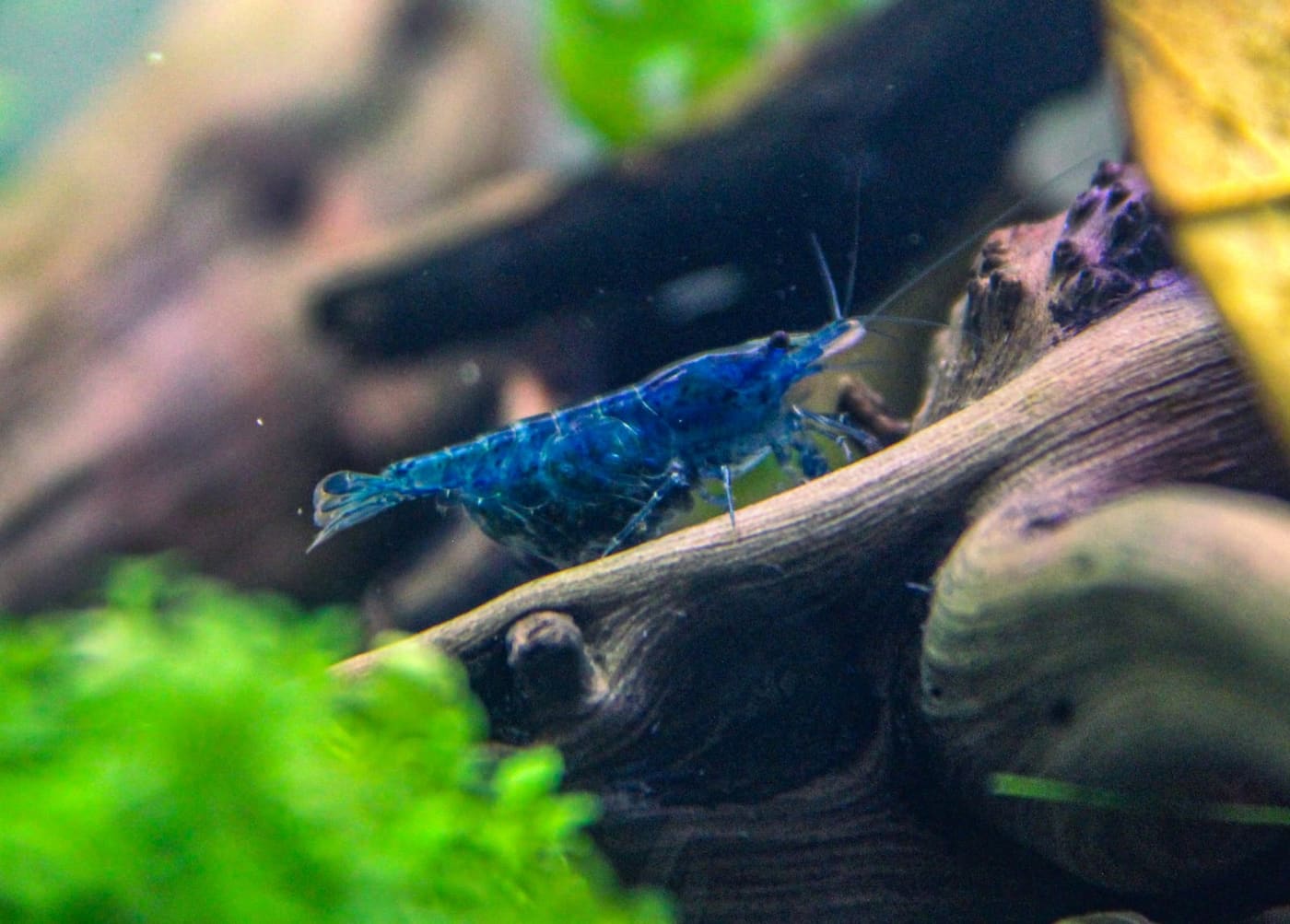
Freshwater shrimp might be the most underrated pet in the animal kingdom. They cost a few dollars each, live in a tank the size of a toaster oven, never need a walk or a vet visit, and spend all day doing genuinely interesting things: grazing in herds, fanning eggs, molting out of their own skin, and squabbling over a piece of zucchini.
They are also a different kind of pet than most people expect. You will never hold one, they live about as long as a hamster's attention span, and their real appeal is closer to keeping a tiny self-sustaining ecosystem than owning an animal that knows your name. This guide covers what pet shrimp are actually like to keep, what they cost, which species to start with, and the mistakes that end most first attempts.
Quick Answer
Yes, freshwater shrimp make excellent pets, as long as you want a watching pet rather than a holding pet. A colony of cherry shrimp in a planted 5 to 10 gallon tank costs roughly $100 to $200 to set up (less on a budget), takes 20 to 30 minutes of care per week, and largely runs itself once established. Individual shrimp live 1 to 2 years, but a healthy colony breeds and sustains itself indefinitely. The main requirements: a properly cycled tank, stable water, and restraint with the food.
Pet Shrimp at a Glance
| Question | Answer |
|---|---|
| Startup cost | $65-200 depending on route |
| Ongoing cost | Roughly $5-10 per month |
| Space needed | 5-10 gallon tank on a desk or shelf |
| Time commitment | 20-30 minutes per week |
| Individual lifespan | 1-2 years (cherry shrimp) |
| Colony lifespan | Indefinite, they breed |
| Handling | None, observation only |
| Noise and smell | None when maintained |
| Good for kids? | Yes, with an adult running water changes |
| Best first species | Cherry shrimp (Neocaridina) |
What Keeping Pet Shrimp Is Actually Like
The honest pitch: shrimp are an observation pet. The relationship is closer to keeping a bonsai or a terrarium than a dog. What that looks like day to day:
- •Daily: glance at the tank, maybe drop in a bit of food (not even every day). Total time: two minutes, most of it voluntary staring.
- •Weekly or biweekly: a small water change with temperature-matched, dechlorinated water, plus topping off evaporation. Twenty minutes.
- •Occasionally: testing water, trimming plants, buying a new bag of food every few months.
That is the whole job. Shrimp produce very little waste, eat mostly biofilm and algae growing in the tank, and do not depend on you for daily feeding once the tank matures. A well-planted shrimp tank handles a week of vacation with zero preparation, which almost no other pet can claim.
What you get in return is surprisingly engaging. A colony of 20 shrimp is constant motion: females carrying eggs and fanning them with their swimmerets, tiny shrimplets appearing among the moss, the whole herd swarming a food dish, a molted shell floating by like a ghost of its owner. Many keepers describe a shrimp tank as a living screensaver, and aquascaped shrimp tanks double as legitimate home decor.
The tradeoffs are real too. Shrimp do not interact with you, cannot be handled, and individual shrimp die on a timescale of one to two years. If you want an animal that responds to you, get a betta. If you want a tiny ecosystem that rewards attention, shrimp are hard to beat.
What Pet Shrimp Cost
Shrimp keeping is one of the cheapest corners of the pet world, but "a few dollars per shrimp" undersells the startup. Realistic numbers:
Startup (one-time):
- •Budget route: about $65 to $100. A basic 5 to 10 gallon tank, sponge filter, inert substrate, a few hardy plants, dechlorinator, and a test kit, assembled piece by piece. Our budget shrimp tank guide prices out a full build under $100.
- •Typical route: about $120 to $200. An all-in-one kit plus better lighting, more plants, and a heater if your room needs one.
- •The shrimp: $20 to $50 for a starter group. Standard-grade cherry shrimp run a few dollars each, and 10 is the right starting number for a colony. Fancy grades and rarer species cost more.
Ongoing (monthly):
- •Food: a couple of dollars at most; a single container lasts months because overfeeding is the enemy anyway
- •Dechlorinator and test refills: a dollar or two
- •Electricity for a filter and light: a few dollars
- •Realistic total: $5 to $10 per month, less than almost any other pet
No vet bills, no grooming, no boarding, no replacement toys. The main hidden cost is the one nobody budgets for: wanting a second tank.
The Best Shrimp for Beginners
Start with a hardy species that forgives learning-curve mistakes:
- •Cherry shrimp (Neocaridina davidi). The default first shrimp for good reason: hardy, adaptable to most tap water, breeds readily, and comes in red, blue, yellow, orange, green, and black. Everything you need is in our cherry shrimp care guide, and the same care applies to every Neocaridina color morph.
- •Amano shrimp (Caridina multidentata). Larger (up to 2 inches), lives 2 to 3 years, and the best algae eater in the hobby. They will not breed in freshwater, which some keepers count as a feature. See the Amano shrimp guide.
- •Ghost shrimp (Palaemonetes paludosus). The pocket-money option, often under a dollar each. Hardy and entertaining, but usually sold as feeders in rough condition and short-lived (about a year). Our ghost shrimp guide covers the caveats, including lookalike "whisker shrimp" that are aggressive.
Skip for now: crystal shrimp and other Caridina (soft-water chemistry projects), Sulawesi shrimp (heated, alkaline specialist tanks), and filter-feeding fan shrimp (need bigger tanks and specific feeding).
Kids and Pet Shrimp
Shrimp are a genuinely good first pet for children, with the right framing:
- •The good: cheap to start, safe (nothing pinches, bites, or scratches), fascinating under a magnifying glass, and a live-action biology lesson in molting, eggs, life cycles, and mini ecosystems. A berried female releasing babies is an event a kid will remember.
- •The rules: shrimp are strictly look-don't-touch, and an adult needs to own the water changes and the water testing. A reasonable split is the child handling feeding (with portions measured by the adult, because kids feed generously) and daily shrimp-counting duty.
- •The talk: individual shrimp live one to two years and sometimes die without an obvious reason. In a breeding colony, new shrimplets soften those losses, which is itself a gentle introduction to how populations work.
Common Beginner Mistakes
Most first shrimp tanks fail the same few ways, and all of them are avoidable:
- •Adding shrimp to an uncycled tank. The number one killer. A new tank needs weeks to grow the bacteria that neutralize ammonia, and shrimp are far more sensitive to it than fish. Follow our cycling guide completely before any shrimp come home.
- •Buying the tank and the shrimp on the same day. The retail version of mistake number one.
- •Overfeeding. Shrimp graze on biofilm all day; the food you add is a supplement. Uneaten food fouls the water and kills shrimp far more often than hunger does. A few small feedings per week is plenty in a planted tank.
- •Copper and medications. Copper is lethal to shrimp. Check fertilizer and fish-medication labels before anything goes in the water.
- •Chasing perfect numbers. Big corrective water changes and pH-adjusting chemicals cause the swings that kill shrimp. Stability beats perfection.
- •Keeping them with the wrong fish. To most fish, shrimp are food. Snails and small nano fish are safe; anything with a mouth the size of a shrimp is not.
- •Panicking over molts. A white translucent "dead shrimp" that is actually an empty shell fools every new keeper. Losses that are real usually trace back to the causes in our guide on why shrimp die.
Lifespan: What to Expect
Set expectations up front, because this is where shrimp differ most from other pets:
- •Cherry shrimp and other Neocaridina: 1 to 2 years
- •Amano shrimp: 2 to 3 years, sometimes longer
- •Ghost shrimp: around 1 year
The colony reframes this. Cherry shrimp start breeding within a few months, females produce a clutch of 20 to 30 eggs roughly monthly in good conditions, and a starter group of 10 typically grows to a self-sustaining population of hundreds within a year. Individual shrimp come and go; the colony, the actual pet, persists for as long as you keep the tank healthy.
The Bottom Line
Pet shrimp deliver an unusual deal: single-digit monthly costs, half an hour of weekly effort, and a living ecosystem that is more interesting to watch than almost anything else you can put on a desk. They are not cuddly and they are not long-lived as individuals, but a breeding cherry shrimp colony in a planted tank is a pet that maintains, replaces, and entertains itself. Start with the complete tank setup guide, cycle the tank fully, add 10 cherry shrimp, and feed less than you think you should. Six months from now you will be counting shrimplets and browsing a second tank.
Related Guides
- •Complete Shrimp Tank Setup Guide - Step-by-step first tank
- •Shrimp Tank on a Budget - The full build for under $100
- •Cherry Shrimp Care - Your first species
- •How to Cycle a Shrimp Tank - The step you cannot skip
Frequently Asked Questions
◆Are shrimp good pets for beginners?
Yes. Cherry shrimp are among the easiest aquatic pets to keep: they need a small cycled tank, stable room-temperature water, and minimal feeding. The learning curve is front-loaded into setting up and cycling the tank correctly; after that, a shrimp colony mostly runs itself.
◆Do pet shrimp recognize their owners?
No. Shrimp lack the brainpower to bond with people, though they do learn to associate activity near the tank with food and will swarm the glass at feeding time. The appeal is watching their constant natural behavior, not interaction.
◆How many shrimp should I start with?
Ten is the standard starter group for cherry shrimp. It is enough genetic variety to found a healthy breeding colony and enough bodies that you will actually see them. In a cycled, planted 10 gallon tank they will multiply on their own; see our stocking guide on how many shrimp per gallon.
◆Can pet shrimp live in a bowl without a filter?
Not reliably. Unfiltered bowls swing in temperature and water quality, and most bowl-kept shrimp die early. A small sponge-filtered, planted 5 gallon tank costs little more and is dramatically more stable. Filtration, cycling, and stability are the whole game in shrimp keeping.
Found this helpful?
Check out our other shrimp care guides