How Many Shrimp Per Gallon? Stocking Guide for Every Tank Size
Stock 5-10 shrimp per gallon for optimal growth. Get stocking numbers for 5, 10, and 20 gallon tanks plus signs you've got too many.
📅 Published 2026-02-20
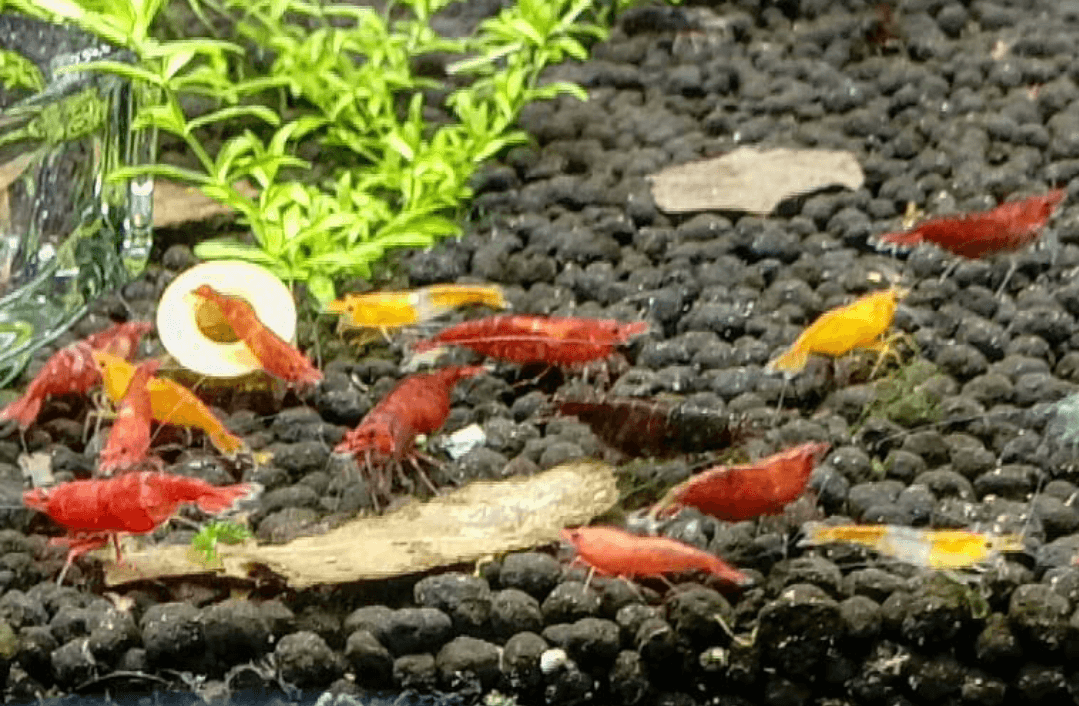
You can safely keep 5 to 10 dwarf shrimp per gallon of water. That's the sweet spot where they'll grow fastest, breed reliably, and stay healthy. But the real answer depends on your filtration, plants, and which species you're keeping.
Unlike fish, shrimp produce almost no bioload. A colony of 50 cherry shrimp puts less strain on your filter than a single betta. That's why experienced keepers routinely run 100+ shrimp in a 10-gallon tank without issues.
Still, there's a difference between "they won't die" and "they'll thrive." Let's break down the numbers that actually matter.
What You'll Learn
- •The Science Behind Shrimp Stocking Density
- •How Many Shrimp Per Gallon by Tank Size
- •Stocking Numbers by Species
- •What Affects How Many Shrimp You Can Keep
- •Signs Your Tank Is Overstocked
- •Starting Colony Size: How Many Shrimp to Buy
- •What Happens When Your Colony Gets Too Big
- •Frequently Asked Questions
The Science Behind Shrimp Stocking Density
This isn't just hobbyist guesswork. Scientists actually studied this with Neocaridina shrimp, testing three density groups over 90 days with identical water parameters and feeding.
Here's what they found:
- •Low density (10 shrimp per gallon): Best growth. Shrimp reached their largest size.
- •Medium density (20 shrimp per gallon): Shrimp weighed 15% less than the low-density group.
- •High density (40 shrimp per gallon): Shrimp weighed 30-35% less than medium density.
The takeaway? More crowding means smaller shrimp. But here's what's interesting: survival rates barely changed across all three groups (87-93%). Density doesn't kill shrimp. It just stunts their growth.
For breeding, lower density wins too. Bigger females carry more eggs, and they breed more frequently. A colony at 10 shrimp per gallon will outproduce a colony at 40 per gallon over time.
How Many Shrimp Per Gallon by Tank Size
Here are practical stocking numbers. The "starter colony" is what you should buy initially. The "comfortable max" is where most keepers cap their tanks. The "breeder density" is what experienced hobbyists run with heavy filtration and plants.
5-Gallon Tank
- •Starter colony: 10-15 shrimp
- •Comfortable max: 30-50
- •Breeder density: 50-75
10-Gallon Tank
- •Starter colony: 15-20 shrimp
- •Comfortable max: 60-100
- •Breeder density: 100-150
20-Gallon Tank
- •Starter colony: 20-30 shrimp
- •Comfortable max: 100-200
- •Breeder density: 200-300
29/30-Gallon Tank
- •Starter colony: 25-35 shrimp
- •Comfortable max: 150-250
- •Breeder density: 250-400
These numbers assume a cycled tank with live plants and a working filter. Without plants, cut the comfortable max in half.
Stocking Numbers by Species
Not all shrimp handle crowding the same way. Hardy Neocaridina species tolerate higher densities than sensitive Caridina species.
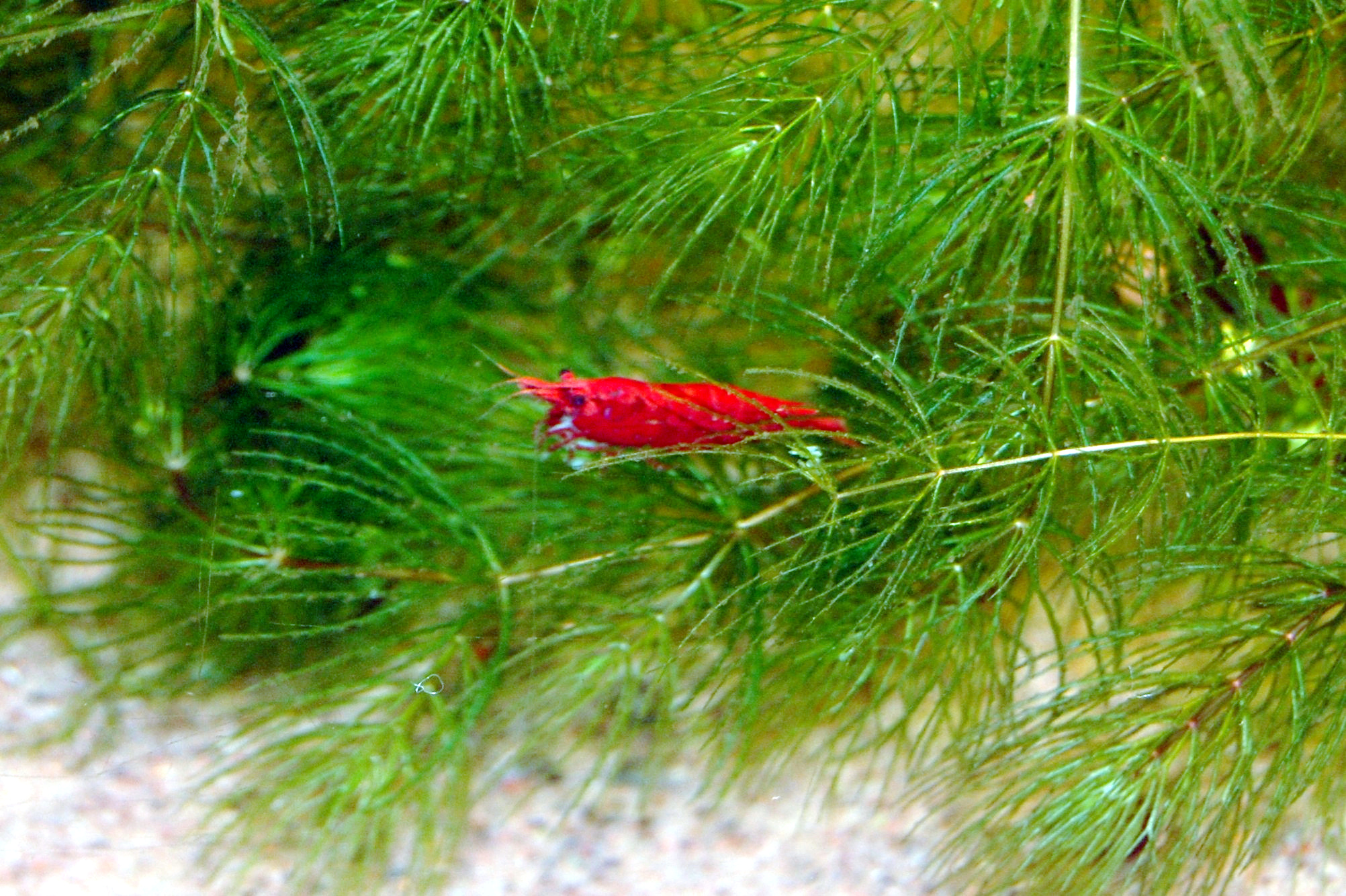
Neocaridina (Cherry, Blue Velvet, Yellow): 5-10 per gallon. These are the most forgiving. They'll self-regulate their population over time and tolerate crowded conditions well. Check our guides on cherry shrimp, blue velvet shrimp, and yellow shrimp for species details.
Caridina (Crystal Red, Crystal Black): 3-5 per gallon. These need pristine water, and overcrowding makes parameters swing faster. Read the Crystal Red shrimp care guide before stocking these.
Amano Shrimp: 1-2 per gallon. They're bigger than dwarf shrimp (up to 2 inches) and produce more waste. Five Amanos in a 5-gallon is plenty. Our Amano shrimp guide covers their unique needs.
Bamboo Shrimp: 1 per 10 gallons minimum. These filter feeders need space and water flow. Don't crowd them.
Ghost Shrimp: 5-8 per gallon. Similar bioload to Neocaridina but slightly more territorial. See the ghost shrimp care guide for setup tips.
What Affects How Many Shrimp You Can Keep
The "per gallon" rule is just a starting point. These factors determine your actual capacity:
◆Filtration
Your filter matters more than tank size. A sponge filter rated for a 10-gallon tank will handle 50-60 shrimp without breaking a sweat. Upgrade to a quality sponge filter rated for double your tank size, and you can push density higher.
Sponge filters are ideal because shrimp graze on the beneficial bacteria growing on the sponge surface. It's filtration and a food source in one.
◆Live Plants
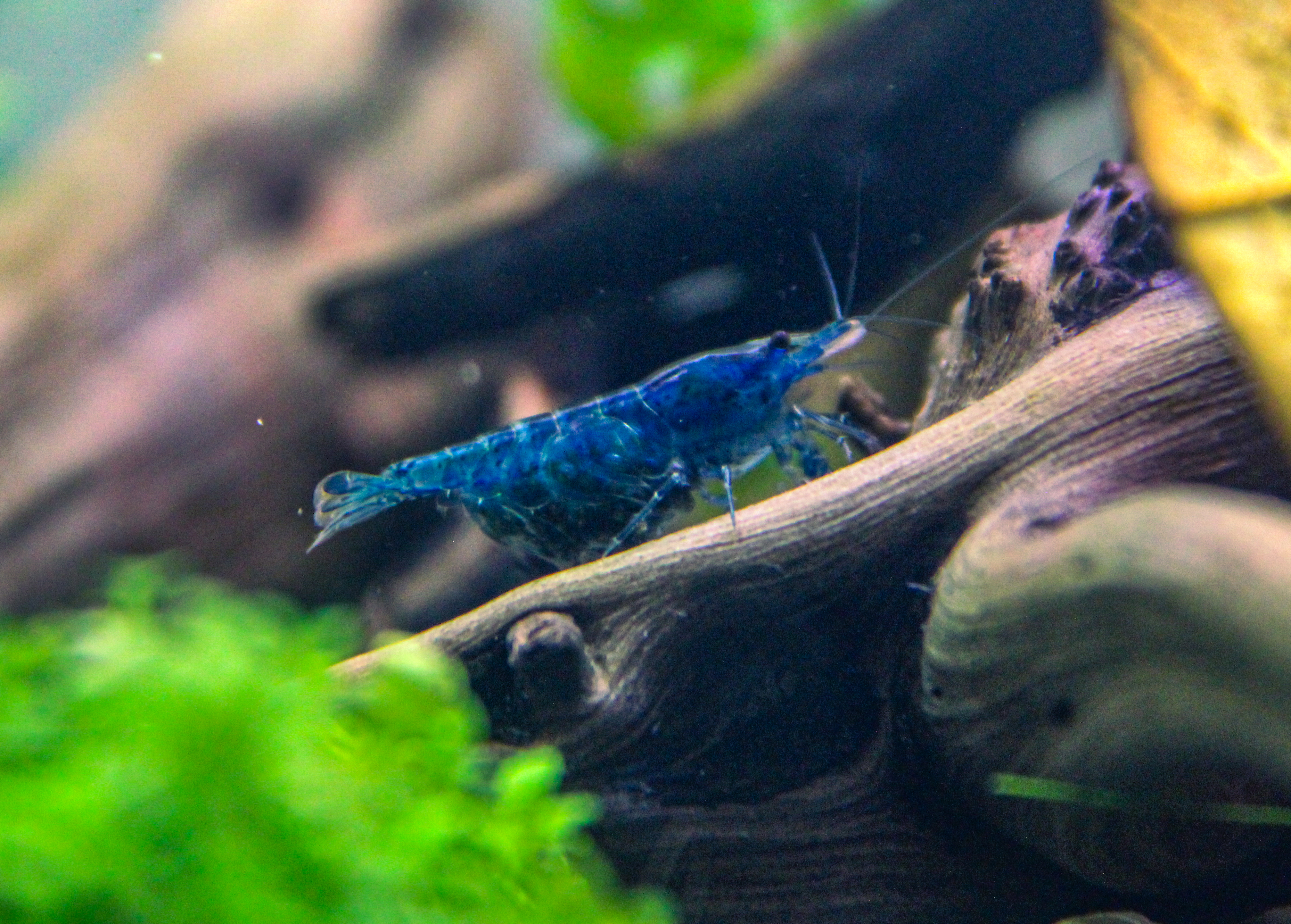
Plants are the single biggest factor in how many shrimp your tank can support. They absorb ammonia and nitrates directly, provide biofilm for grazing, create surface area for hiding, and produce oxygen.
A heavily planted tank can support 2-3x more shrimp than a bare tank. Java moss, anubias, and java fern are all excellent choices. The more plant mass, the higher your carrying capacity.
◆Feeding Habits
Overfeeding is the fastest way to crash a dense colony. Uneaten food decays, spikes ammonia, and suddenly your "safe" stocking level becomes deadly. Feed small amounts and remove anything that isn't eaten within 2 hours. The safest way to confirm a dense colony is still within limits is to test weekly with a liquid API Master Test Kit. Our shrimp feeding guide covers proper portions.
◆Water Change Schedule
Dense colonies need more frequent water changes. At 5 shrimp per gallon, weekly 10-15% changes work fine. Push past 10 per gallon, and you'll want 15-20% twice a week.
◆Substrate Choice
Active substrates like aqua soil support larger colonies because they buffer pH and provide additional surface area for beneficial bacteria. A good shrimp substrate makes a measurable difference in water stability.
Signs Your Tank Is Overstocked
Shrimp colonies grow fast. Cherry shrimp can double their population every 2-3 months. Watch for these warning signs:
Ammonia or nitrite readings above zero. This is the clearest signal. If your water parameters show any ammonia or nitrite, you've exceeded your tank's biological capacity.
Shrimp clustering at the waterline. When shrimp crowd near the surface, they're looking for oxygen. Overstocked tanks deplete dissolved oxygen, especially at night when plants aren't photosynthesizing.
Increased deaths without obvious cause. If you're finding dead shrimp regularly and parameters look fine, density stress might be the culprit. Check out our troubleshooting guide for other causes.
Failed molts increasing. High density means more competition for minerals. When there isn't enough calcium and magnesium to go around, molting problems spike.
Smaller shrimp overall. If your adults are noticeably smaller than when you bought them, crowding is stunting growth. This matches what the research showed.
Algae explosions. More shrimp means more waste, which feeds algae. If you're suddenly battling algae problems you didn't have before, your bioload may have outgrown your tank.
Starting Colony Size: How Many Shrimp to Buy
For a new tank, don't start at maximum capacity. Here's the approach that works:
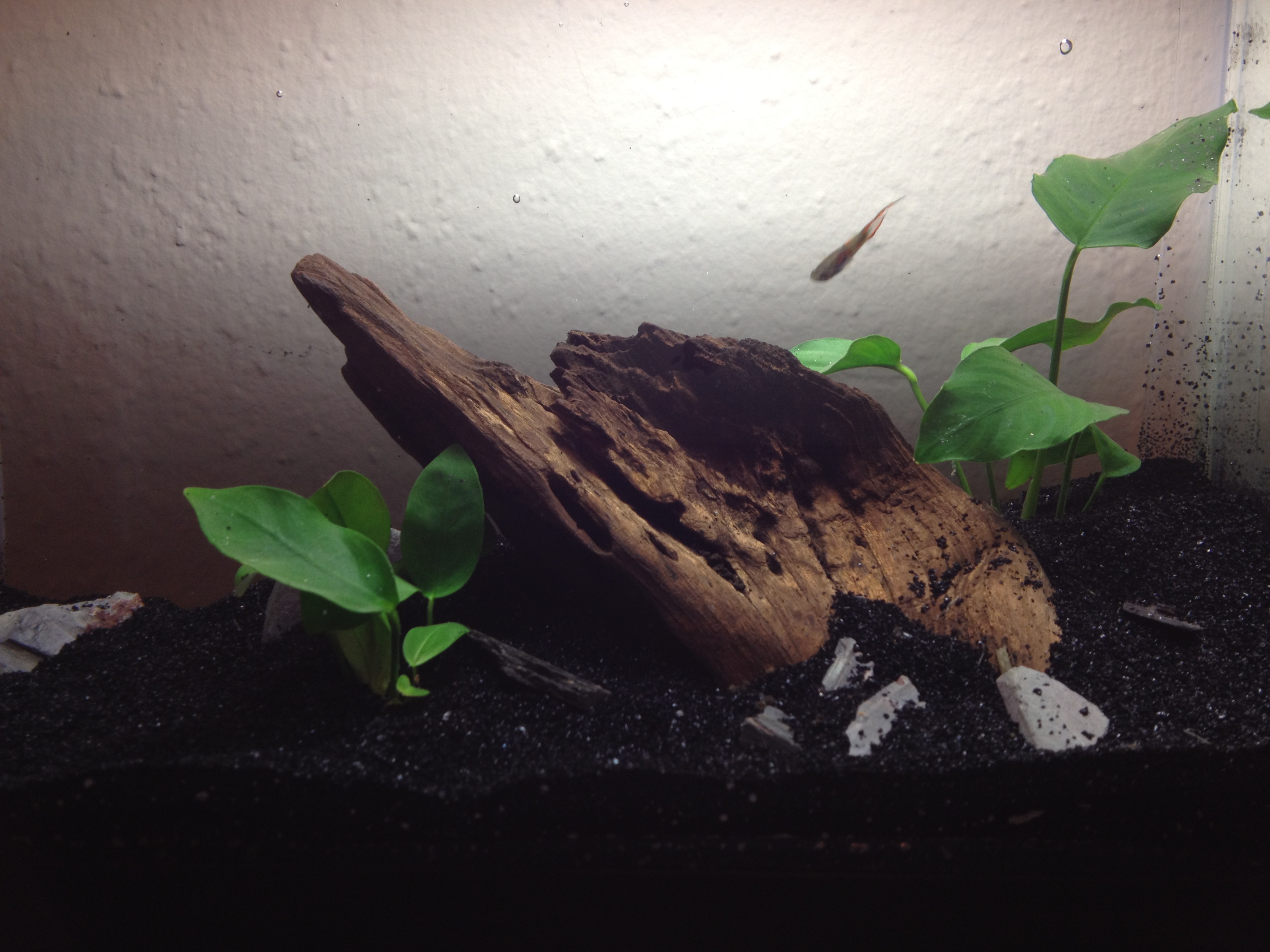
Start with 10-20 shrimp regardless of tank size. This gives you a viable breeding group with genetic diversity. Fewer than 10 and you might end up with mostly one gender, which kills your colony growth.
Make sure you acclimate them properly using the drip method. Shrimp are sensitive to parameter swings, and a rough introduction can wipe out half your starter colony.
Let the first group settle for 4-6 weeks. You should see berried females within a month if conditions are right. If they aren't breeding, check our guide on why shrimp won't breed before adding more.
Once baby shrimp start appearing, your colony will grow on its own. Most people never need to buy more shrimp after the initial group. A healthy colony of 20 cherry shrimp can hit 100+ within 3-4 months.
What Happens When Your Colony Gets Too Big
Eventually, every successful shrimp keeper faces the same problem: too many shrimp. Here's what happens and what you can do about it.
Self-regulation kicks in. In a closed system, shrimp colonies naturally slow their breeding rate as density increases. Females produce fewer eggs per clutch, and juvenile survival rates drop. The population stabilizes at whatever your tank can sustain.
You can sell or trade extras. Online forums like r/aquaswap and local fish store trade-in programs are great outlets. Cherry shrimp culls sell for $1-2 each, and higher-grade shrimp fetch more.
Add tank mates that eat shrimplets. A small group of endlers or celestial pearl danios will pick off enough babies to keep the population in check without threatening adults. Check our tank mate guide for safe options.
Start a new tank. This is how the hobby gets you. You start with one 10-gallon, and suddenly you've got a shrimp rack with five tanks and three color varieties. You've been warned.
Frequently Asked Questions
◆Can you have too many shrimp in a tank?
Technically yes, but it's hard to reach dangerous levels with good filtration and plants. Shrimp have tiny bioloads compared to fish. The real risk isn't ammonia poisoning; it's stunted growth and reduced breeding. Most tanks hit a natural population ceiling where births match deaths.
◆How many shrimp should I start with in a 10-gallon tank?
Start with 15-20 shrimp. That's enough genetic diversity for healthy breeding without overwhelming a newly cycled tank. Within 3-4 months, you'll likely have 60-80 shrimp as the colony establishes itself. There's no need to buy more after the initial group.
◆Do shrimp need to be in groups?
Yes. Shrimp are social animals that feel safer and act more naturally in groups. A single shrimp will hide constantly. Groups of 6+ start showing normal behavior, and colonies of 20+ are where you'll see them grazing openly, swimming freely, and breeding regularly.
◆How many Amano shrimp per gallon?
Keep 1-2 Amano shrimp per gallon. They're significantly larger than dwarf species (up to 2 inches) and produce more waste. A group of 5-6 Amanos works well in a 10-gallon tank for algae control without straining the system.
◆Will shrimp overpopulate my tank?
Cherry shrimp and other Neocaridina species breed readily, and yes, populations can grow quickly. But colonies self-regulate over time. In a mature tank, the population will plateau at whatever the environment can support. If numbers get too high, you can sell extras or add small fish that eat baby shrimp.
Getting your stocking density right sets up everything else for success. Start small, let the colony grow naturally, and watch your water parameters as numbers climb. That's really all there is to it.
Ready to set up your first shrimp tank? Our complete setup guide walks you through everything from equipment to cycling.
Found this helpful?
Check out our other shrimp care guides