Planaria and Hydra in Shrimp Tanks: How to Identify and Remove Them
Planaria and hydra can harm baby shrimp. Learn how to identify them, why they appear, and how to safely remove them from a shrimp tank without hurting your colony.
Planaria and Hydra in Shrimp Tanks
Last updated: July 2026 | 9 min read
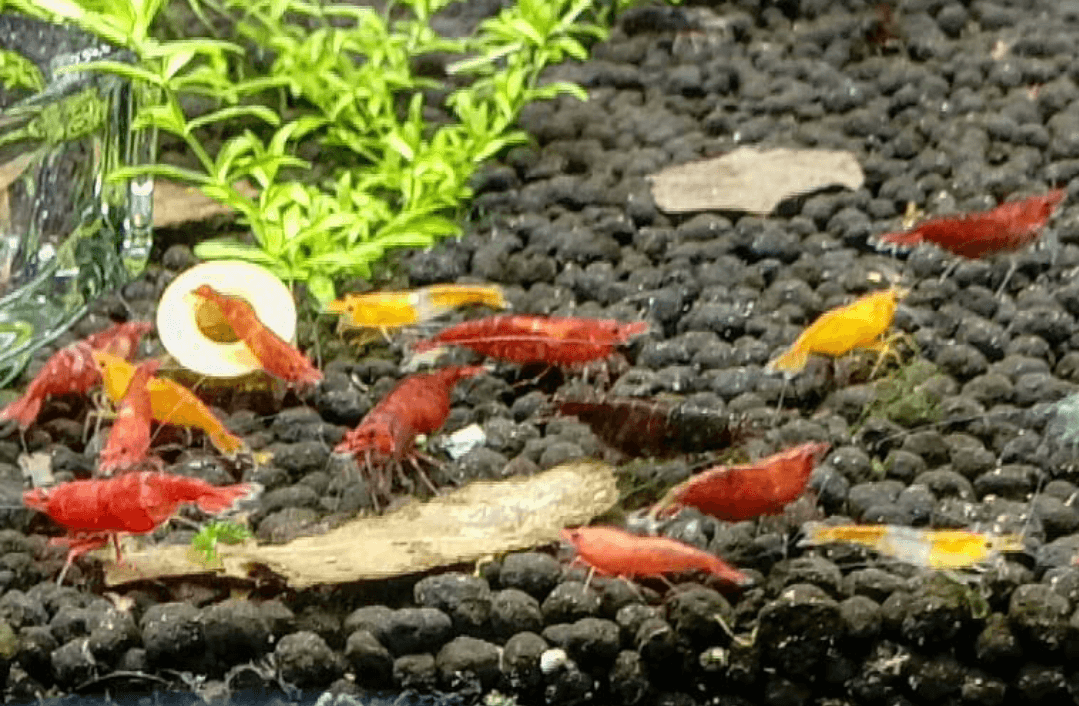
Two of the most alarming pests a shrimp keeper can spot are planaria and hydra. Both show up seemingly out of nowhere, both can threaten baby shrimp, and both are usually a sign that you are overfeeding. The good news is they are manageable once you know what you are looking at.
Quick Answer
Planaria are flatworms that glide along surfaces, and hydra are tiny tentacled polyps that anchor in place. Both can catch and harm shrimplets, though healthy adult shrimp are usually safe. Both thrive on excess food, so the first step is to feed less and clean up. For stubborn outbreaks, a fenbendazole-based treatment (such as Panacur) clears both, but it will kill snails, so plan around that.
What Are Planaria?
Planaria are small flatworms, usually white, cream, or brown, that glide slowly across the glass, substrate, and plants. The classic identifier is the arrow or triangle-shaped head with two eyespots that can look slightly cross-eyed. They stretch and flow as they move rather than inch along.
Planaria are opportunistic predators. In large numbers they will hunt and eat shrimp fry and very small shrimplets, and heavy infestations have been seen harassing adults. They are not usually a threat to healthy full-grown shrimp, but they are bad news in a breeding tank full of babies.
What Is Hydra?
Hydra look completely different. They are tiny, usually under a quarter inch, and they anchor to one spot on the glass, plants, or hardscape with a thin stalk topped by a crown of stringy tentacles. Under light they look like a miniature palm tree or a bit of frayed thread.
Hydra are stinging predators related to jellyfish. They use their tentacles to catch and paralyze tiny prey, which can include newly hatched shrimplets. Adult shrimp are too large to be caught, but hydra are a real danger to a tank you are trying to breed in.
Why They Appear
Both pests almost always trace back to the same cause: too much food. Planaria and hydra feed on the excess nutrients, leftover food, and microorganisms that build up when a tank is overfed. They usually arrive as tiny hitchhikers on new plants, moss, or shrimp, then explode in population when there is a food surplus.
This is why the first and most important fix is cultural, not chemical.
Step 1: Starve Them Out
Before reaching for any treatment, cut off their food supply:
- •Feed much less. Offer only what your shrimp finish in an hour or two, and skip feeding entirely for a few days. Our feeding guide covers proper amounts.
- •Remove uneaten food promptly and vacuum detritus from the substrate surface.
- •Do a water change and clean up mulm. See our water change guide.
For mild outbreaks, cutting the food supply alone will often crash the population over a week or two.
Step 2: Manual Removal
You can physically knock the numbers down while you starve them:
- •Planaria traps. A small bottle trap baited with a bit of food, or a commercial planaria trap, will collect them overnight so you can remove them.
- •Hydra removal. Wipe them off the glass, and remove or spot-treat heavily infested decor. Hydra can regenerate from fragments, so removal alone rarely finishes the job.
Step 3: Treatment for Stubborn Outbreaks
If the pests persist and your shrimplet survival is suffering, a targeted treatment is the next step. Always read the product instructions and dose by actual tank volume.
Fenbendazole (Panacur C). This dewormer is widely used to clear both planaria and hydra. A common approach is about 0.1 gram per 10 gallons, left in the tank for around 72 hours, followed by a large water change and running activated carbon to remove the residue. A second dose after a week catches anything that hatched from eggs. Fenbendazole is generally considered safe for shrimp at these doses.
The big warning: it kills snails. Fenbendazole and shrimp-safe "no planaria" products based on similar chemistry are lethal to snails, including nerites, mystery snails, and ramshorns. If you value your snails, remove them to another tank before treating, and know that pest snails in the tank will die and need to be removed before they foul the water.
Watch water quality. A die-off of pests and snails adds a bioload. Do a water change after treatment, run carbon, and monitor for ammonia. See our cycling guide if parameters wobble.
Prevention
Once your tank is clear, keep it that way:
- •Quarantine new plants and moss. Most infestations arrive as hitchhikers. A dip and a quarantine period on new moss and plants keeps pests out.
- •Do not overfeed. This is the single biggest lever. A lean feeding schedule keeps planaria and hydra from ever taking hold.
- •Keep up with maintenance. Regular water changes and detritus removal starve the conditions these pests need.
The Bottom Line
Planaria are gliding flatworms with arrow-shaped heads, and hydra are anchored polyps with stinging tentacles. Both can harm baby shrimp and both feed on excess food, so the real cure is to feed less and clean up. For persistent outbreaks, a fenbendazole treatment clears them, but it kills snails, so remove those first. Quarantine new plants and keep feeding lean to stop them coming back.
Related Guides
- •Common Shrimp Diseases - Other health issues to watch
- •Best Food for Shrimp - Avoiding overfeeding
- •Shrimp Tank Water Changes - Keeping the tank clean
- •Why Are My Shrimp Dying? - Troubleshooting losses
Frequently Asked Questions
◆Are planaria dangerous to shrimp?
Planaria can hunt and eat shrimp fry and very small shrimplets, and heavy infestations may harass adults. Healthy full-grown shrimp are usually safe, but planaria are a real threat in a breeding tank with babies.
◆How do I get rid of hydra in a shrimp tank?
Start by feeding much less to cut their food supply, then remove them manually. For stubborn cases, a fenbendazole-based treatment clears hydra, but it will kill any snails in the tank, so remove snails first and do a water change afterward.
◆Why do I have planaria or hydra?
They usually arrive as hitchhikers on new plants, moss, or shrimp, then multiply when there is excess food in the tank. Overfeeding is the main cause, so leaner feeding and good maintenance keep them in check.
◆Is fenbendazole safe for shrimp?
Fenbendazole (Panacur) is generally considered safe for shrimp at the doses used to treat planaria and hydra. However, it is lethal to snails, so remove any snails before treating and run activated carbon afterward to clear the medication.
Found this helpful?
Check out our other shrimp care guides