Snowball Shrimp Care Guide: The Easy White Neocaridina
Snowball shrimp are hardy white Neocaridina with pearly white eggs. Learn their water parameters, tank setup, feeding, and how to breed a thriving white colony.
Snowball Shrimp Care Guide
Last updated: July 2026 | 8 min read
Snowball shrimp are a clean white color morph of Neocaridina davidi, the same hardy species that gives us cherry shrimp. Their translucent, milky white bodies stand out beautifully against dark substrate and green plants, and they are just as beginner friendly as their red cousins.
They earned the name "snowball" from their eggs, which are a bright, opaque white, like tiny snowballs carried under the female's tail. They are also sold as white pearl shrimp.
Quick Answer
Snowball shrimp are hardy white Neocaridina that thrive at pH 6.5 to 7.5, GH 6 to 10, KH 2 to 6, TDS 150 to 300 ppm, and 68 to 78°F. They tolerate a wide range of conditions, breed easily, and are an excellent beginner shrimp. Keep them in a cycled 5 to 10 gallon planted tank with a sponge filter and they will multiply on their own.
Snowball Shrimp at a Glance
| Parameter | Range |
|---|---|
| Scientific name | Neocaridina davidi var. "Snowball" |
| Adult size | 1 to 1.5 inches (2.5 to 4 cm) |
| Temperature | 68 to 78°F (20 to 26°C) |
| pH | 6.5 to 7.5 |
| GH | 6 to 10 dGH |
| KH | 2 to 6 dKH |
| TDS | 150 to 300 ppm |
| Minimum tank | 5 gallons (10 preferred) |
| Temperament | Peaceful |
| Lifespan | 1 to 2 years |
| Difficulty | Easy |
Appearance
Snowball shrimp are a soft, translucent white. Higher grade specimens look almost solid milky white, while lower grade shrimp are more see-through. Unlike the deep opaque colors of red or blue Neocaridina, the snowball look is more of a frosted, pearly white. Their most distinctive feature is those bright white eggs, which are easy to spot on berried females.
Because they are pale, snowball shrimp show off best over a dark substrate. Light gravel washes them out.
Water Parameters
As a Neocaridina, the snowball shrimp is hardy and forgiving. It handles a wide band of parameters as long as they stay stable.
- •pH 6.5 to 7.5 is ideal, though they tolerate up to about 8.0.
- •GH 6 to 10 gives them the minerals they need for healthy molting. Too soft and they struggle to build new shells.
- •TDS 150 to 300 ppm works well.
- •Temperature 68 to 78°F. They prefer the cooler end. Warmer water speeds up breeding but shortens lifespan.
Many keepers run snowball shrimp on dechlorinated tap water with a good conditioner like Seachem Prime, provided the tap water is not very soft or very hard. Check yours with an API GH and KH kit. For the full breakdown, see our water parameters guide.
The golden rule with any Neocaridina is stability. Snowball shrimp forgive an imperfect number far more easily than they forgive a sudden swing.
Tank Setup
A cycled 5 gallon tank can hold a small colony, but 10 gallons is more stable and gives them room to grow.
- •Filtration: a gentle sponge filter keeps shrimplets safe and grows biofilm.
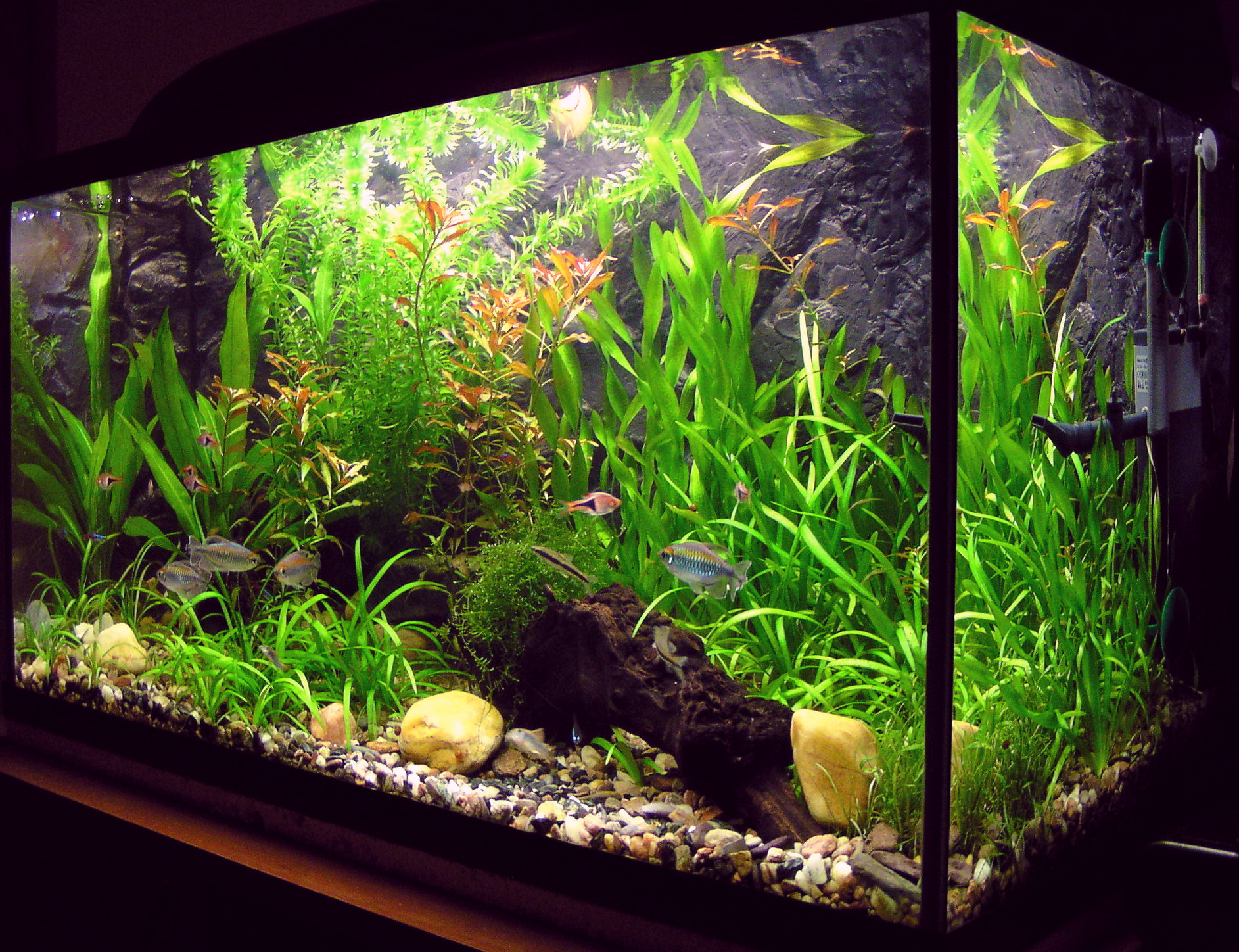
- •Substrate: a dark inert sand or gravel gives the best color contrast. Active soils work too but can lower pH more than snowballs need.
- •Plants: moss, Java fern, and Anubias give cover and grazing surfaces.
- •Never skip cycling. Snowballs, like all shrimp, need zero ammonia and zero nitrite. Our cycling guide walks you through it.
Feeding
Snowball shrimp are grazers that spend all day picking biofilm, algae, and detritus off surfaces. In an established planted tank they need little supplemental food. Offer a small amount of shrimp food or an algae wafer two or three times a week, plus the occasional blanched vegetable. Overfeeding is the more common mistake, so feed sparingly. See our feeding guide.
Breeding
Snowball shrimp are one of the easiest shrimp to breed. Give a healthy mix of males and females stable water and good food, and they will do the rest. Females carry their pearly white eggs for about 30 days before releasing fully formed miniature shrimp. There is no larval stage, so babies stay in the tank.
Dense moss is the single best thing you can add to boost shrimplet survival. To keep the white color pure, do not house snowballs with other Neocaridina colors. All Neocaridina davidi morphs interbreed, and the offspring revert to wild brown over generations. Our guide on mixing shrimp colors explains why.
The Bottom Line
Snowball shrimp are a hardy, beginner-friendly white Neocaridina with charming white eggs. Give them a stable, cycled, planted tank with dark substrate and gentle filtration, feed lightly, and keep them away from other Neocaridina colors, and you will have a thriving colony of little snowballs in no time.
Related Guides
- •Cherry Shrimp Care - The classic Neocaridina
- •Yellow Shrimp Care - Another easy color morph
- •Mixing Shrimp Colors - Why colonies revert to brown
- •Best Moss for Shrimp Tanks - Boost baby survival
Frequently Asked Questions
◆Are snowball shrimp easy to keep?
Yes. Snowball shrimp are Neocaridina, so they are just as hardy and beginner friendly as cherry shrimp. They tolerate a wide range of stable water parameters and breed readily, making them a great first shrimp.
◆Why are they called snowball shrimp?
They are named for their eggs, which are bright, opaque white and resemble tiny snowballs carried under the female's tail. The shrimp themselves are a translucent, pearly white.
◆Can snowball shrimp live with cherry shrimp?
They can coexist peacefully, but they will interbreed because both are Neocaridina davidi. The offspring gradually revert to wild brown coloring over several generations, so keep them in separate tanks to preserve both colors.
◆What is the best substrate for snowball shrimp?
A dark inert sand or gravel is ideal. It gives the pale white shrimp the best contrast and does not push the water chemistry around. Active buffering soils work too, though snowballs do not need the lower pH they create.
Found this helpful?
Check out our other shrimp care guides