How Much Do Freshwater Shrimp Cost? A Price Guide by Species
How much do freshwater shrimp cost? Ghost shrimp run under $1, cherry shrimp a few dollars each, and high grade caridina can top $20. A full price breakdown.
📅 Published 2026-10-28
The shrimp are usually the cheapest thing you buy. That catches people off guard, because they come in expecting a bag of cherries to be the big line item, then watch the tank, filter, substrate, and shipping add up to several times what the animals cost.
How much freshwater shrimp cost comes down almost entirely to which shrimp. A ghost shrimp from the feeder tank is pocket change. A top grade Taiwan bee can cost more than the aquarium it lives in. This guide gives real US prices by species, explains why the same shrimp can be $3 at one shop and $40 at another, and adds up what a small colony costs to buy and to keep.
Quick Answer
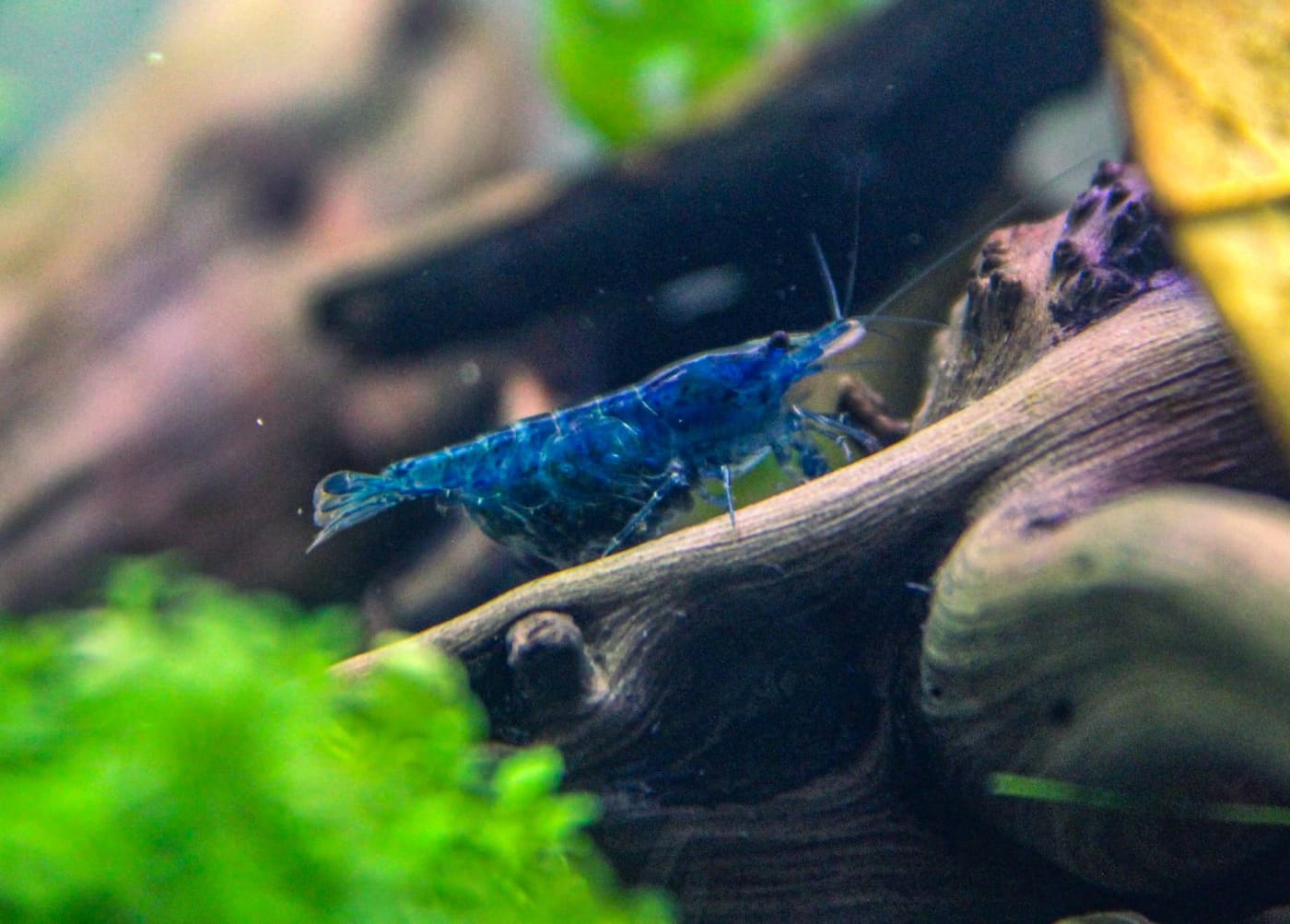
Most pet dwarf shrimp cost $2 to $6 each from a US online breeder. Ghost shrimp come in under $1, entry grade cherries run $3 to $5, amano shrimp $3 to $6, and crystal red or crystal black caridina $4 to $8. High grade caridina like blue bolt and king kong jump to $10 to $40 or more each, and cardinal Sulawesi shrimp sit around $8 to $20.
Then add shipping. Live shrimp travel overnight, and a flat box rate of roughly $19 to $35 is normal unless your order clears a free shipping threshold, which is often $200. A realistic starter order of 10 to 15 cherry shrimp plus overnight shipping usually lands somewhere around $60 to $90 delivered. Prices below are typical US online figures at the time of writing and move around by season and seller, so treat them as ranges, not quotes.
What You Are Actually Paying For
A shrimp purchase splits into three parts: the shrimp, the shipping, and the tank they live in. People fixate on the first and get surprised by the other two.
This guide handles the shrimp and the shipping in detail. The tank, filter, heater, substrate, and the rest are a separate budget, and we cover that in setting up a shrimp tank on a budget so this page can stay focused on the livestock. The short version: the equipment almost always costs more than the shrimp, and a cheap starter tank changes that math more than haggling over the price of a cherry ever will.
What Each Species Costs
Here are typical per shrimp prices from US online breeders and specialty stores. Local fish stores vary more, and big box chains usually only carry ghost and sometimes amano shrimp.
| Shrimp | Typical price each (US) | Notes |
|---|---|---|
| Ghost shrimp | $0.30 to $1 | Sold as feeders in bags of 10 or more |
| Red cherry (entry grade) | $3 to $5 | Cheapest colored shrimp, breeds readily |
| Higher grade neocaridina | $4 to $10 | Fire red, bloody mary, blue dream, blue velvet, yellow, green, orange |
| Amano shrimp | $3 to $6 | Cheaper per head when bought in packs |
| Crystal red or crystal black | $4 to $8 | Low to mid grade caridina bee shrimp |
| High grade caridina | $10 to $40+ | Blue bolt, king kong, panda, pinto, top grade crystals |
| Cardinal Sulawesi | $8 to $20+ | Advanced, needs hard alkaline water |
A few of these ranges come with disagreement between sellers. Amano shrimp are the clearest example. US forum keepers report paying $3 to $5 each at a local shop, while online packs from retailers like Buce Plant list at $29.99 to $49.99 for a group, which works out lower per head once you divide. The listing rarely tells you the count up front, so the per shrimp figure is often a guess until you read the fine print. The same confusion hits neocaridina, where a page showing $39.99 is frequently a pack of 10, not one animal.
Ghost shrimp are the floor of the hobby. At a chain store they can be 30 to 50 cents apiece out of a feeder tank, which is why people buy a dozen to test a new tank before committing to cherries. The tradeoff is that feeder ghost shrimp are kept rough, ship stressed, and die off at higher rates, so cheap does not always mean a bargain.
Why the Same Shrimp Is $3 One Place and $40 Another
Price swings on a single species confuse new keepers more than anything else. Four things drive the spread.
Grade. Within one color, breeders sort shrimp by how deep and even the color is. A plain red cherry and a painted fire red are the same species, but the painted fire red costs two or three times more because almost all of its body carries solid, opaque color. We break the tiers down in cherry shrimp grades, so this page just notes that grade is the single biggest reason two cherry listings disagree.
Caridina versus neocaridina. The hardy, beginner friendly cherries and their color morphs are neocaridina, and they sit at the cheap end. The fussier bee shrimp, crystals, and Taiwan bees are caridina, they need soft acidic water and an active substrate, and they cost more both because they are harder to breed and because fewer breeders produce them. If you are not sure which camp a shrimp falls into, caridina versus neocaridina sorts it out.
Quantity. Almost every online breeder drops the per head price when you buy in bulk. A pack of 10 or 20 beats the single shrimp rate, and some sellers add a few extra to cover losses in transit. Buying one shrimp at a time is the most expensive way to stock a tank.
Where you buy. A specialty breeder charges more than a feeder tank but gives you healthier, better colored, honestly labeled stock. A big box chain is cheaper and far more hit or miss. Our guide to where to buy freshwater shrimp walks through the tradeoffs between online breeders, local stores, and chains.
Shipping Is the Part Beginners Forget
Order shrimp online and the shipping line can rival the cost of the shrimp. Live animals go overnight in an insulated box, sometimes with a heat or cold pack, and that service is not cheap.
Flat rate shipping is the norm. The Shrimp Farm charges a flat $18.99 on shrimp orders. Flip Aquatics runs a flat FedEx Priority Overnight rate that has sat between about $26.99 and $34.99, and goes free once an order clears $200. So a $20 bag of cherries can turn into a $50 delivered order, which is exactly why buying in a single larger batch beats dribbling out small orders.
Nearly every reputable seller backs shipping with a live arrival guarantee, but the terms differ and that matters. Flip Aquatics asks you to file a dead on arrival form if anything shows up dead. Some marketplace sellers give you a tight window, as short as two hours after delivery, and require photo proof. Read the policy before you order, because a guarantee you cannot actually claim is worthless. Be home for the delivery, open the box right away, and photograph any losses before you do anything else.
The Cheapest and the Most Expensive Shrimp
At the bottom, ghost shrimp are as cheap as livestock gets, often under a dollar and sold by the bag. Entry grade cherries are the cheapest colored shrimp worth keeping long term, since they breed fast enough that a starter group of 10 becomes a full colony on its own.
At the top, high grade caridina is where the hobby gets expensive. Top tier Taiwan bees such as blue bolts, king kongs, and fancy pintos commonly run $40 to $100 and up for a single animal at that quality, and a small retailer listing for black king kong shrimp has shown a range from about $49.99 to $109.99 depending on grade. Prize breeding stock from a respected line can go higher still. Cardinal Sulawesi shrimp are not the priciest, but at $8 to $20 each and needing hard alkaline water they are a poor first purchase, since a beginner who kills a tank of them loses real money. If you want a sense of what the high end animals look like before you spend, our crystal red shrimp care guide covers the entry point to the caridina world.
What a Colony Costs to Keep
Buying the shrimp is a one time cost. Keeping them going is cheap, which is the good news.
Food lasts a long time. A tub of quality shrimp pellets or a bag of algae wafers runs roughly $8 to $15 and feeds a small colony for months, because dwarf shrimp graze biofilm and algae all day and need very little added food. Dechlorinator for water changes is a few dollars a bottle and lasts a year. If you keep caridina or soft water neocaridina, a remineralizer to set your water back up after reverse osmosis adds maybe $15 to $25 a jar, and that jar also lasts a long time.
The one recurring tool worth owning is a liquid test kit. An API Freshwater Master Test Kit runs around $30 to $35, reads for hundreds of tests, and catches the ammonia or nitrite spike that kills a colony faster than any disease. It is a one time buy that pays for itself the first time it saves a tank. Past that, the ongoing cost of a shrimp tank is close to a rounding error, and a healthy colony breeds, so you rarely buy the same shrimp twice.
Spending Less Without Getting Burned
You can cut the cost of stocking a tank without buying junk shrimp.
Start small and let them breed. Neocaridina multiply quickly in stable water, so 10 cherries become dozens within a few months at no extra cost. There is no reason to buy 30 up front. Buy in one batch to spread the shipping fee across more animals. Pick a lower grade if you just want color in the tank, since a plain cherry and a painted fire red behave identically and only the price tag differs. Check a local fish store or a local hobbyist first, because buying in person skips the shipping charge entirely, and local keepers often sell colony overflow cheap.
Acclimate them properly once they arrive so you do not lose the animals you just paid to ship. A slow drip is free and takes the sting out of the move from the seller's water to yours, and our how to acclimate shrimp guide covers the method. The most expensive shrimp is the one that dies in week one because it went straight from the bag into the tank.
Frequently Asked Questions
◆How much does a cherry shrimp cost?
Entry grade red cherry shrimp run about $3 to $5 each from a US online breeder, and less per head in a pack of 10 or more. Higher grades like fire red and painted fire red cost $5 to $10 because of their deeper, more complete color. A chain store may sell them cheaper but with less reliable health and labeling.
◆Why are some shrimp so expensive?
High end shrimp are caridina, which are harder to breed and need stricter water than hardy neocaridina cherries. Within a type, deep even color and clean patterns raise the grade and the price. A top grade blue bolt or king kong can cost $40 to $100 or more for a single animal, while a plain cherry of equal size is a few dollars.
◆Is it cheaper to buy shrimp online or at a pet store?
The shrimp themselves are often cheaper online, especially in bulk, but overnight shipping of $19 to $35 can erase the savings on a small order. A local store or a local hobbyist skips shipping entirely, which usually wins for small quantities. Online breeders win on selection, quality, and buying a large batch at once.
◆How many shrimp should I start with?
Ten to fifteen is plenty for most tanks. Neocaridina breed fast, so a small group grows into a full colony on its own within a few months, and buying a large number up front wastes money you do not need to spend. For pricier caridina, start small and prove your water is stable before adding more.
The Bottom Line
Freshwater shrimp run from under a dollar for a ghost shrimp to over $100 for a show grade Taiwan bee, but the species most people actually keep sit in the $2 to $6 range, with shipping often the bigger surprise. Buy a small batch of a hardy species, spend the money you save on a solid tank and a test kit instead, and let the colony grow itself. For the full startup picture beyond the livestock, read setting up a shrimp tank on a budget.
Found this helpful?
Check out our other shrimp care guides