Shrimp Tank Temperature: Ideal Ranges for Every Species
The right shrimp tank temperature depends on species. See ideal ranges for Neocaridina, Caridina, Amano, and Sulawesi shrimp, plus summer heat survival tips.
Shrimp Tank Temperature: The Complete Guide
Last updated: July 2026 | 8 min read
Ask what temperature a shrimp tank should be and you will get answers ranging from 65°F to 86°F, and the confusing part is that all of them are correct, just for different shrimp. Temperature is one of the few parameters where the popular species genuinely disagree: cherry shrimp are happy in an unheated bedroom, crystal shrimp want it cool and steady, and Sulawesi shrimp will die in water the other two consider perfect.
This guide gives you the verified range for each species group, explains the breeding-versus-lifespan tradeoff hiding inside every range, and covers the two situations that actually kill shrimp: instability and summer heat.
Quick Answer
Most dwarf shrimp do best between 68 and 76°F. Neocaridina (cherry shrimp and their color morphs) handle 65 to 78°F, Caridina bee shrimp like crystal reds want a cooler 68 to 74°F, and Sulawesi shrimp need tropical warmth at 78 to 84°F with a heater. Within a species' range, warmer water means faster growth and breeding but shorter lifespans. Stability matters more than the exact number: a tank steady at 70°F beats one swinging between 68 and 78°F.
Shrimp Temperature by Species
| Species | Ideal range | Heater needed? |
|---|---|---|
| Cherry shrimp and all Neocaridina | 65-78°F (18-26°C) | Usually no |
| Crystal red/black and bee shrimp (Caridina) | 68-74°F (20-23°C) | Sometimes, set low for stability |
| Tiger shrimp (Caridina mariae) | 68-74°F (20-23°C) | Sometimes |
| Amano shrimp | 65-80°F (18-27°C) | Usually no |
| Ghost shrimp | 65-80°F (18-27°C) | Usually no |
| Bamboo shrimp | 72-82°F (22-28°C) | Usually yes |
| Vampire shrimp | 75-84°F (24-29°C) | Yes |
| Sulawesi shrimp (Cardinals) | 78-84°F (26-29°C) | Always |
A few patterns worth noticing. The hardy beginner species (Neocaridina, Amano, ghost) all overlap comfortably with normal room temperature, which is why so many shrimp tanks run heaterless. The soft-water Caridina prefer the cool end and suffer in warm rooms before anything else does. And the outliers, fan shrimp and especially Sulawesi species, are true tropical animals that need equipment, not luck.
Why Temperature Matters So Much for Shrimp
Shrimp are cold-blooded, so water temperature directly sets their metabolic speed. It controls:
- •How fast they grow and molt. Warmer shrimp eat more, grow faster, and molt more often.
- •How fast they breed. Females become sexually mature sooner and eggs develop faster in warm water. Neocaridina eggs typically hatch in roughly 25 to 35 days, quicker at the warm end of the range.
- •How long they live. A metabolism running hot burns through a shrimp's short life faster.
- •How much oxygen they get. Warm water holds less dissolved oxygen at exactly the moment shrimp need more of it, which is why heat problems often look like gasping, lethargy, or shrimp gathering near the surface and filter output.
The Tradeoff: Breeding Speed vs Lifespan
Inside any species' safe range, temperature is a dial between productivity and longevity.
Warm end (76 to 78°F for Neocaridina):
- •Faster growth and more frequent berried females
- •Shorter lifespan, often noticeably so
- •More biological activity in the tank overall: more waste, faster algae, lower oxygen
Cool end (68 to 72°F):
- •Slower, steadier breeding
- •Longer-lived, often larger adult shrimp
- •More dissolved oxygen and a more forgiving tank
Neither end is wrong. Breeders chasing numbers deliberately run warm; keepers who want a stable display colony run cool. Many keepers settle on 72 to 76°F as the balance point for Neocaridina, and around 70 to 72°F for Caridina. If a colony breeds constantly but adults keep dying young, the thermometer is one of the first places to look, alongside our troubleshooting guide.
Stability Beats the Perfect Number
Shrimp handle being at the edge of their range far better than they handle bouncing around inside it. Rapid swings stress shrimp, and stress shows up where shrimp are most vulnerable: the molt. Temperature shock is a classic trigger for failed molts and the notorious white ring of death.
Practical rules:
- •A steady 70°F is better than a daily 68 to 78°F rollercoaster. Slow seasonal drift is fine; same-day swings are not.
- •Match water change water to tank temperature. Pouring in water several degrees off is the most common self-inflicted temperature shock.
- •Watch placement. Tanks near windows, exterior doors, or HVAC vents swing hardest.
- •Drip-acclimate new shrimp. Temperature is part of acclimation, not just TDS and pH (see our water parameters guide).
A cheap digital aquarium thermometer is worth having on every shrimp tank. Stick-on strips are vague, and heater dials lie.
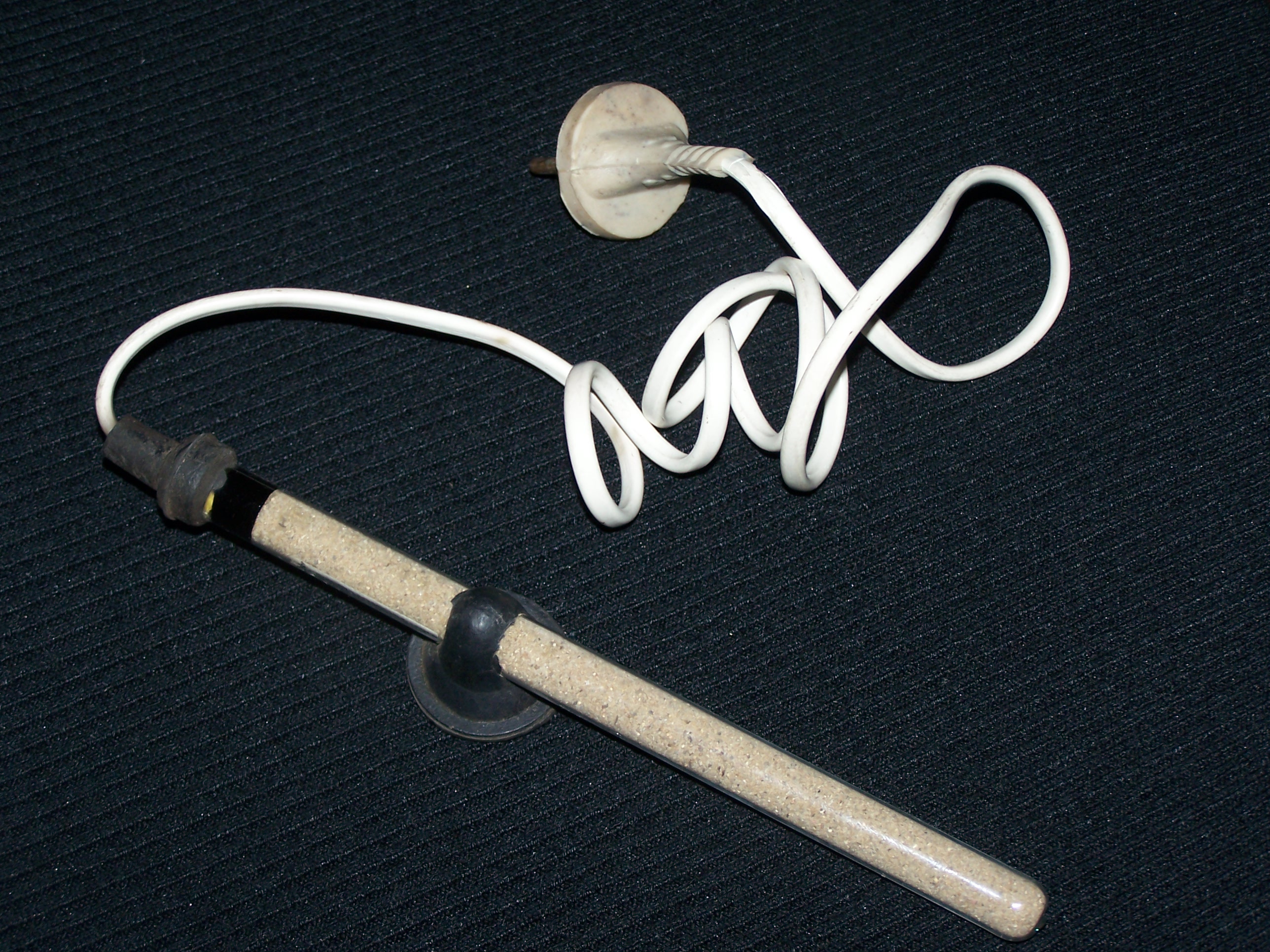
When You Actually Need a Heater
The full decision tree lives in our guide on whether shrimp need a heater, but the short version:
- •Room stays 65 to 76°F year-round: Neocaridina, Amano, and ghost shrimp are fine without a heater.
- •Room drops below the mid-60s in winter, or swings more than a few degrees daily: add a heater, not to make the tank warm but to put a floor under the swings. Set it a degree or two below your normal tank temperature and let it act as insurance.
- •Bamboo, vampire, or any Sulawesi shrimp: plan on a heater from day one. Sulawesi cardinals in particular begin to struggle when water drops below the mid-70s, and no normal room holds 78 to 84°F on its own. Their native lakes run warmer still, into the mid 80s, which is why dedicated Sulawesi keepers often set heaters anywhere from 80 to 86°F (see the Sulawesi care guide for the full setup).
Summer Heat: The Real Temperature Emergency
Cold is rarely what kills shrimp; heat waves are. Once a Neocaridina or Caridina tank pushes past about 80°F, oxygen drops, bacteria and shrimp metabolisms race, and losses can start within days. Caridina tanks are usually the first casualties.
When a heat wave hits:
- •Turn the lights off. LED fixtures add heat, and shrimp do not need the light.
- •Open or remove the lid to let evaporation cool the tank. Watch for escape artists (Amano shrimp especially) and raise it slightly rather than removing it entirely if needed.
- •Point a clip-on fan across the water surface. Evaporative cooling reliably drops a small tank several degrees. Top off evaporation with fresh dechlorinated water so minerals do not concentrate.
- •Add aeration. An air stone or increased surface agitation offsets the oxygen loss that makes heat dangerous.
- •Cool the room, not just the tank. Blinds closed, AC on, tank moved away from sun-facing windows.
- •Use frozen water bottles cautiously. Floating a small frozen bottle works in an emergency, but swap bottles gradually. Yo-yoing the temperature down 6 degrees and back up again trades one stress for another.
Skip cold water changes as a cooling method. The relief lasts an hour and the swing does more harm than the heat.
Temperature and Breeding Projects
Two practical applications of the temperature dial:
- •Kick-starting a stalled colony. If healthy, mature Neocaridina are not breeding at 68°F, nudging the tank toward 74 to 76°F over a few days often gets females berried. Warmth is a common missing trigger, along with food and water stability.
- •Keeping a display colony long-lived. Running the same species at 68 to 72°F slows the treadmill: fewer babies, but adults that live toward the long end of the 1 to 2 year Neocaridina lifespan and stay out grazing in cooler, oxygen-rich water.
The Bottom Line
There is no single correct shrimp tank temperature, but there is a correct one for your species: 65 to 78°F for Neocaridina, 68 to 74°F for Caridina, 65 to 80°F for Amanos and ghosts, 72 to 82°F for fan shrimp, and a heated 78 to 84°F for Sulawesi cardinals. Pick your spot inside the range knowing the tradeoff (warm breeds faster, cool lives longer), then defend that number against swings and summer heat. A thermometer you trust, a heater where the species demands it, and a fan in July cover almost every temperature problem a shrimp keeper will ever face.
Related Guides
- •Do Shrimp Need a Heater? - The full heater decision guide
- •Shrimp Water Parameters - Temperature's place among the other numbers
- •Sulawesi Shrimp Care - The hot-water specialists
- •Why Are My Shrimp Dying? - Troubleshooting losses
Frequently Asked Questions
◆What temperature should a cherry shrimp tank be?
Cherry shrimp and all other Neocaridina do well anywhere from 65 to 78°F, with 72 to 76°F as the sweet spot for active, breeding colonies. In most homes that means no heater is required, just protection from big daily swings.
◆Is 80°F too hot for shrimp?
For short periods, most Neocaridina and Amano shrimp tolerate 80°F, but it sits at the edge of their comfort zone and oxygen becomes the limiting factor. Sustained temperatures above 80°F stress dwarf shrimp and are genuinely dangerous for Caridina like crystal reds, which prefer 68 to 74°F. Sulawesi shrimp are the exception and thrive at 78 to 84°F.
◆Do shrimp breed faster in warmer water?
Yes. Within a species' safe range, warmer water speeds up maturity, egg development, and breeding frequency. The cost is a faster metabolism and a shorter lifespan, so breeders often run warm while display keepers run cool.
◆What temperature kills aquarium shrimp?
There is no single cutoff, but sustained water above the mid-80s°F is dangerous for most dwarf shrimp (Sulawesi species excepted), and extended time below about 60°F stalls Neocaridina and stops breeding. The bigger killer in practice is speed: a rapid swing of several degrees, in either direction, causes more deaths than a steady tank sitting slightly outside the ideal range.
Found this helpful?
Check out our other shrimp care guides