Sulawesi Shrimp Care Guide: The Stunning Hard-Water Specialists
Sulawesi shrimp are vivid Caridina from Indonesia's ancient lakes that need warm, hard, alkaline water, the opposite of most dwarf shrimp. Learn their demanding but rewarding care.
Sulawesi Shrimp Care Guide
Last updated: June 2026 | 9 min read
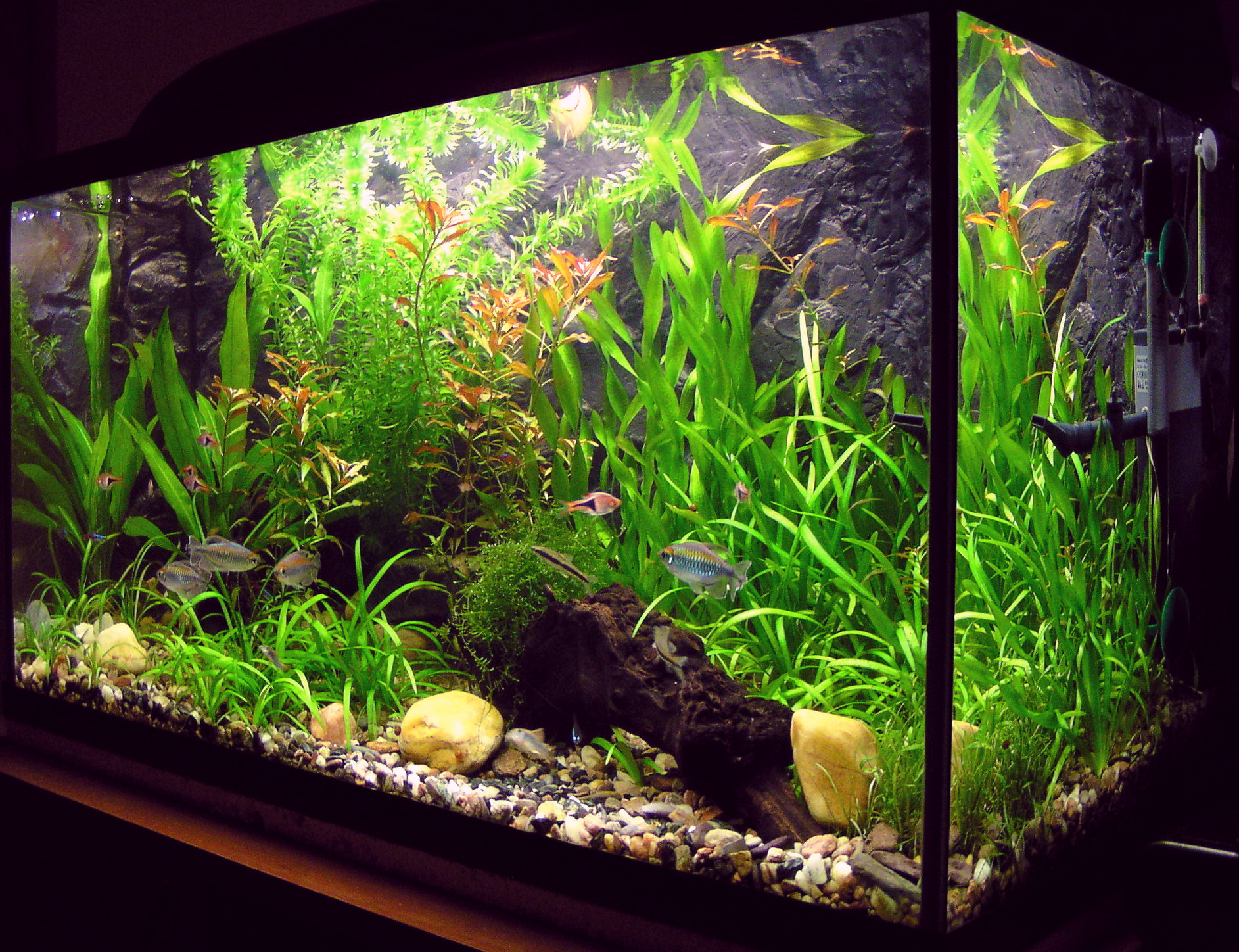
Sulawesi shrimp are some of the most beautiful and most demanding shrimp in the hobby. They come from a handful of ancient lakes on the Indonesian island of Sulawesi, where the water is warm, hard, and alkaline. That makes them the mirror image of most dwarf shrimp: while cherry and crystal shrimp want cooler, softer water, Sulawesi shrimp need the warm, mineral-rich, high-pH conditions of their native lakes.
They're stunning, often deep red, white-spotted, or vivid blue, but they are not beginner shrimp. This guide is honest about what they need so you can decide if you're ready.
Quick Answer
Sulawesi shrimp are Caridina from Indonesian lakes that need warm (80-86°F), hard, alkaline (pH 7.5-8.5) water, the opposite of cherry or crystal shrimp. They're sensitive, slow to acclimate, and best for experienced keepers with a dedicated, stable, species-only tank. The reward is some of the most striking colors in freshwater.
Sulawesi Shrimp at a Glance
| Parameter | Range |
|---|---|
| Adult size | 0.5-1.2 inches (1.5-3 cm) |
| Temperature | 80-86°F (27-30°C) |
| pH | 7.5-8.5 |
| GH | 4-6 dGH |
| KH | 2-4 dKH |
| TDS | 100-150 ppm |
| Minimum tank | 10 gallons |
| Temperament | Peaceful |
| Difficulty | Advanced |
What Makes Them Different
Almost every popular dwarf shrimp wants room-temperature, neutral-to-soft water. Sulawesi shrimp want the opposite:
- •Warm: their lakes sit at 80-86°F year round, much warmer than other shrimp tolerate. A heater is mandatory.
- •Alkaline: pH 7.5-8.5, well above the slightly acidic water crystal shrimp need.
- •Stable: they evolved in geologically stable lakes and react badly to any swing.
This is why you can't just add them to an existing shrimp tank. They need a dedicated setup built around their conditions. Popular types include the Cardinal shrimp (deep red with white spots) and various "Sulawesi bee" patterns.
Tank Setup
◆Dedicated, Stable, Mature
Set up a tank specifically for Sulawesi shrimp and let it mature for months before adding any. They need rock-solid stability and an established biofilm base. A 10 gallon or larger tank holds parameters more steadily.
◆Heater
A reliable, adjustable heater is essential to hold 80-86°F. This is one of the few shrimp where a heater is non-negotiable.
◆Water and Minerals
Most keepers use RO water remineralized with a Sulawesi-specific salt/mineral mix to hit the warm, hard, alkaline target. Standard GH/KH+ products for cherry shrimp won't produce the right profile. Research a dedicated Sulawesi mineral product and follow its dosing.
◆Hardscape
Their native lakes are rocky. Provide plenty of rock, caves, and crevices. They graze biofilm off hardscape and feel secure with lots of hiding spots.
Feeding
Sulawesi shrimp graze biofilm and algae and accept fine powdered foods and quality shrimp food. Feed lightly, as with any shrimp. A mature tank with good biofilm does most of the feeding. See what do shrimp eat.
Acclimation: Go Slow
Sulawesi shrimp are notoriously sensitive to being moved. A slow drip acclimation over several hours is essential, and even then, losses during the first weeks are common. Buy from a seller whose parameters match yours if you can, and never rush them into new water. Our acclimation guide covers the drip method; with Sulawesi shrimp, do it even more slowly.
Breeding
Sulawesi shrimp breed in the aquarium once conditions are dialed in, producing fully formed shrimplets like other Caridina (no larval stage). Breeding is a sign you've gotten the parameters right. It's slower than Neocaridina, but a stable colony will grow over time.
Should You Keep Them?
Be honest with yourself. Sulawesi shrimp are for keepers who:
- •Have kept other shrimp successfully
- •Are willing to run a dedicated heated, mineralized tank
- •Test parameters regularly and keep them rock stable
- •Accept that some losses during acclimation are normal
If you're newer, start with cherry shrimp or work through our Caridina vs Neocaridina guide to understand the easier options first. Sulawesi shrimp are a goal to work toward, not a first tank.
The Bottom Line
Sulawesi shrimp reward experienced keepers with some of the most vivid colors in the hobby, but they demand warm, hard, alkaline, rock-stable water in a dedicated tank. They're sensitive, slow to acclimate, and unforgiving of swings. If you're ready to build a setup around their specific needs, they're spectacular. If you're not, keep them on your wish list and master easier shrimp first.
Related Guides
- •Caridina vs Neocaridina - Understanding shrimp groups
- •Crystal Red Shrimp Care - A more accessible Caridina
- •Do Shrimp Need a Heater? - Essential for Sulawesi shrimp
- •How to Acclimate Shrimp - Critical for sensitive species
Frequently Asked Questions
◆Are Sulawesi shrimp hard to keep?
Yes, Sulawesi shrimp are advanced-level. They need warm (80-86°F), hard, alkaline (pH 7.5-8.5) water held very stable, which is the opposite of most dwarf shrimp. They're sensitive to swings and acclimation, so they're best for experienced keepers with a dedicated tank.
◆What water parameters do Sulawesi shrimp need?
Sulawesi shrimp need warm water at 80-86°F, alkaline pH of 7.5-8.5, GH around 4-6, KH 2-4, and TDS 100-150 ppm. Most keepers use RO water remineralized with a Sulawesi-specific mineral mix, plus a heater to hold the high temperature.
◆Can Sulawesi shrimp live with cherry shrimp?
Not ideally. Sulawesi shrimp need warm, hard, alkaline water while cherry shrimp prefer cooler, more neutral conditions, so a shared tank suits neither. They won't interbreed, but their conflicting parameter needs mean they're best kept separately.
◆Why did my Sulawesi shrimp die after adding them?
Sulawesi shrimp are highly sensitive to being moved and to parameter differences. Sudden changes in temperature, pH, or TDS during acclimation often cause losses. Use a very slow drip acclimation over several hours and buy from a seller whose water matches yours.
Found this helpful?
Check out our other shrimp care guides