Can Shrimp Live With Axolotls? The Honest Answer for Both Tanks
Can shrimp live with axolotls? Mostly no. Axolotls are cold-water ambush predators and shrimp are snacks. Here is when it works and when it does not.
📅 Published 2026-10-05
You want a cleanup crew for your axolotl tank, or you have a shrimp colony and an axolotl and you're wondering if they can share a tank. The short version is that these two animals want almost opposite things, and in the same tank the shrimp lose. Axolotls are cold-water hunters that eat anything they can suck into their mouths, and dwarf shrimp are warm-water grazers that fit easily.
That doesn't make the question pointless. Plenty of keepers drop ghost shrimp into an axolotl tank on purpose, and there's a right and a wrong way to do it. This guide covers why the pairing is hard, what actually happens when you try it, whether shrimp can hurt the axolotl, and the one setup where adding shrimp makes sense.
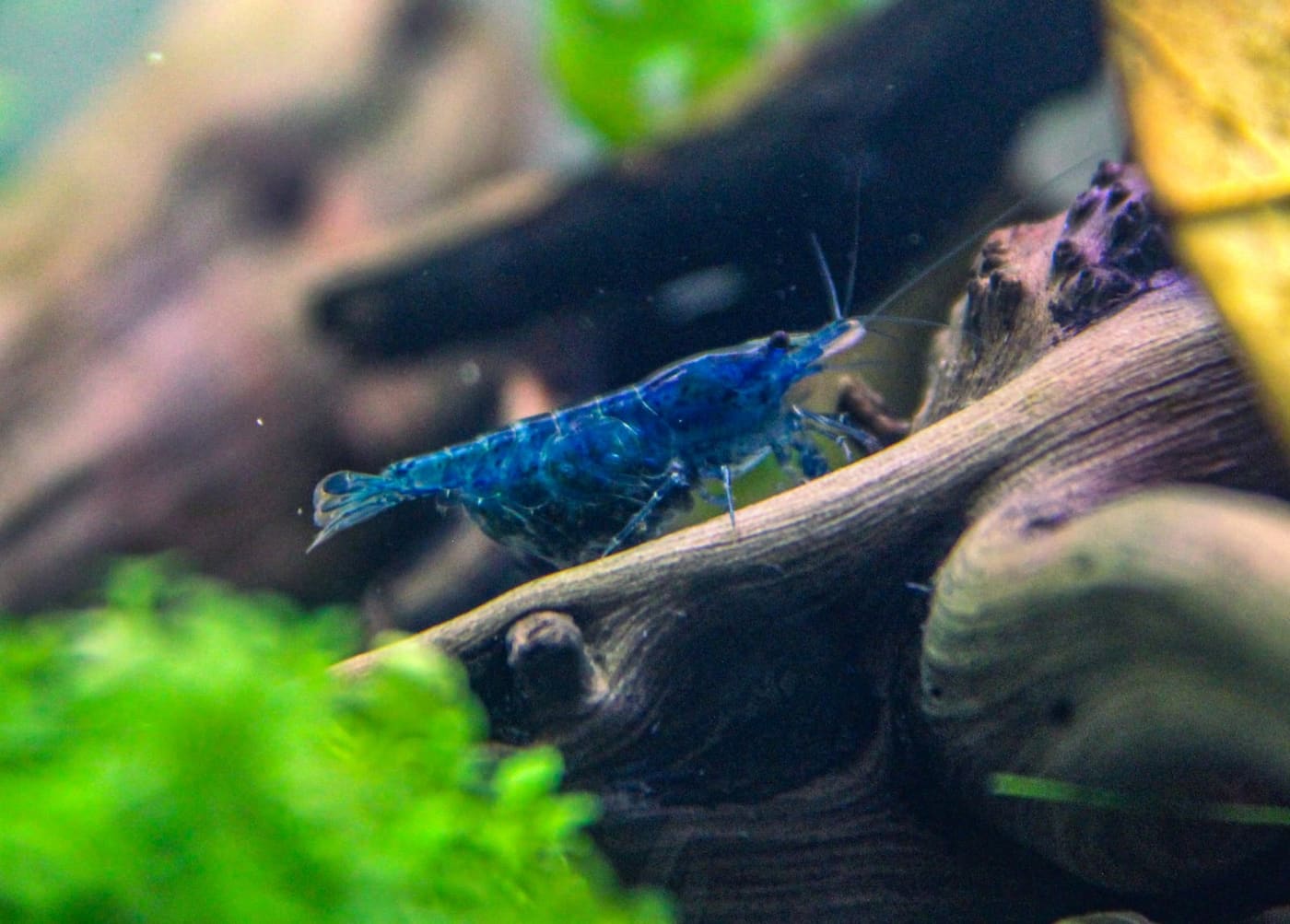
Quick Answer
Shrimp and axolotls should not be permanent tank mates. Two problems stack up. First, axolotls are carnivores that hunt by smell and swallow prey whole, so any shrimp small enough to fit will be eaten, usually within days. Second, axolotls need cold water around 60 to 64F while cherry and most dwarf shrimp want 72 to 78F, so even the survivors sit at the cold edge of their range, sluggish and slow to breed.
The one exception that keepers actually use: ghost shrimp as occasional live food. They tolerate cool water better than cherries and they're cheap, so dropping a few in as a snack is fine. Just don't call them a cleanup crew, don't expect them to last, and never put prized shrimp in with an axolotl.
Two Problems, and the Temperature One Comes First
Most people ask this question thinking only about predation. The temperature mismatch is the bigger issue, and it rules out even the shrimp an axolotl can't be bothered to hunt.
Axolotls are a cold-water species. In the wild they live in the cool lakes of the Valley of Mexico, where the water rarely climbs above 68F and drops to the mid 40s in winter, according to the Wikipedia axolotl species page. Aquarium keepers aim lower than the upper limit for safety. AquariumStoreDepot puts the keeping range at 60 to 68F, and axolotl care guides generally target 60 to 64F, with trouble starting above 74F and death possible within a couple of days above 77F. Warm water also holds less oxygen, which an animal that breathes through external gills can't afford.
Now line that up against shrimp. Neocaridina like cherry shrimp tolerate a wide band, roughly 60 to 82F by The Shrimp Farm's care sheet, but they only thrive and breed in the low to mid 70s. Amano shrimp run a bit cooler, with the Wikipedia entry for Caridina multidentata listing 64 to 82F. So the only temperature where both animals are genuinely comfortable is a thin strip around 64 to 68F, which is the cold, sluggish bottom end for the shrimp and the warm, risky top end for the axolotl. Nobody wins in that strip.
This is why the pairing fails even before anything gets eaten. A cherry shrimp held at 62F doesn't die on day one, but it barely moves, it barely grazes, and it won't produce the next generation. If you want the full picture on heat and cold for shrimp specifically, our shrimp tank temperature guide breaks down the ranges by species.
If keeping an axolotl tank cold is a struggle where you live, that's a cooling problem to solve for the axolotl's sake, not a reason to warm the tank for shrimp. A clip-on fan or an aquarium chiller is the usual fix, and it pushes the tank further from anything a tropical shrimp would enjoy.
Axolotls Are Ambush Predators
Set the thermometer aside and the second problem takes over. Axolotls are carnivores. The Wikipedia species page lists their natural diet as mollusks, worms, aquatic insects, other arthropods such as crayfish, and small fish. A shrimp is an arthropod the size of their preferred prey. To an axolotl it reads as food.
They don't chase. Axolotls are suction feeders that sit still and wait, then open the mouth fast and pull in a slug of water with whatever is near. They find that prey by smell as much as sight, which matters for anyone hoping a planted tank will hide a shrimp colony. As AquariumStoreDepot puts it, axolotls can smell shrimp through dense plant cover, so they will find them and they will eat them. Moss and driftwood slow the process down. They don't stop it.
Size is the only real variable. A full-grown axolotl reaches around 9 inches, with some passing a foot. Against that, a one-inch cherry shrimp or a two-inch amano is a mouthful, not a threat. There's no dwarf shrimp large enough to be safe and small enough to still be a shrimp.
What Actually Happens If You Add Shrimp
Here's the realistic timeline when you put shrimp in with an axolotl.
Ghost shrimp last longest, because they handle cool water better than cherries and they're drab enough to be hard to spot. Even so, most get picked off within a week once the axolotl works out they're there. That's exactly why ghost shrimp are the classic axolotl feeder: cheap, hardy, and gone before they can breed. Our ghost shrimp care guide covers how to keep a feeder colony going in a separate tank.
Cherry shrimp go the same way, just prettier and more expensive. A bright red cherry shrimp stands out against sand or dark substrate, so if anything it gets eaten faster than a ghost shrimp. Using cherries this way is pouring money into the axolotl's mouth.
Amano shrimp are the biggest commonly sold dwarf shrimp, so a few might survive a little longer in a large, heavily planted tank. Longer is not forever. They still get caught, and they still sit at the cold end of their comfort range the whole time.
The pattern is the same across the board, and it's the same reason most fish make poor shrimp tank mates. If you're curious which animals treat shrimp as prey, our guide to what fish eat shrimp covers the usual suspects, and an axolotl belongs firmly on that list.
Live Food Versus Cleanup Crew: Know Which You Want
A lot of this confusion comes from one phrase: cleanup crew. People add shrimp expecting them to do a job, and shrimp can't do that job in an axolotl tank.
A cleanup crew is supposed to eat leftover food and algae and cut down on maintenance. Shrimp graze biofilm and algae, which is real work in a planted shrimp tank. In an axolotl tank it falls apart for two reasons. The shrimp get eaten, so the crew doesn't last. And axolotls are messy, high-waste animals that produce far more than a handful of shrimp could ever process. Shrimp produce waste of their own, need their own care, and do nothing to replace siphoning, water testing, and regular water changes.
So the honest framing is live food, not cleanup. If you drop shrimp in, you're feeding the axolotl a snack with legs, which is fine and even good enrichment. You are not reducing your maintenance. For that you still want a big filter and a gravel vacuum, and you still need to watch your numbers, since a heavy bioload pushes ammonia up fast. An API Freshwater Master Test Kit is the tool for keeping an eye on that, and it matters more in a messy axolotl tank than in a lightly stocked shrimp bowl.
Can Shrimp Hurt an Axolotl?
This one runs the other direction, and the answer is reassuring. Dwarf shrimp are about the safest thing you can put near an axolotl.
The main injury risk to an axolotl from a tank mate is gill nipping. Many fish pick at those feathery external gills, which stresses the animal and can cause damage. Shrimp don't do that. They graze surfaces and pick at food. A cherry or ghost shrimp isn't equipped or inclined to go after an axolotl's gills, and keepers who have tried the pairing report the shrimp acting purely as prey.
Shrimp are also soft-bodied, which sidesteps the other classic axolotl hazard. Axolotls swallow things whole, and hard objects cause impaction, the reason keepers use fine sand or a bare bottom and avoid gravel an axolotl can inhale. A snail shell can cause the same problem, which is part of why snails make risky axolotl tank mates. A soft shrimp passes through without that danger. So while the shrimp is the one at risk of being eaten, it poses close to zero risk to the axolotl in return.
If You Still Want to Try It
Maybe you like the idea of occasional live food, or you want to watch the hunt. There's a sensible way to do it.
Use ghost shrimp, not cherries or other colored neocaridina. They're cheap, they handle the cool water, and you won't feel the loss. Buy them as feeders and treat them as feeders.
Keep a breeding colony in its own tank, warm and filtered the way shrimp actually want, and move a few over when you want to feed them off. That keeps your supply cheap and means the shrimp live decent lives until the moment they're food. Raising a feeder colony is the same job as keeping any shrimp, which our ghost shrimp care guide walks through.
Quarantine wild-caught feeders before they go near the axolotl. Cheap feeder shrimp can carry parasites or hitchhikers, and an axolotl has no scales and a sensitive slime coat, so a short holding period in clean water is worth the wait.
Drop in only a few at a time, and don't dump a whole bag in and walk away. Uneaten shrimp add to the bioload, and dead shrimp you didn't see get eaten spike ammonia. Feed what gets caught in a day or two, the same rule you'd use for any food.
And never, ever use shrimp you care about. A tank-bred colony you spent a year culling for color is not feeder stock. Keep those in their own tank with proper tank mates, like the ones in our guide to the best tank mates for cherry shrimp, and let the axolotl have plain ghost shrimp.
The Better Setup: One Tank Each
For almost everyone, the clean answer is two tanks. An axolotl wants a cool, calm, low-flow tank with fine sand or a bare bottom, gentle filtration, and no roommates it might eat or that might nip its gills. A shrimp colony wants a warm, mature, planted tank where it can graze and breed in peace. Those are different builds, and trying to merge them shortchanges both animals.
If the appeal was a lively tank full of small life, build it around the shrimp instead. A planted neocaridina tank with a snail or two and a small, peaceful fish gives you far more to watch than an axolotl tank ever could, and nothing in it is trying to eat everything else.
Frequently Asked Questions
◆Will an axolotl eat cherry shrimp?
Yes. Cherry shrimp are small, soft, and brightly colored, so an axolotl spots and eats them readily, often within a few days. They're more expensive than ghost shrimp and go just as fast, which makes them a poor choice as either tank mates or feeders.
◆Are ghost shrimp safe to feed to axolotls?
Ghost shrimp are a common and reasonable live food for axolotls. They tolerate the cool water, they're cheap, and they're soft-bodied so they don't cause impaction. Quarantine wild-caught feeders first, feed only a few at a time, and remove any that go uneaten so they don't foul the water.
◆What temperature do axolotls and shrimp each need?
Axolotls need cold water, ideally 60 to 64F and never above the mid 70s for long. Cherry and most dwarf shrimp thrive at 72 to 78F. The ranges barely overlap, which is why shrimp kept with axolotls stay cold, sluggish, and unable to breed even before they get eaten.
◆Can shrimp hurt or stress an axolotl?
Not really. Dwarf shrimp don't nip gills the way many fish do, and their soft bodies pose no impaction risk. The danger runs one way: the shrimp is prey, not a threat. The only caution is disease from unquarantined feeder shrimp, which a short holding period handles.
◆Do shrimp work as a cleanup crew in an axolotl tank?
No. They get eaten, so the crew doesn't last, and axolotls produce far more waste than a few shrimp could process. Shrimp add bioload rather than removing it. A proper filter, a gravel vacuum, and regular water changes do the real cleaning.
The Bottom Line
Can shrimp live with axolotls? Not as tank mates. The temperature each needs barely overlaps, and an axolotl treats any shrimp it can catch as food. The only version that works is ghost shrimp used as occasional live food, bred in their own warm tank and fed off a few at a time, never prized cherries and never as a substitute for cleaning the tank yourself. Keep your shrimp in a proper planted setup with the best tank mates for cherry shrimp, and let the axolotl have the ghost shrimp.
Found this helpful?
Check out our other shrimp care guides