Where Do Shrimp Live? Freshwater Shrimp Habitats Explained
Where do freshwater shrimp live in the wild? From Taiwan's streams to Hawaii's lava pools, learn the natural habitats of cherry, crystal, Amano, and other aquarium shrimp, and why it matters.
Where Do Shrimp Live?
Last updated: June 2026 | 8 min read
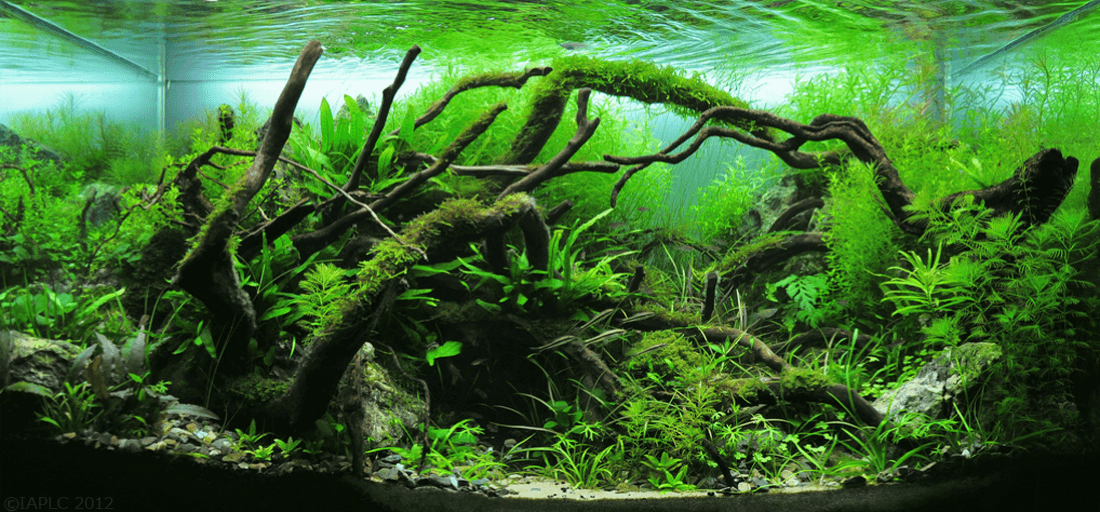
Understanding where shrimp live in the wild isn't just trivia, it directly explains how to keep them. The water conditions a shrimp evolved in tell you exactly what it needs in your tank. A shrimp from a cool, soft mountain stream wants very different water than one from a warm, hard lake. This guide tours the natural habitats of the most popular aquarium shrimp and what each one means for your setup.
Quick Answer
Most aquarium shrimp are freshwater species from streams, rivers, ponds, and lakes across Asia. Neocaridina (cherry shrimp) come from Taiwan and China; Caridina (crystal shrimp) from cooler Asian streams; Amano shrimp from Japanese and Taiwanese rivers; Sulawesi shrimp from Indonesian lakes; and opae ula from Hawaiian lava pools. Each habitat's water chemistry mirrors what the shrimp needs in captivity.
Cherry Shrimp: Streams and Ponds of Taiwan and China
Cherry shrimp (Neocaridina davidi) originate from Taiwan and parts of China, where they live in streams, ponds, and slow rivers. These waters are typically neutral to slightly alkaline with moderate hardness, and they range across a wide spread of temperatures through the seasons.
This is exactly why cherry shrimp are so hardy and beginner-friendly: they evolved in variable, forgiving conditions and adapt to a broad range of tank parameters. Their wild diet of biofilm, algae, and detritus is also why they graze constantly and need so little feeding. (The bright red color is a captive-bred trait; wild Neocaridina are a drab translucent brown.)
Crystal and Bee Shrimp: Cooler Asian Streams
Caridina shrimp like crystal red and bee shrimp come from cooler, softer, more acidic streams in Asia. Their native water is low in minerals and slightly acidic, which is why crystal shrimp need soft, acidic water in captivity, the opposite of cherry shrimp. Trying to keep them in hard tap water fails because it doesn't match their origins. Our Caridina vs Neocaridina guide explains this split.
Amano Shrimp: Rivers of Japan and Taiwan
Amano shrimp (Caridina multidentata) live in rivers and streams of Japan, Taiwan, and Korea. Crucially, their habitat connects to the sea: their larvae drift downstream to brackish estuaries to develop, then migrate back to freshwater as juveniles.
This life cycle is why Amano shrimp can't breed in a freshwater aquarium, the larvae need that brackish stage. Their river origins also explain their hardiness and love of grazing algae off rocks and surfaces.
Ghost Shrimp: North American Waters
Unlike most aquarium shrimp, ghost shrimp (Palaemonetes species) are native to North America, living in ponds, lakes, and slow streams. They tolerate warmer, harder water and a range of conditions. Their local, adaptable origins are why ghost shrimp are cheap, widely available, and hardy, though also why they're often treated as disposable feeders.
Bamboo and Vampire Shrimp: Fast-Flowing Rivers
Filter-feeding shrimp like bamboo shrimp (Southeast Asia) and vampire shrimp (West Africa) live in fast-flowing rivers and streams. They perch in the current and fan food particles from the water. This is why water flow is critical for them in captivity, a stagnant tank starves a filter feeder that evolved in moving water.
Sulawesi Shrimp: Ancient Indonesian Lakes
Sulawesi shrimp come from a few isolated ancient lakes on the Indonesian island of Sulawesi. These lakes are warm, hard, alkaline, and stable. That's why Sulawesi shrimp need warm (80-86°F), hard, high-pH water held rock-steady, conditions that mirror their unusual home and make them demanding to keep.
Opae Ula: Hawaiian Lava Pools
Opae ula (Halocaridina rubra) live in anchialine pools in Hawaii, brackish pools in porous lava rock fed by both seawater and groundwater. These nutrient-poor, stable, brackish pools explain everything about opae ula care: they need brackish water, barely eat, tolerate tiny volumes, and live for over a decade. Their habitat is the reason they thrive on neglect.
Why Habitat Matters for Your Tank
The pattern across all these shrimp is simple: recreate the water chemistry of a shrimp's wild home and it will thrive. When you read a care guide telling you a species needs soft acidic water, or warm alkaline water, or strong flow, that requirement comes straight from where the shrimp evolved.
This is also why a planted aquarium works so well as a shrimp home. A tank with plants, moss, driftwood, and biofilm-covered surfaces recreates the grazing-rich, sheltered stream and pond environments most shrimp come from. Match the water and the habitat, and you've done the hard part. For the numbers, see our water parameters guide.
The Bottom Line
Freshwater aquarium shrimp come from a surprising range of wild habitats: Taiwanese streams (cherry shrimp), cool Asian creeks (crystal shrimp), Japanese rivers (Amano), North American ponds (ghost shrimp), fast African and Asian rivers (filter feeders), Indonesian lakes (Sulawesi), and Hawaiian lava pools (opae ula). Each habitat dictates the water conditions that shrimp needs in captivity. Learn where your shrimp comes from and you'll understand exactly how to keep it.
Related Guides
- •Cherry Shrimp Care - Taiwan's hardy stream shrimp
- •Caridina vs Neocaridina - Different origins, different needs
- •Shrimp Water Parameters Guide - Matching the wild
- •Best Plants for Shrimp Tanks - Recreating the habitat
Frequently Asked Questions
◆Where do freshwater shrimp live in the wild?
Most aquarium shrimp live in freshwater streams, rivers, ponds, and lakes, primarily across Asia. Cherry shrimp come from Taiwan and China, crystal shrimp from cooler Asian streams, Amano shrimp from Japanese and Taiwanese rivers, and ghost shrimp from North America. Each habitat's water chemistry determines the shrimp's care needs.
◆What is the natural habitat of cherry shrimp?
Cherry shrimp (Neocaridina davidi) come from streams, ponds, and slow rivers in Taiwan and China with neutral to slightly alkaline, moderately hard water and variable temperatures. This forgiving, variable environment is why they're so hardy and adaptable in aquariums.
◆Do all aquarium shrimp come from freshwater?
Most do, but not all in the simple sense. Opae ula live in brackish Hawaiian pools, and Amano and vampire shrimp have larvae that need brackish or salt water even though adults live in freshwater. The popular dwarf shrimp like cherry and crystal are fully freshwater throughout their lives.
◆Why does it matter where shrimp live in the wild?
Because a shrimp's natural habitat dictates the water conditions it needs in your tank. A species from soft, acidic streams needs soft, acidic water; one from warm, hard lakes needs warm, hard water. Matching the wild water chemistry is the key to keeping any shrimp successfully.
Found this helpful?
Check out our other shrimp care guides