How Long Do Cherry Shrimp Take to Colonize a Tank?
How long until cherry shrimp fill your tank? A realistic timeline from first berried female to a full colony, plus what speeds it up and what stalls it.
Last updated: May 2026 | 8 min read
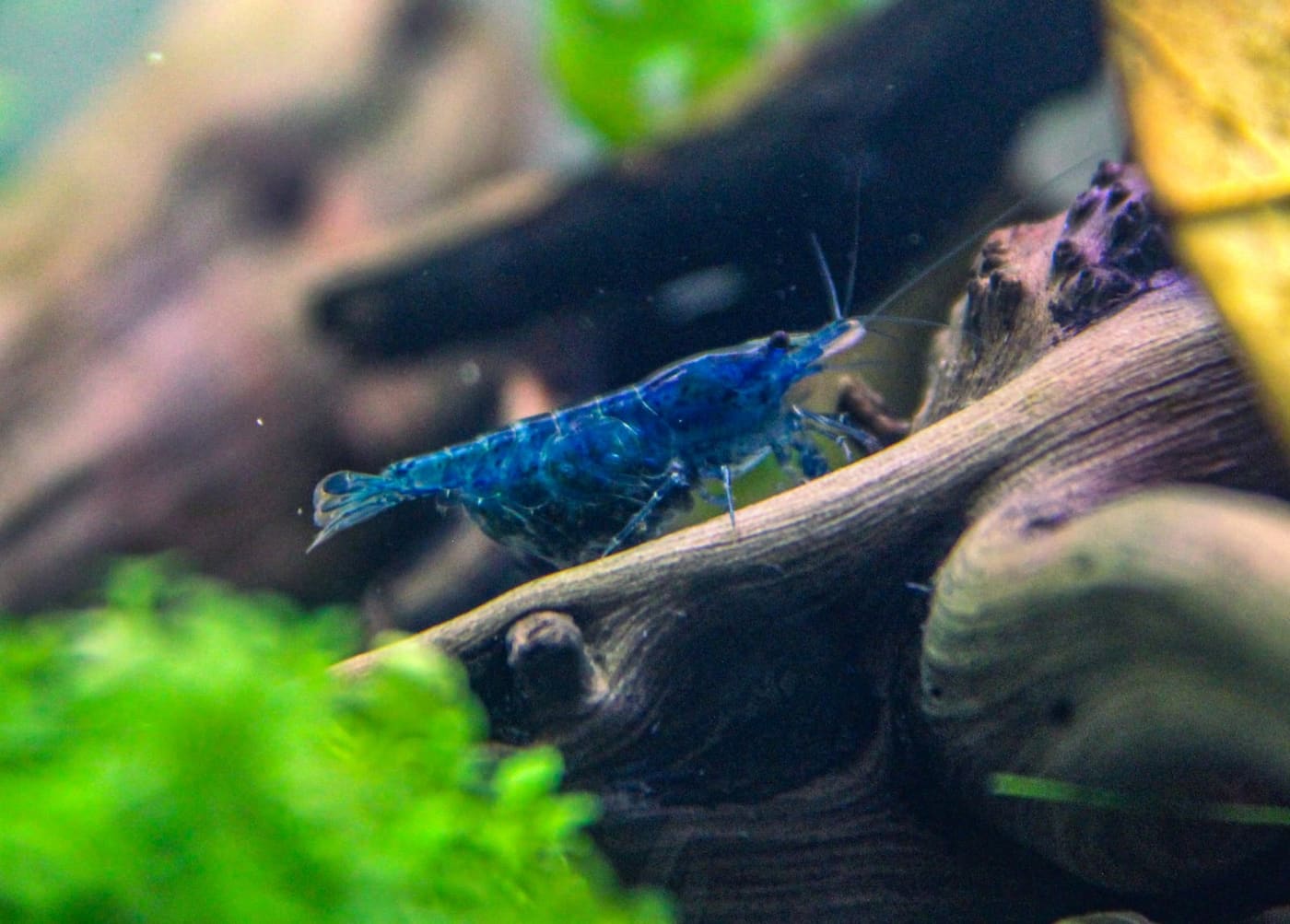
You bought a starter group of cherry shrimp, dropped them in, and now you're staring at the tank wondering when it turns into the lush, shrimp-packed colony you saw online. The honest answer: faster than you'd think once it gets going, but the first few months test your patience.
Here's a realistic timeline of what to expect, plus what speeds colonization up and what stalls it.
Quick Answer
Starting with 10 cherry shrimp, expect your first baby shrimp within 4 to 6 weeks, a noticeably larger colony by 3 to 4 months, and a "full" tank of 100-plus shrimp somewhere around 6 to 12 months. Cherry shrimp breed exponentially, so growth feels slow at first and then explodes.
The Realistic Colonization Timeline
◆Weeks 1 to 2: Settling In
Newly added shrimp are stressed and shy. They'll hide, lose a little color, and graze quietly. Breeding is the last thing on their minds while they adjust. Don't judge your colony's future by these first weeks. Focus on stable water and light feeding. If you haven't yet, drip acclimate properly using our acclimation guide.
◆Weeks 2 to 4: First Berried Females
Once settled in a mature, stable tank, females start carrying eggs (called being "berried"). You'll see a cluster of eggs under the tail, fanned constantly to keep them oxygenated. Cherry shrimp eggs take about 25 to 35 days to hatch.
◆Weeks 4 to 6: First Shrimplets
The first babies appear as tiny, nearly invisible specks clinging to plants and moss. This is the make-or-break stage. Shrimplets need biofilm to eat and dense cover to hide in. A tank with moss dramatically improves survival.
◆Months 2 to 4: Momentum Builds
Those first shrimplets mature in about 2 to 3 months and start breeding themselves. Now multiple females are berried at once and generations overlap. The colony visibly grows week over week.
◆Months 6 to 12: Full Colony
This is where exponential growth shows. A tank that had 10 shrimp can hold 100 or more, depending on size. Growth eventually self-limits as the colony approaches the tank's carrying capacity. See how many shrimp per gallon for stocking limits.
What Speeds Up Colonization
- •Start with a mature, fully cycled tank. Biofilm and stable parameters are everything. A brand-new tank colonizes much slower. Read how to cycle a shrimp tank
- •Add lots of moss and plants. More surface area means more biofilm and more shrimplet hiding spots
- •Keep the temperature in the mid-70s°F. Warmer water (within the safe range) speeds up metabolism and breeding. Most keepers don't need a heater, but see do shrimp need a heater
- •Start with more shrimp. 15 to 20 shrimp colonize faster than 5, simply because you have more breeding pairs sooner
- •Feed lightly and consistently. Well-fed females breed more, so a quality shrimp food plus biofilm helps. Don't overfeed, which fouls water. See best food for shrimp
- •Run no fish. Even peaceful fish eat shrimplets. A shrimp-only tank colonizes far faster
What Stalls Colonization
- •Unstable water parameters. Swings stress shrimp and stop breeding. Stability beats perfection
- •A brand-new tank with no biofilm. Shrimplets starve without it
- •Fish tankmates eating the babies. The single biggest killer of colony growth
- •All same-sex shrimp. With a group of 10 you'll almost always get both, but tiny groups can be unlucky
- •Copper exposure. Many medications and some tap water contain copper, which is lethal to shrimp. Check our water parameters guide
If months pass with no babies at all, work through our why are my shrimp not breeding checklist.
How Many Shrimp Should You Start With?
Ten is the sweet spot for a beginner. It almost guarantees both males and females, gives you a visible group right away, and colonizes at a reasonable pace without overloading a new tank. If you're patient and budget-conscious, even 5 will eventually fill a tank. If you want speed, start with 15 to 20.
The Bottom Line
Cherry shrimp colonization follows a slow-then-fast curve. The first two months feel quiet, then the colony takes off and growth becomes obvious. Give them a mature, stable, moss-filled tank with no fish, and you'll go from a starter group to a thriving colony within 6 to 12 months. Patience early pays off enormously later.
Related Guides
- •How to Breed Cherry Shrimp - Grow your colony faster
- •Why Are My Shrimp Not Breeding? - Troubleshoot a stalled colony
- •Best Moss for Shrimp Tanks - The key to shrimplet survival
- •How Many Shrimp Per Gallon - Stocking limits as you grow
Frequently Asked Questions
◆How long does it take for cherry shrimp to multiply?
In a mature, stable tank, expect your first berried females within 2 to 4 weeks and the first baby shrimp by 4 to 6 weeks. From there the colony grows exponentially, often reaching 100-plus shrimp within 6 to 12 months from a starting group of 10.
◆How many cherry shrimp should I start with?
Ten is ideal for beginners. It nearly guarantees you'll have both males and females, gives you a visible group immediately, and colonizes at a healthy pace. Start with 15 to 20 if you want faster colonization.
◆Why are my cherry shrimp not multiplying?
The most common reasons are an immature tank with no biofilm, unstable water parameters, fish eating the shrimplets, or a tank that's too new. Make sure the tank is fully cycled, parameters are stable, and there are no predators. Our breeding troubleshooting guide covers all 10 common causes.
◆Do cherry shrimp breed in a community tank?
They can, but survival rates drop sharply because even peaceful fish eat baby shrimp. For real colonization, a shrimp-only tank with plenty of moss is far more productive than a community tank.
◆How many babies do cherry shrimp have?
A berried female typically carries 20 to 30 eggs and can breed again roughly every month once mature. With several females breeding at once, the numbers add up fast.
Found this helpful?
Check out our other shrimp care guides